Subjects
Grades
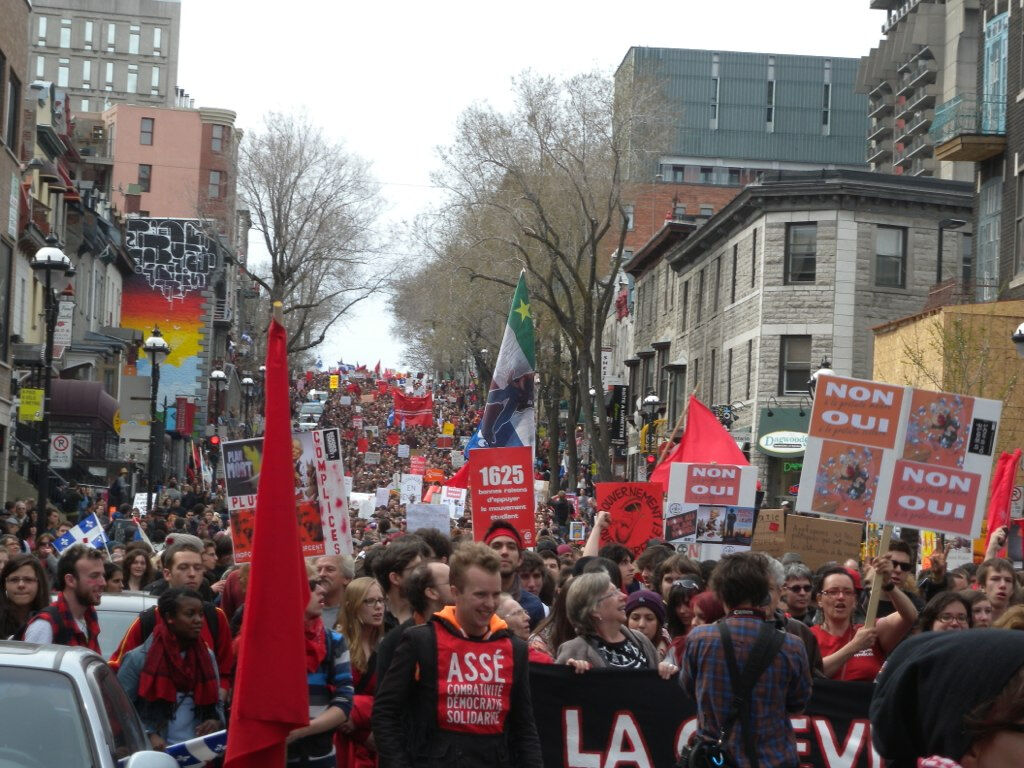
Towards the end of the 20th century, Quebec underwent significant modernization in several areas of society. Due to the changes and challenges that emerged at the turn of the century, the province continued to evolve.
In the wake of the Quiet Revolution, Quebec sought to assert its identity within a Canada that was also changing. As a result, Québécois nationalism and Canadian nationalism emerged as two distinct ideologies. This transformed the relationship between the provincial and federal governments. Alongside these two conflicting nationalisms, Indigenous peoples also sought greater recognition within the Canadian federation.
The end of the 20th century was also marked by the appearance of a new economic and political phenomenon: globalization. Contrary to neo-liberalism, the social economy grew in significance while denouncing the negative impacts of globalization and calling for social initiatives.
As Quebec asserted its identity, the government led initiatives to promote the cultural industry among its population and the rest of the world.
Finally, a new global challenge emerged: the climate crisis, characterized by rapid environmental degradation.
Check out the following concept sheets to learn more about Quebec’s societal choices: