Subjects
Grades
 100%
100%
 100%
100%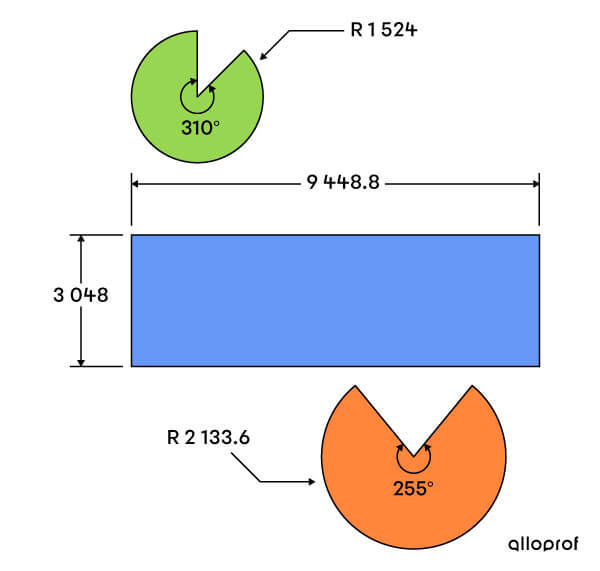 100%
100%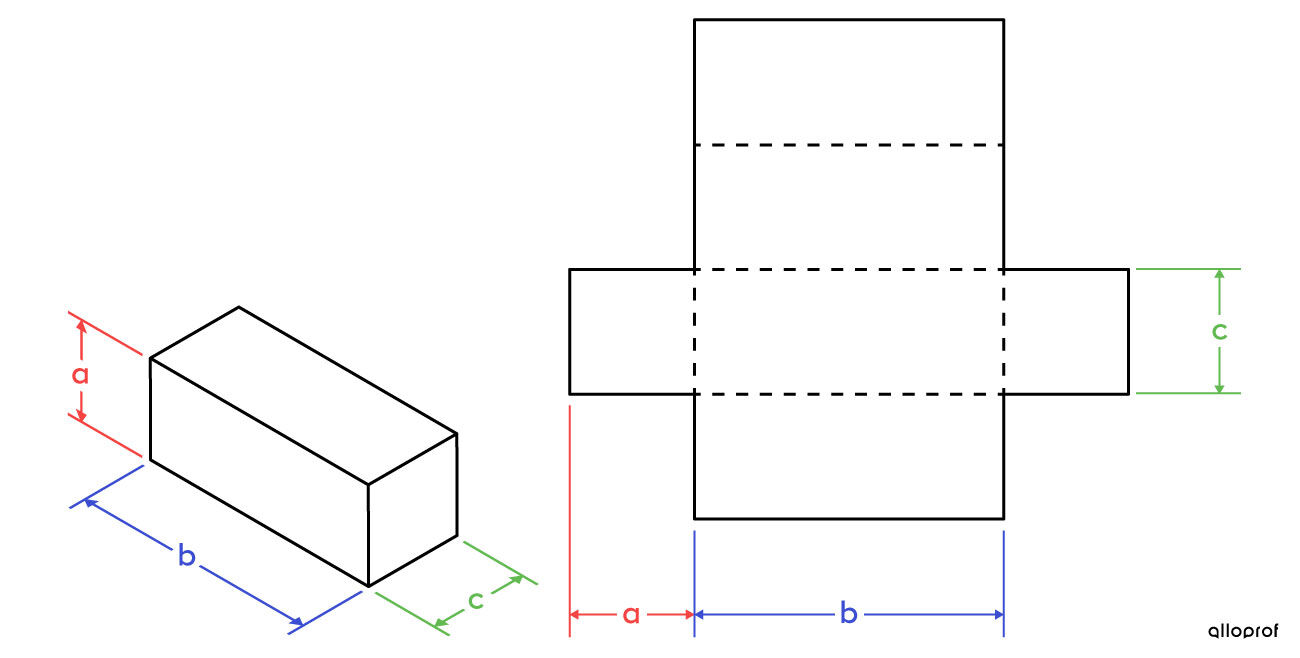 100%
100%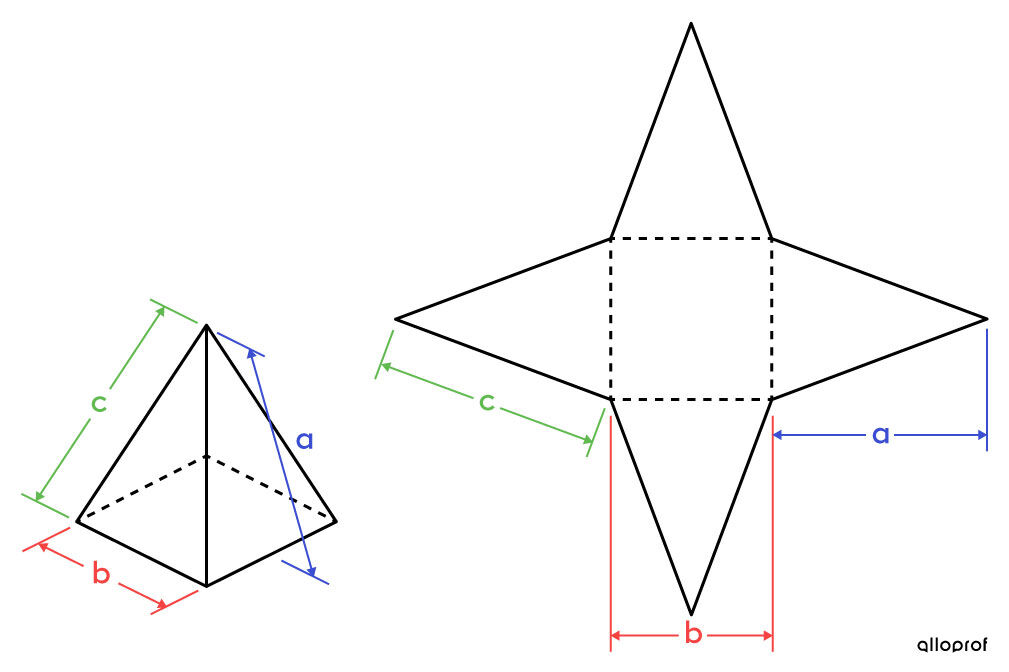 100%
100%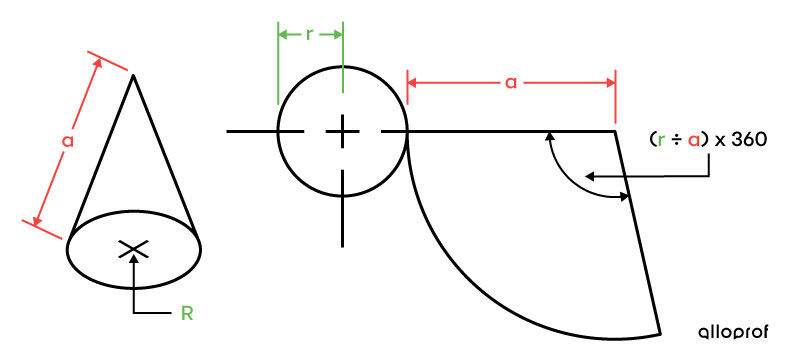 100%
100%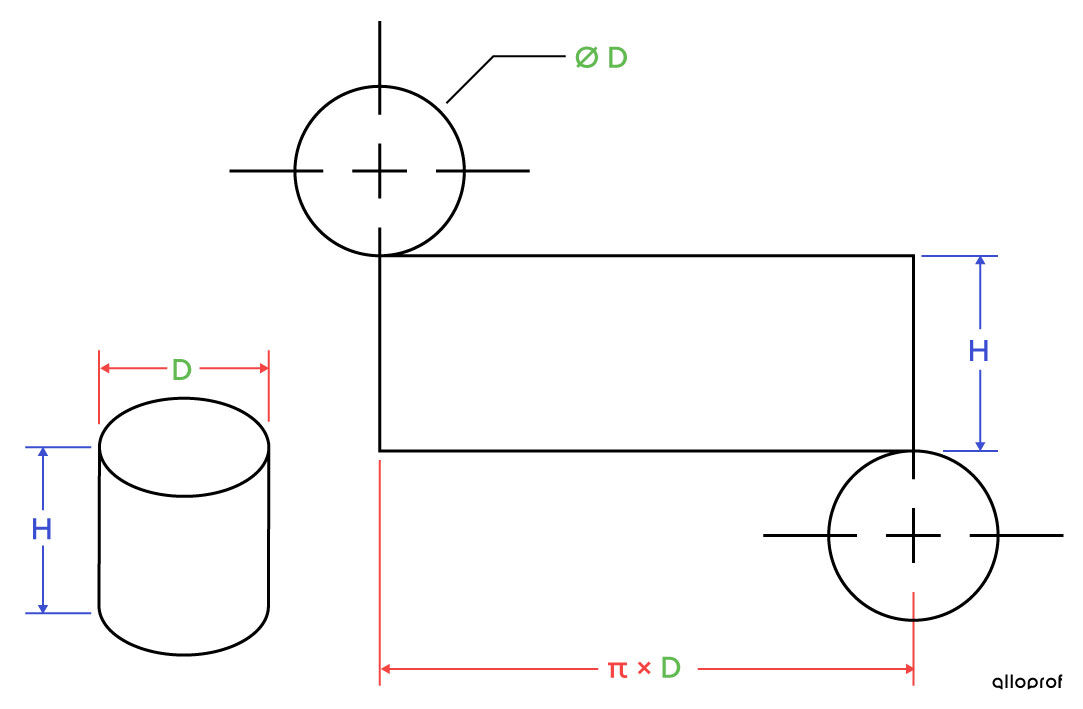
To determine the surface areas required to manufacture an object by cambering (bending), the different parts are shown in a development drawing.
A development, also called a net, is a flat representation of the surfaces of a solid that will be manufactured by cambering (bending).
Some technical objects are made by bending malleable materials such as metal sheets or composite materials. This means the manufactured object is an assembly of different three-dimensional shapes, such as prisms, pyramids, cones and cylinders. The development of a solid that is part of an object can be used to plan the dimensions and shapes of sheet materials to be bent.
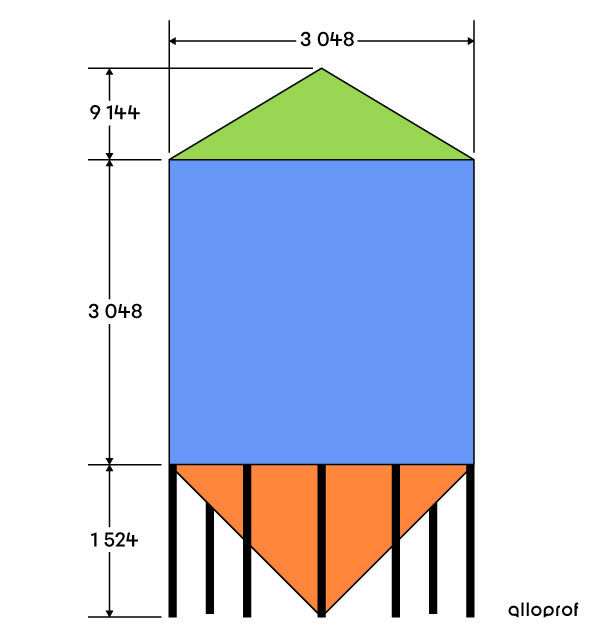
A grain silo is made of metal. It is an assembly of three different solids: a cylinder with two cones on each end.
Keep in mind that there are no circular bases on the two cones or the cylinder, so these bases should not be represented or produced.

The dimensions of the lateral sides of the cones and the sides of the cylinder are indicated on the development drawing using proper dimensioning rules.
It is possible to design many objects by bending and by combining simple solids. Development drawings of prisms, pyramids, cones and cylinders are helpful for determining how much of a material is needed to make an object.
Here are the development drawings of the most frequently used simple solids.