Subjects
Grades
 100%
100%
 100%
100%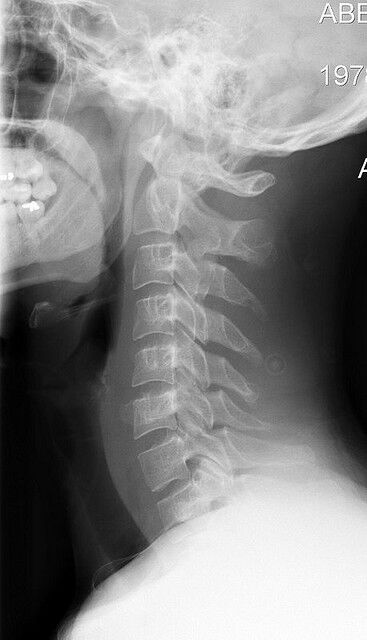 100%
100%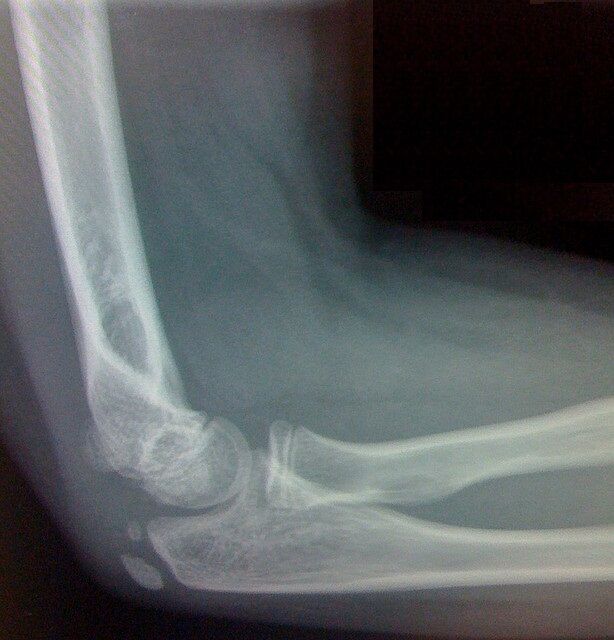
Joints are links that connect two or more bones.
Their main purposes of the joints are to provide the skeleton with mobility, to join bones together and to provide a form of mechanical protection for the skull and rib cage. Although they are the weakest points of the skeleton, they are usually able to resist crushing, tearing and shifting in the wrong direction. They can also be grouped according to their structure (fibrous, cartilaginous or synovial) or their mobility (fixed, semi-movable or movable).
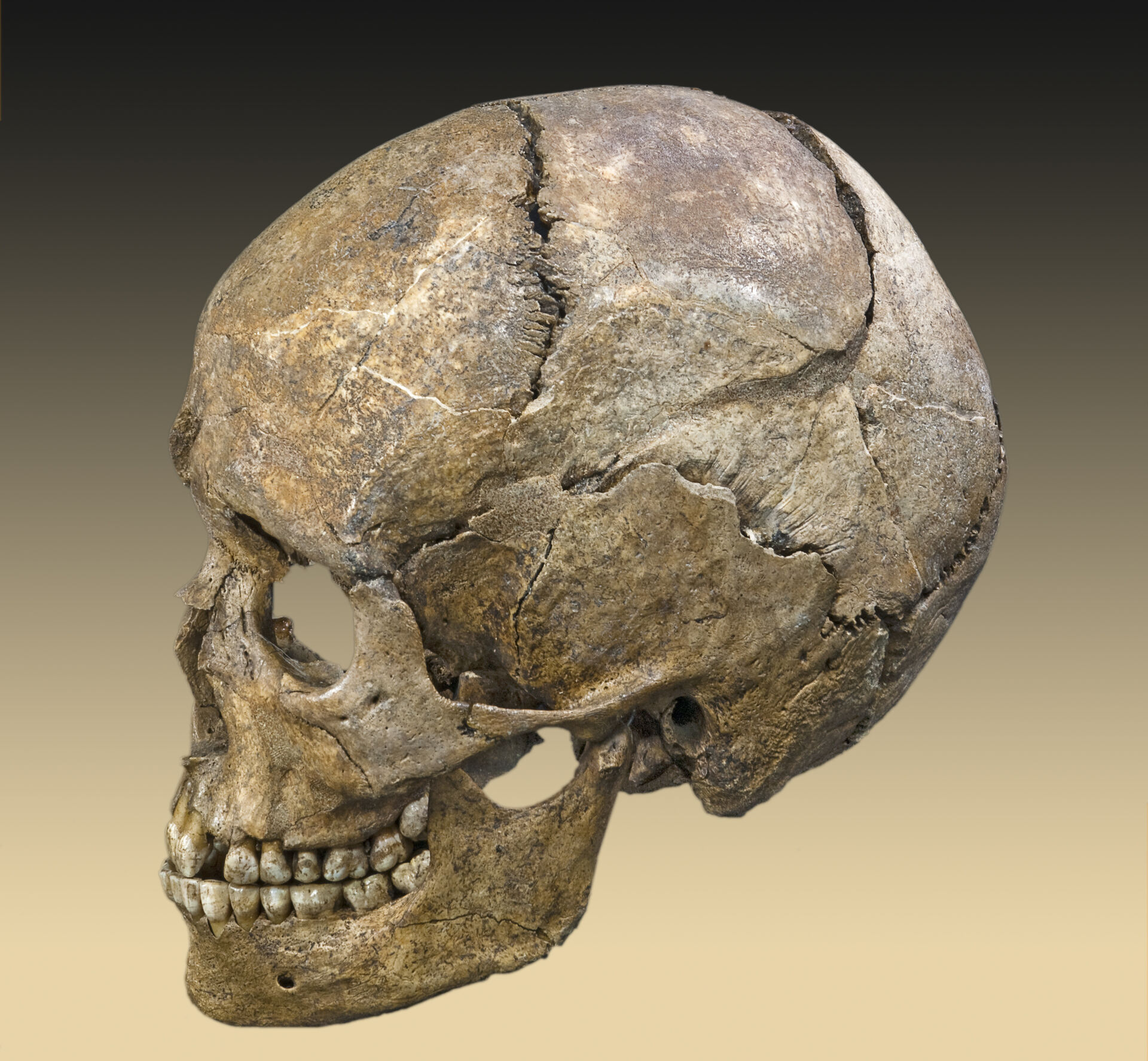
Fixed or immobile joints cannot move. The bones are either in direct contact or are separated by a single layer of cartilage.
The bones of the skull are an example of fixed joints.
Semi-movable joints are, as their name implies, only capable of limited movement. This type of joint has a reduced range of motion. There is usually cartilage between the bones in semi-movable joints.
The vertebrae, with the cartilage between them (the intervertebral discs), are an example of semi-movable joints.

Freely movable joints enable a large range of motion. In this type of joint, the head of one bone fits into the socket of another bone.
The elbow is an example of a freely movable joint.
The shoulder, hand, hip and knee are also examples of freely movable joints.
The interaction between muscles, bones and joints, enable several types of movement.
Flexion involves bringing 2 bones of a joint closer together.
Example: Bending an elbow.
Extension involves moving the 2 bones of a joint further apart by stretching.
Example: Kicking.
Abduction involves moving a limb laterally away from the axis of the body.
Example: Lifting an arm to the side so that it forms a right angle with the body.
Adduction involves bringing one limb back in line with the body.
Example: Retracting the arm in a motion opposite to abduction.
Rotation involves moving a limb around an axis.
Example: Shaking the head.
To learn more about the types of joints, check out this concept sheet: