Subjects
Grades
Light is an electromagnetic wave that can be detected by the eye. Light is therefore a form of radiant energy.
Light is essential to life. For example, plants feed partly on sunlight through the process of photosynthesis. The energy carried by light also helps to warm the Earth, creating the right climate for the development of life. For animals, the amount of sunlight received can be a signal for hibernation or reproduction.
Many astronomical phenomena involve light. For example, the cycle of day and night, the phases of the Moon and eclipses can all be explained using the properties of light.
Light has seven main properties.
1. Light is electromagnetic wave that can be perceived by the eye. Other electromagnetic waves, such as x-rays or infrared rays, are not detected by our eyes.
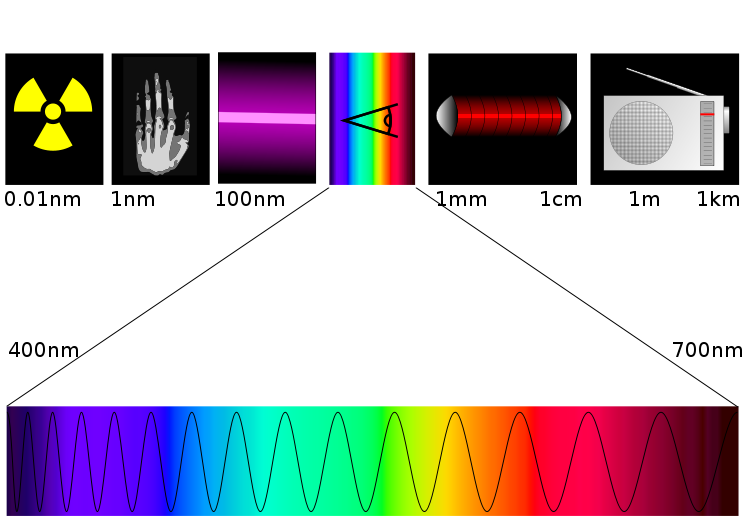
Electromagnetic spectrum
2. Light can be emitted by a natural source, such as the Sun and other stars, or by an artificial source, such as a light bulb.
3. Light carries energy, which is called luminous energy or radiant energy. This luminous energy is transformed into thermal energy when it comes into contact with a surface.
4. Light is almost instantaneous. It travels at a speed of 300,000 km/sec, a speed that it is impossible to exceed.
5. Light travels in a straight line. It cannot therefore go around an object; instead, it will be blocked by it. It should be noted that light can be deflected if it passes through a different medium, for example if it passes from air to water, a phenomenon called refraction.
6. Some of the light that strikes an object is reflected by it, allowing us to see it. The other part of the light is absorbed.
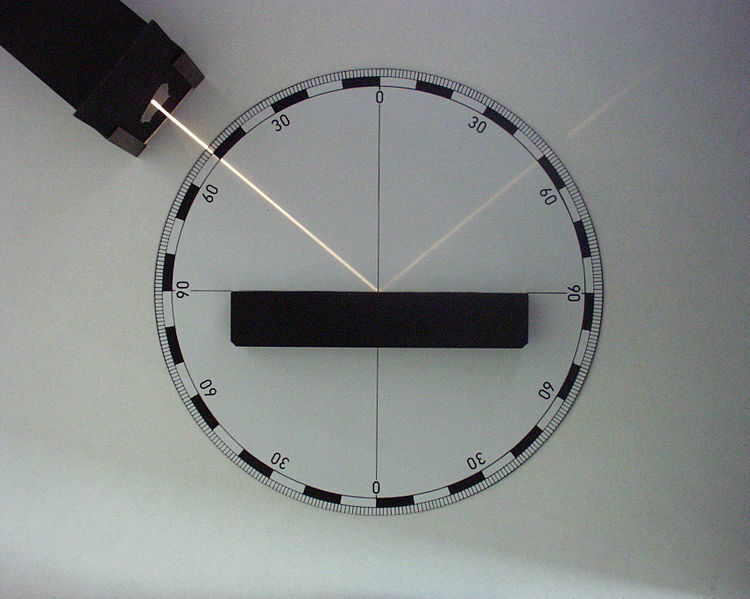
Light reflection
7. White light is made up of all the colours. When white light separates into its constituent colours, the light is dispersed.
Visible light is any type of ray that the eye can perceive.
Our eyes are designed to perceive white light and black light. White is not considered a colour. In fact, when we perceive a white object, it is because this object is reflecting all the colours to our eyes at the same time. At that moment, the brain sends the message that the object is white! Dispersion is at the root of this phenomenon.
A red shirt absorbs all the colours in white light, except the red, which is reflected back to the environment. So a person looking at this shirt will only see the colour reflected by the shirt, i.e. red.
Black, on the other hand, indicates that our eyes do not perceive any light rays. This is why, at night, if we turn off all sources of light, we will have the impression that everything is black.
White light is made up of all the colours.
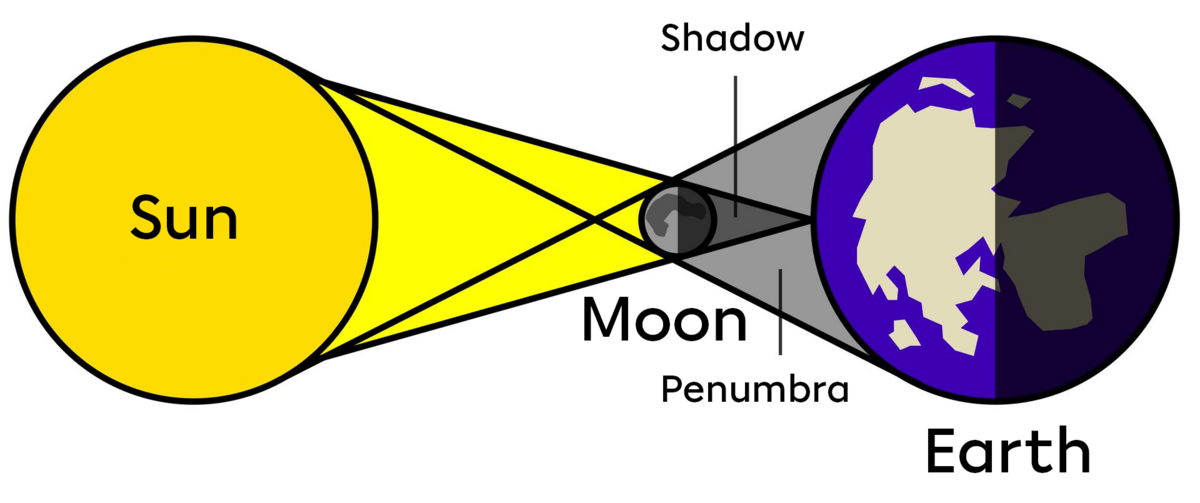
The umbra is an area that is not directly illuminated by a light source because an opaque object blocks the passage of light.
The penumbra is an area that is partially lit by a light source. Part of the light is blocked by an opaque object, but some rays are able to illuminate the surface.
Finally, a bright area is one that is fully illuminated by a light source. No rays are blocked to illuminate this zone.
To determine the umbra and penumbra formed by an extended light source illuminating an opaque object, four rays need to be drawn.
All the areas on either side of the penumbra are fully illuminated: these are the bright areas.
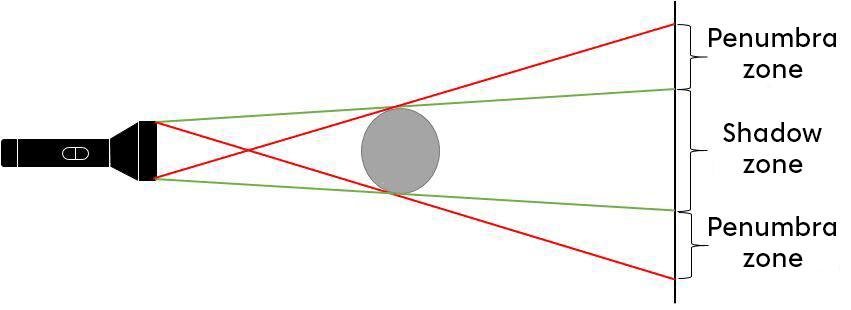
The properties of light explain many astronomical phenomena.
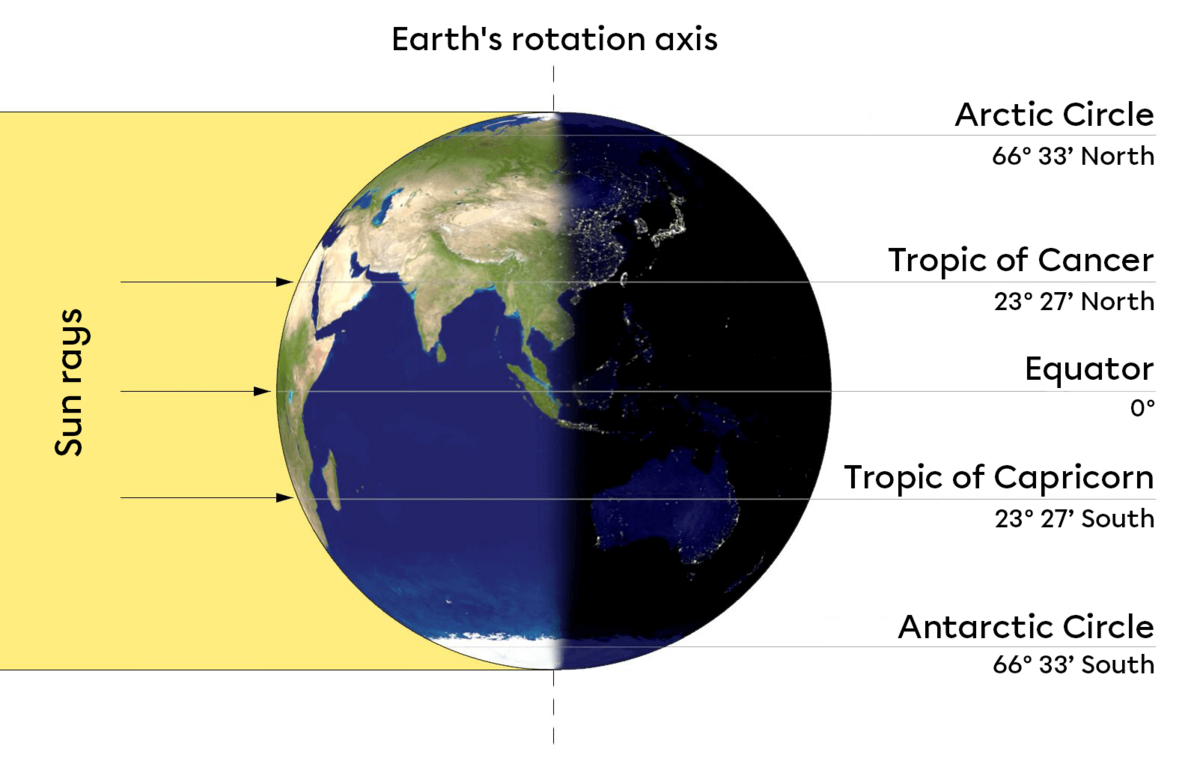
The alternation between day and night is partly explained by the properties of light. Since sunlight travels in a straight line and cannot go around objects, it cannot illuminate the entire surface of the Earth at the same time. It can therefore only illuminate one half at a time: this half will live during the day, while the other half will be plunged into the darkness of night.
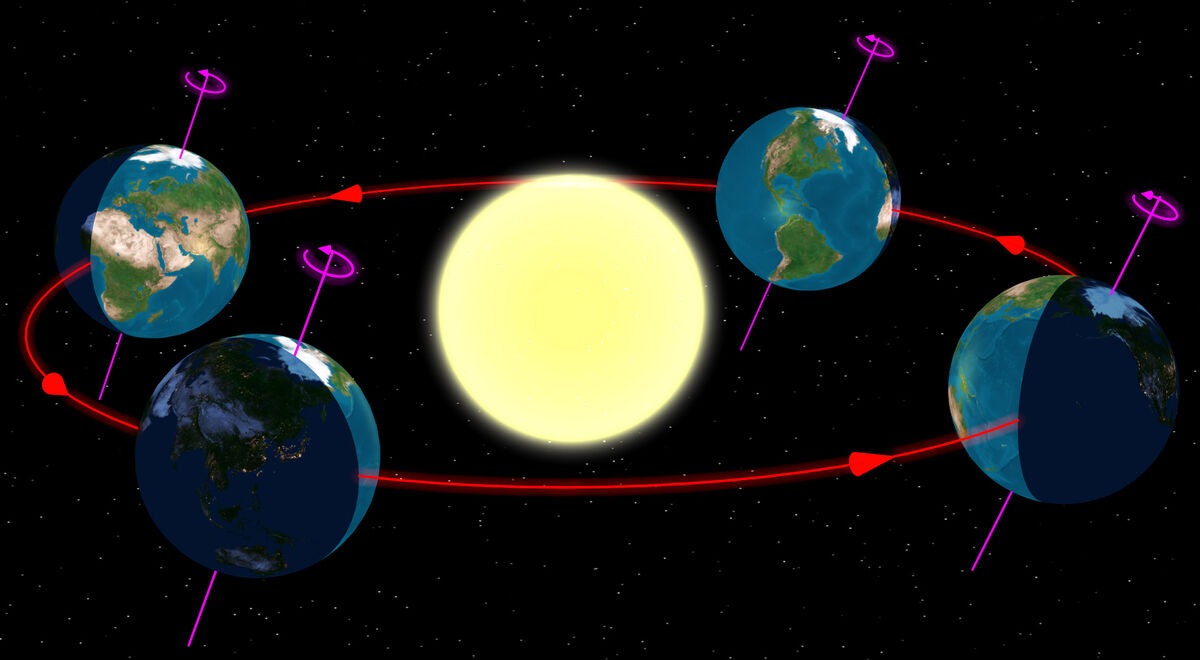
The alternation of the seasons is also a phenomenon that is partly explained by the properties of light. Sun's light, which only travels in a straight line, illuminates part of the Earth. However, because the Earth is tilted, one hemisphere receives more light than the other. This hemisphere therefore receives more radiant energy, which causes it to heat up more: this is summer. The other hemisphere, which receives less energy from the Sun, is in winter.
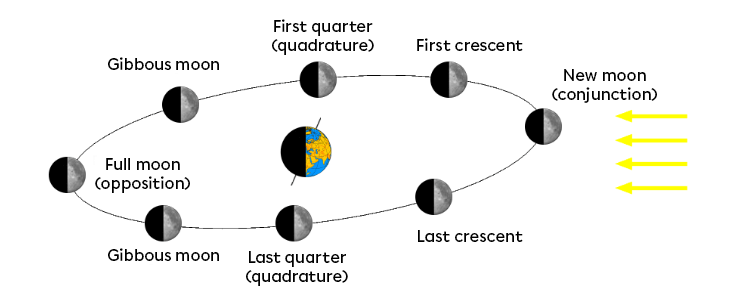
The Moon does not emit light: it reflects the Sun's light, allowing the Earth's inhabitants to see it. As with the Earth, depending on the Moon's position in relation to the Sun, only part of the Moon can be illuminated, as the light travels in a straight line. This explains the different phases of the Moon.
Eclipses occur when the Moon casts a shadow on the Earth or when the Moon passes through the Earth's shadow. Whatever the type of eclipse, the properties of light help to explain the phenomenon. Since light travels in a straight line, it cannot go around the Moon. This umbra is where the eclipse can be observed.