Subjects
Grades
 100%
100%
 100%
100%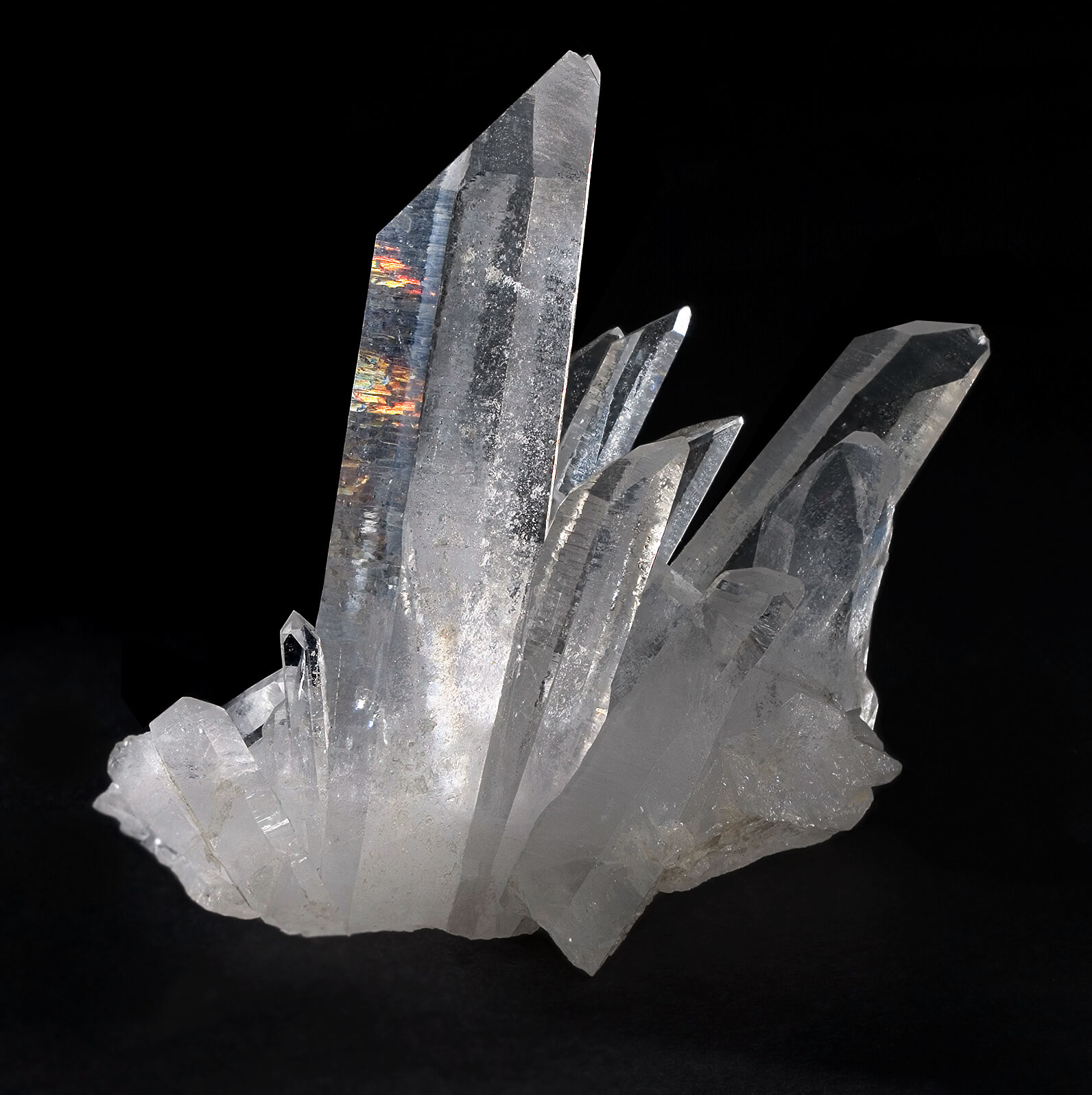 100%
100%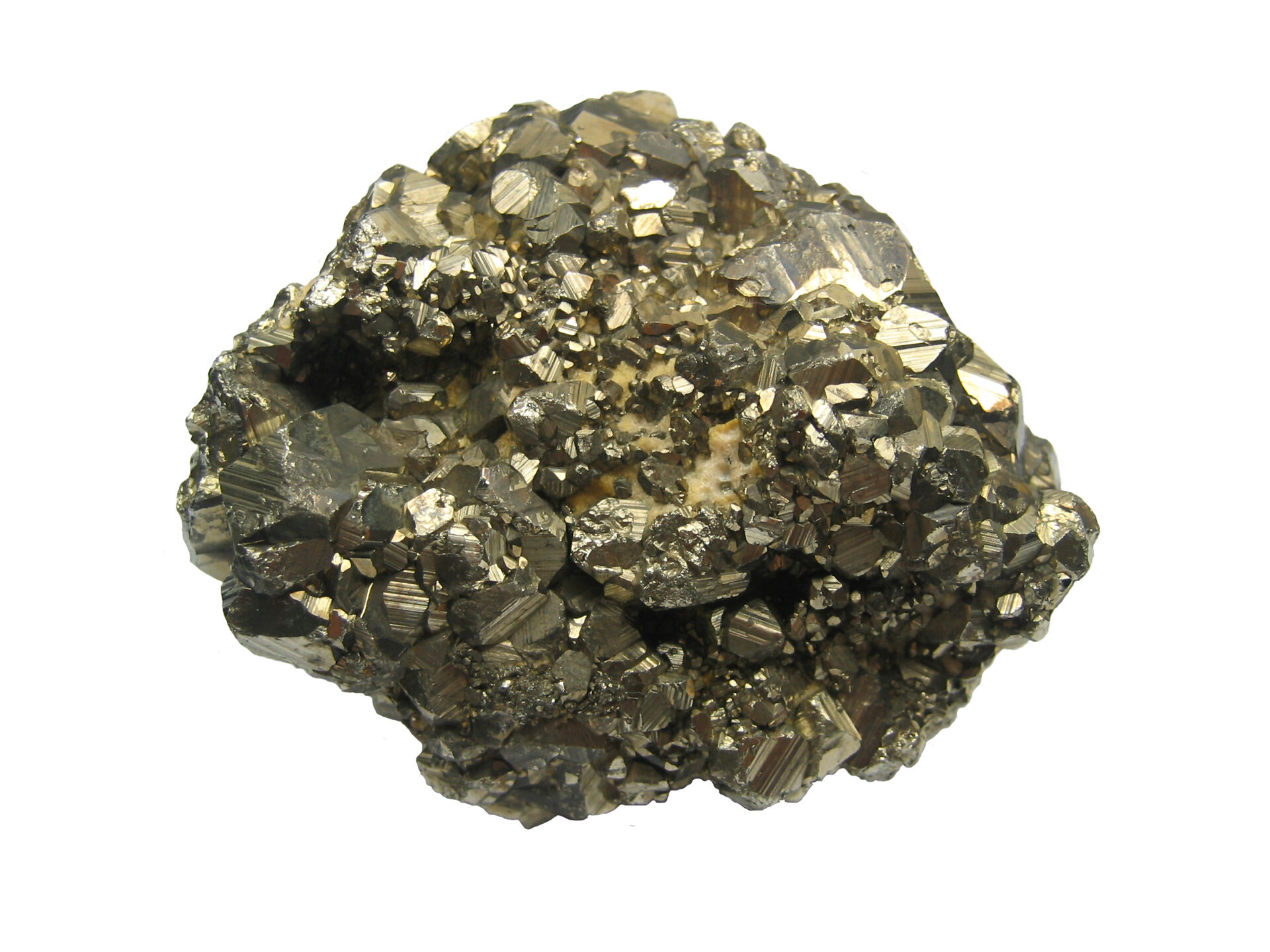 100%
100%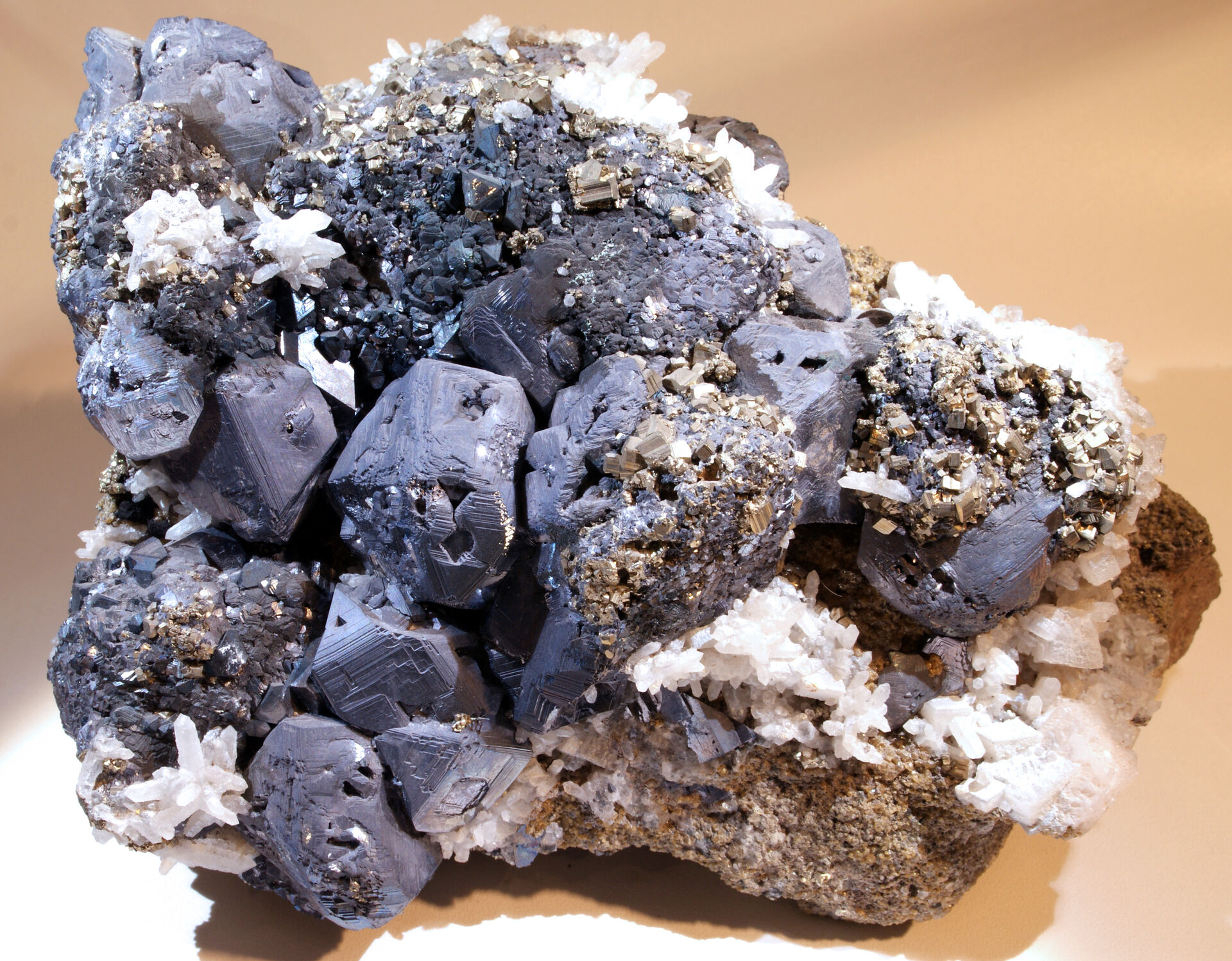 100%
100%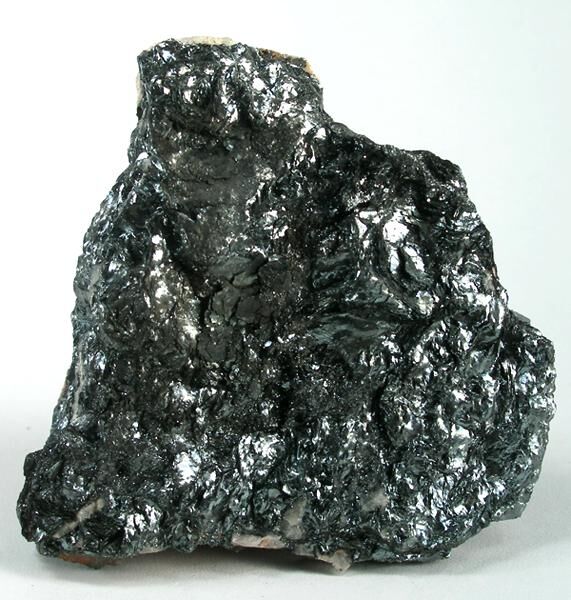 100%
100%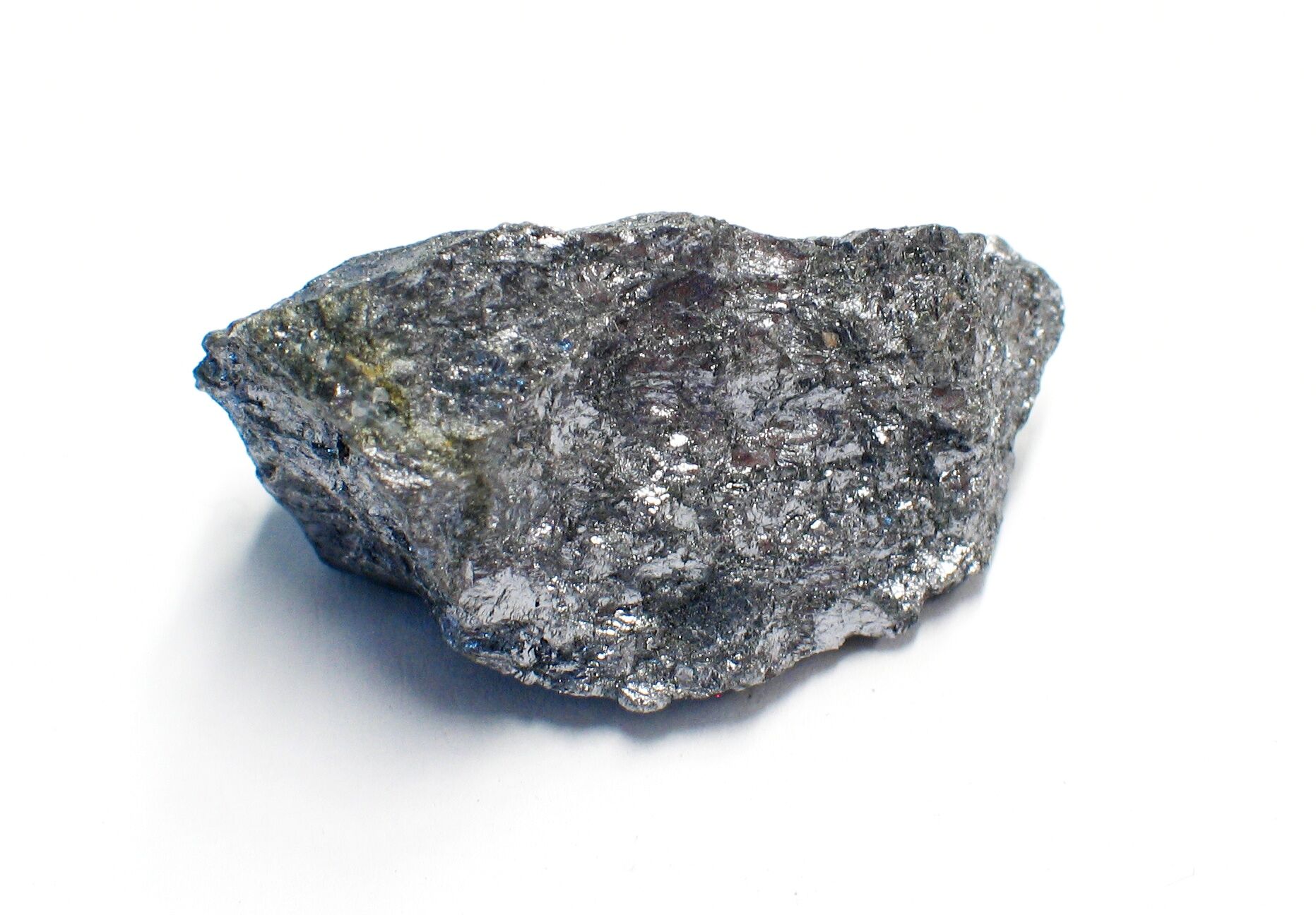 100%
100%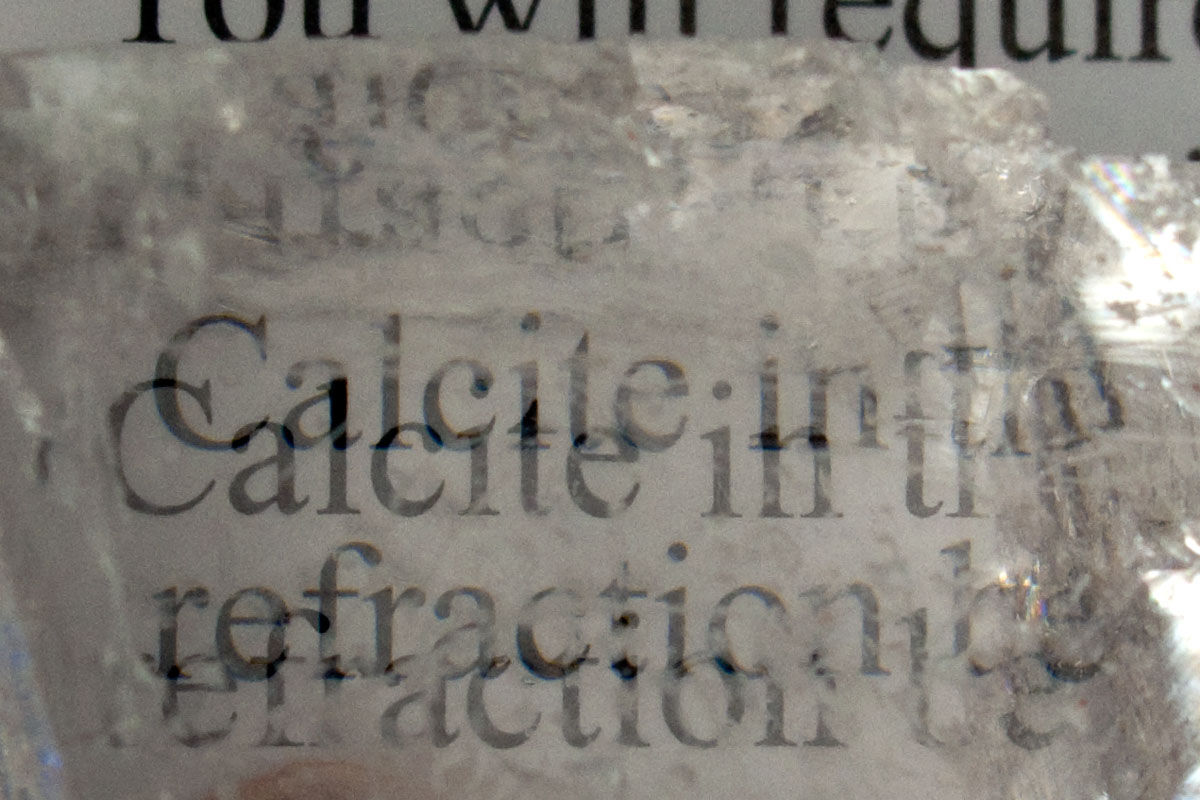 100%
100%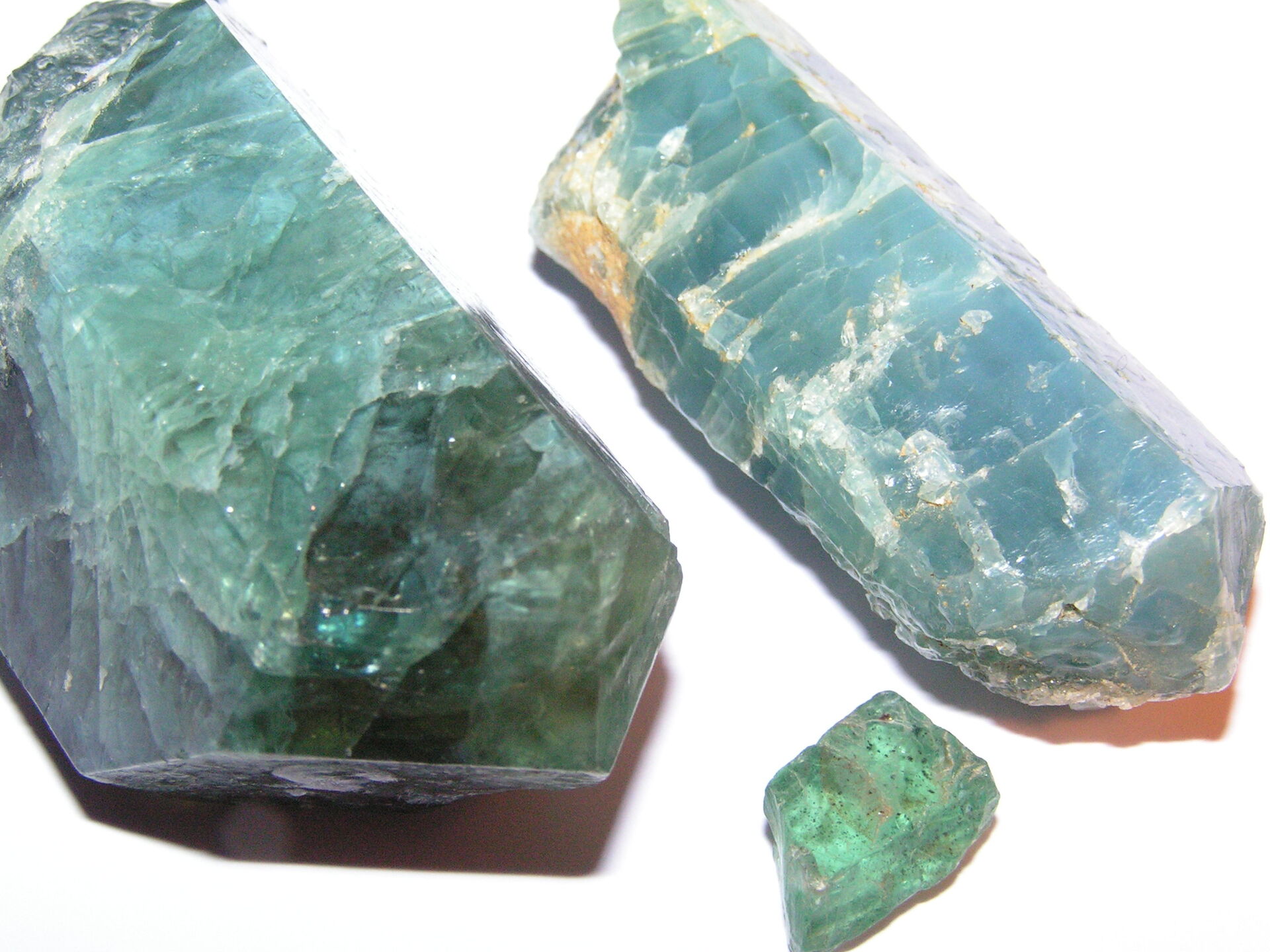 100%
100%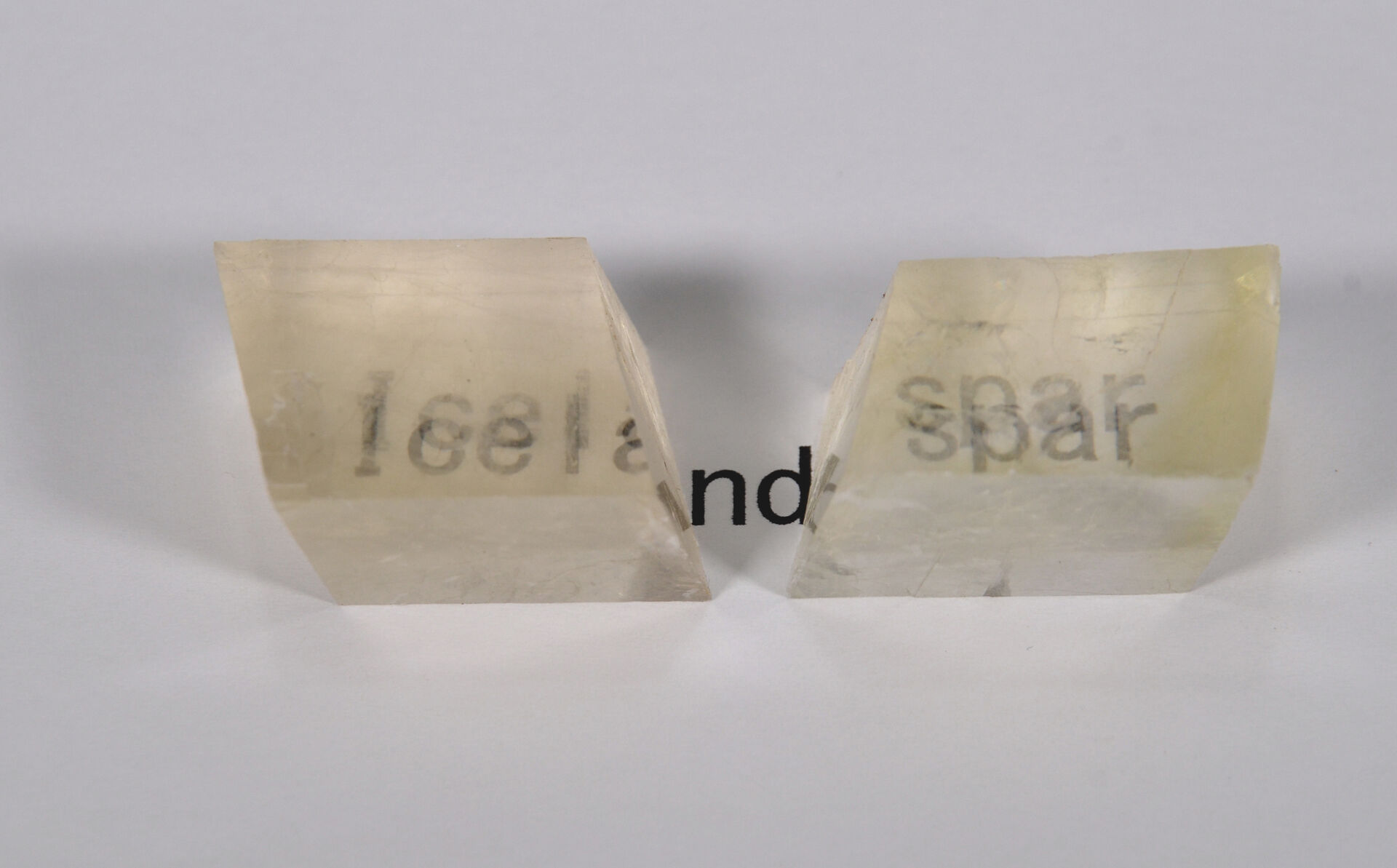 100%
100%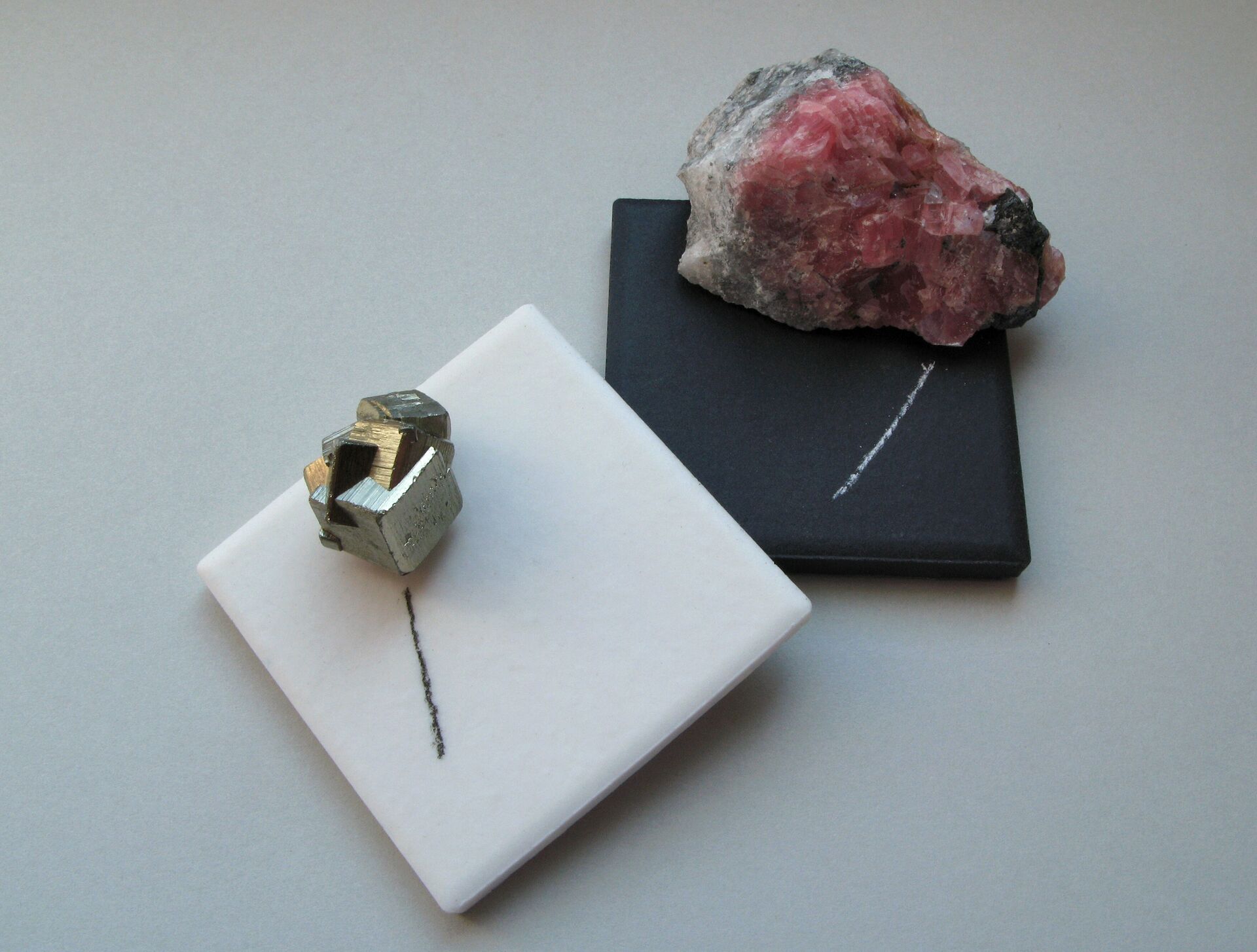 100%
100%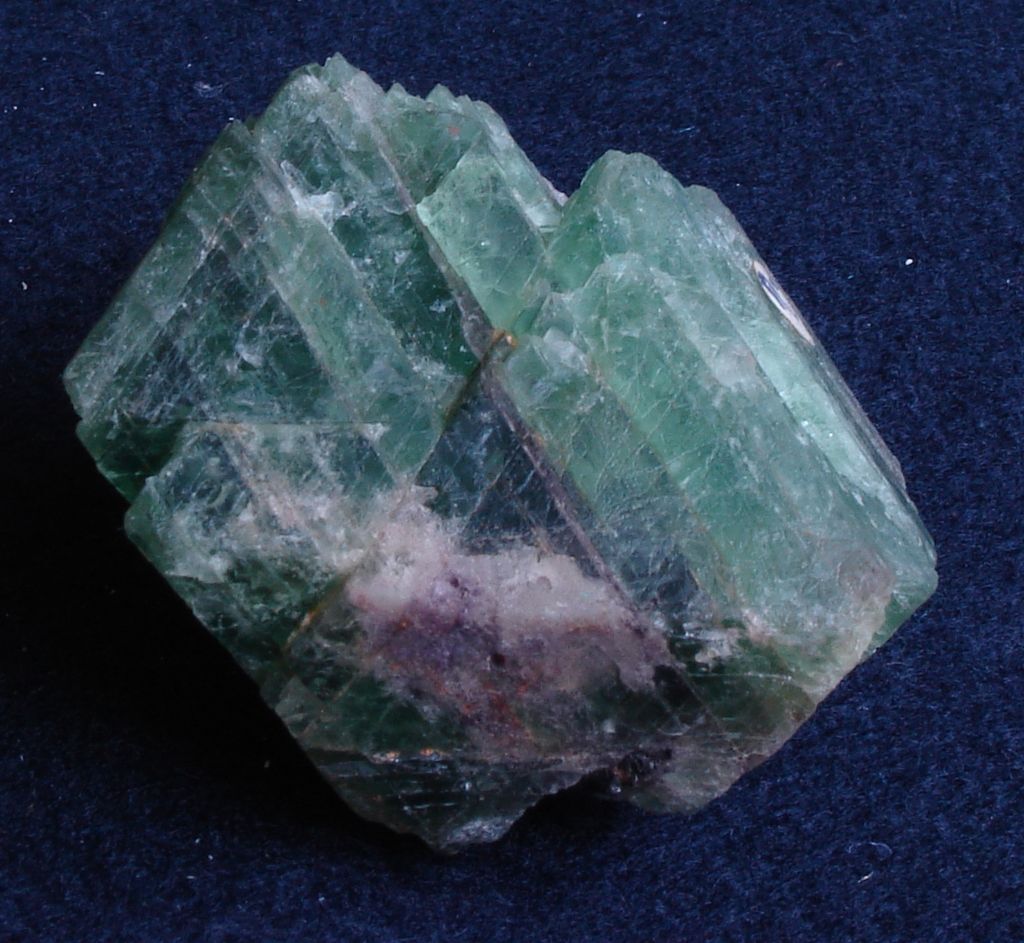 100%
100%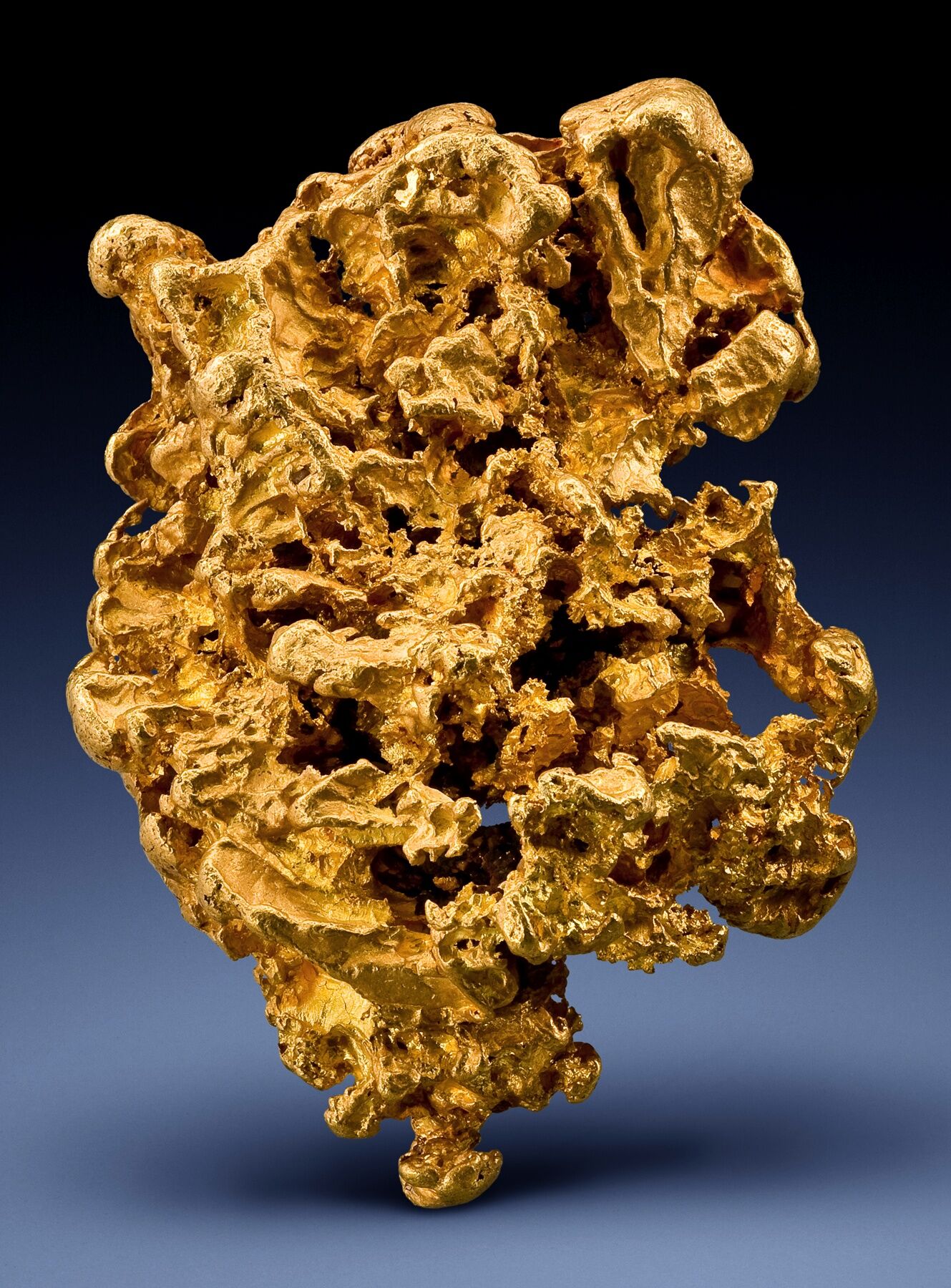 100%
100%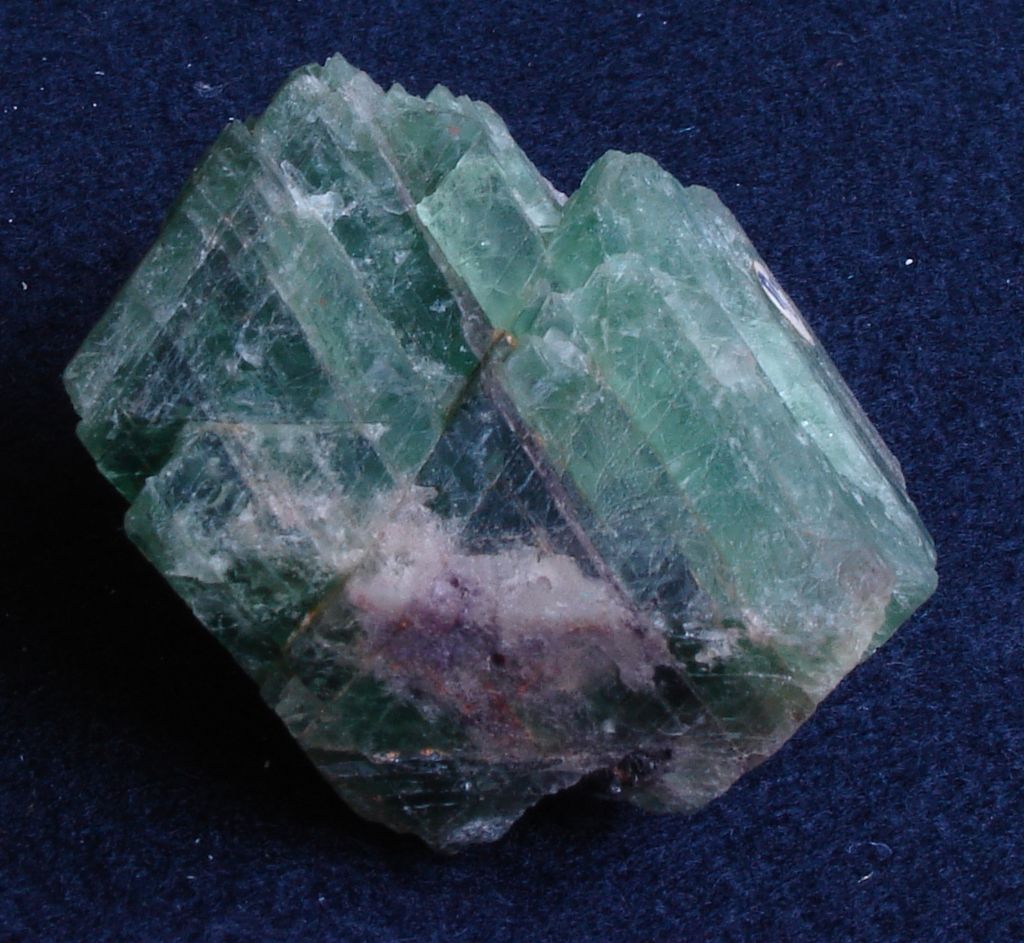 100%
100%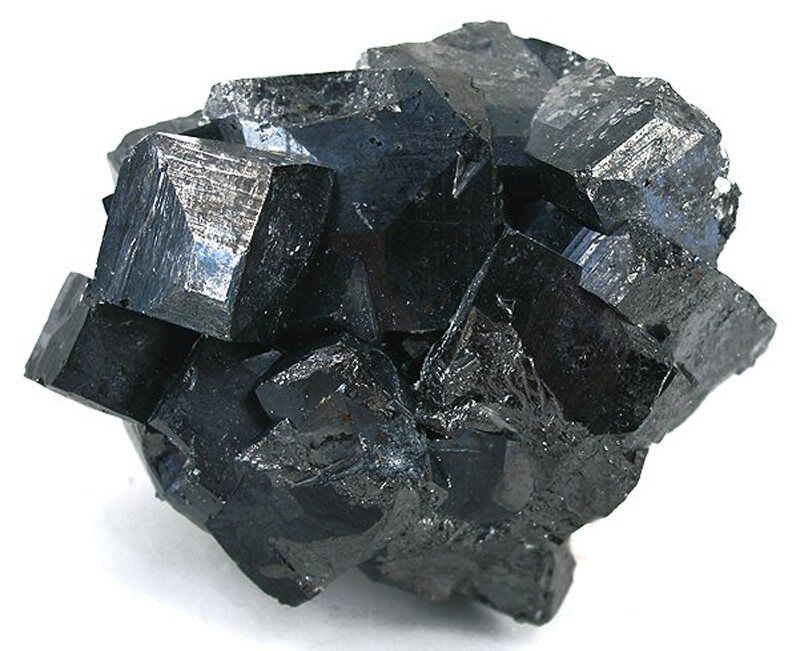 100%
100%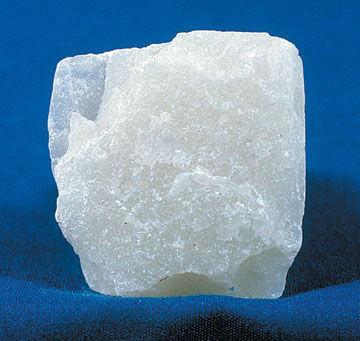
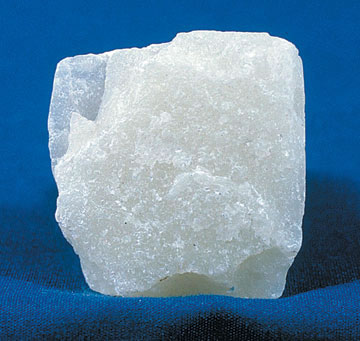
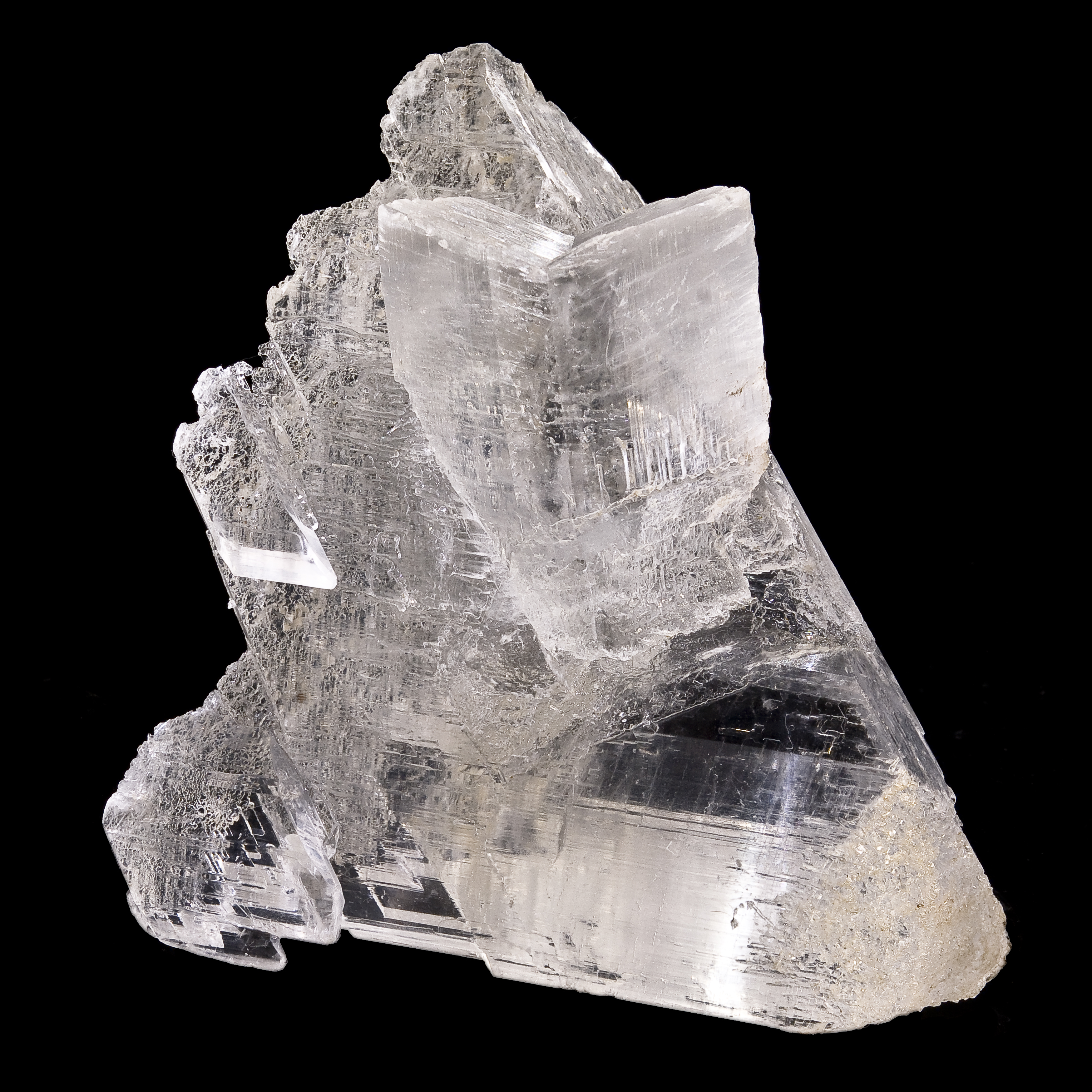
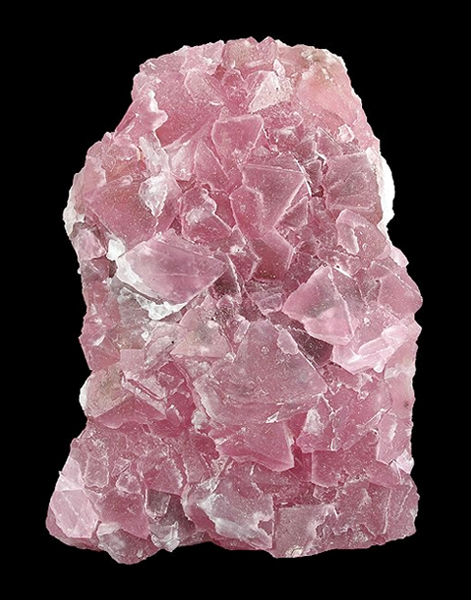
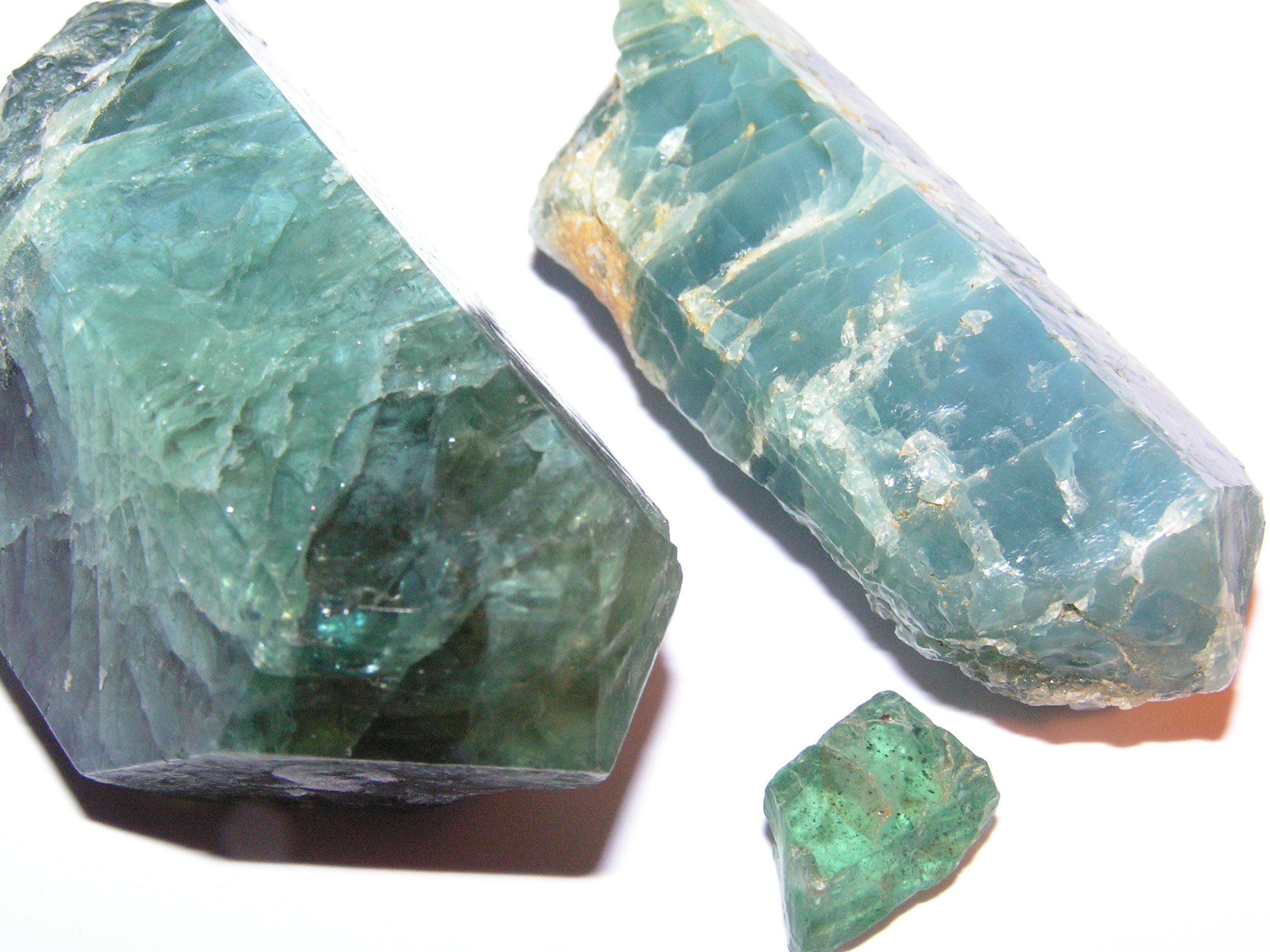
Some minerals can be softer, while others are much harder. To check hardness, scratch a mineral with a fingernail, nail, and steel file (or knife) and determine which objects can scratch the mineral.
To classify their minerals according to their hardness, we use the Mohs scale.
|
Hardness |
Hardness test |
Mineral |
|
|---|---|---|---|
|
1 |
Mineral breaks down under a fingernail |
Talc |
 |
|
2 |
Mineral scratchable by a fingernail |
Gypsum |
 |
|
3 |
Mineral scratchable by a penny |
Calcite |
 |
|
4 |
Mineral lightly scratchable by a knife |
Fluorite |
 |
|
5 |
Mineral scratchable by a knife |
Apatite |
 |
|
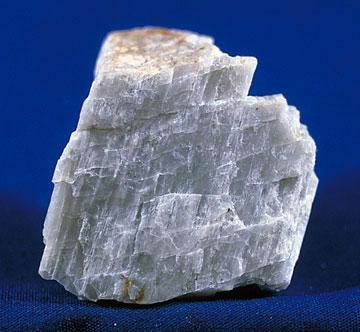
6 |
Mineral scratchable by a file |
Feldspar |
 |
|
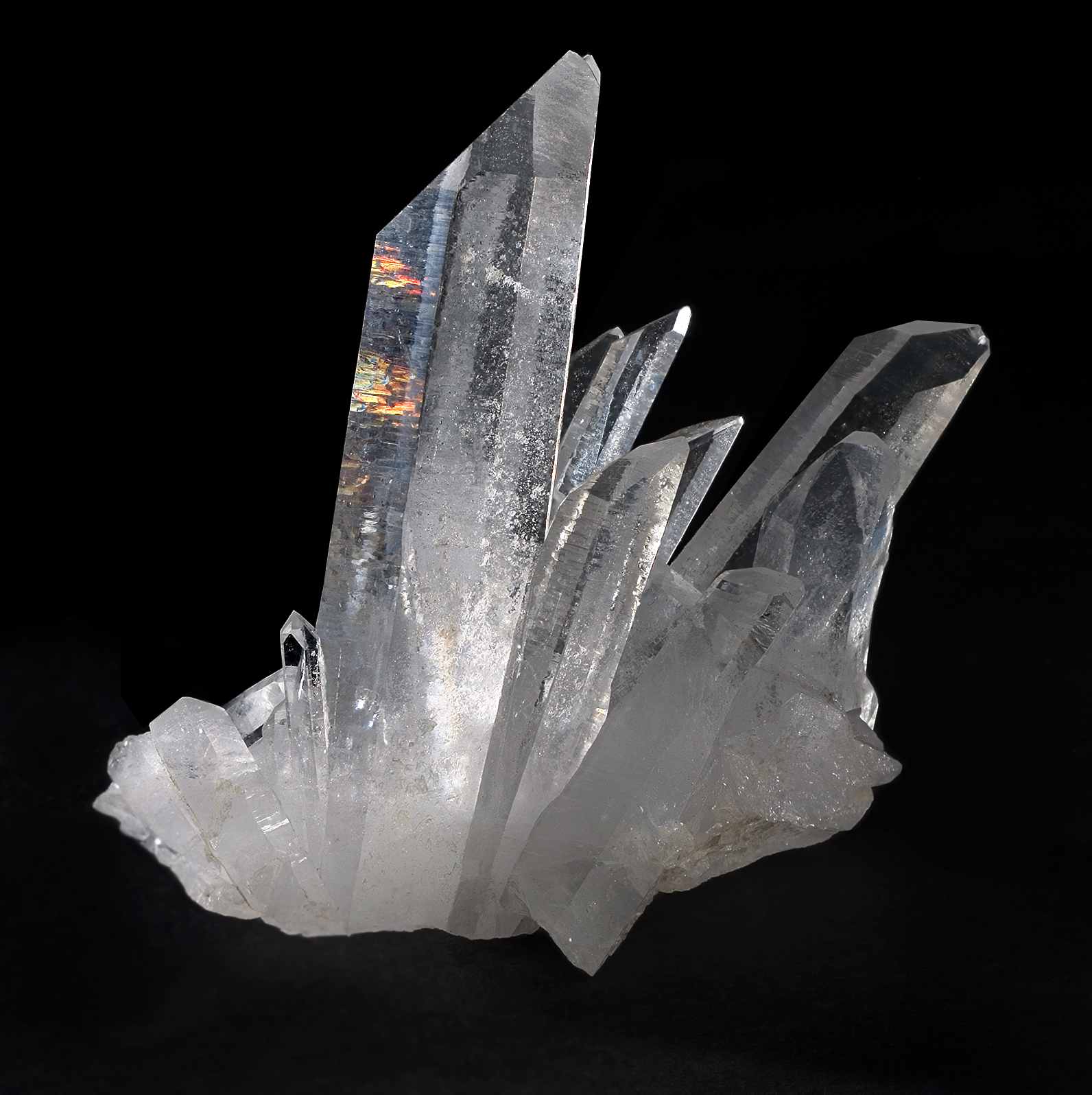
7 |
Mineral that can scratch glass |
Quartz |
 |
|
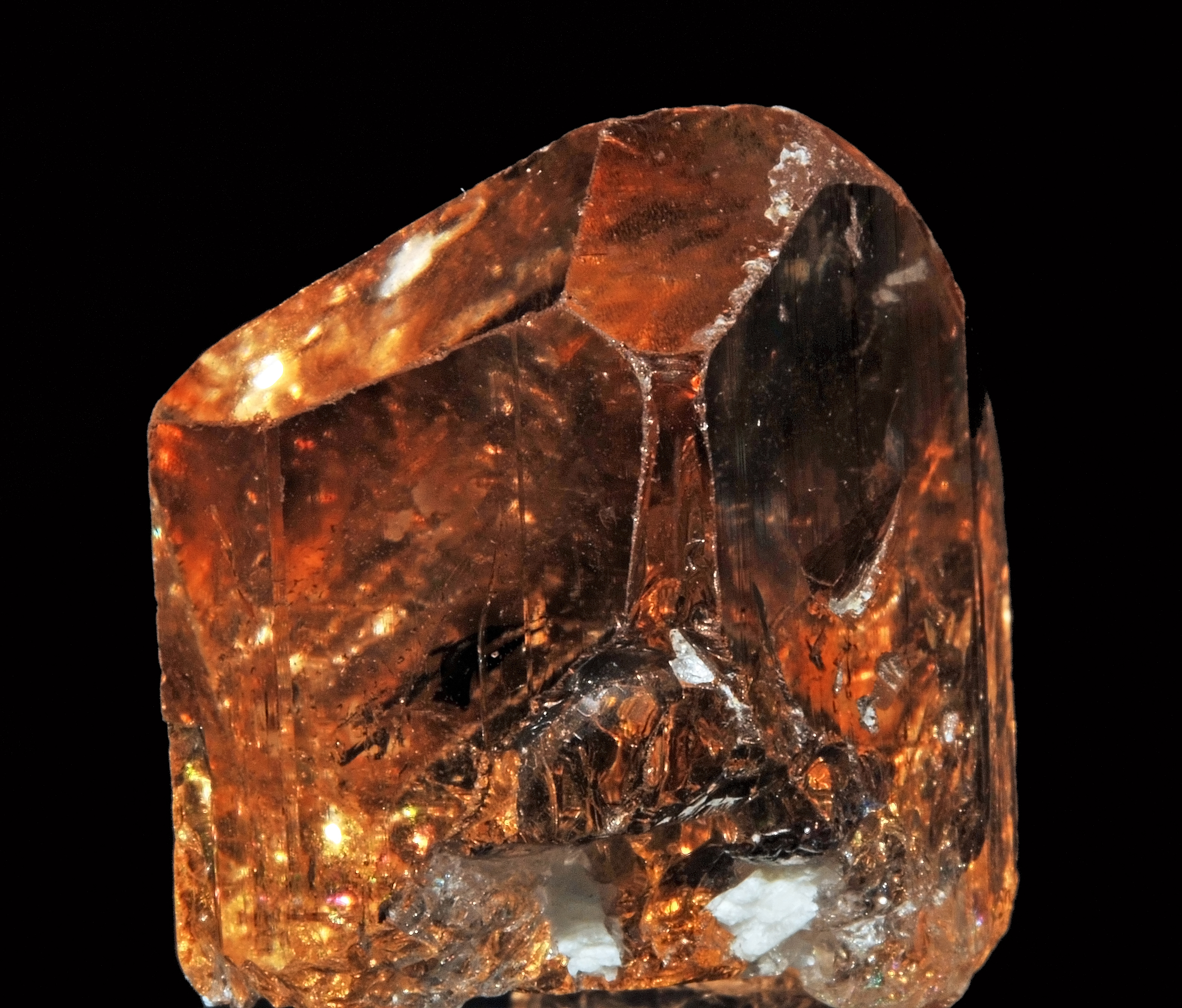
8 |
Mineral scratchable by tungsten |
Topaz |
 |
|
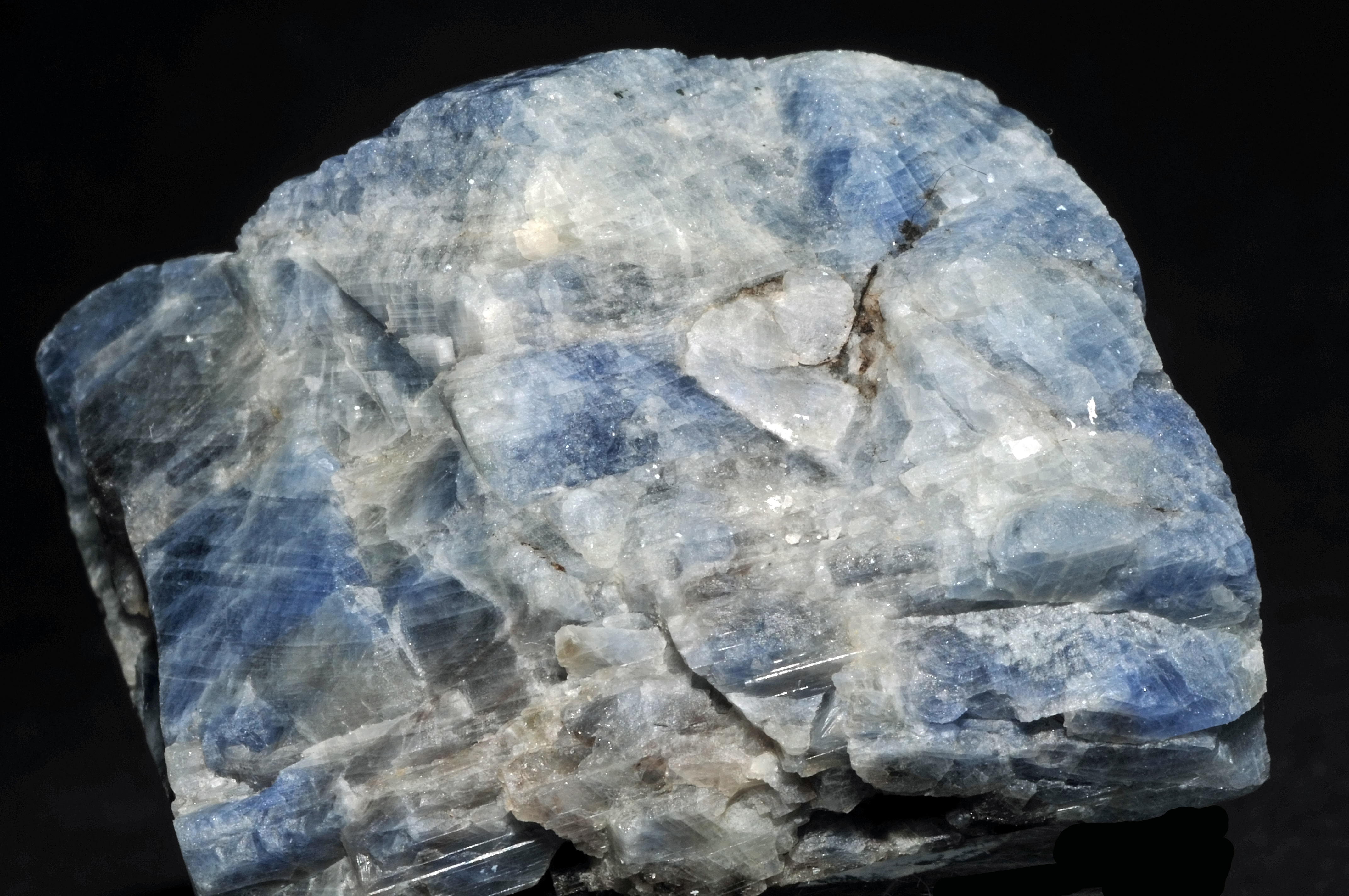
9 |
Mineral scratchable by silicon |
Corundum |
 |
|
10 |
Mineral scratchable by another diamond |
Diamond |
 |
Only four types of gemstones can be found in the world. However, when visiting a jewelry store or a boutique selling collectible minerals, there seems to be an endless number of them.
However, to earn the title of gemstone, a mineral must have the following characteristics:
according to the Mohs scale, the hardness of a gemstone should range between 7.5 and 10;
only one crystal is found in the gemstone;
the gemstone must be aesthetically beautiful with respect to its colour and must be rare.
Gemstones are weighed in carats. One carat is equivalent to |200| mg of the mineral.
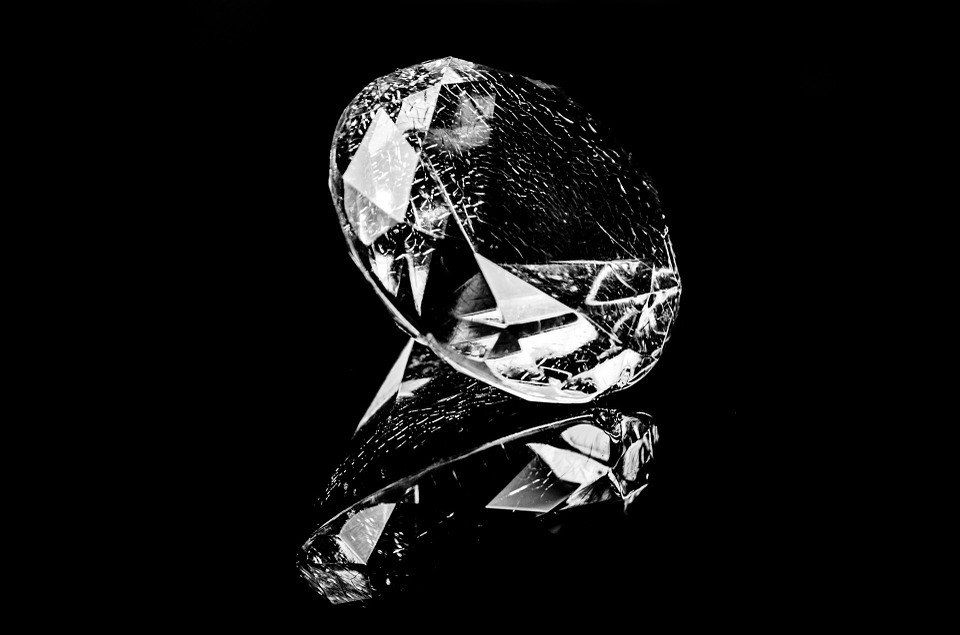
Here is a table that summarizes the main properties of the four gemstones available in the world.
|
Name of gemstone |
Colour |
Hardness (according to the Mohs scale) |
Chemical composition |
Usages |
|---|---|---|---|---|
|
Diamond 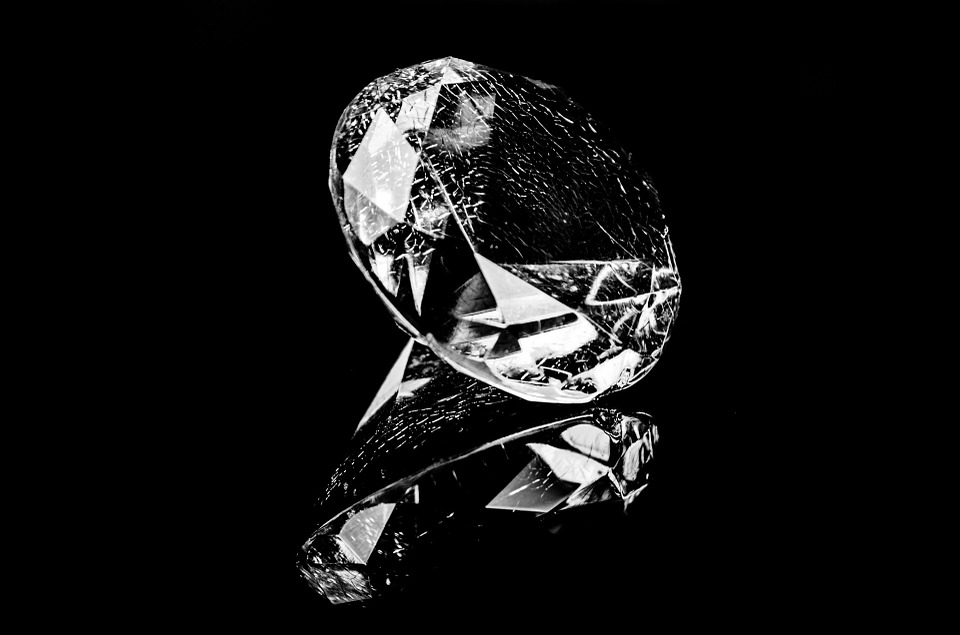 |
Transparent |
10 |
Carbon |(C)| |
Jewelry, ophthalmic scalpels, electrodes |
|
Sapphire 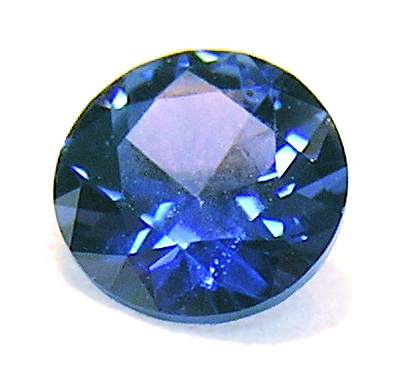 |
Blue |
9 |
Aluminum oxide |(Al_{2}O_{3})| |
Jewelry |
|
Ruby 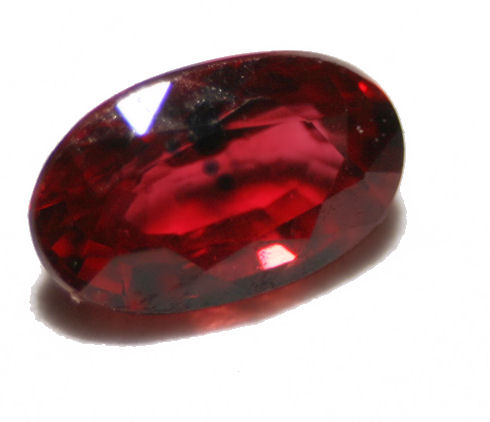 |
Red |
9 |
Aluminum oxide |(Al_{2}O_{3})| |
Jewelry, watchmaking, lasers |
|
Emerald 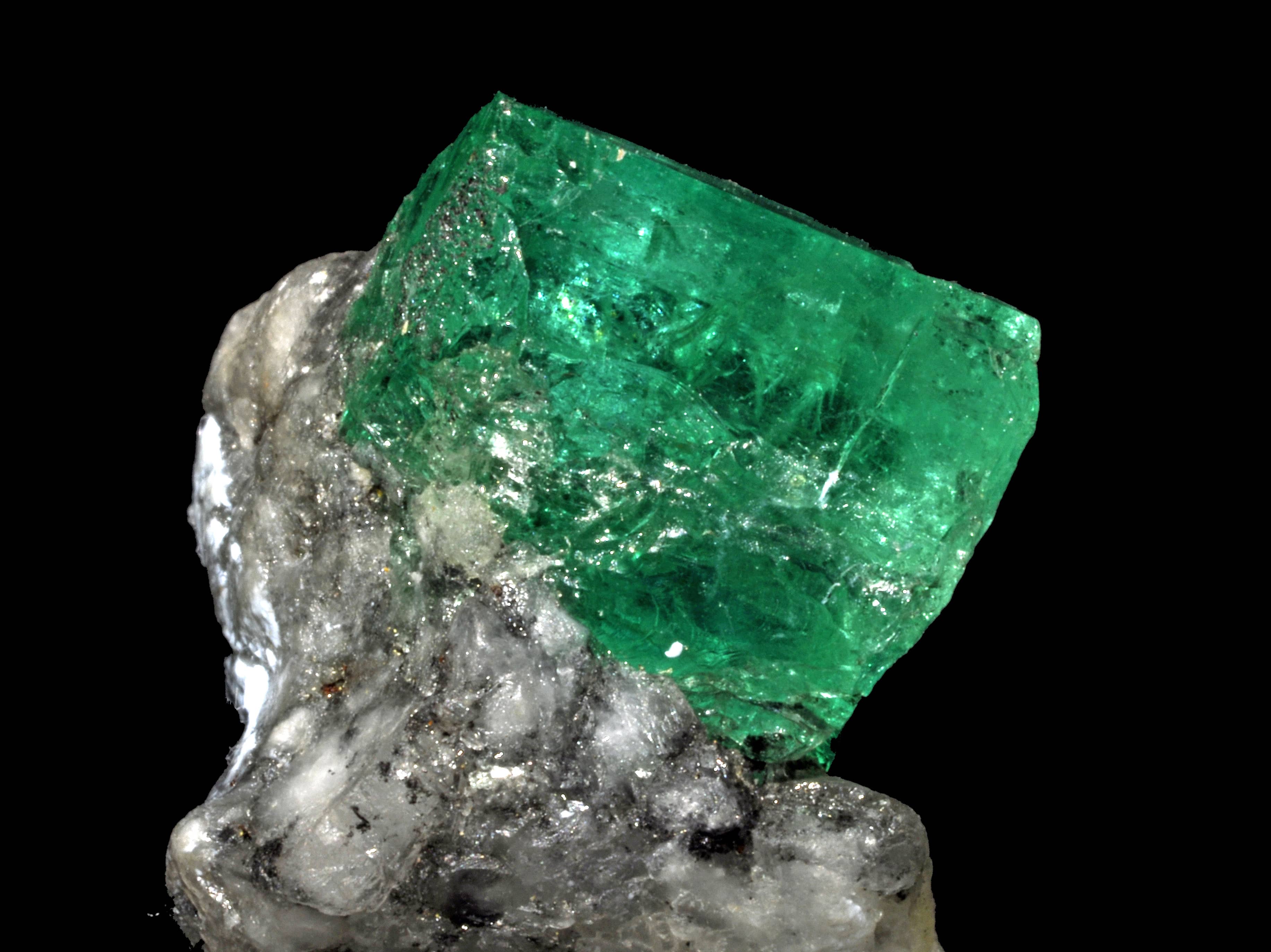 |
Green |
7.5 |
Aluminum and beryllium silicate |(Be_{3}Al_{2}(Si_{6}O_{18}))| |
Jewelry |
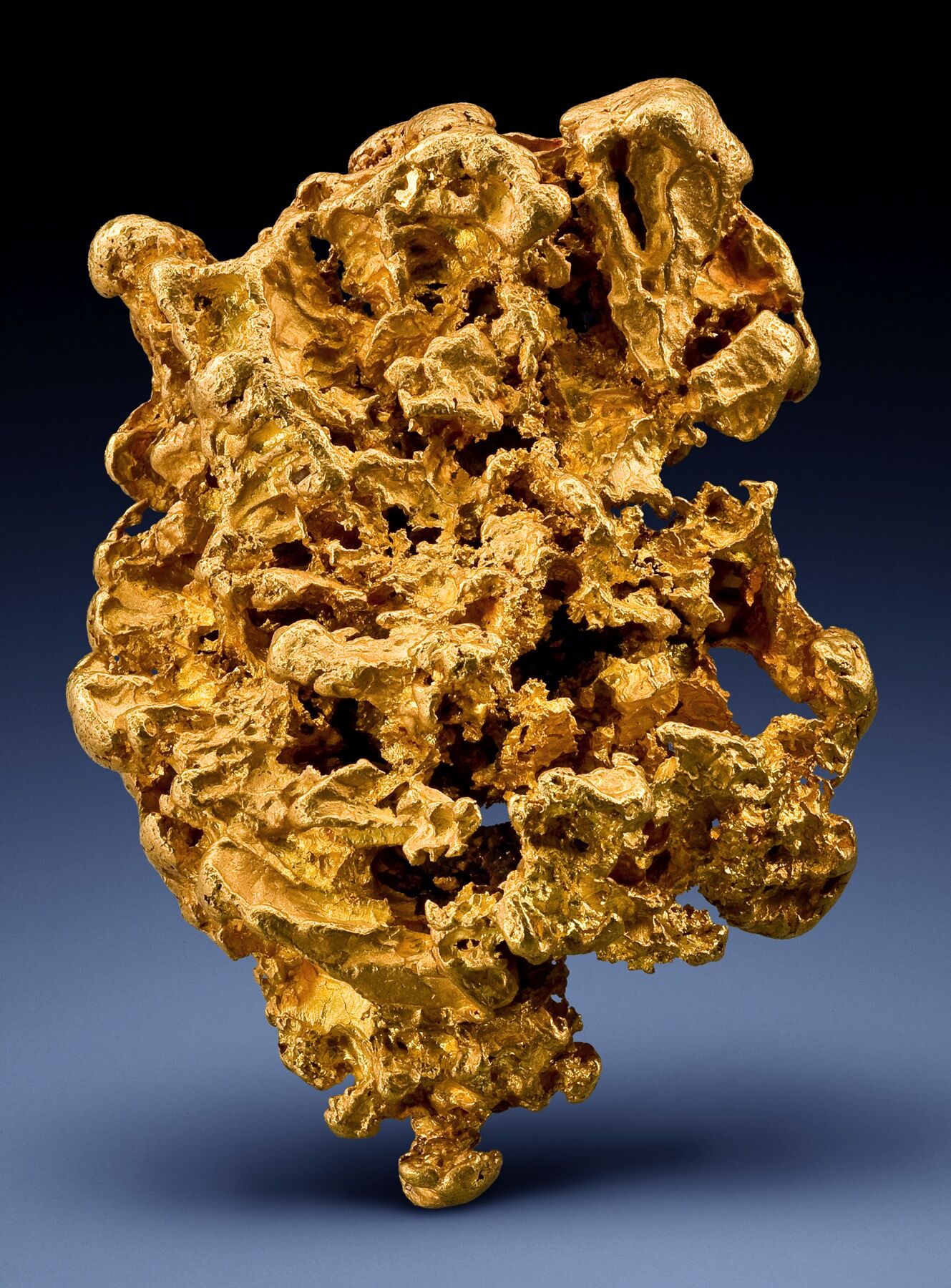
As can be seen, gold, garnet, topaz, quartz, amethyst, and turquoise are not gemstones. In fact, gold is a metal. Metals, like gold and silver, are not gemstones. As for other stones, they belong to the semi-precious stones category.
To be considered a semi-precious stone, the mineral must be quite hard and coarse; it must be transparent and of a beautiful hue. Finally, it must be relatively rare... or trendy.
A mineral is a natural inorganic substance, although sometimes of organic origin, which is distinguished from another type of mineral by its chemical composition. Each mineral is an arrangement of atoms according to a particular symmetry, thus forming a given crystal lattice (a single type of crystal).
There are over 4 000 different types of minerals. All minerals are usually found in a solid state, although they can be in a liquid state if subjected to high temperatures and pressures.
Unlike a rock, a mineral is a pure substance made up of identical elements. It is thus possible to identify minerals since they have specific properties. In addition, a mineral has only one dominant colour, although impurities are often found in samples.
The luster of a mineral represents the way in which light is reflected off the mineral’s surface.
The luster can be metallic (if it has a highly reflective or shiny surface), sub-metallic (if the surface is slightly reflective), or non-metallic (if the surface is not reflective).
Check a mineral’s luster by placing the sample under a light source and observe the mineral’s reflection.
The colour of the mineral is its predominant colour without taking into account impurities.
To check the colour of the mineral, it is preferable (if possible) to break the mineral to note the observable colours on the breakage.
The colour of a mineral does not always identify a mineral. In fact, we define the colour in two ways:
idiochromatic mineral: the colour is invariable and characteristic, it is therefore used to identify the mineral;
allochromatic mineral: the colour is variable and depends on the impurities found in the mineral.
Malachite (left) is an example of an idiochromatic mineral while fluorite (right) is an allochromatic mineral.
Transparency is the property of minerals to transmit incident light.
The more translucent a mineral, the more light it lets pass through — although objects can appear blurry when looking through the mineral.
To observe the transparency of a mineral, it is necessary to observe an object through a mineral and determine how blurry the observed object is or not.
The refractive index is a material property that describes how the material affects the speed of light travelling through it.
Iceland spar, a form of calcite, is a mineral that has the particularity of causing double refraction. Light is deviated in two ways as it passes through this mineral. It therefore produces the image in double.

The deviation of light rays through Iceland spar (calcite)
The streak colour is the colour of the trace left by a mineral after being rubbed on an unglazed porcelain plate.
To determine the colour of the streak, rub the mineral on an unglazed porcelain plate and note the observed colour.
Pyrite (left) produces a brownish-black streak while rhodochrosite produces a white streak.
Effervescence is the ability of a mineral to react in the presence of an acid by producing bubbles (gas).
These bubbles are caused by the release of a gas produced by the chemical reaction of the mineral and the acid. This phenomenon is seen in minerals composed of carbonates.
To check whether the mineral is effervescent, just place one drop or two of hydrochloric acid on the mineral and observe if bubbles appear.
Calcite produces effervescence when acid is placed on its surface.
Other chemical properties that can be tested in the laboratory include:
photoluminescence, which is the ability of certain minerals to transform chemical energy into light;
colouring under flame, which is the reaction of certain minerals to the heat of a flame by emitting light of a given colour. The colour produced is characteristic of the chemical composition of the mineral;
chemical composition, used to determine the grouping of chemical elements presented by means of a chemical formula;
solubility in water, the property of the mineral to dissolve or not in water.
Hardness is the resistance of the mineral to scratches.
Some minerals can be softer, while others are much harder. To check hardness, scratch a mineral with a fingernail, nail, and steel file (or knife) and determine which objects can scratch the mineral.
To classify their minerals according to their hardness, we use the Mohs scale.
|
Hardness |
Hardness test |
Mineral |
|
|---|---|---|---|
|
1 |
Mineral breaks down under a fingernail |
Talc |
|
|
2 |
Mineral scratchable by a fingernail |
Gypsum |
|
|
3 |
Mineral scratchable by a penny |
Calcite |
|
|
4 |
Mineral lightly scratchable by a knife |
Fluorite |
|
|
5 |
Mineral scratchable by a knife |
Apatite |
|
|
6 |
Mineral scratchable by a file |
Feldspar |
|
|
7 |
Mineral that can scratch glass |
Quartz |
|
|
8 |
Mineral scratchable by tungsten |
Topaz |
|
|
9 |
Mineral scratchable by silicon |
Corundum |
|
|
10 |
Mineral scratchable by another diamond |
Diamond |
|
Cleavage is the property of certain minerals to break down, forming flat, smooth surfaces.
Fracture is the property of some minerals to break irregularly in all directions, without a flat surface.
To study cleavage, it is necessary to subject a mineral to an impact and analyze the breakage in the crystal structure.
Fluorite exhibits a characteristic cleavage.
Density is the characteristic property that represents the ratio between the amount of matter of a mineral and its volume.
Magnetism is the property that certain minerals have of attracting a magnet.
To test the magnetism of a mineral, it is necessary to approach a magnet to a mineral and check whether there is attraction or repulsion between the mineral and the magnet.
Other physical properties can be used to identify a mineral:
relative density is the comparison of the density of a mineral to the density of quartz (which is approximately |2.7| g/ml);
touch is the sensation experienced when running one’s hand over the mineral (rough, soft, etc.).
Only four types of gemstones can be found in the world. However, when visiting a jewelry store or a boutique selling collectible minerals, there seems to be an endless number of them.
However, to earn the title of gemstone, a mineral must have the following characteristics:
according to the Mohs scale, the hardness of a gemstone should range between 7.5 and 10;
only one crystal is found in the gemstone;
the gemstone must be aesthetically beautiful with respect to its colour and must be rare.
Gemstones are weighed in carats. One carat is equivalent to |200| mg of the mineral.
Here is a table that summarizes the main properties of the four gemstones available in the world.
|
Name of gemstone |
Colour |
Hardness (according to the Mohs scale) |
Chemical composition |
Usages |
|---|---|---|---|---|
|
Diamond |
Transparent |
10 |
Carbon |(C)| |
Jewelry, ophthalmic scalpels, electrodes |
|
Sapphire |
Blue |
9 |
Aluminum oxide |(Al_{2}O_{3})| |
Jewelry |
|
Ruby |
Red |
9 |
Aluminum oxide |(Al_{2}O_{3})| |
Jewelry, watchmaking, lasers |
|
Emerald |
Green |
7.5 |
Aluminum and beryllium silicate |(Be_{3}Al_{2}(Si_{6}O_{18}))| |
Jewelry |
As can be seen, gold, garnet, topaz, quartz, amethyst, and turquoise are not gemstones. In fact, gold is a metal. Metals, like gold and silver, are not gemstones. As for other stones, they belong to the semi-precious stones category.
To be considered a semi-precious stone, the mineral must be quite hard and coarse; it must be transparent and of a beautiful hue. Finally, it must be relatively rare... or trendy.