Subjects
Grades
In this concept sheet, you’ll discover what a star is, how to recognize constellations on a star finder, and lots of other fascinating things!
 100%
100%
 100%
100%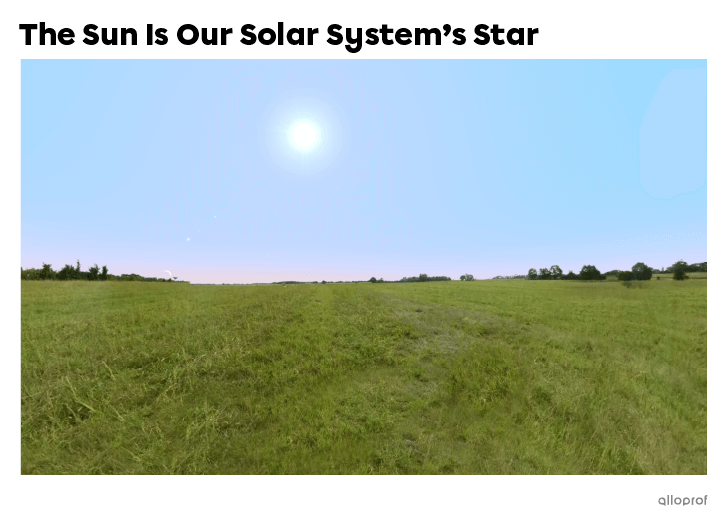 100%
100%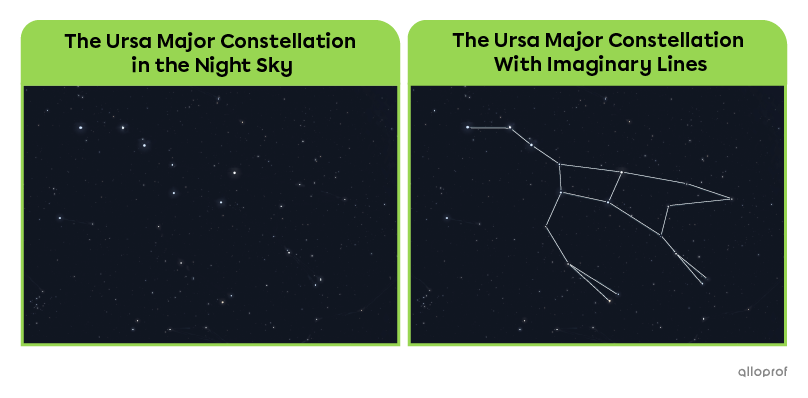 100%
100%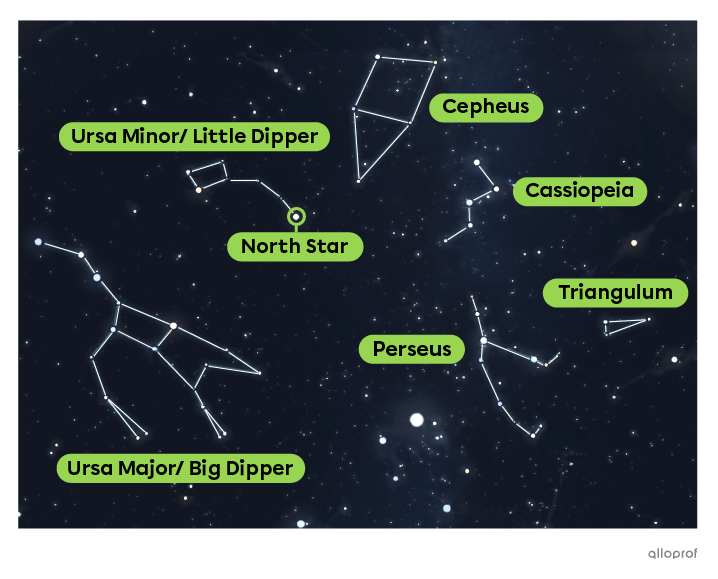 100%
100%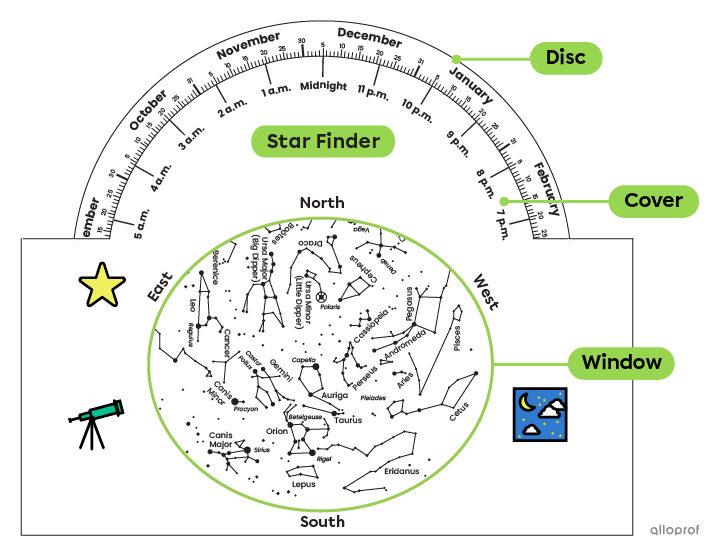 100%
100%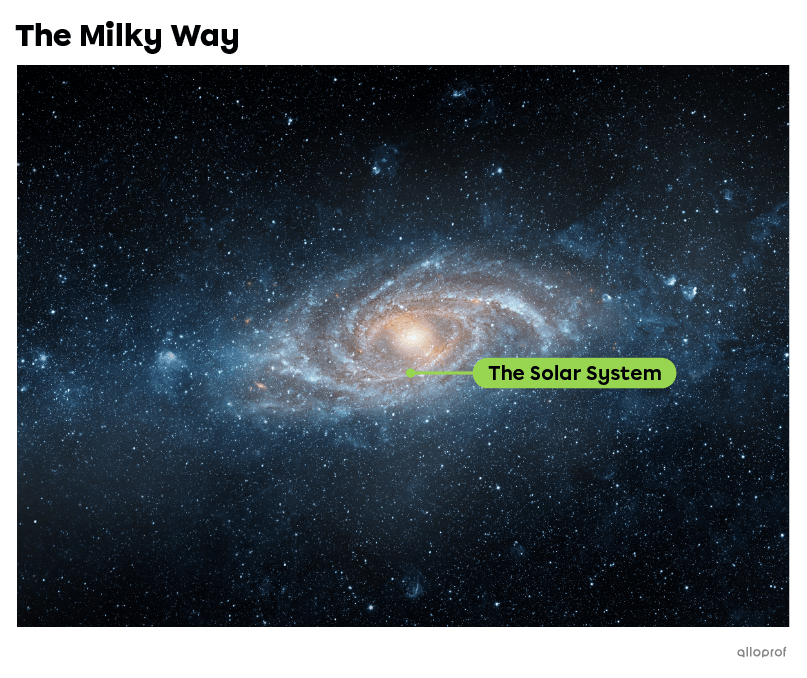 100%
100%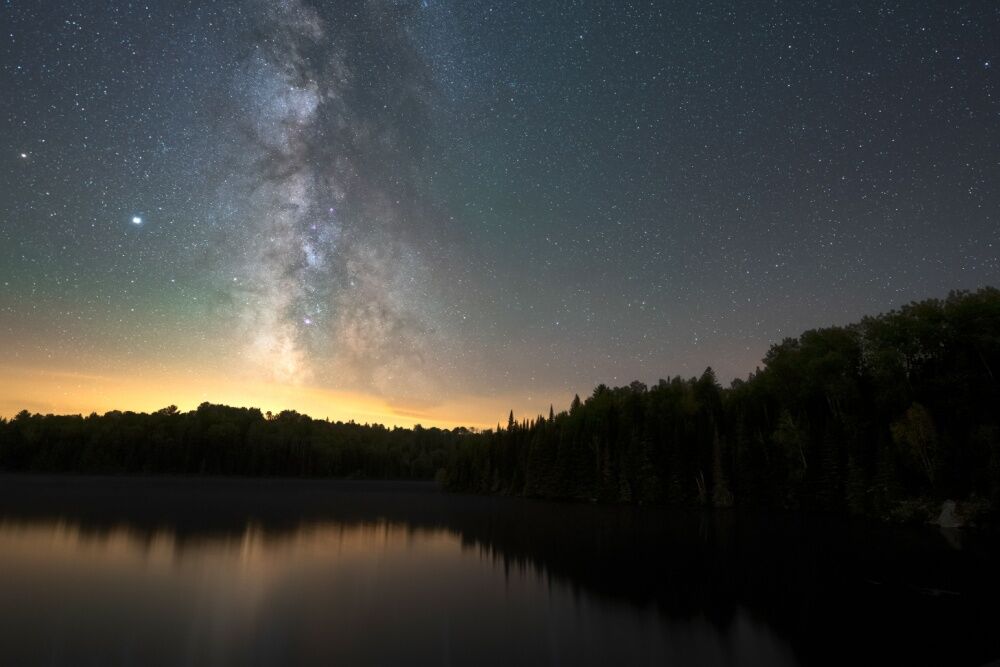

Moments in the video :
A star is a celestial body made of plasma that produces heat and light.
When you look up at the night sky, most of the points of light you see are stars. Even though they’re extremely far away from the Earth, you can still see their light.
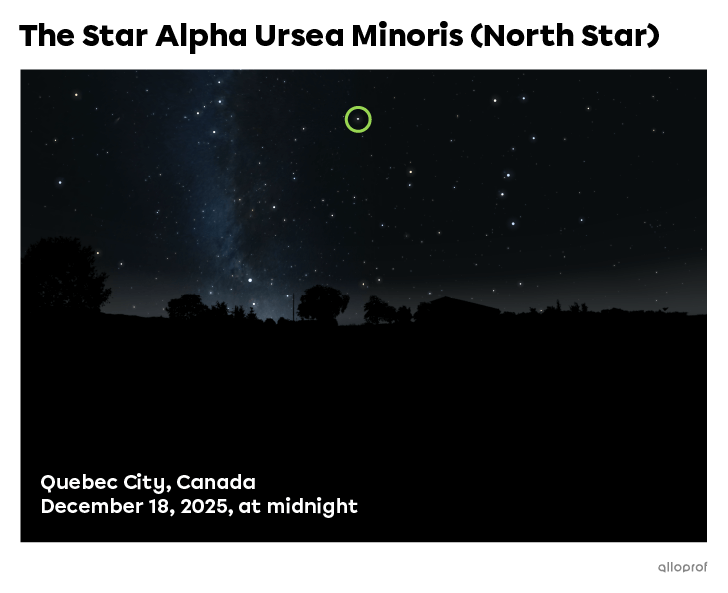
For example, Alpha Ursae Minoris is a star. Most people know it as the North Star or Polaris. Because of its position in the sky, this star is a reference point that shows you which way is north.

The star closest to Earth is the one at the centre of our solar system: the Sun. You can only see it during the day. Its light makes the sky bright blue, preventing you from seeing all the other stars.
A constellation is a group of stars that form a picture when they are connected by imaginary lines.
The pictures formed by constellations often refer to objects, animals, or mythological characters.
People came up with the constellations for several reasons: they help sailors navigate at sea, they help mark the seasons, and the are also used to tell stories and legends!
The following constellations are some of the ones you can see from your own home, right here in Quebec.
To locate stars and constellations in the sky, you can use a star finder.

Moments in the video :
A star finder is an astronomy tool that shows you what region of the sky is visible at a precise date and time.
A star finder has the following parts:
To use a star finder, go outside on a nice, cloudless evening and follow these steps.
The star at the centre of our solar system, the Sun, is part of a galaxy called the Milky Way. The Milky Way is shaped like a disc with spiral arms.
According to scientists, the Milky Way could have hundreds of billions of other stars orbiting its centre.
When you look up at the night sky, all the stars you see are part of the Milky Way, because we are inside that galaxy.
When there is no light pollution, you can even see a wide, bright band stretching right across the sky. This is the area of our galaxy that has the most stars visible from Earth. That zone is called the galactic plane.
The Milky Way’s galactic plane, photographed from Algonquin Provincial Park
Ontario, Canada