Matières
Niveaux
Vocabulary on the theme of travelling.
 100%
100%
 100%
100% 100%
100%
| luggage | The physical bags and suitcases a person uses when travelling. Often used as a synonym for baggage. |
| baggage | The bags, suitcases and other items people take travelling. The term used in airports. Often used as a synonym for luggage. |
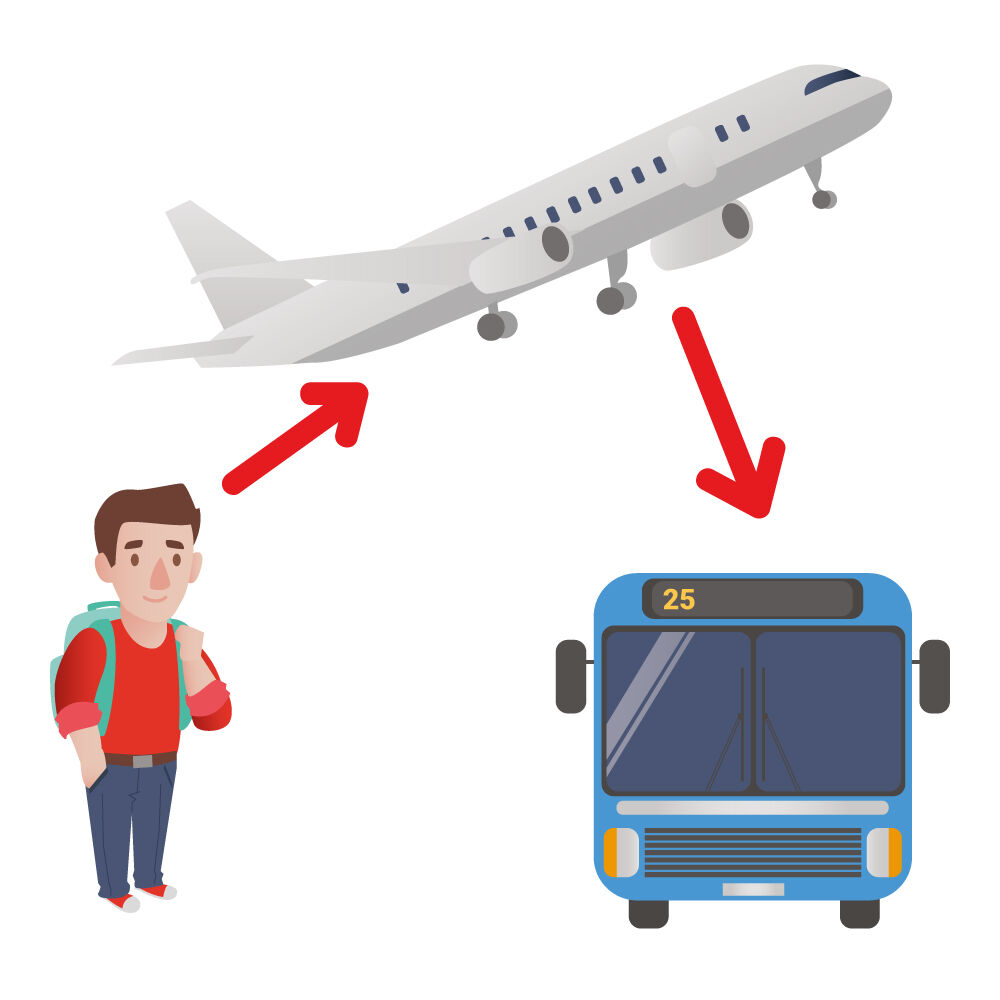
| destination | The place someone is going to. |
| travel insurance | Money paid to a company so that in the case of a lost item, sickness or injury, the company will pay for the related costs. |
| travel agent | A person whose job is to reserve vacations for other people (buying tickets, booking hotels). |
| booking | A reservation, for example for a hotel or flight. |
| itinerary | A travel plan that lists the dates, times, places and activities. |
| trip | A visit that involves travel and a return home after. |
| road trip | A long journey in a car, RV, or bus, where the driving is part of the vacation. |
| journey | The act of travelling from one place to another, which often takes a long time. |
| visa | An official document or stamp in a passport that gives someone permission to visit a country. |
| visa requirements | The official rules, conditions and documents you must provide to a country before being given permission to enter. |
| currency | The money used by a country to buy and sell things (for example, dollars $ or euros €). |
| culture | Way of life, food, art, and traditions shared by a group of people in a specific country or region. |
| traditions | Special practices or activities that a group of people pass down from generation to generation. |
| cuisine | Food and style of cooking from a specific region or country. |
| local | Something from a specific city or region. |
| foreign | Something or someone from a different place or country; not familiar. |
| public transportation | Buses, trains and more that anyone can pay to use to get around a city or country. |
| event | A special or important activity that is planned for a specific time and place. |
| festival | A special, organized celebration. |
| attraction | A famous, interesting or fun place that people want to visit. |
| experience | Anything you do or feel, like trying a new food or doing an activity. |
| landmark | A famous building or natural feature that is easy to see and recognize. |
| monument | A structure to honour an important person or something that happened in history. |
| wonder of the world | An impressive place tourists want to travel to see at least once in their life. There are usually 7 places on the official list. |
| getaway | A short vacation to take a break from daily life. |
| outdoors | Outside in the open air; in nature. |
| exploration | Travelling in a new place to learn about it and discover new things. |
| adventure | An exciting, unusual, sometimes dangerous situation or expedition. |
| to apply for | To officially ask for something like a passport or a visa, usually needing a person to fill in forms or send documents. |
| to attend | To go to an event, a place or a meeting. |
| to board | To enter a ship, bus, train or plane to start your journey. |
| to disembark | To get off a ship, train, bus or plane after you arrive at your destination. |
| to budget | To plan how much money you will spend and what you will spend it on. |
| to earn | To get something (like money, points, or rewards) because you worked for it or did what is needed to deserve it. |
| to collect | To bring together many things of the same type in one place; to pick up a person or an item. |
| to purchase | To buy something in exchange for money. |
| to exchange | To change money from one currency to another; to give something to someone and receive something else in return. |
| to haggle | To discuss or negotiate with the seller about the price of something before buying it. |
| to fasten | To close an item like a bag or a seat belt; to attach an item to something else. |
| to prohibit | To say that something is not allowed by law or rules. |
| to insure | To pay money to an insurance company so that if something gets lost, stolen, broken, or if you get sick, the company will pay for the related costs. |
| to ensure | To make sure that something will happen or that something is certain and safe. |
| to consult | To look at a map, book or guide to get information; to ask for advice, usually from an expert. |
| to locate | To find the exact place of something or someone. |
| to sightsee | To travel around a place to visit famous, interesting or beautiful sights and monuments. |
| to wander | To walk around slowly without a clear plan or destination. |
| to explore | To travel through a new or unfamiliar place to discover it and learn more about it. |



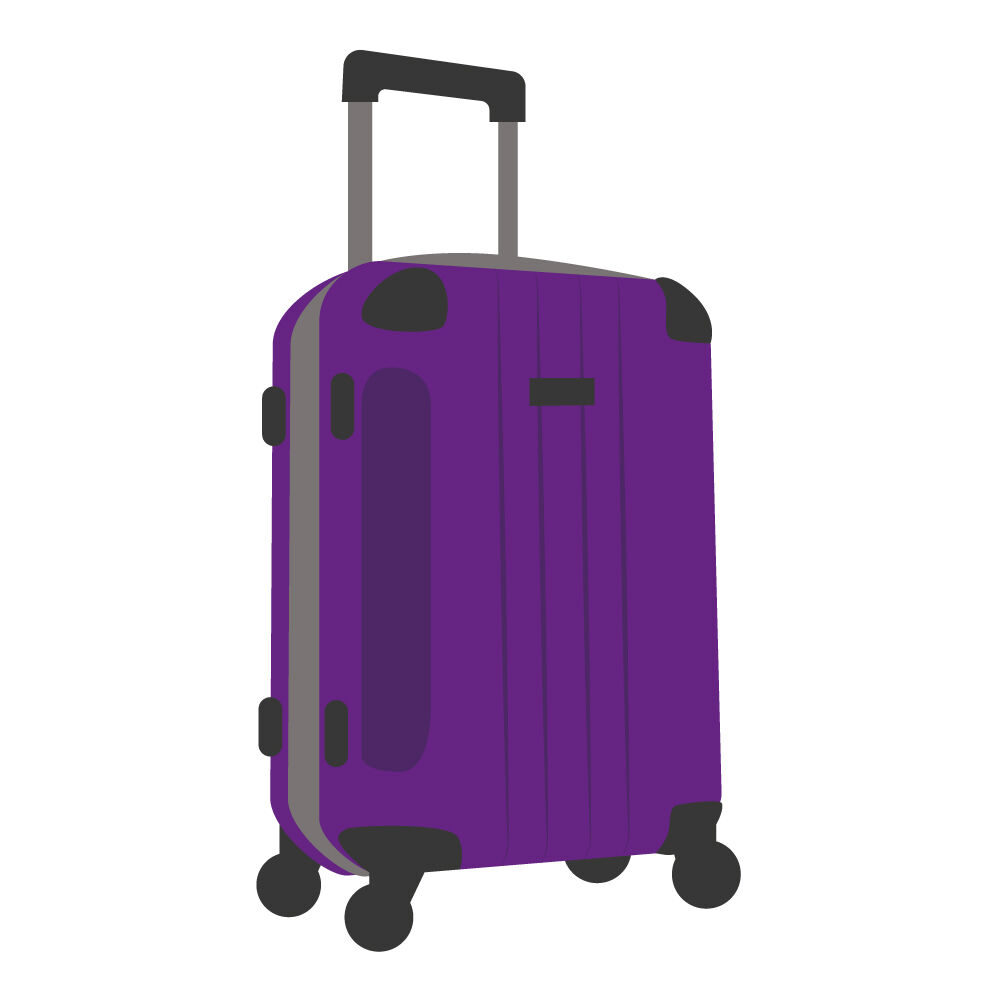
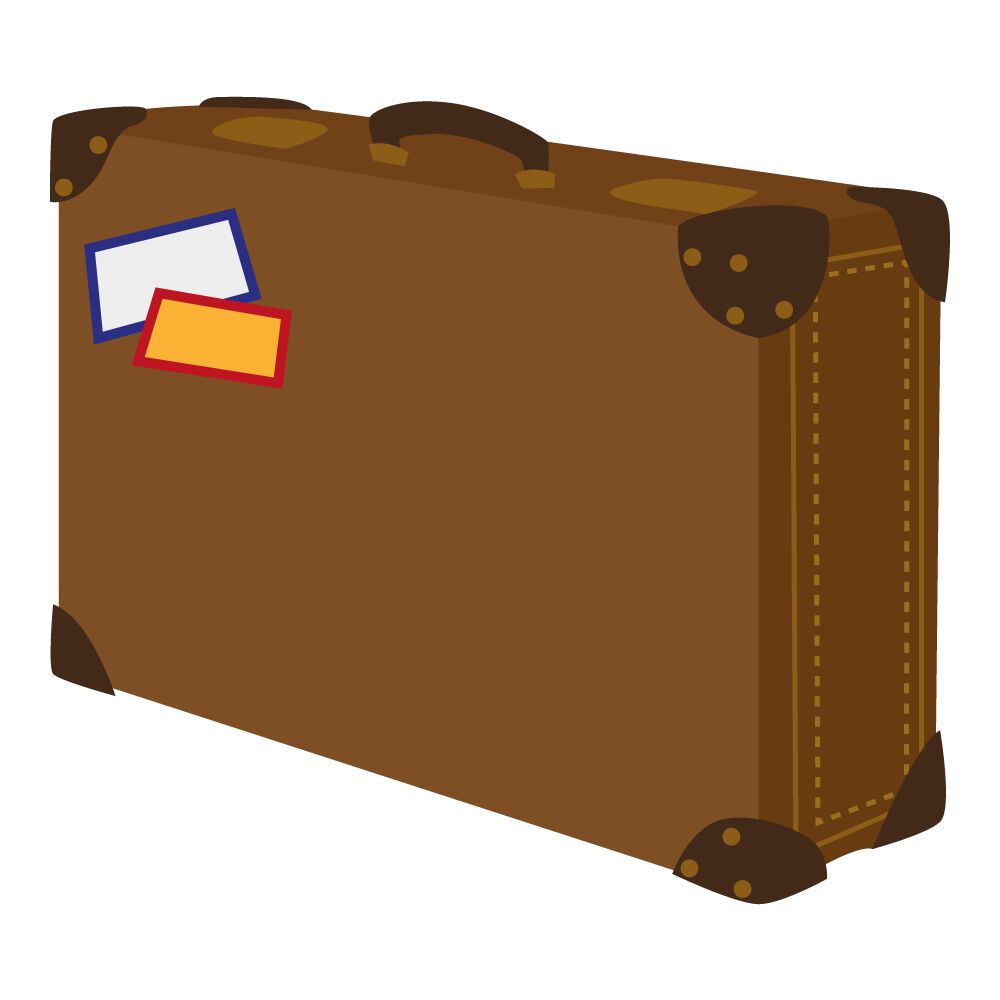
| luggage | The physical bags and suitcases a person uses when travelling. Often used as a synonym for baggage. |
| baggage | The bags, suitcases and other items people take travelling. The term used in airports. Often used as a synonym for luggage. |
| destination | The place someone is going to. |
| travel insurance | Money paid to a company so that in the case of a lost item, sickness or injury, the company will pay for the related costs. |
| travel agent | A person whose job is to reserve vacations for other people (buying tickets, booking hotels). |
| booking | A reservation, for example for a hotel or flight. |
| itinerary | A travel plan that lists the dates, times, places and activities. |
| trip | A visit that involves travel and a return home after. |
| road trip | A long journey in a car, RV, or bus, where the driving is part of the vacation. |
| journey | The act of travelling from one place to another, which often takes a long time. |
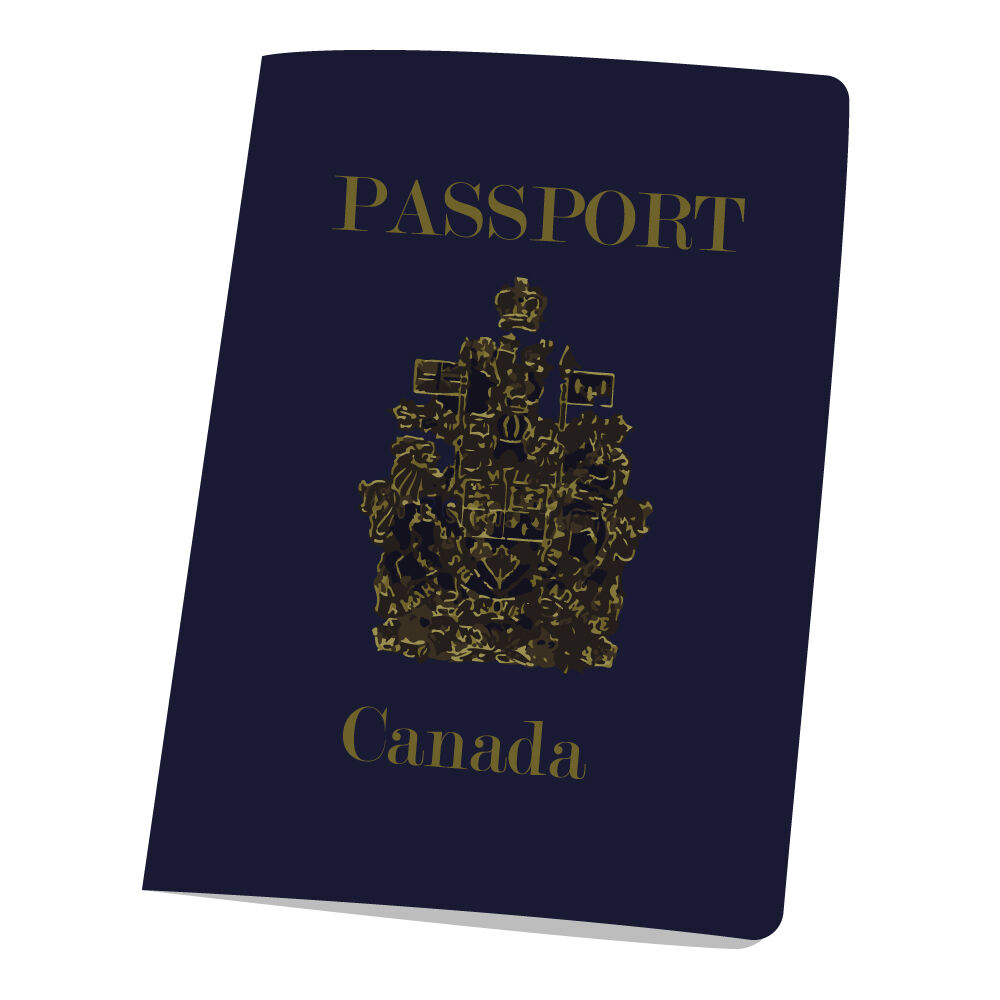
| visa | An official document or stamp in a passport that gives someone permission to visit a country. |
| visa requirements | The official rules, conditions and documents you must provide to a country before being given permission to enter. |
| currency | The money used by a country to buy and sell things (for example, dollars $ or euros €). |

*Receipt vs bill
A bill is what a business gives you to tell you how much money you owe.
A receipt is what you receive as proof of payment after you’ve paid.
| culture | Way of life, food, art, and traditions shared by a group of people in a specific country or region. |
| traditions | Special practices or activities that a group of people pass down from generation to generation. |
| cuisine | Food and style of cooking from a specific region or country. |
| local | Something from a specific city or region. |
| foreign | Something or someone from a different place or country; not familiar. |
| public transportation | Buses, trains and more that anyone can pay to use to get around a city or country. |
| event | A special or important activity that is planned for a specific time and place. |
| festival | A special, organized celebration. |
| attraction | A famous, interesting or fun place that people want to visit. |
| experience | Anything you do or feel, like trying a new food or doing an activity. |
| landmark | A famous building or natural feature that is easy to see and recognize. |
| monument | A structure to honour an important person or something that happened in history. |
| wonder of the world | An impressive place tourists want to travel to see at least once in their life. There are usually 7 places on the official list. |
| getaway | A short vacation to take a break from daily life. |
| outdoors | Outside in the open air; in nature. |
| exploration | Travelling in a new place to learn about it and discover new things. |
| adventure | An exciting, unusual, sometimes dangerous situation or expedition. |
| to apply for | To officially ask for something like a passport or a visa, usually needing a person to fill in forms or send documents. |
| to attend | To go to an event, a place or a meeting. |
| to board | To enter a ship, bus, train or plane to start your journey. |
| to disembark | To get off a ship, train, bus or plane after you arrive at your destination. |
| to budget | To plan how much money you will spend and what you will spend it on. |
| to earn | To get something (like money, points, or rewards) because you worked for it or did what is needed to deserve it. |
| to collect | To bring together many things of the same type in one place; to pick up a person or an item. |
| to purchase | To buy something in exchange for money. |
| to exchange | To change money from one currency to another; to give something to someone and receive something else in return. |
| to haggle | To discuss or negotiate with the seller about the price of something before buying it. |
| to fasten | To close an item like a bag or a seat belt; to attach an item to something else. |
| to prohibit | To say that something is not allowed by law or rules. |
| to insure | To pay money to an insurance company so that if something gets lost, stolen, broken, or if you get sick, the company will pay for the related costs. |
| to ensure | To make sure that something will happen or that something is certain and safe. |
| to consult | To look at a map, book or guide to get information; to ask for advice, usually from an expert. |
| to locate | To find the exact place of something or someone. |
| to sightsee | To travel around a place to visit famous, interesting or beautiful sights and monuments. |
| to wander | To walk around slowly without a clear plan or destination. |
| to explore | To travel through a new or unfamiliar place to discover it and learn more about it. |
(Coming soon)