Subjects
Grades
 100%
100%
 100%
100% 100%
100%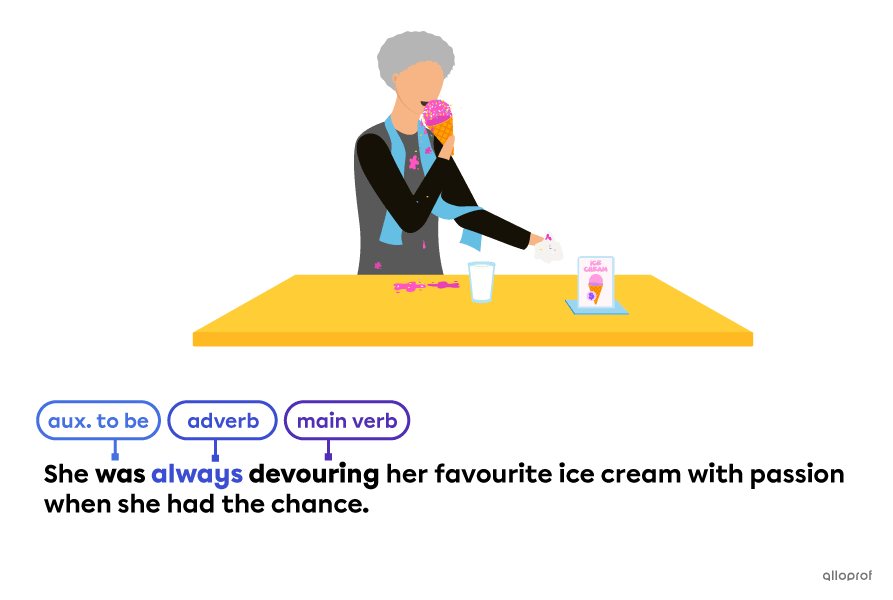 100%
100%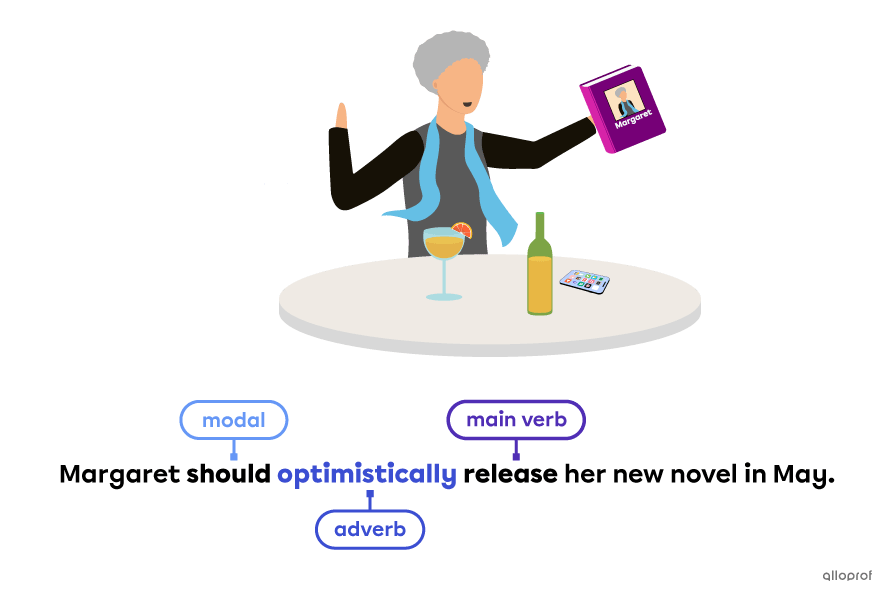 100%
100%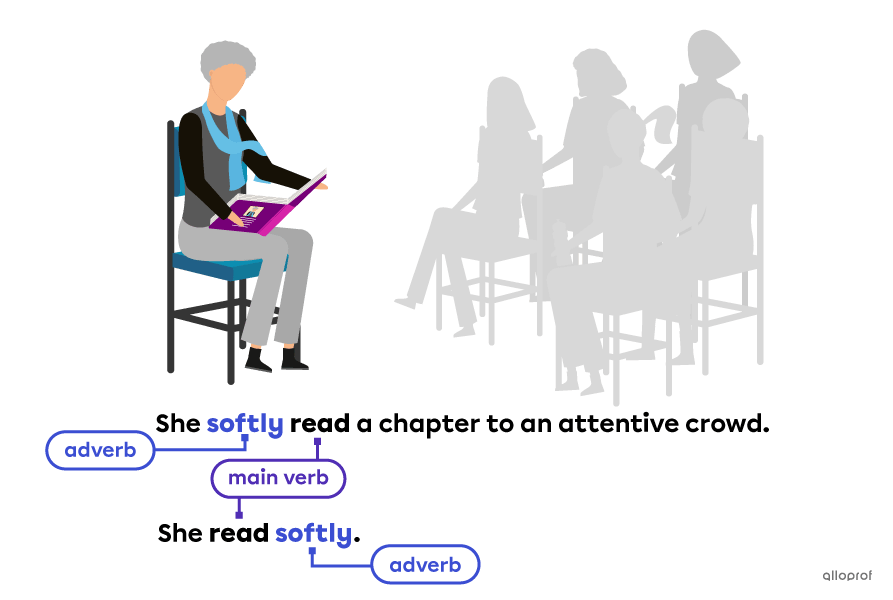 100%
100%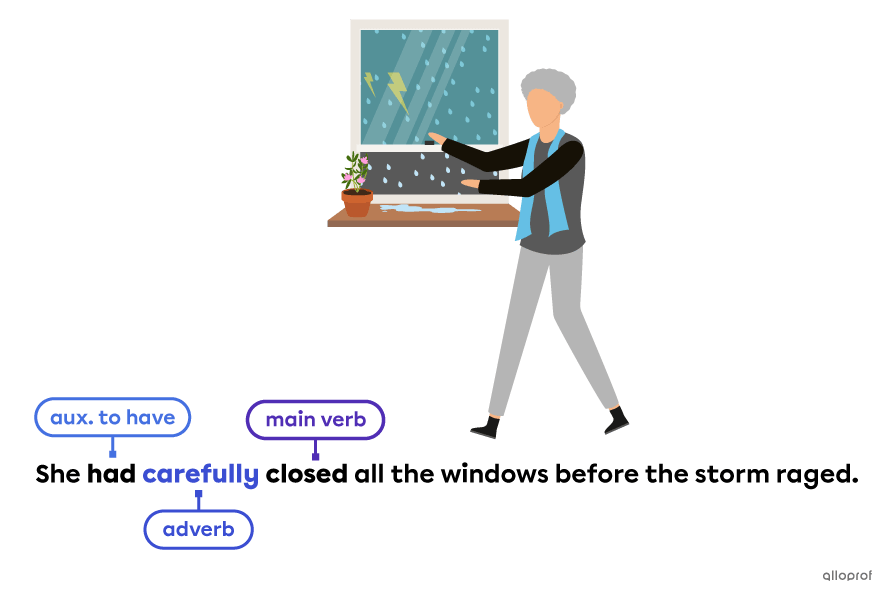 100%
100%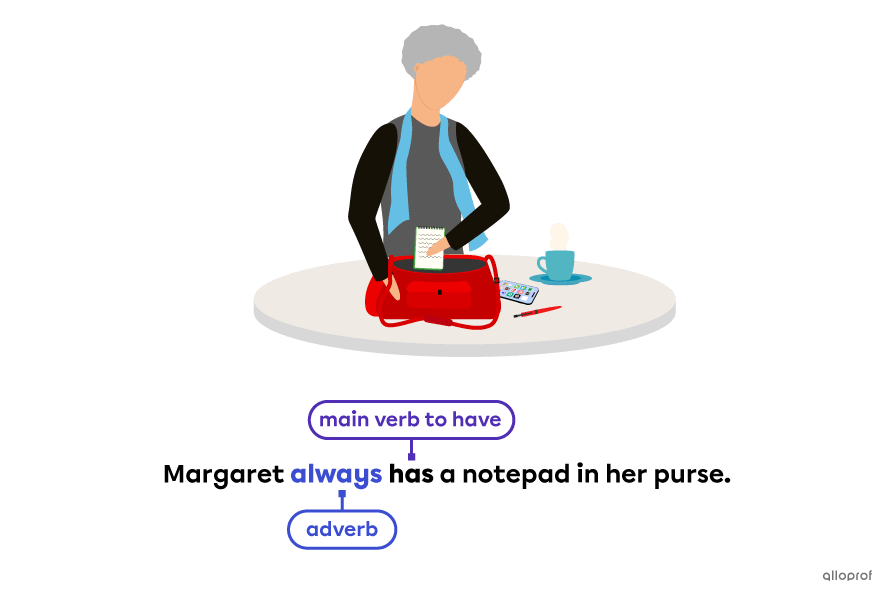
Adverbs indicate time, manner, place, frequency, purpose or degree.
Click on the individual pages for more information.
|
Types of Adverbs |
Examples |
|
Yesterday, Margaret finally completed her long-awaited project. |
|
|
She danced gracefully across the stage. |
|
|
The explorers ventured deep into the dense jungle. |
|
|
Margaret rarely eats fast food. |
|
|
She wrote all night in order to complete her chapter. |
|
|
She sang loudly. |
Adverbs are words that modify verbs, adjectives, other adverbs, parts of sentences or even entire sentences.
They indicate time, manner, place, frequency, purpose or degree; they answer questions such as when?, how?, where?, how often?, and why?
Many adverbs are easy to identify in a sentence because of their -ly ending.
|
Adverb example |
Function |
|
The author quickly wrote a few notes this morning. |
quickly modifies the verb wrote |
|
indicates how fast the notes were written |
|
|
Unfortunately, she had the blank page syndrome. |
unfortunately modifies the entire sentence |
|
indicates how it was |
|
|
Margaret drank a coffee and ideas came easily. |
easily modifies the verb came |
|
indicates how easy ideas came to Margaret |

However, some adverbs do not finish in -ly. So, you must pay attention to words modifying other words such as adjectives, verbs or other adverbs, but not nouns.
|
Adverb example |
Function |
|
She was looking for her glasses, but she couldn’t find them anywhere. |
anywhere modifies the verb find |
|
indicates where she couldn’t find her glasses |
|
|
Margaret never liked to lose her glasses. |
never modifies the verb liked |
|
indicates how often she liked losing her glasses |
|
|
Last year was a difficult year for her. |
last year modifies the entire sentence |
|
indicates when it was difficult for her |
Most adverbs are formed by adding -ly at the end of an adjective.
|
Adjective |
Adverb |
|
close |
closely |
|
normal |
normally |
|
strict |
strictly |
When the adjective ends in -y, replace the y by -ily.
|
Adjective |
Adverb |
|
angry |
angrily |
|
easy |
easily |
|
lazy |
lazily |
When the adjective ends in -ic, add -ally.*
|
Adjective |
Adverb |
|
basic |
basically |
|
energetic |
energetically |
|
sympathetic |
sympathetically |
*The adjective public is an exception, it becomes publicly.
When the adjective ends in -able, -ible, or -le, replace the -e by -y.
|
Adjective |
Adverb |
|
gentle |
gently |
|
questionable |
questionably |
|
terrible |
terribly |
The position of adverbs in sentences can vary. It can be:
at the beginning or at the end of the sentence or clause.
in the middle of the sentence or clause.
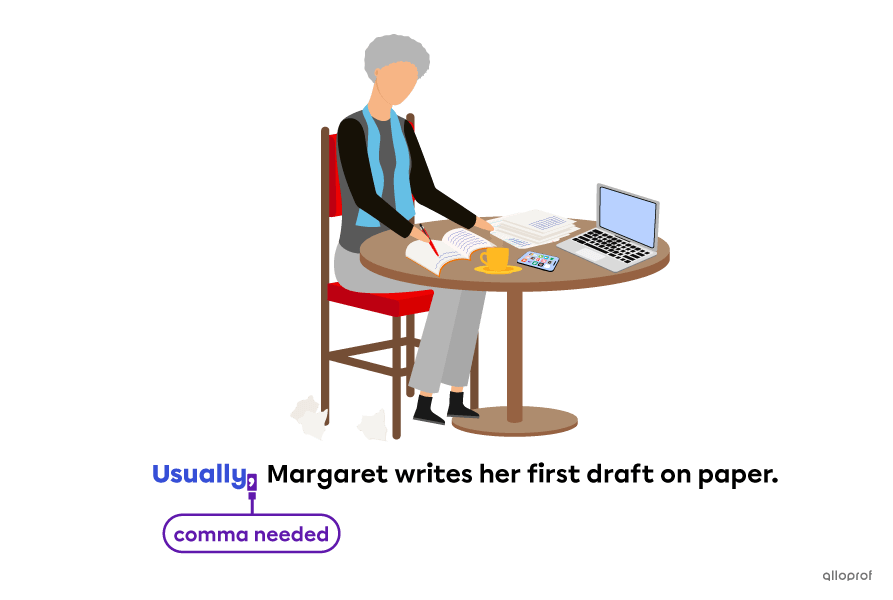
When adverbs are placed at the beginning of the sentence or clause, they often need a comma to separate them from the rest of the sentence.
The adverb usually modifies the entire sentence and tells us how frequently Margaret writes her first draft on paper.
When adverbs are placed at the end of a sentence or a clause, they don’t need a comma.
The adverb today tells us when Margaret is finishing her day.
Some points to remember when placing an adverb in the middle of a sentence or a clause:
The adverb follows the auxiliary to have or to be.
The adverb goes between the modal and the main verb.
The adverb can be in front of the verb or after the verb.
When to have is used as the main verb, place the adverb in front of the verb to have.
Adverbs indicate time, manner, place, frequency, purpose or degree.
Click on the individual pages for more information.
|
Types of Adverbs |
Examples |
|
Yesterday, Margaret finally completed her long-awaited project. |
|
|
She danced gracefully across the stage. |
|
|
The explorers ventured deep into the dense jungle. |
|
|
Margaret rarely eats fast food. |
|
|
She wrote all night in order to complete her chapter. |
|
|
She sang loudly. |