Subjects
Grades
 100%
100%
 100%
100%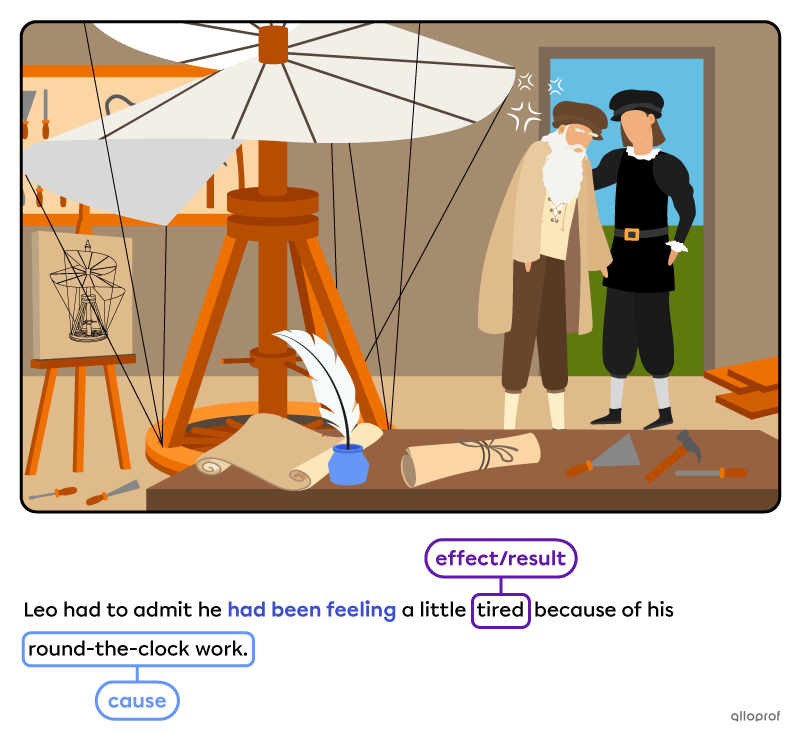 100%
100%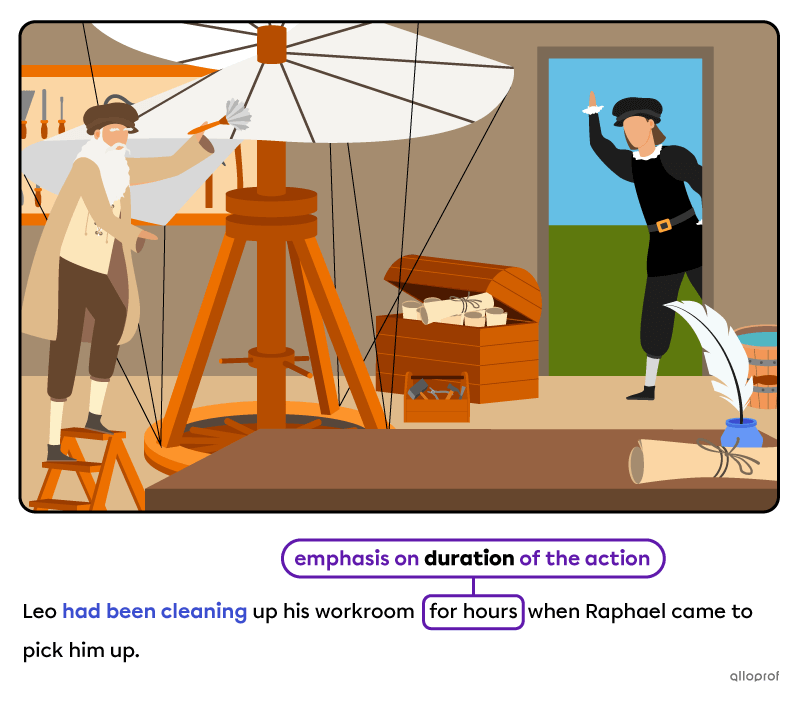 100%
100%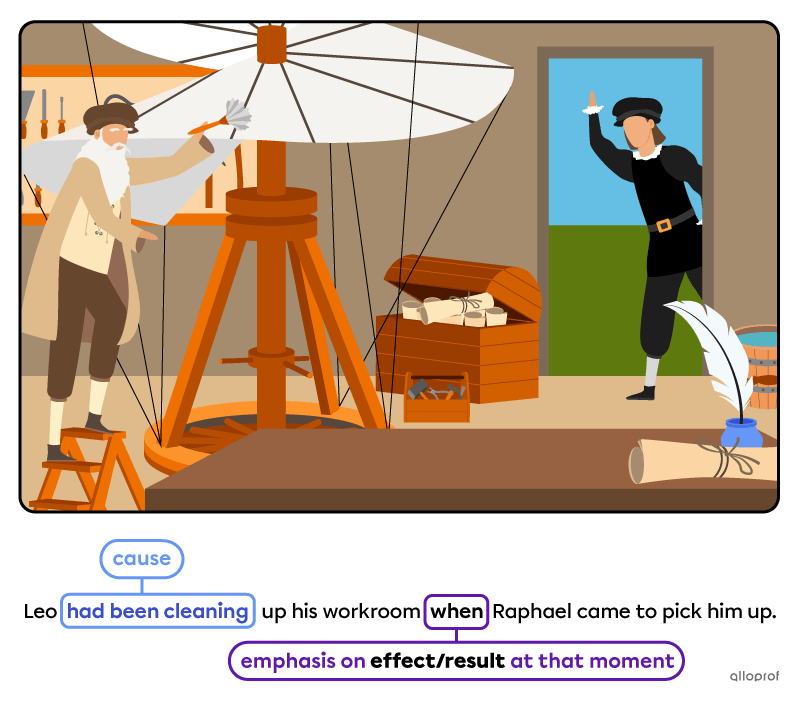 100%
100%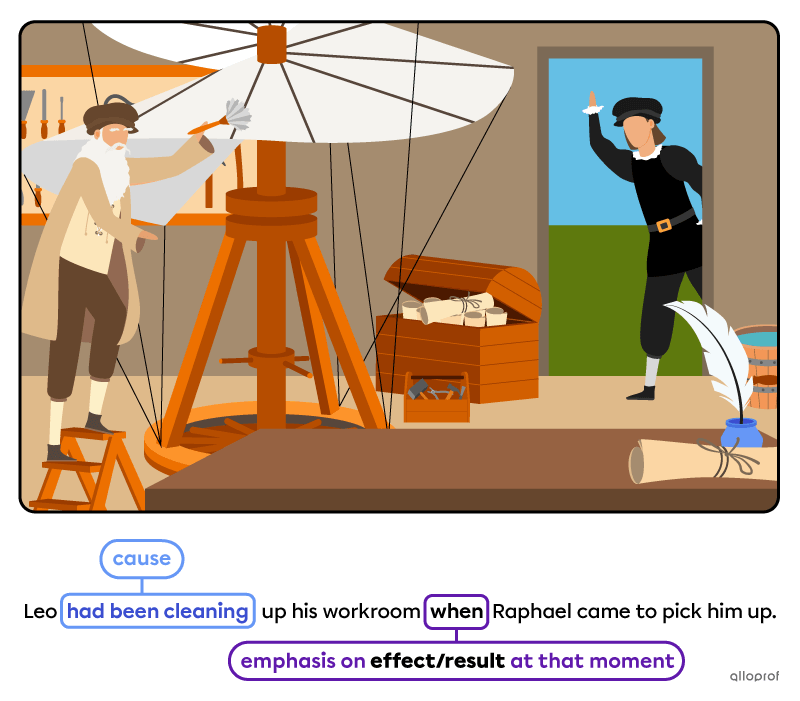 100%
100% 100%
100% 100%
100%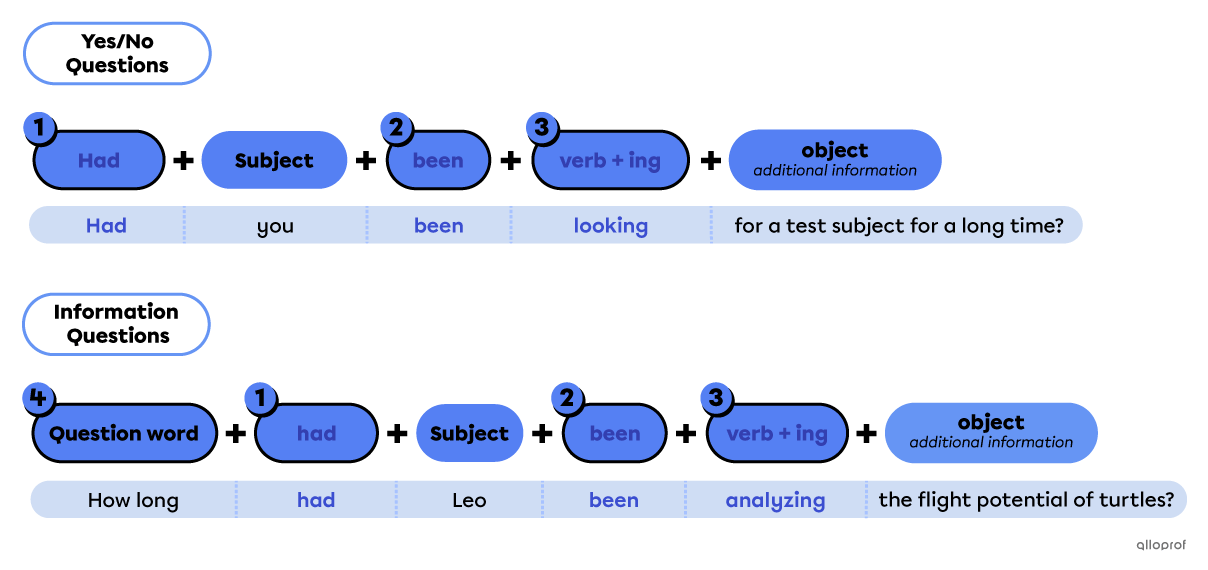 100%
100%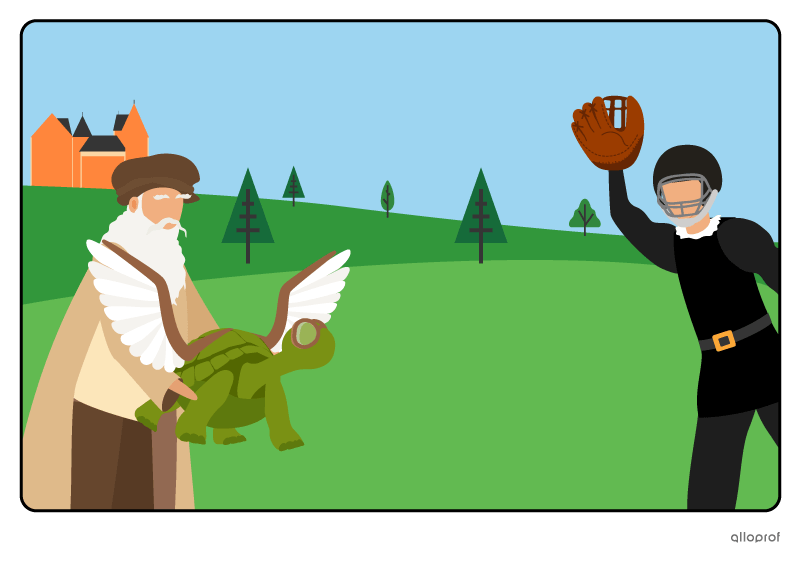 100%
100%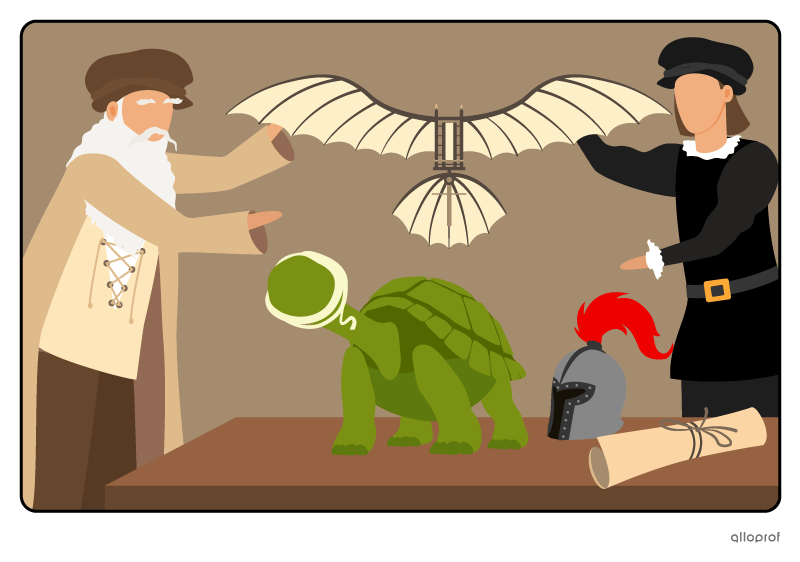 100%
100%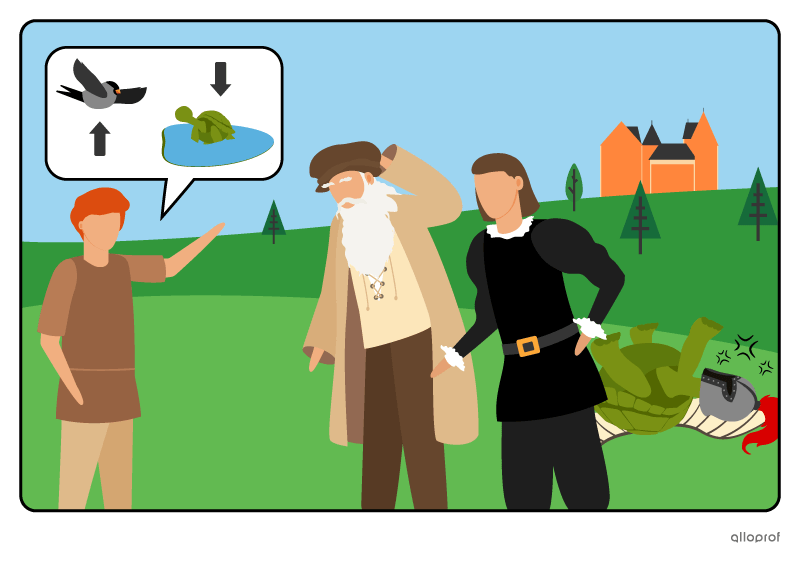
The past perfect continuous is a verb tense expressing an action that is:
Past—the action is set in the past and has been completed.
Perfect—the action is connected to a previous action or a previous time.
Continuous—the action was in progress for a certain duration in the past.
The past perfect continuous tense is used for actions that began in the past and continued up to a point in the past.
A proper implied or explicit context is necessary when using this verb tense.
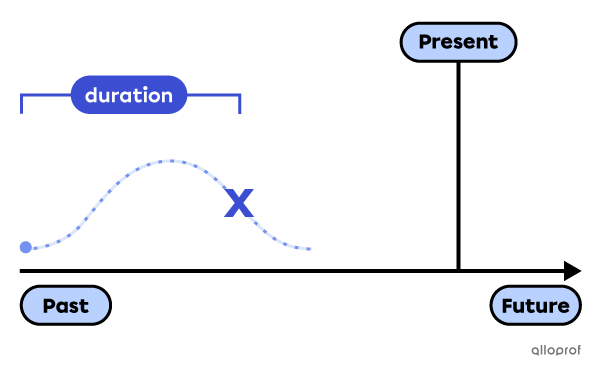
Indicate the duration of a past action before a moment or event in the past.
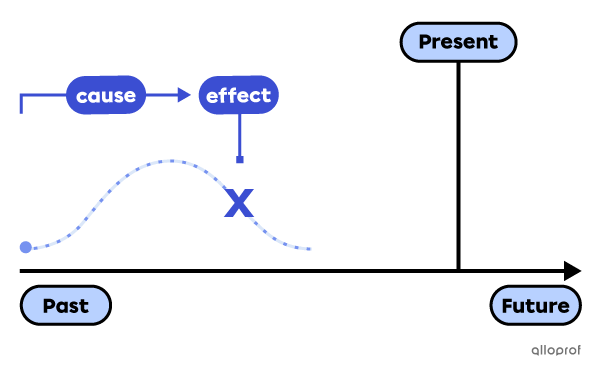
Make a connection between past events, to explain the effect/result one action had on another (cause & effect).
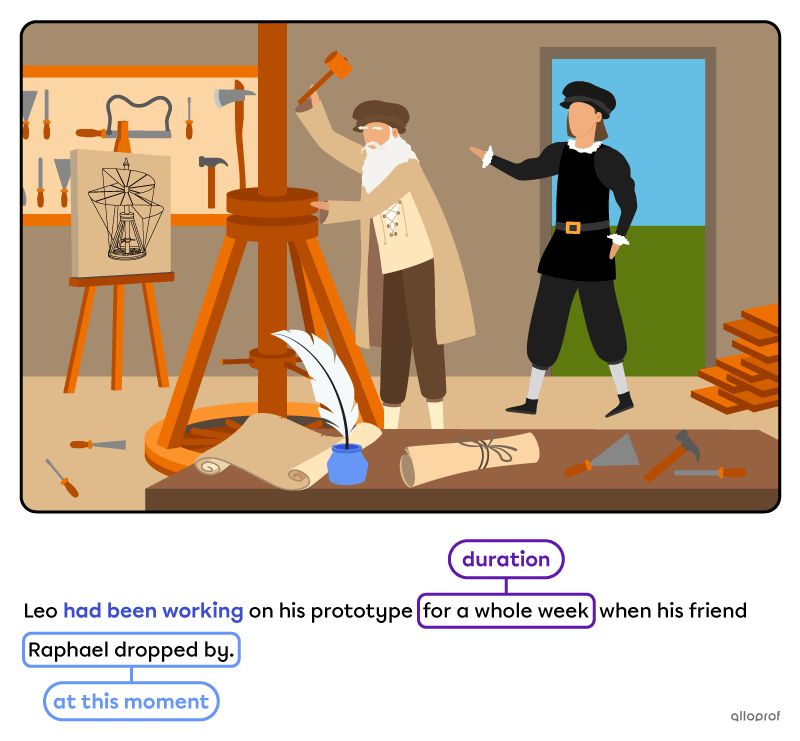
The duration of a past action

At the moment Raphael dropped by, the duration of the work had reached one week.
the effect an action had a particular moment in the past
Leo had been feeling tired because he has worked too much lately.
Certain sentence elements can change the emphasis of a past perfect continuous sentence.
These keywords are commonly used:
|
for |
since |
when |
|
before |
because |
how long |
Here are 3 tips on how to change the emphasis:
Duration Emphasis
To emphasize the duration in a past perfect continuous sentence, use:
the words for or since with a time expression
the question word how long
The mention of for hours points to the duration of the action.
Order of Events Emphasis
To emphasize the order of events in a past perfect continuous sentence, use:
the words before or since
at least 2 events
The mention of before points to the order in which the actions occurred.
Cause and Effect Emphasis
To emphasize the cause and effect/result in a past perfect continuous sentence, use:
the words when or because
no time expressions
The effect or result is often implied in the context: it is not necessarily mentioned.
Possible implied effect or result:
the workroom is cleaner than before
Leo is covered in dust and cobwebs
Past Perfect Continuous—Affirmative Form
Raphael had been encouraging Leo in his pursuit of knowledge.
Past Perfect Continuous—Negative Form
The research hadn’t been progressing as well as they thought.
Past Perfect Continuous— Question Form
Why had they been using turtles in the first place?
There are differences between the simple past, the past continuous, the past perfect and the past perfect continuous.
Using the past perfect continuous requires the right context. It isn’t used as frequently as the other past tenses.
|
Simple Past |
Past Continuous |
Past Perfect |
Past Perfect Continuous |
|
|
|
|
Here are some examples to show possible uses and differences between each past tense.
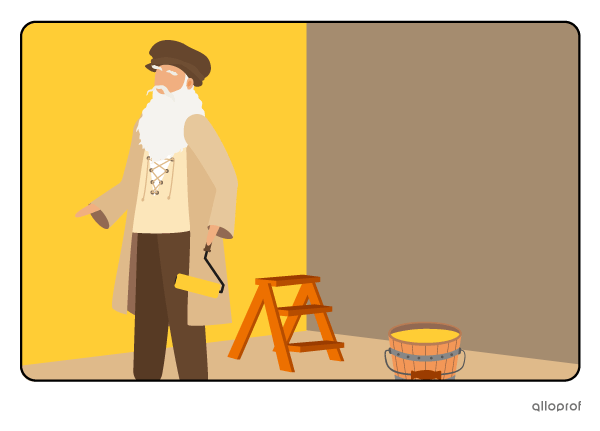
Leo painted the wall last night.
A single completed action
The wall is covered in paint.
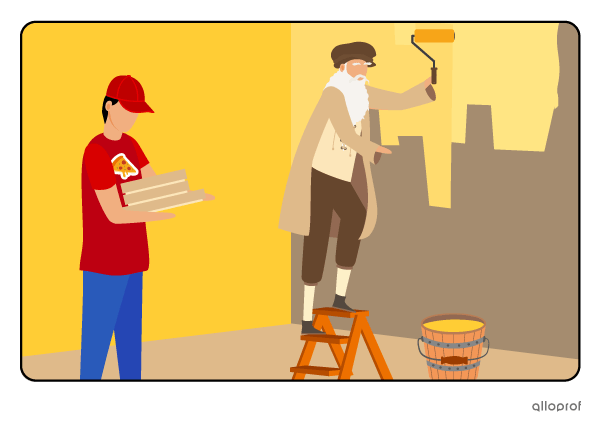
Leo was painting the wall when the pizza arrived
Past interrupted action
The pizza arrived, interrupting the painting Leo was doing.
Past action in progress at a specific time
The painting was still in progress at the moment the pizza arrived.
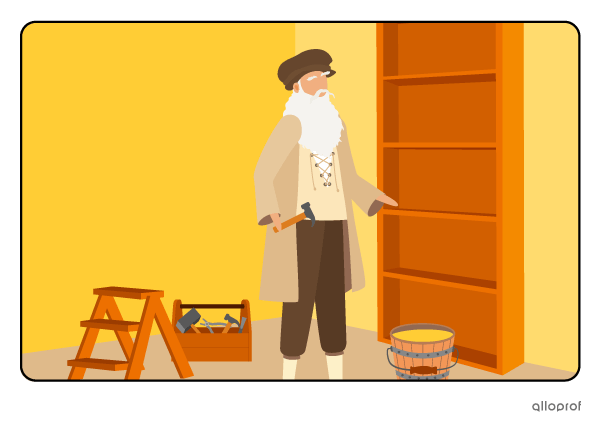
Leo had painted the walls before he built a bookcase.
Past action before another past action
Action 1: Leo painted the walls.
Action 2: Leo built a bookcase.
Because Leo had been working hard all week, his studio was almost ready to use.
Duration of a past action before or up to a moment in time
Up to that moment, the working action had been going on for one week.
Effect or result of a past action on another past action or event
The studio is almost ready because of the hard work.