Subjects
Grades
 100%
100%
 100%
100%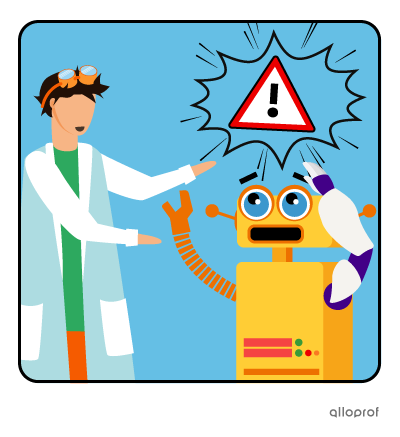 100%
100%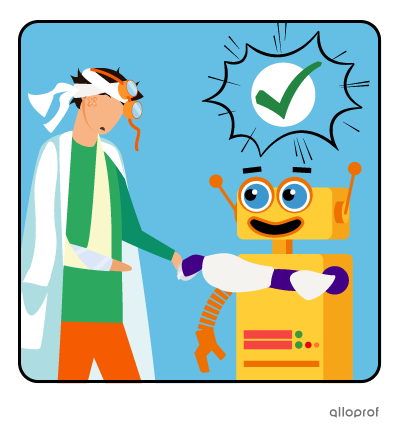 100%
100%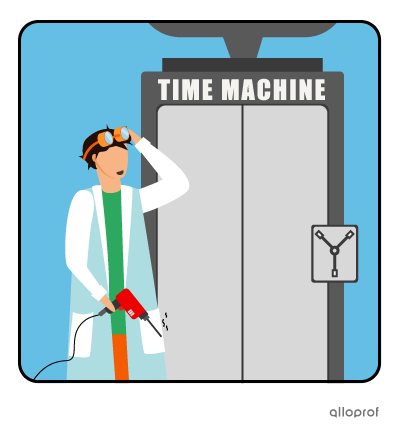 100%
100%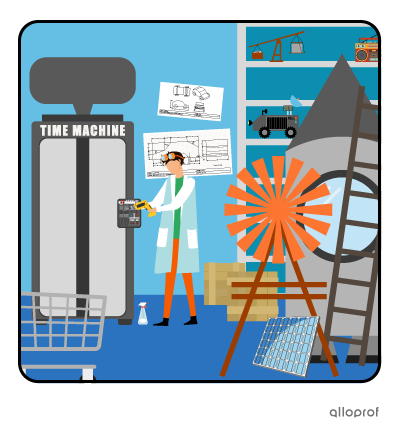 100%
100%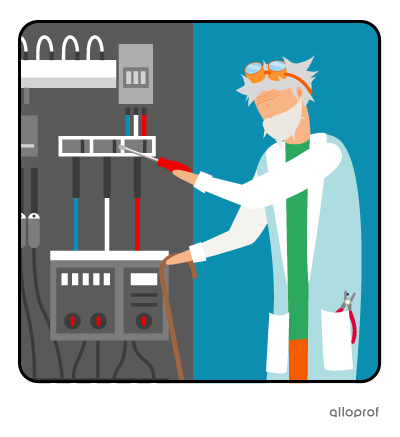 100%
100%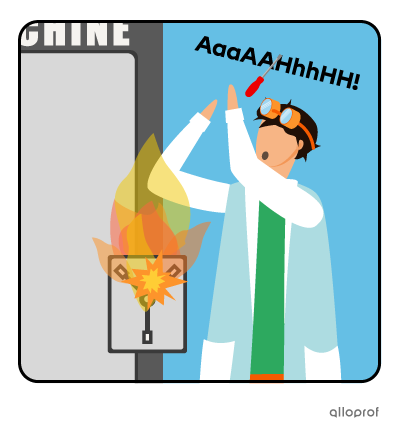 100%
100%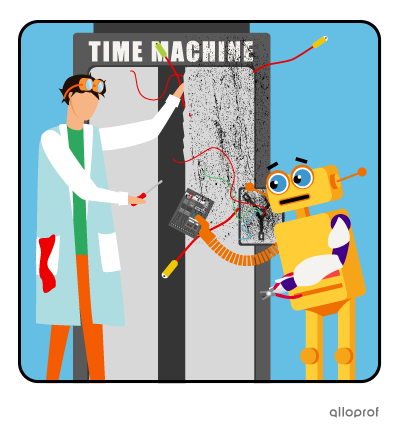 100%
100%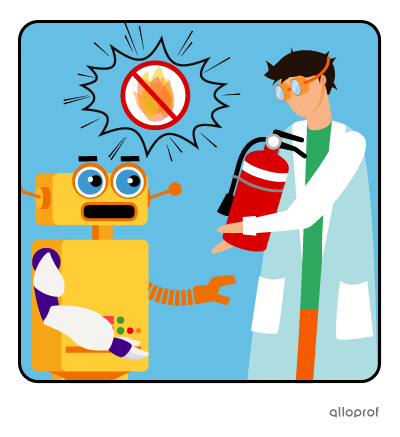 100%
100%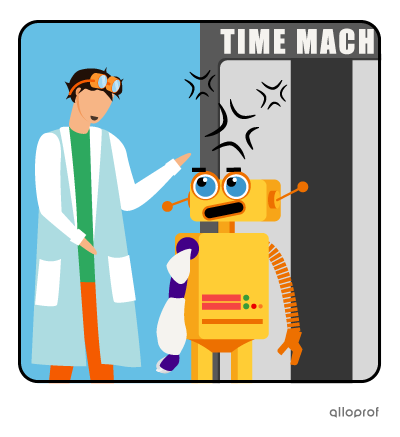 100%
100%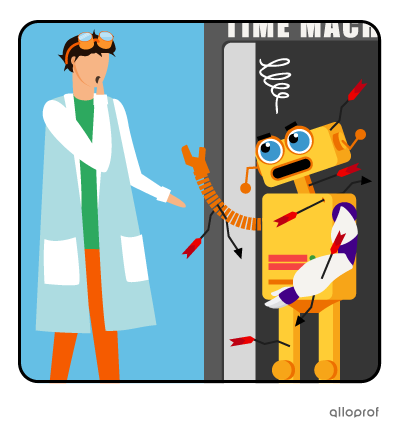 100%
100%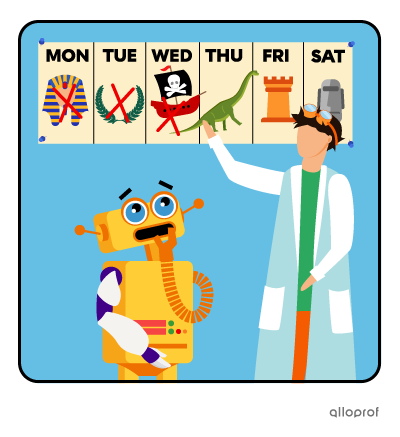 100%
100%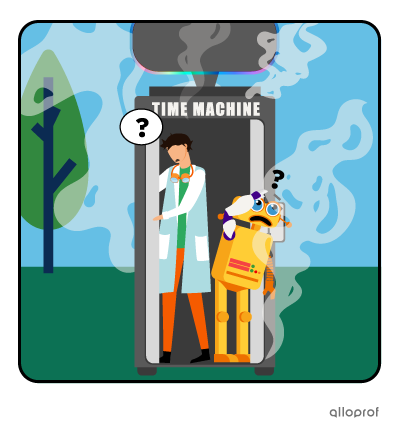 100%
100%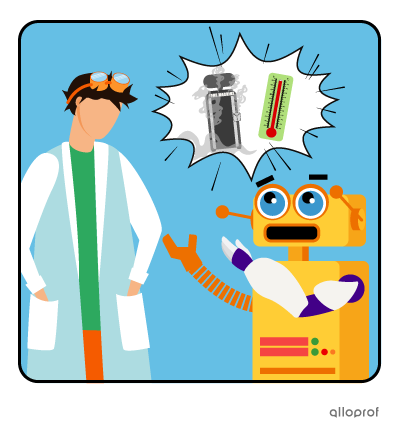 100%
100%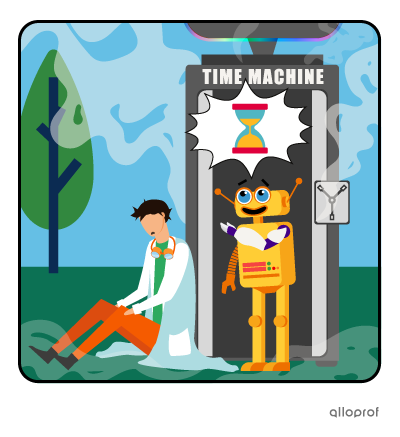
Verb tenses are used to express when an action is taking place.
Past actions:
have already happened
are finished
Present actions:
are repeated
are facts, beliefs & generalizations
are happening now
are a result of past actions
Future actions:
haven't happened yet
are taking place at a future time

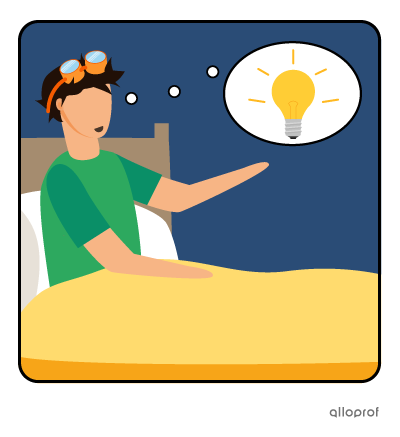
Last night, Hubert the inventor finally solved the problem he was having on his project.
Actions are completed.
“It is an excellent idea! I’m telling you!”
Actions are repeated regularly or are in progress.
“Okay, next time I will listen to you. It will be safer.”
Actions are expected to happen in the future.
past actions
completed actions or events
regular repeated actions or events
facts and generalizations
actions or events taking place at a future time
Hubert was happy with the time machine he just finished.
He is an inventor and he builds a lot of machines.
Hubert will work on his inventions as long as he can.
also known as the past progressive
past actions or events
an action interrupted by another action
actions still in progress at a particular time in the past
often used with the simple past
also known as the present progressive
present actions or events
actions still in progress at the moment
temporary habits and routines
also known as the future progressive
future actions or events
actions still in progress at a particular time in the future
The machine caught fire while he was testing it.
Hubert and his assistant are fixing the machine because of yesterday’s incident.
Hubert will be taking no chances when they test the time machine again tonight.
actions or events which happened before other actions or events in the past
often used with the simple past
past actions or events with a present result
actions or events happened at indefinite time
actions or events completed in the future
often used with time expressions
The assistant agreed to test the machine because Hubert had promised it would be safe.
The assistant has come back from his time travel with some souvenirs.
The assistant will have visited many time periods by the end of the week.
actions or events that began, continued and were completed in the past
actions or events that continued up to a moment in the past
actions or events began in the past and are still continuing
actions or events’ duration
actions or events that will be continuing in the future
actions or events’ duration
Hubert and his assistant had been travelling back to the present when the machine broke down.
The machine has been working for 24 hours non stop, it needs to cool down.
The machine will have been cooling down for a full hour in 3 minutes.
Signal words are keywords that can indicate when actions are taking place or give context to the situation.
Signal words can be placed:
At the beginning of the sentence:
Every morning, Hubert drinks a lot of coffee.
Yesterday, he drank only one cup of coffee.
At the end of the sentence:
Hubert drinks a lot of coffee every morning.
He drank only one cup of coffee yesterday.
Between a verb and its auxiliary:
Hubert is currently drinking a cup of coffee.
He has always taken his coffee with sugar.
The conditionals and the imperative are not verb tenses: they are verb moods.
Verb moods express the speaker’s attitude.
Conditional: a condition must be met for something to happen.
→ If Hubert found the time, he would fix his time machine.
Imperative: gives a command or makes a request.
→ Fix the machine