Subjects
Grades
 100%
100%
 100%
100%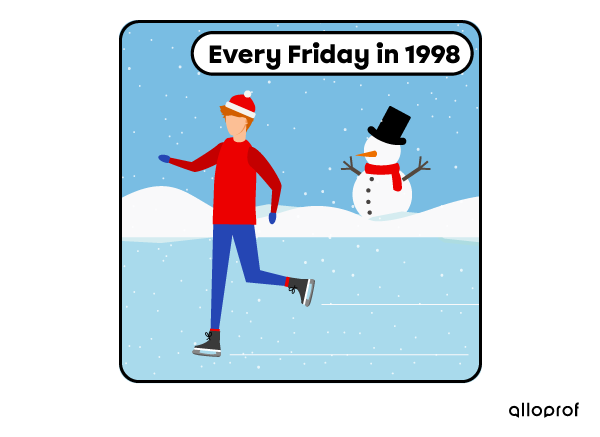 100%
100%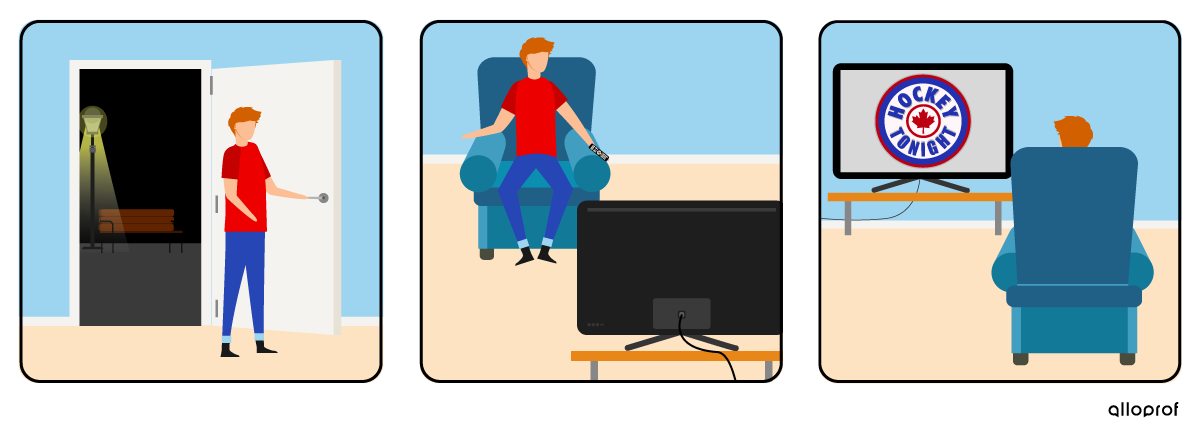 100%
100%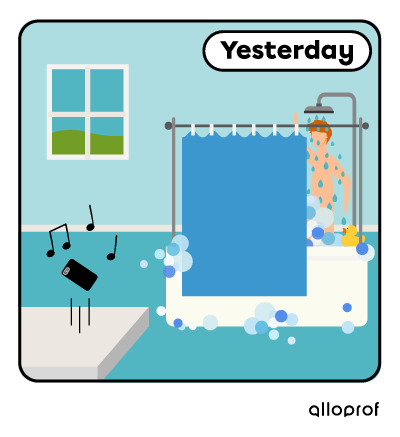
|
to be |
other verbs |
||||
|
was |
I |
did |
subject |
+ |
verb base form |
|
were |
we |
||||
The simple past is used for any action or event that is completely finished and happened in the past:
Single completed action
Past repeated actions or habits
Past sequence of actions happening one after the other (in a sequence)
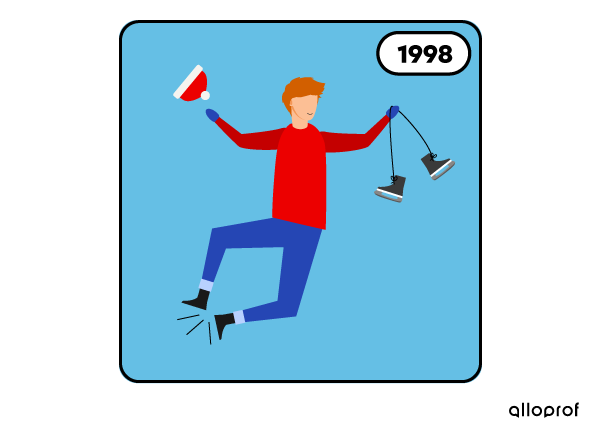
Single completed action

He bought new skates in 1998.
Past repeated actions or habits
He skated every Friday in 1998.
Past actions happening one after the other (in a sequence)
Last night, he arrived home, sat down on a couch and turned on the TV to watch Hockey Tonight.
In a complex sentence, you can use the simple past when:
one action interrupts another action that was in progress
The telephone rang when he was taking a shower yesterday.
These keywords indicate the past:
|
A word |
A combination of words |
||
|
ago: |
before: |
last: |
|
|
yesterday |
|
|
|
A regular verb is a verb that follows a typical pattern.
All regular verbs in the simple past end in -ed.
|
Regular verb simple past endings |
||
|---|---|---|
|
Most verbs |
+ed |
want → wanted |
|
Verbs ending in -e |
+d |
love → loved |
|
Verbs ending in consonant -y |
change -y to -ied |
study → studied |
|
Verbs ending in vowel -y |
+ed |
play → played |
|
Verbs ending in consonant—vowel—consonant |
double last consonant +ed |
plan → planned |
*For more on doubling consonants, see Double Consonants—Spelling Rules.
The verbs are called irregular because:
Their base form may change when used in the past.
They do not end in -ed.
There are more than 150 frequently used ones and even more that are used rarely.
|
|
to be |
regular verbs |
irregular verbs |
|
I |
was |
talked visited played listened walked watched |
went ran paid swam left flew |
|
we |
were |
|
|
to be |
other verbs |
||
|
I |
was not wasn't |
did not didn't |
+ |
verb base form |
|
we |
were not weren't |
|||
|
to be |
other verbs |
||||
|
was |
I |
did |
subject |
+ |
verb base form |
|
were |
we |
||||