Subjects
Grades
 100%
100%
 100%
100%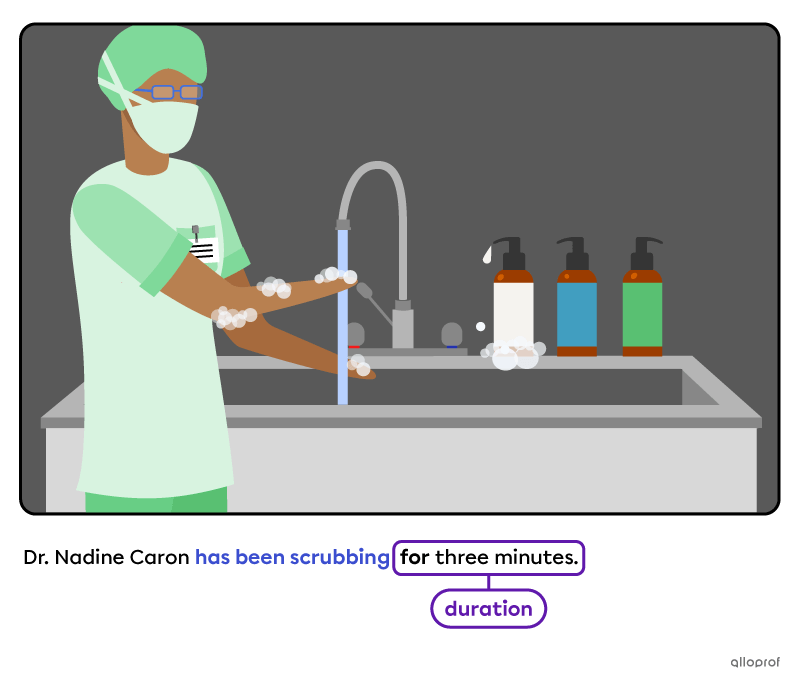 100%
100%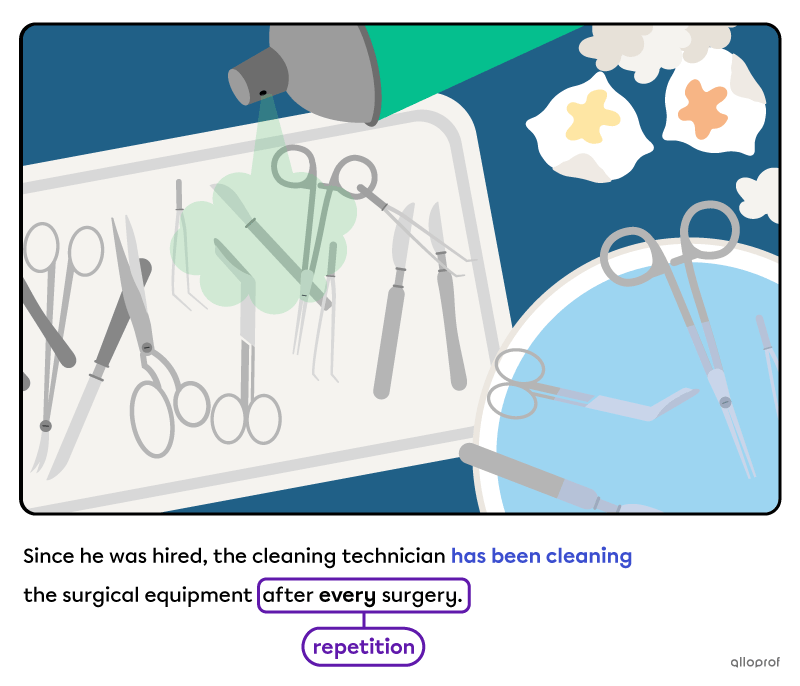 100%
100%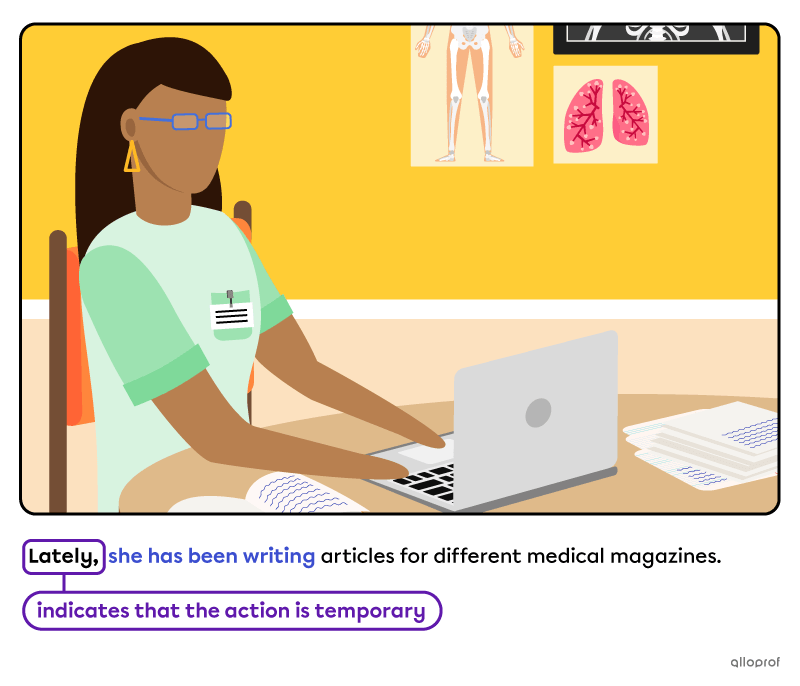 100%
100%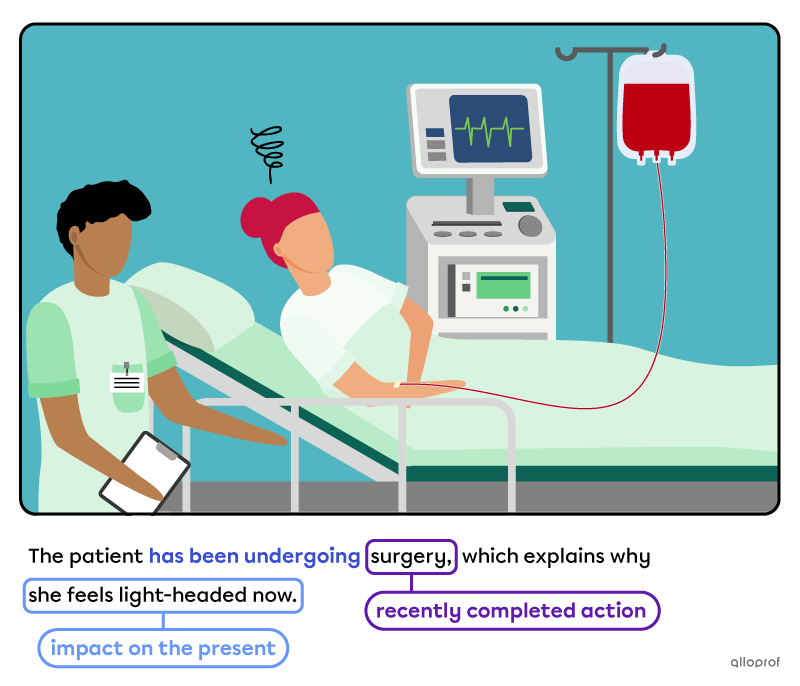 100%
100%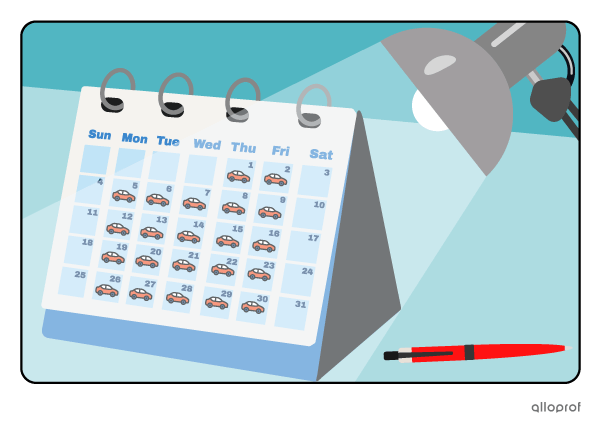 100%
100%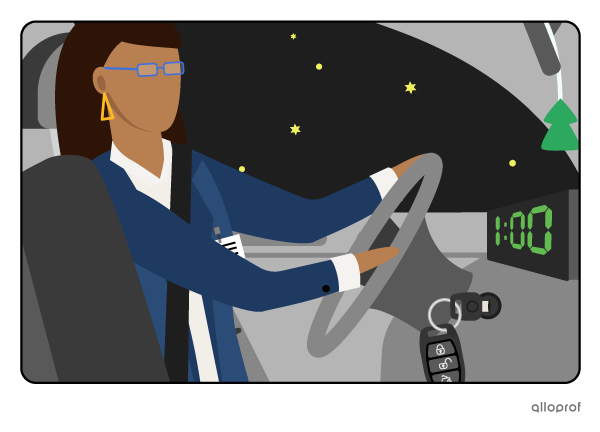 100%
100%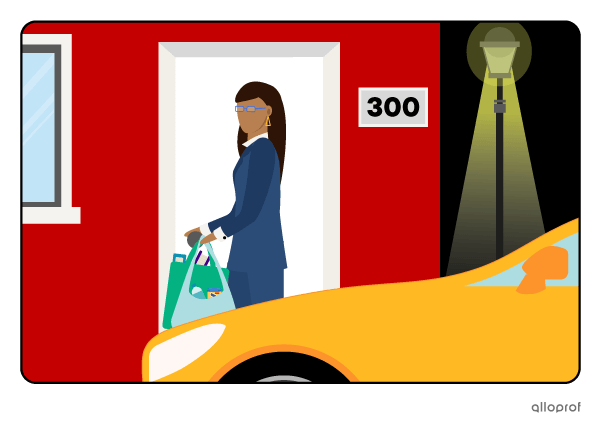 100%
100% 100%
100%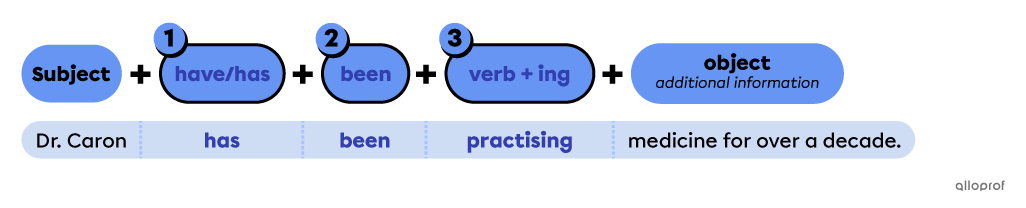 100%
100%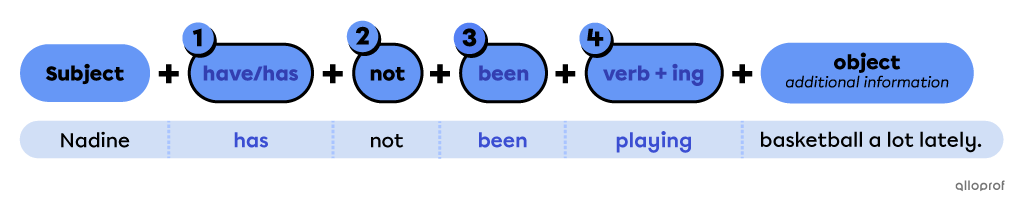 100%
100%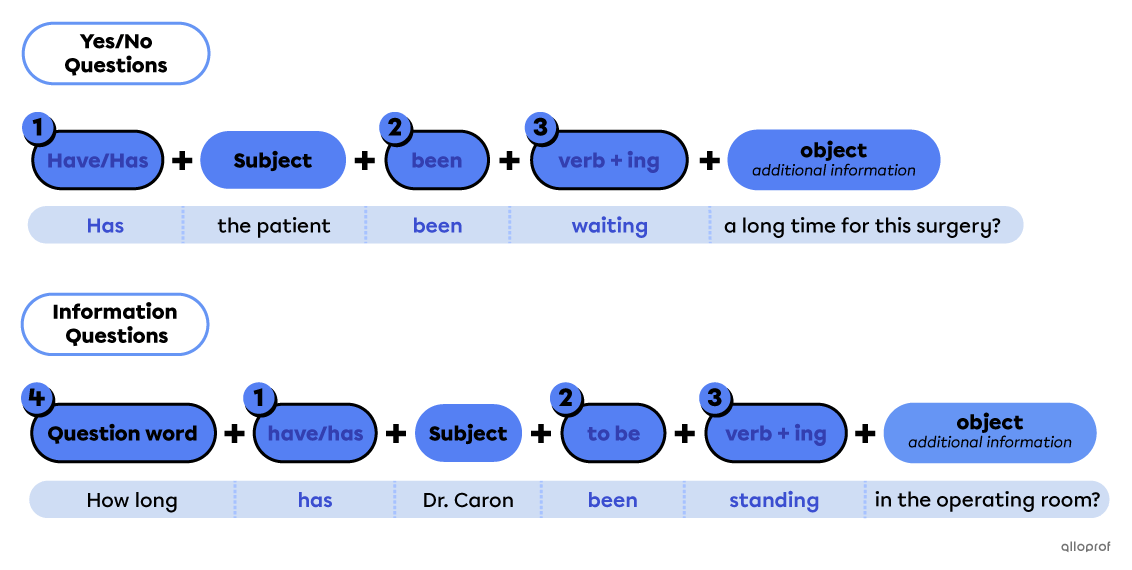 100%
100%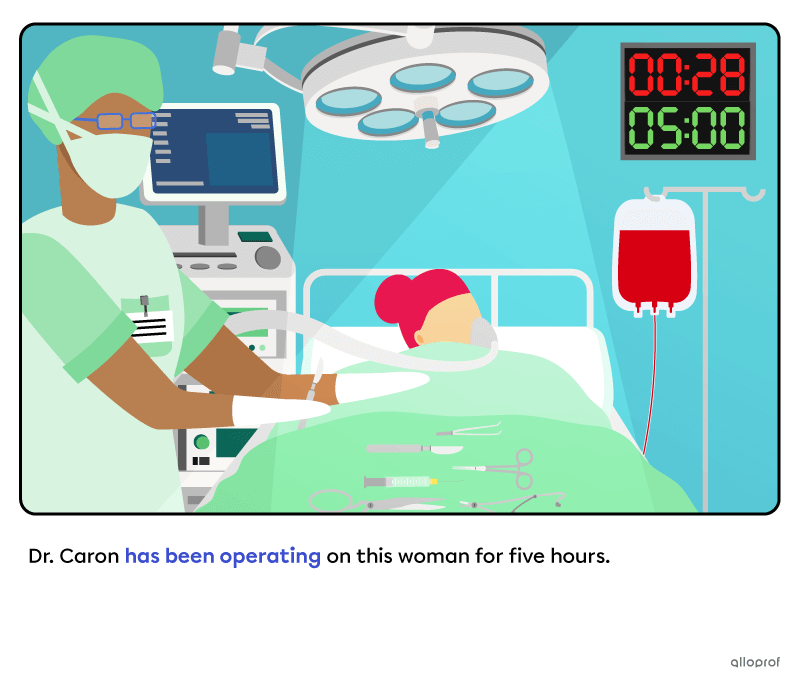 100%
100%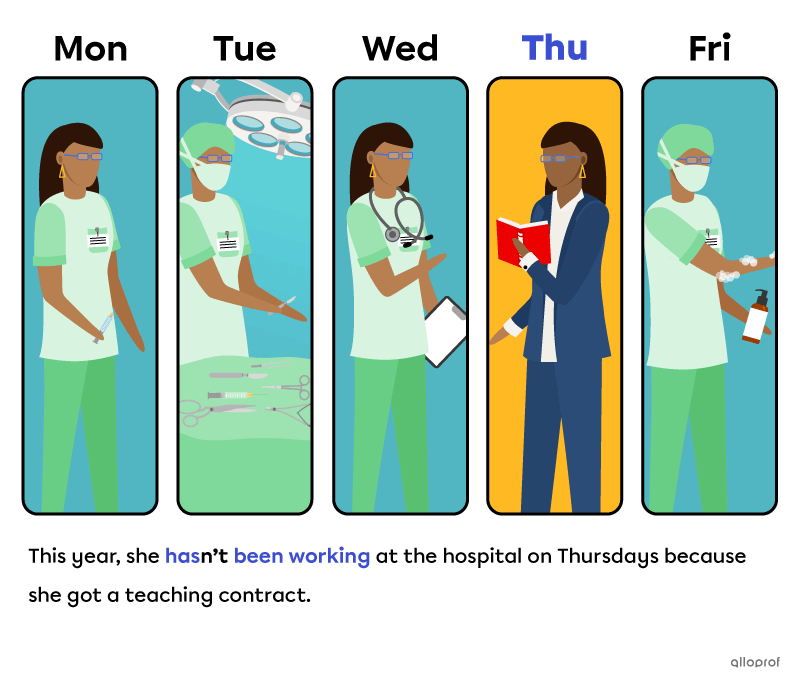 100%
100% 100%
100%
The present perfect continuous tense is used to explain actions and situations that began in the past and are still in progress* in the present.
These actions have a relevant implied or explicitly stated effect on the present.
A proper context is necessary when using this tense.
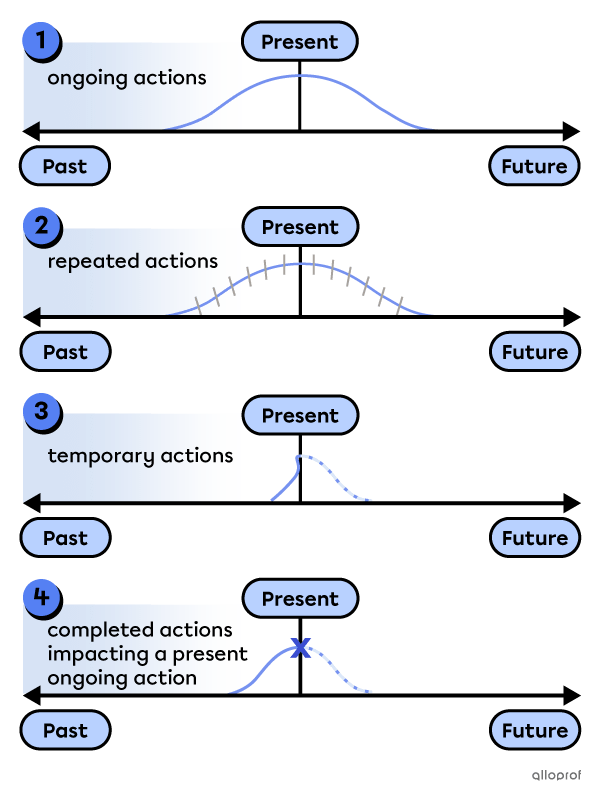
The present perfect continuous tense is used to describe:
the duration of an ongoing action
repeated actions
temporary actions
*It can also be used to describe:
completed actions still impacting the present

Describe the duration of an ongoing action
The present perfect continuous can be used when describing how long a certain action or situation has been ongoing.
For and since are keywords used to state duration.
Describe repeated actions
The present perfect continuous is used to describe repeated actions that started at some point in the past and are still being repeated in the present.
Every is a keyword used to describe repeated actions.
Describe temporary actions
The present perfect continuous can be used to describe present temporary actions that have been going on for a certain period of time.
Lately and recently are keywords used to describe temporary habits and situations. They are only used with perfect tenses.
Completed actions still impacting the present
The present perfect continuous can be used to describe the present result or impact of an action that just finished.
Feeling light-headed is a possible impact of a recently completed surgery.
There are differences between the simple present, the present continuous, the present perfect and the present perfect continuous.
Here are some examples to show possible uses and differences between each present tense.
She always drives to work.
It focuses on:
the commute to work routine
the daily repetition of the action
She is driving all night to get back to Prince George, BC.
It focuses on:
the ongoing action of driving
She has driven all night and now she can finally sleep.
It focuses on:
the completion of the action
the result it has on the present
She stopped to sleep because she has been driving all night. Tomorrow, she will have about an hour left to drive.
It focuses on:
the duration of the ongoing action (all night)
the connection to the present (she is tired, so she stops driving not to fall asleep at the wheel)
Present Perfect Continuous: Affirmative Form
Present Perfect Continuous: Negative Form
Present Perfect Continuous: Yes/No Question Form
Present Perfect Continuous: Information Question Form