Present Perfect

Concept sheet | English Language Arts

Present Perfect Uses

Rules

The present perfect expresses:

  1. Present result

  • past action with present result

  • recently finished action

  1. Unfinished time

  • past action not yet finished

  • time period still going on

  1. Indefinite time

  • past actions at unspecified time

  • repeated past actions

Examples
  1. Present results

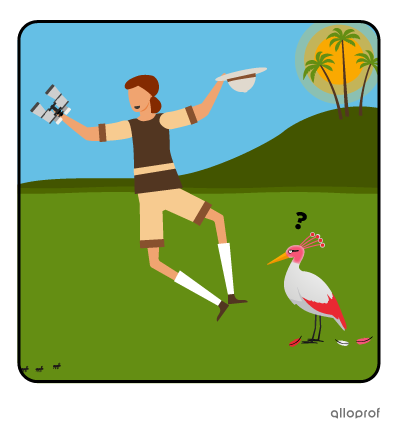
An explorer has discovered a new bird species and is jumping with joy.

Florence the explorer has discovered a new bird species.

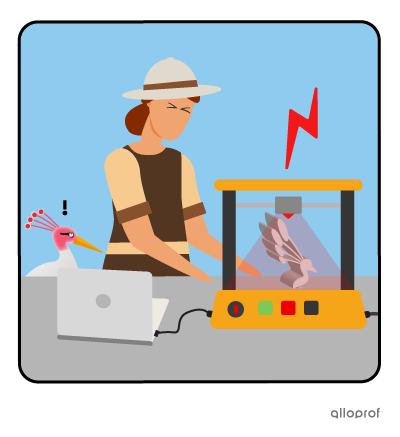
Florence the explorer tried 3D printing a bird model with questionable results.

She has tried to print it as a 3D model.

  1. Unfinished time

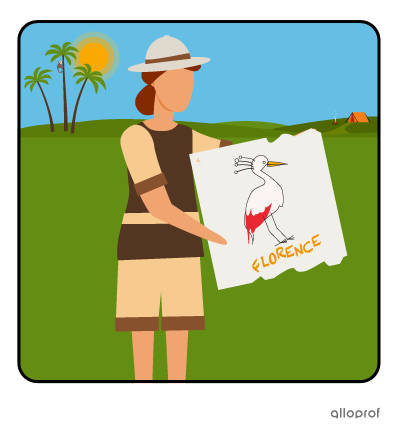
Florence the explorer is holding a bird picture she drew as a kid.

Birds have been her favourite animals since she was a kid.

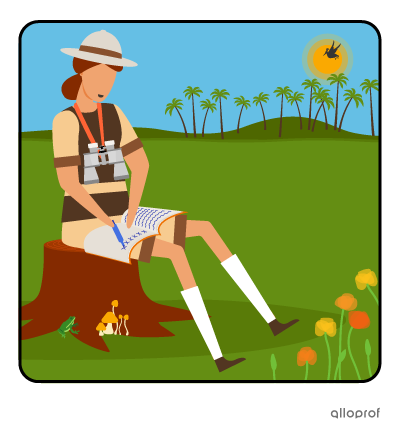
Florence the explorer observing birds with binoculars and keeping count in a journal.

Today, she has seen the bird six times.

  1. Indefinite time

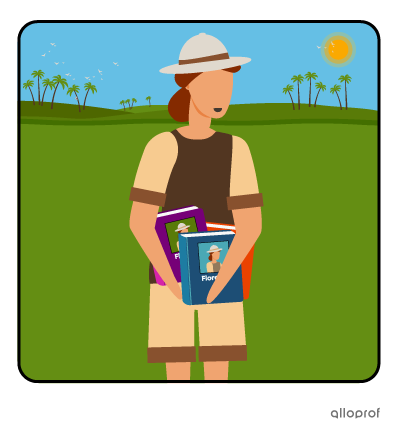
Florence the explorer proudly holding 3 books she wrote.

Florence has written three books on birds in the last few years.

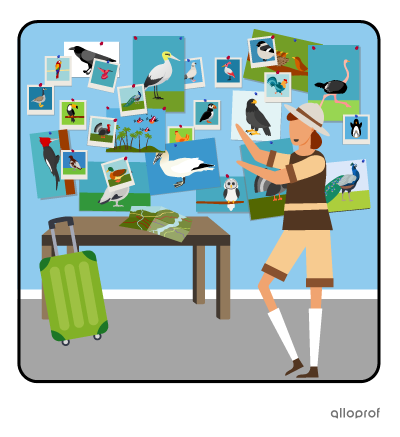
Florence the explorer looking at bird pictures covering a whole wall.

“I have taken a lot of bird pictures in my career.”

Tips

Some keywords and phrases are often used with the present perfect.

Words like:

Phrases like:

  • never

  • ever

  • since

  • for

  • recently

  • just

  • yet

  • already

  • so far

  • up to now

  • not… yet

  • till now

  • how long… ?

Present Perfect vs. Simple Past

Present perfect expresses:

  1. Present result

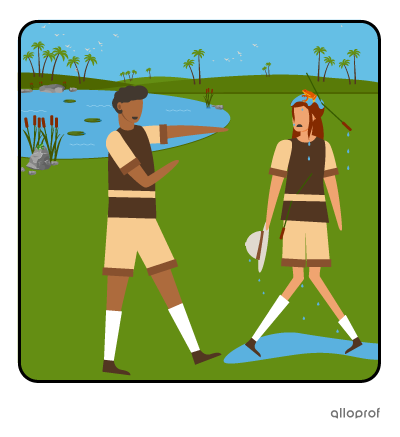
Florence the explorer’s friend laughing at her because she fell in the water.

She has fallen in the water.

  • present result → She is now wet.

Simple past expresses:

  1. Past action

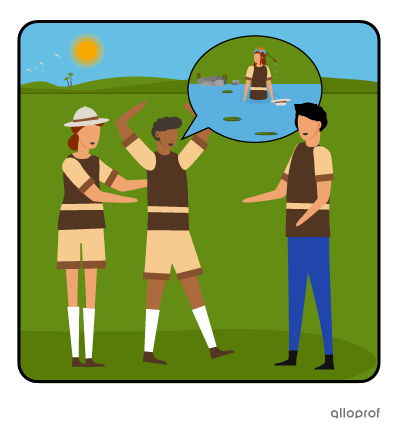
Florence the explorer’s friend telling about that time when she fell into the water.

She fell in the water.

  • not connected to the present

Present perfect expresses:

  1. Unfinished time

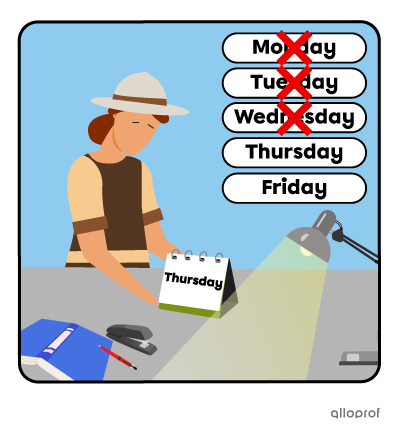
Florence the explorer looking at her calendar showing it’s only Thursday.

I have worked 60 hours this week.

  • 60 hours done

  • the week isn't finished

Simple past expresses:

  1. Finished time

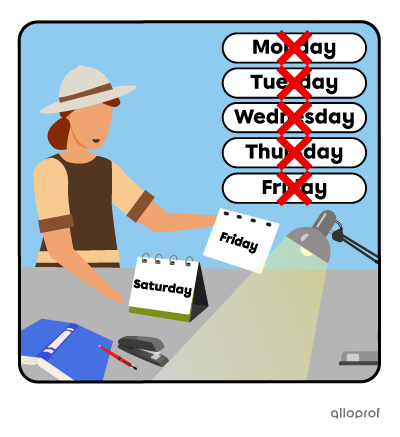
 Florence the explorer happily ripping out the Friday page on her calendar.

I worked 60 hours this week.

  • 60 hours completed

  • the week is over

Present perfect expresses:

  1. Indefinite time

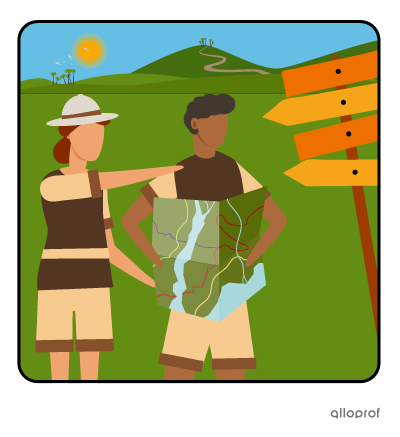
Guy looking at a map and Florence the explorer telling him the right direction to take.

She has been here before.

  • specific time is not mentioned

  • she knows the place

Simple past expresses:

  1. Specific time

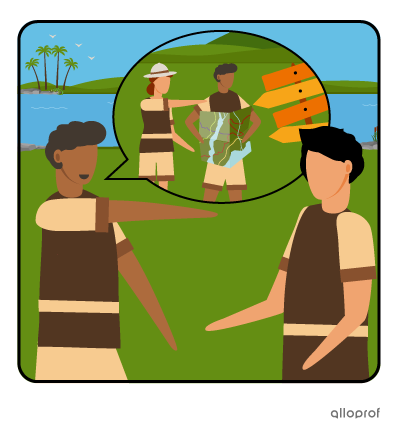
Florence the explorer’s friend telling someone about that time Florence gave him the right directions.

She was here last week.

  • specific time → last week

  • she isn’t at the location anymore

'

Present Perfect Forms Reminder

Affirmative Forms

I
you
we
you
they

have

've

+

verb
past
participle

he/she/it

has

's

Negative Forms

I
you
we
you
they

have not

haven't

+

verb
past
participle

he/she/it

has not

hasn't

Question Form

have

I
you
we
you
they

+

verb
past
participle

has

he/she/it

'

The Real-Life Florence