Subjects
Grades
 100%
100%
 100%
100%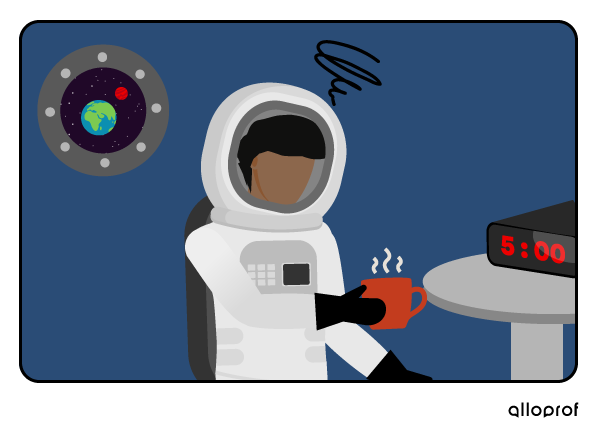 100%
100%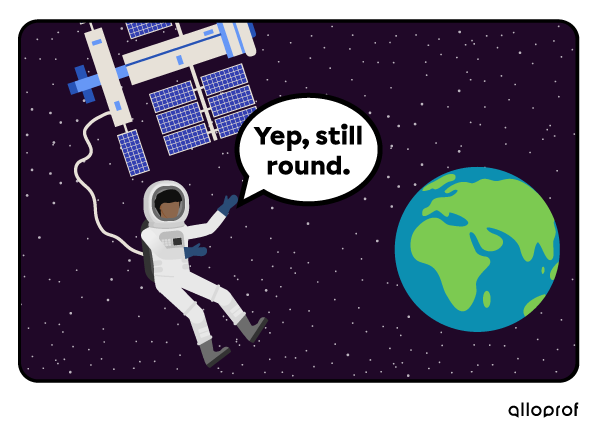 100%
100%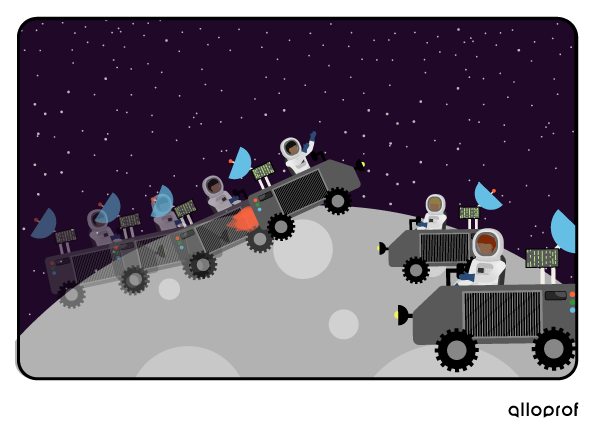 100%
100%
|
With the verb to be |
With other verbs |
||||
|
am |
I |
do |
I |
+ |
verb base form |
|
are |
you |
||||
|
is |
he/she/it |
does |
he/she/it |
||
The simple present is used for
Repeated actions, such as:
habits
routines
Facts & generalizations, such as:
truths
facts
generalizations
Planned events, such as:
schedules
timetables
fixed events
Routines

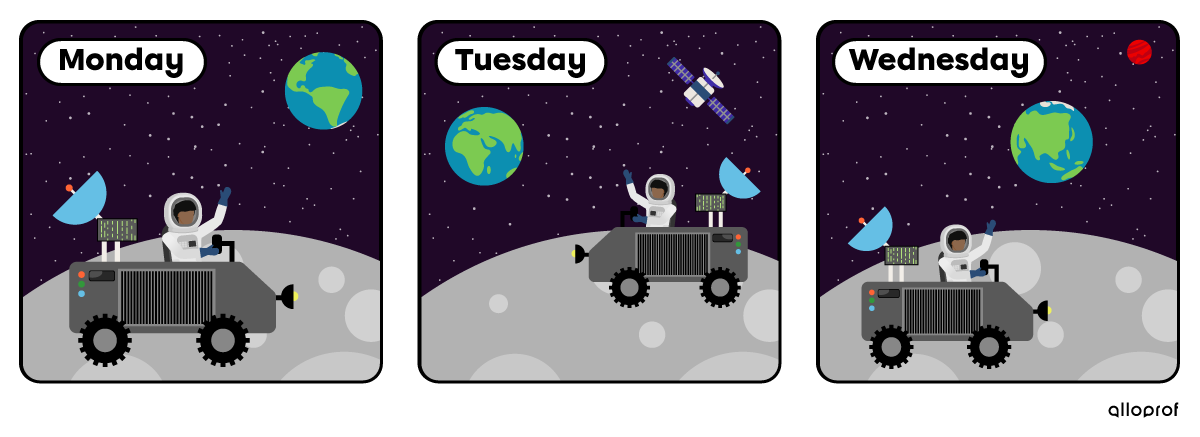
Astronaut Bob drives the moon rover every day.
Habits
Astronaut Bob drinks coffee before work.
Facts
The Earth is round.
Generalizations
Astronauts drive carefully — except for Bob.
Fixed event
The eclipse begins in 10 minutes.
|
A word |
A word combination |
|||
|---|---|---|---|---|
|
on: |
every: |
after: |
once/twice/3 times/…: |
|
|
|
|
|
|
|
|
to be |
other verbs |
||
|
to have |
to take |
to go |
||
|
I |
am 'm |
have |
take |
go |
|
we |
are 're |
|||
|
he/she/it |
is 's |
has |
takes |
goes* |
*Some verbs take -es in the 3rd person singular.
|
|
to be |
other verbs |
||
|
I |
am not 'm not |
do not don't |
+ |
verb base form |
|
we |
are not 're not aren't |
|||
|
he/she/it |
is not 's not isn't |
does not doesn't |
||
|
With the verb to be |
With other verbs |
||||
|
am |
I |
do |
I |
+ |
verb base form |
|
are |
you |
||||
|
is |
he/she/it |
does |
he/she/it |
||
When using the simple present in the 3rd person singular:
|
verb + s in most cases: |
sounds |
|
|
verb + es after: |
s |
passes |
|
sh |
pushes |
|
|
ch |
watches |
|
|
x |
fixes |
|
|
z |
buzzes |
|
|
Verbs ending in o: |
when consonant + o ➞ add es |
does |
|
when vowel + o (rare) ➞add s |
woos |
|
|
Verbs ending in y: |
when consonant + y ➞ change y to ies |
tries |
|
when vowel + y ➞add s |
says |