Subjects
Grades
To access the other concept sheets in the Heritage Cities unit, check out the See Also section.
 100%
100%
 100%
100%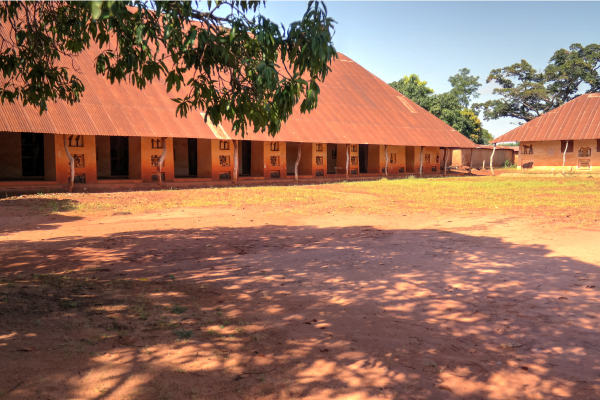
Heritage refers to elements in a society that have been identified for promotion and protection for future generations.
There's family heritage, which are items that are passed down within the same family.
A wedding dress
An old photo album
There are also national and world heritages:
National heritage is recognized by a single country.
World heritage is recognized internationally, that is, by several countries, due to its exceptional value for all of humanity.
The John Wyse House, in New Brunswick, Canada, is part of national heritage because it is recognized by the government in the country where it is located.
Miguasha National Park is also in Canada, but is part of UNESCO’s world heritage since it is recognized by several other countries.
It is important to distinguish natural heritage from cultural heritage.
Natural heritage refers to all of the elements in nature that constitute a source of wealth for humanity to be preserved and protected.
Cultural heritage can be an object, monument or building representing human traces of the past that has been identified for preservation for future generations. It can also refer to a tradition or knowledge.

Example of Natural Heritage
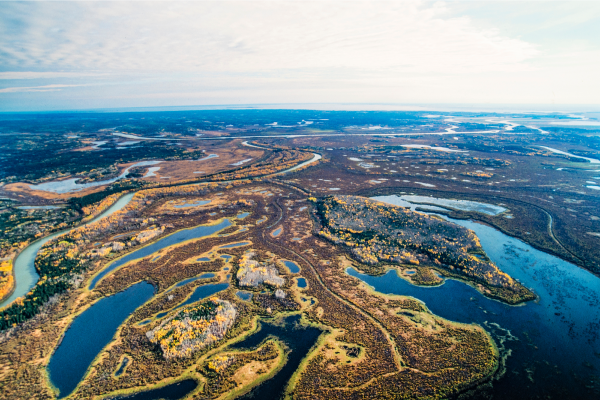
Wood Buffalo National Park, in northeastern Alberta and southern Northwest Territories, in Canada, is a UNESCO natural heritage site. It is an important site for more than one threatened or endangered species, such as the whooping crane and wood bison.
Example of Cultural Heritage
The Royal Palaces of Abomey, in Benin, are recognized as a UNESCO cultural heritage site. They represent the history and culture of the Kingdom of Dahomey, which developed in the middle of the 17th century.
A heritage city has one or more heritage sites on its territory. A heritage site has special characteristics on account of:
its history
the culture of the location
Because of these special characteristics, a heritage city requires special planning and development.
A heritage site is a place that contains one or more important elements that need to be protected. These elements are often related to history or architecture.
The conservation of heritage sites comes with many challenges. These include protecting sites from vandalism and adapting ancient sites to today’s needs. The Issues Affecting Heritage Cities concept sheet provides more details on these challenges.
The case study of Quebec City is very helpful in understanding what a heritage city is and what issues affect these kinds of cities, by taking a look at concrete examples. There are four other examples used in class and these are Athens, Beijing, Paris or Rome.
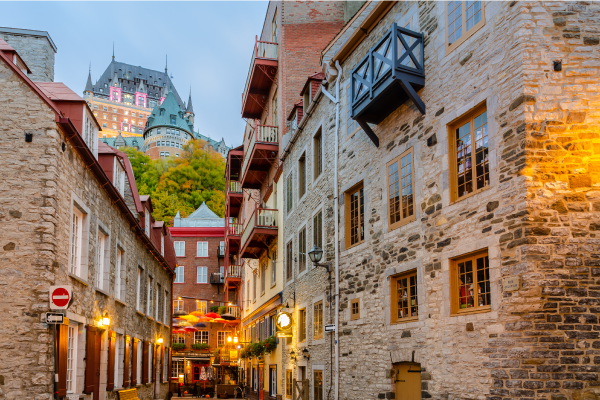
Part of Quebec City is a heritage site with its own characteristics and issues.
1. UNESCO. (s.d.). Consulter les Listes du patrimoine culturel immatériel et le Registre des bonnes pratiques de sauvegarde. https://ich.unesco.org/fr/listes