Subjects
Grades
To access the other concept sheets in the Energy-Producing Regions unit, go to the See Also section.
 100%
100%
 100%
100%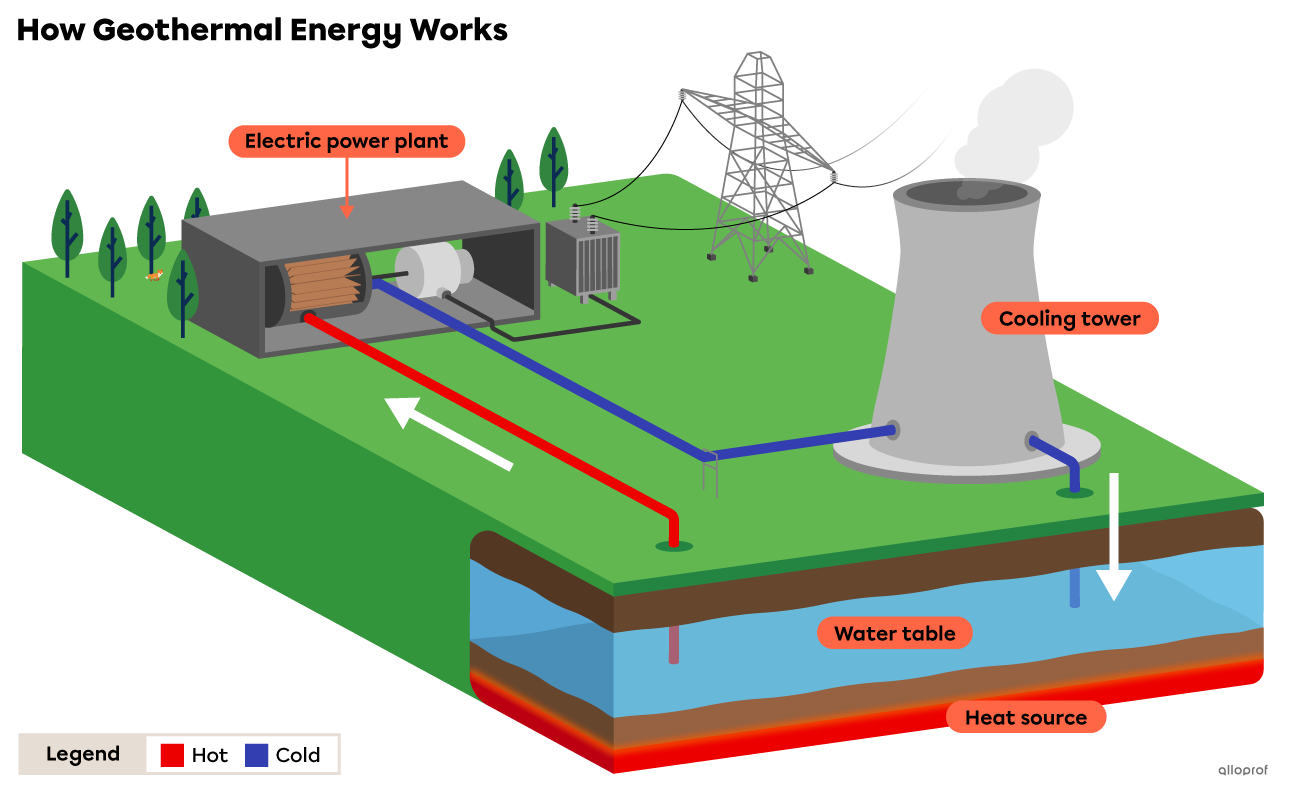 100%
100%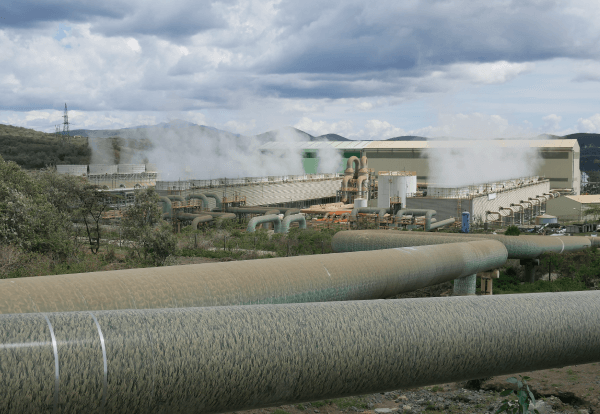
A renewable energy is an energy source that naturally replenishes itself at least as quickly as it is used, which means it will always be available.
There are many sources of renewable energy. Here are the most common ones.
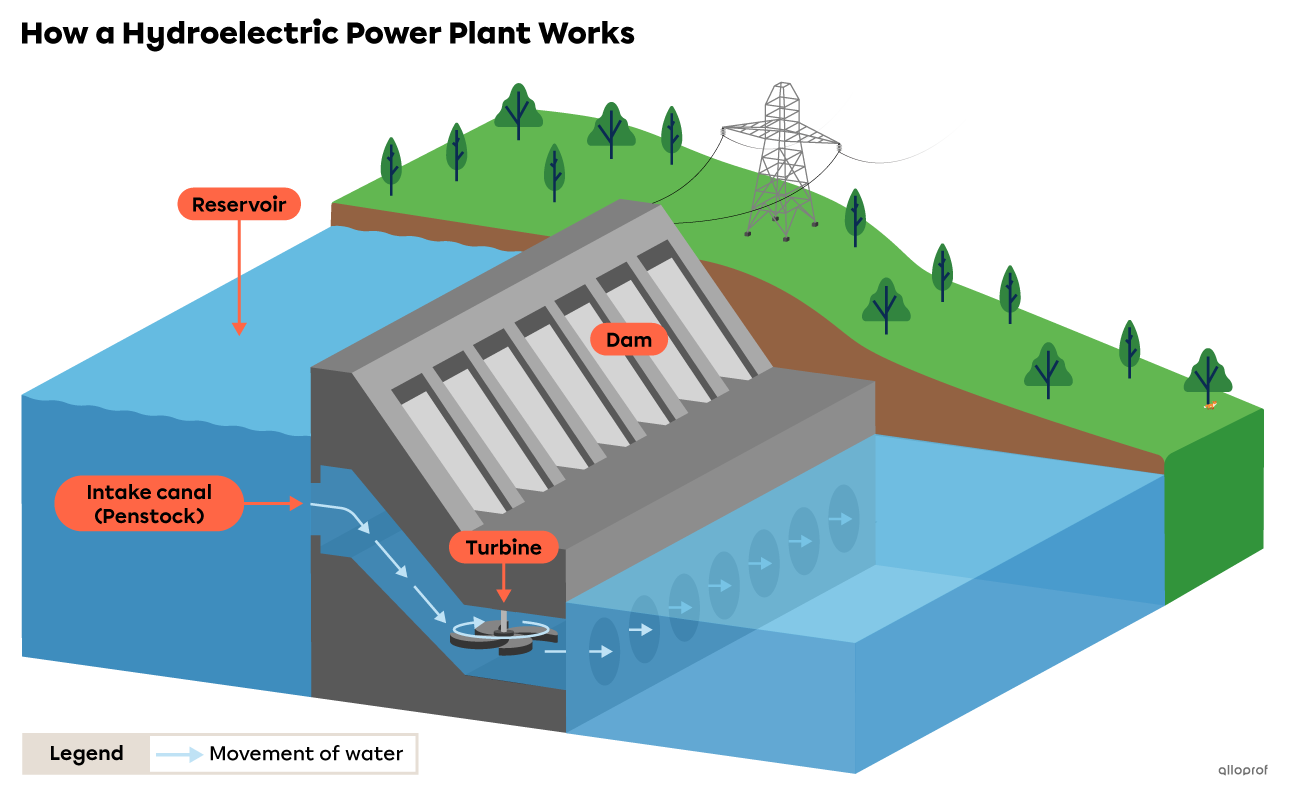
Hydraulic energy is created by the movement of water. Electricity is generated by the force of water passing through a turbine and causing it to rotate.

A hydroelectric power plant is used to produce electricity. In a reservoir-type (dam) facility, the water from the reservoir passes through a canal. It flows forcefully through the turbines, causing them to rotate. That’s how the power plant’s infrastructures use the movement of water to generate electricity.
Hydraulic power plants are located directly on a river. Others are located where the water is subject to the movement of the tides. That type of energy is called tidal energy.
Tides refer to the rise and fall of water levels every day.
A greenhouse gas is a gas that retains heat in the atmosphere.
In Canada, many Indigenous populations have been displaced due to the construction of hydroelectric facilities.
Solar energy comes from the sun, specifically from the sun’s rays. It’s also known as photovoltaic energy.
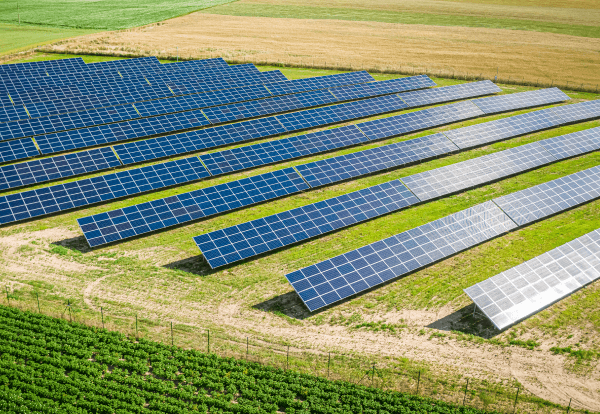
Solar panels capture the sun’s rays and convert them into electricity.
Solar panels can be installed in fields or on roofs. The goal is to position them so that they receive as much sunlight as possible.
For a solar panel system to function properly, the panels must be exposed to direct sunlight for at least 4 hours.
The infrastructures used to create this type of energy are also known as wind turbines.
Wind turbines have large blades that turn when the wind blows over them. That powers the alternators, which transform the energy into electricity. On average, the blades complete between 10 and 20 rotations per minute.
Wind turbines need a minimum wind speed between 12 km/h and 14 km/h to generate electricity.
Maximum production is achieved when wind speed is between 50 km/h and 60 km/h. When winds exceed 90 km/h, production must be stopped to avoid breaking the equipment.
Individual wind turbines can be used on their own, but they are often grouped together in what’s called a wind farm.
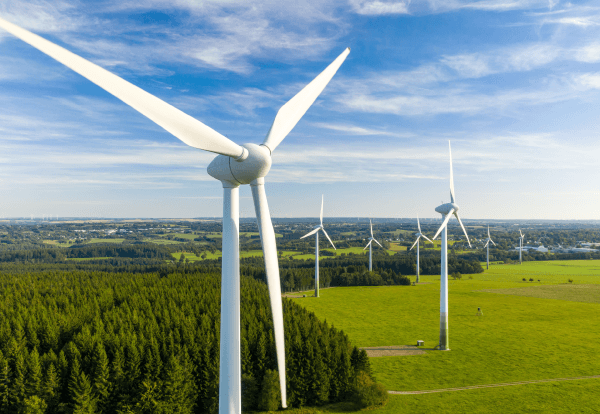
That’s why the location of a wind farm needs to be carefully considered. Several countries have regulations prohibiting wind turbines from being constructed less than 300 metres or 500 metres from homes. Wind farms are not constructed in bird migration corridors or in places where endangered species live. Lights can be added to the wind turbines to make them more visible to birds, but that contributes to visual pollution.
Renewable energies such as solar energy and wind energy generate little or no greenhouse gas emissions while they operate. However, manufacturing their infrastructures (solar panels or wind turbines, for example) can generate greenhouse gases.
Geothermal energy comes from heat from the Earth’s core. It’s also known as geothermy. One of the ways this energy is recovered is by pumping very hot water from a water table up through pipes buried deep underground.
A water table is a reserve of water located below the ground but near the surface.
Underground, water is heated by heat from the Earth’s core. Once the water is pumped to the surface, it can be used for the following:
Some locations have high geothermal energy production potential due to underground activity (such as volcanic activity), which creates a lot of heat near the ground surface. In those places, the water can be heated sufficiently to operate geothermal power plants, which generates electricity.
Unlike many other countries in Africa, which rely mostly on fossil fuels to produce their electricity, Kenya produces nearly 90% of its energy from renewable sources.[3] Among other things, Kenya has the largest wind farm on the African continent, plus large-scale facilities for harnessing solar energy.
In addition to those facilities, Kenya is also a major producer of electricity generated from geothermal energy. Geothermal power plants generate almost half of the country’s electricity. The region’s high geothermal potential makes this large-scale energy production possible. Kenya is located in the Rift Valley and has a high level of underground volcanic activity. That activity generates a lot of heat near the surface. So it’s not necessary to dig very deep to access the heat needed to run geothermal power plants.
However, installing geothermal facilities has a number of consequences for local populations. The expansion of the Olkaria geothermal project required almost 1,200 people to relocate.[4] Other communities, including those living near the Suswa crater, fear that they will also be displaced. What’s more, people whose homes are near geothermal facilities have to live with a lot of noise from the escaping steam.
Biomass refers to different types of organic matter, such as firewood, agricultural waste, or animal manure, that become energy sources.
Biomass has been used as an energy source for a very long time. For example, by burning wood to heat a house or cook food.
Biomass energy, also known as bioenergy, comes from the combustion of various sources of organic matter. For example, trees provide firewood and wood pellets.
Plants such as sugar beets and corn can be used to make ethanol, which is used as vehicle fuel.
Biogas is produced when organic waste decomposes and can then be used to power thermal power plants.

A Biogas Plant
Biomass energy comes from organic matter. Since it regenerates very quickly, it can be used continuously, making it a renewable energy. However, when it is used faster than its regeneration speed, it is no longer considered a renewable energy.
Fossil fuels also come from organic matter. However, fossil fuels can only be used after millions of years. Therefore, they are not renewable energies, because they take a very long time to regenerate.
To access the rest of the unit, see the following concept sheets.