Subjects
Grades
To access the other concept sheets in the Energy-Producing Regions unit, go to the See Also section.
 100%
100%
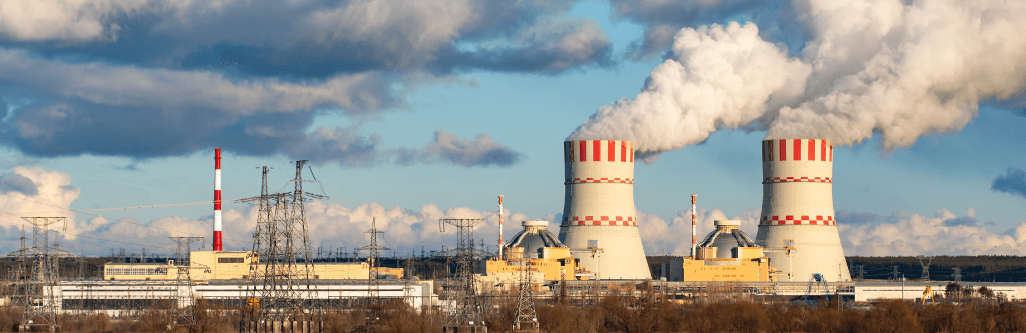
Non-renewable energy is a resource that does not regenerate naturally or regenerates at a slower rate than which it is used.
Non-renewable forms of energy are in limited supply. If we keep using them, we could run out of them.
Non-renewable types of energy include:
Nuclear energy is produced by splitting atoms. The substance that is most often used to create nuclear energy is uranium. There’s uranium all over the world. It is extracted from ore.
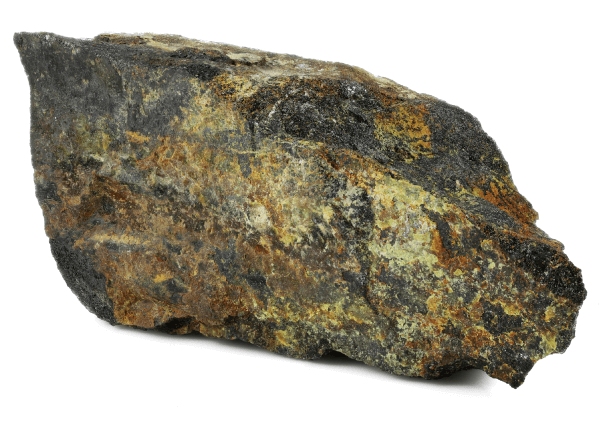
Enriched uranium
Uranium ore undergoes several processes before it is used in nuclear power plants.

Reactors in nuclear power plants generate electricity from nuclear energy.
Fossil-based energy comes from fossil fuels such as oil, natural gas and coal, and it supplies around 80% of the world’s energy.[3]
A fossil fuel is a non-renewable natural resource that releases energy when burned (coal, natural gas, oil).
Fossil fuels are formed in the earth’s crust by the decomposition of organic matter (plants, animals, microorganisms, etc.). Due to the millions of years required for decomposition to occur, fossil fuels are classified as non-renewable energy sources.
The main fossil fuels used as energy sources are:
Petroleum is a mixture of hydrocarbons that are mostly found in liquid form. It is also present as a semi-solid in oil sands. Oil deposits are created by pressure and heat on organic matter (remains of marine animals and plants) at the bottom of oceans (current or ancient).
A hydrocarbon is a substance made of hydrogen and carbon. Oil and natural gas contain hydrocarbons.
Oil in liquid form is easy to extract. Extraction involves drilling into the ground and pumping the oil using a pumpjack.
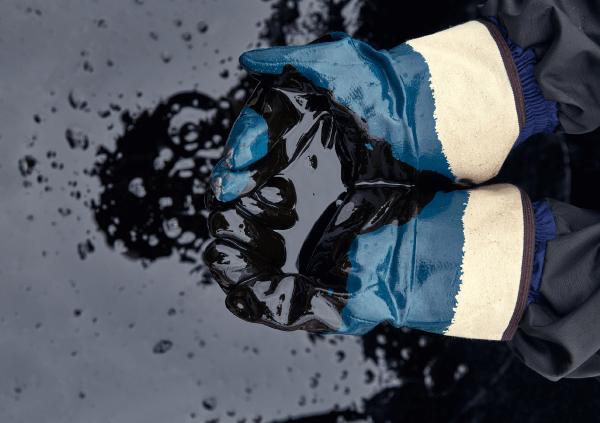
Liquid petroleum
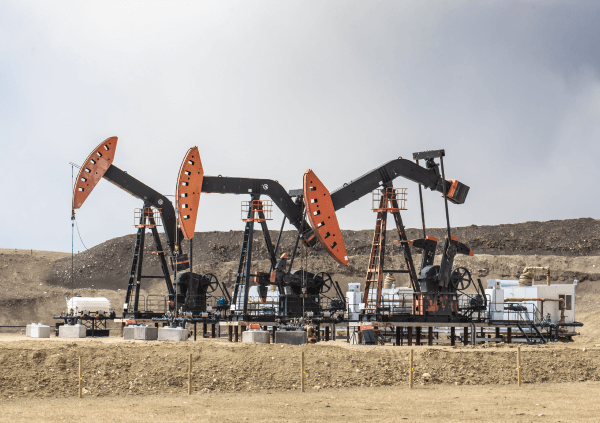
Pumpjacks
These pumps extract liquid oil from the ground.
Extracting oil sands is more difficult since bitumen (a mixture of hydrocarbons) has to be separated from grains of sand. Oil sands are collected and transported to a plant where water is used to separate the oil from the sand.
Oil deposits are scattered all over the world. Just 15 countries account for 75% of the world’s oil.[4] In 2019, the world’s top three oil producers were Venezuela, Saudi Arabia, and Canada.[5]

Oil sands
Natural gas is a mixture of hydrocarbons. It is mainly composed of methane plus smaller quantities of ethane, propane, butane, and pentanes. It is a gas with no colour or odour.
Like other fossil fuels, it is formed by the decomposition of organic matter over millions of years. As a result, it is often trapped under layers of rock.
There are various ways of extracting natural gas from the ground, depending on the deposit.
A water table is a reserve of water located below the ground but near the surface.
Coal is formed by heat and pressure applied to dead plants and trees. The process needed to create coal takes millions of years.
There are several types of coal. Anthracite is the hardest form of coal. It produces the most energy when burned.
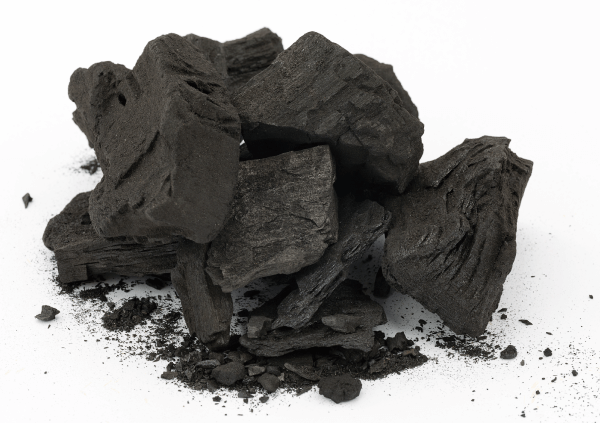
Pieces of coal
Coal is found on every continent. Since the late 18th century and the Industrial Revolution, coal has been used to power steam engines in factories and on trains and ships. Today, it is mainly used to generate electricity in coal-fired power plants.
Today, coal is used to produce nearly a third of the world’s energy.[3]
To access the rest of the unit, see the following concept sheets.