Subjects
Grades
To access the other sheets in the Forest Regions unit, check out the See Also section.
 100%
100%
 100%
100%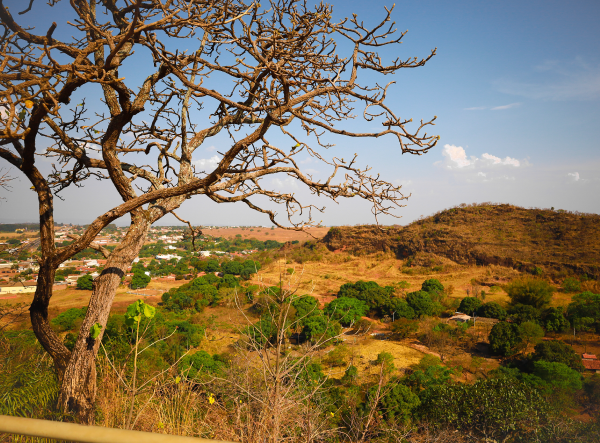 100%
100%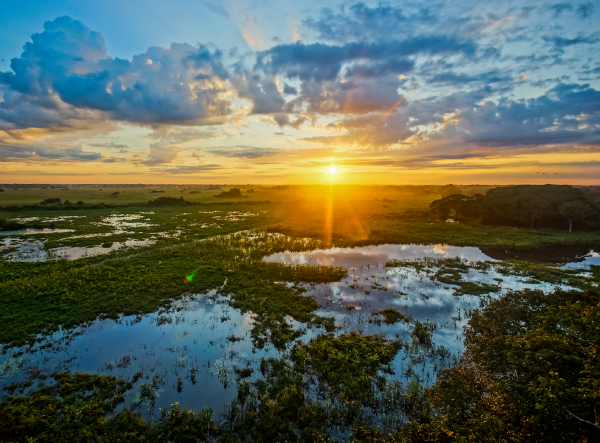 100%
100%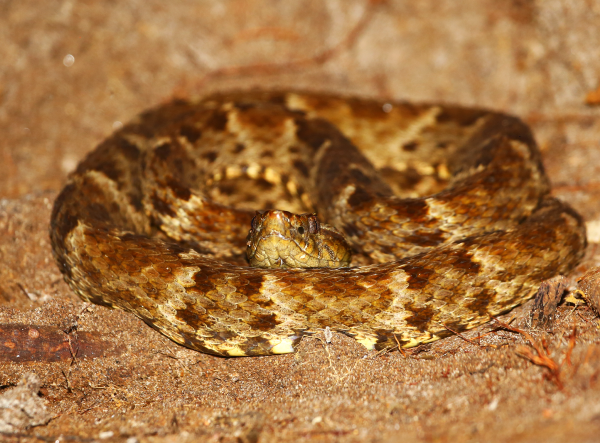 100%
100%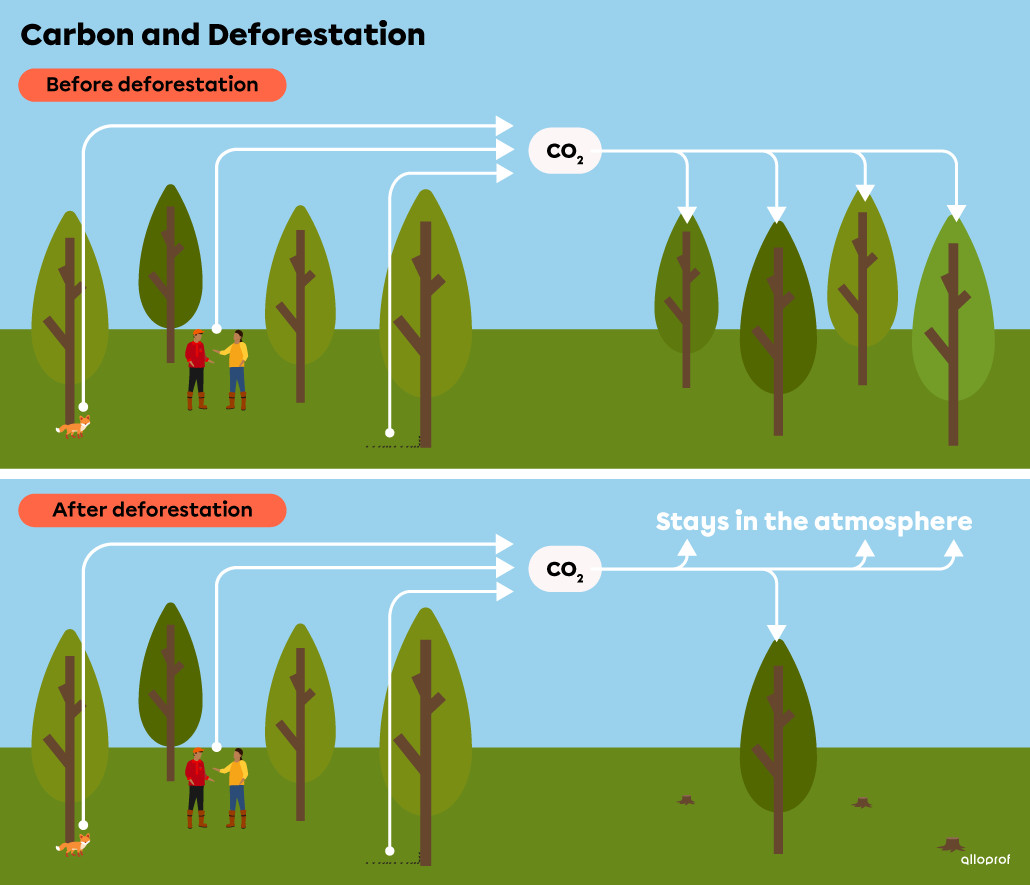 100%
100%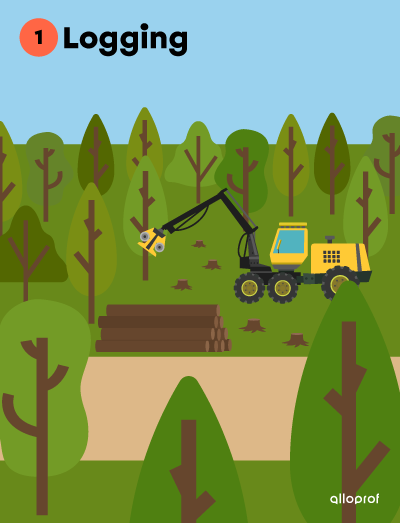 100%
100%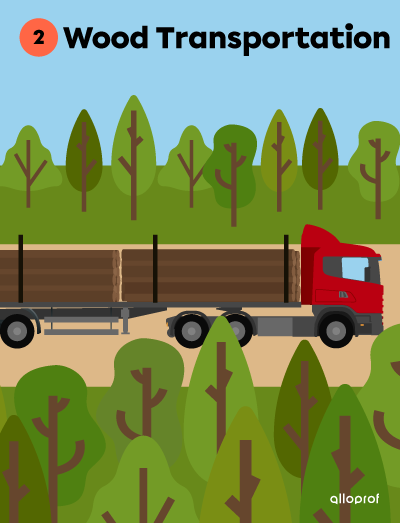 100%
100%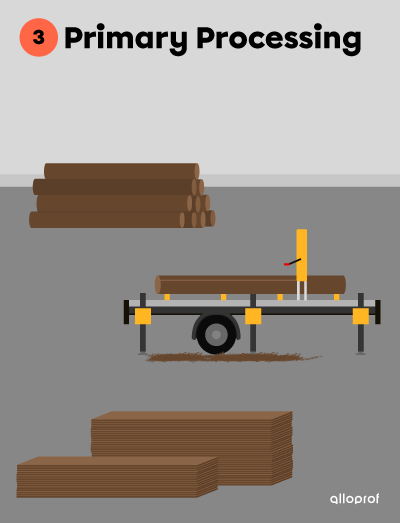 100%
100% 100%
100% 100%
100%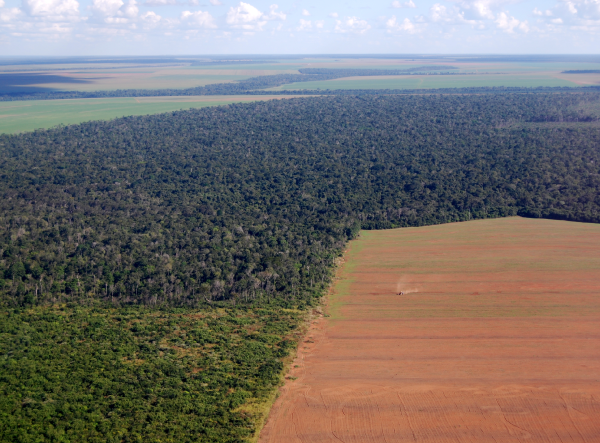 100%
100%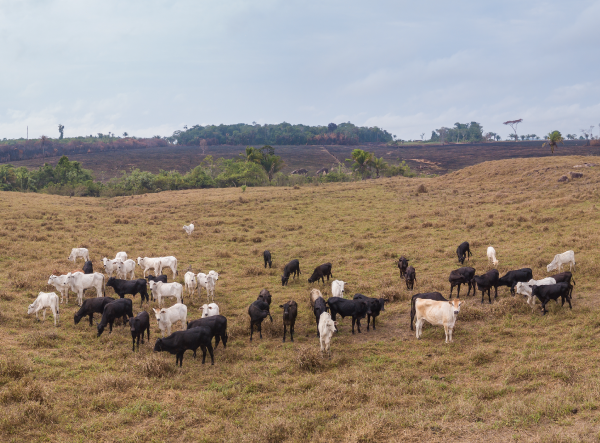 100%
100%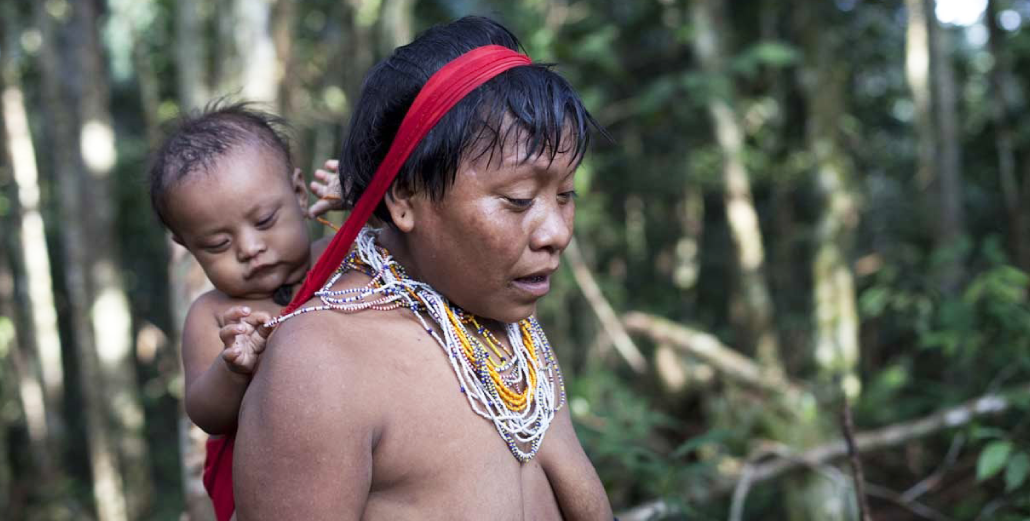 100%
100%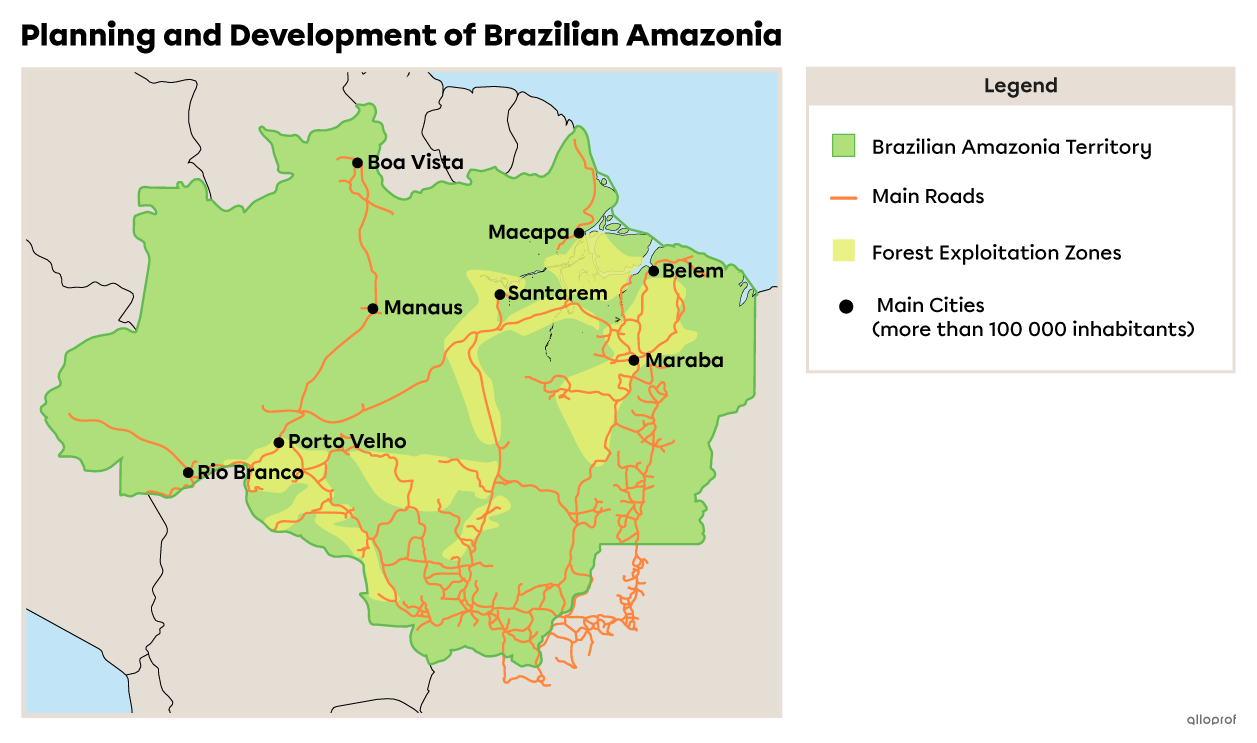 100%
100%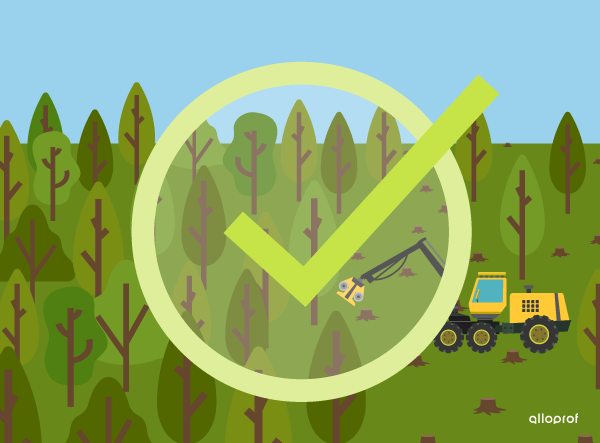 100%
100%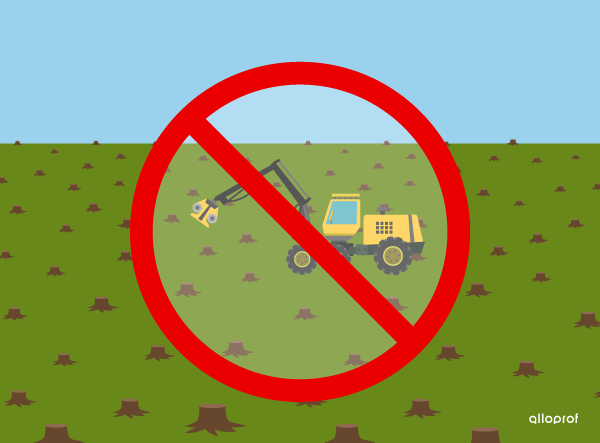 100%
100%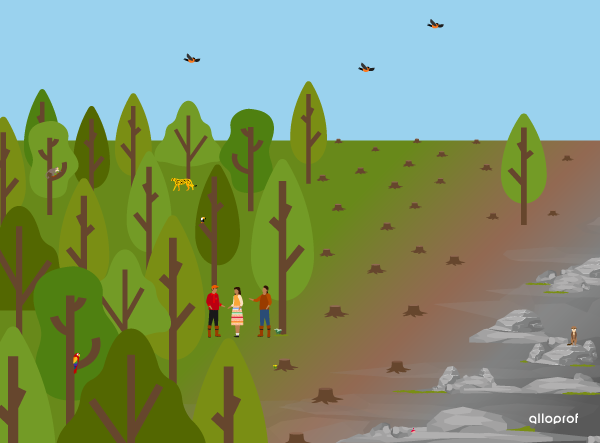 100%
100%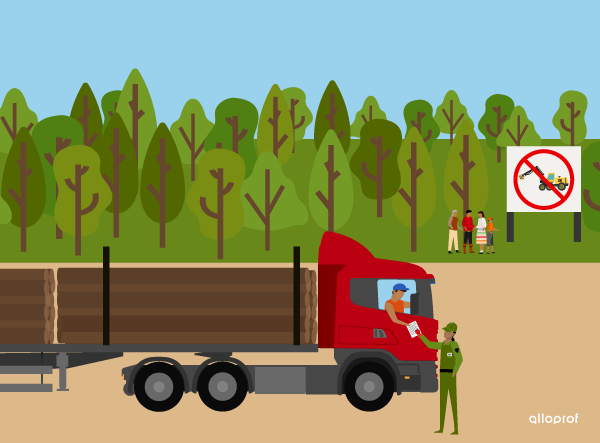 100%
100%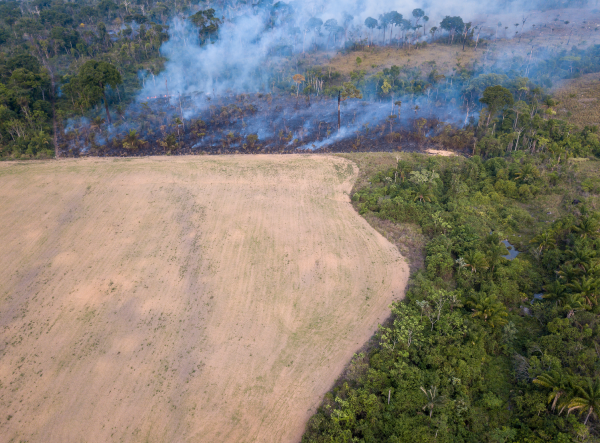 100%
100%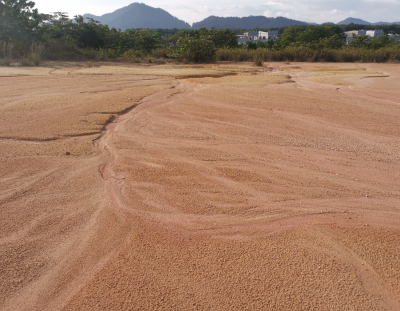 100%
100%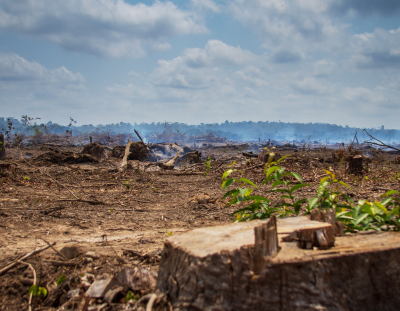 100%
100%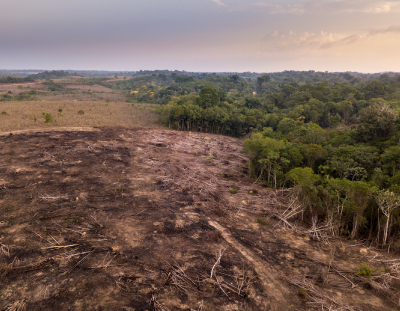 100%
100%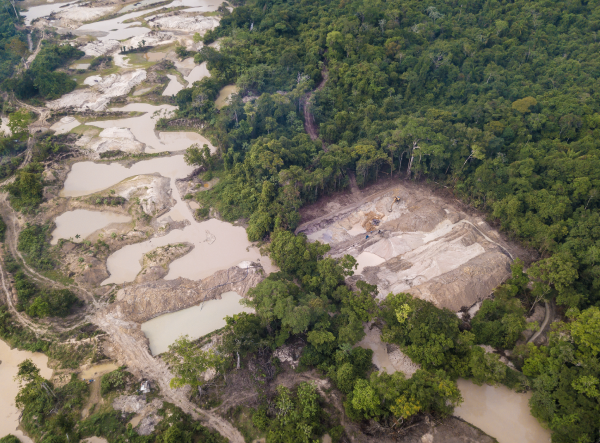 100%
100%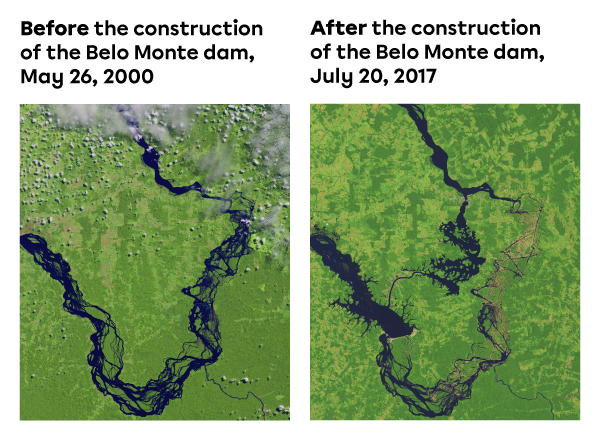
There are several stakeholders in Amazonia. Each one has a role to play. Their coexistence, meaning their sharing of this territory, is not always easy and is an issue affecting this forest region.
| Stakeholder | Role |
|---|---|
| Brazilian government | It regulates the exploitation of the territory. |
| Indigenous peoples | They protect their land and their way of life. |
| Logging companies | They harvest wood in the forests. |
| Wood processing companies | They process logs into lumber. |
| Small-scale farmers | They practise extensive agriculture. Many are selling their farmland to larger farming enterprises. |
| Large-scale farmers | They practise intensive agriculture. Many of them also raise cattle. |
| Environmental groups | They defend the territory and its natural resources. Their goal is to ensure sustainable development in the territory. |
| Miners | They mine the underground mineral ores in the Amazon forest. |

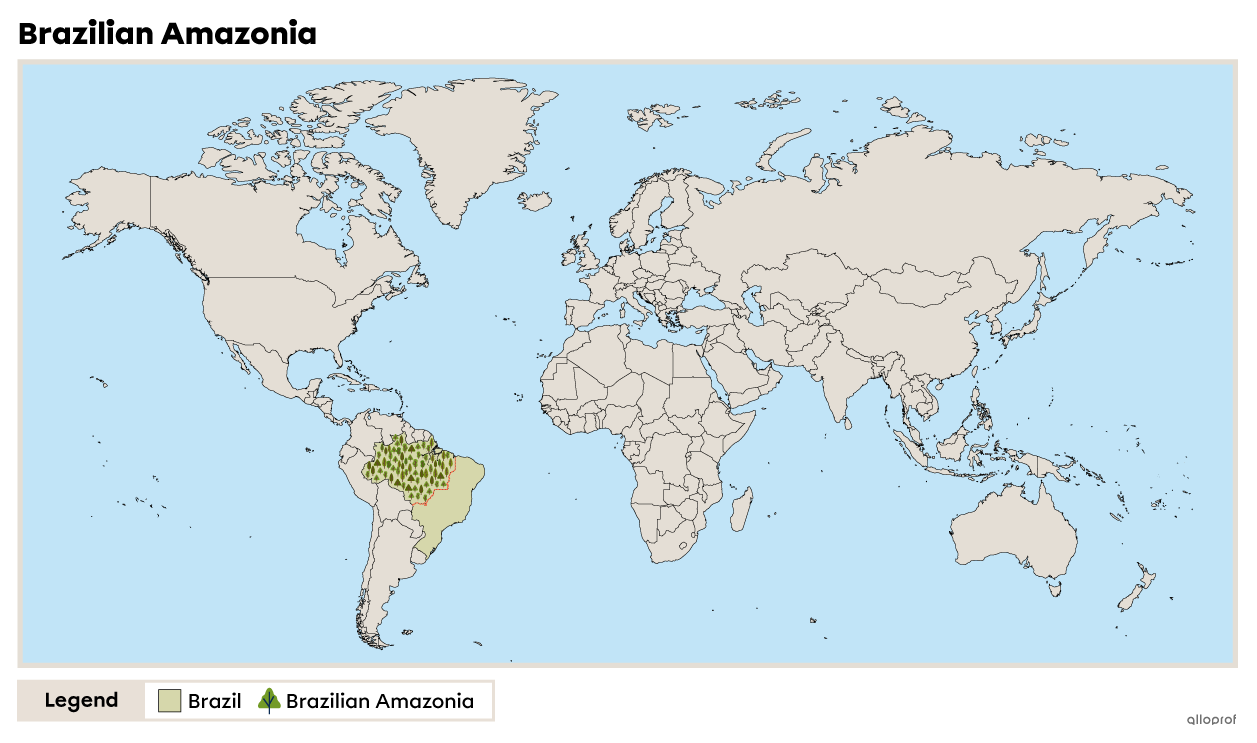
Amazonia refers to the region of the Amazon River and its tributaries, and spreads across several countries in South America. The Amazon forest covers most of this region, with the largest area in Brazil. This sheet focuses on Brazilian Amazonia.
A tributary refers to a waterway that empties into another waterway.
Amazonia has an equatorial climate. Most of it is covered by the Amazon forest, which is a tropical forest. However, Amazonia also includes a region called the Cerrado, which, unlike the tropical forest, has a dry season. South of this region is the Pantanal, consisting of prairies and flooded grasslands.
Cerrado Landscape in Brazil
Pantanal Landscape
Approximately 34 million people live in Amazonia. Most live in cities, such as Manaus, while the majority of the non-city dwellers are Indigenous people practising a traditional way of life in harmony with the forest.
Amazonia is characterized by its great biodiversity. According to the World Wide Fund For Nature, this region is home to 40 000 species of plants, 3,000 species of freshwater fish and more than 370 species of reptiles.[1] There are many new species discovered every year.
Biodiversity refers to the diversity of species (animals, plants, bacteria, fungi and protists) and ecosystems in a given area.
The biodiversity of this forest provides an opportunity to study various species and how they function. These studies advance our knowledge in several fields.
The study of the venom of the fer-de-lance snake led to the discovery of a treatment for high blood pressure.
The Amazon forest plays an important role in the global carbon cycle because the forest absorbs CO2. In the past, there was an equilibrium between the CO2 emitted and the CO2 absorbed by living organisms in the Amazon forest. However, in the past few years, the Amazon forest has been emitting more CO2 than it absorbs because of deforestation caused by human activity.
Deforestation refers to the human action of permanently eliminating an area of forest.
Before deforestation: Plants, animals and humans release CO2, which is then absorbed by plants. There is an equilibrium between the CO2 released and the CO2 absorbed.
After deforestation: There are fewer trees to absorb the released CO2, leaving it to accumulate in the atmosphere.
This diagram shows a simplified version of the carbon cycle to demonstrate the effect of deforestation on the equilibrium of the carbon cycle. To find out more about this cycle, consult the sheet The Carbon Cycle.
Many economic activities are carried out in Brazilian Amazonia.
The forest industry plays an important role in Brazil’s economy, from logging through to selling finished wood products.
The Brazilian government regulates logging.
The logs are transported by truck or boat from the forest to the sawmills. To ensure that the transported wood was cut legally, each load of wood comes with a document indicating where the wood comes from and where it is going.
The logs are processed into lumber at various mills and the scrap wood is used to make charcoal, among other things.
A sawmill is where logs are cut and milled.
Lumber refers to wood used for construction, such as planks and beams.
Some of the lumber is processed into products like furniture, flooring and window frames.
The rest of the lumber and other wood products are sold in Brazil and around the world.
In addition to the exploitation of forests, farming and ranching are also important economic activities in Brazil, including in Amazonia.
These activities are important because most of the products are exported. In 2013, Brazil was the world’s largest exporter of soya and beef.[2]
Farming and ranching also employ a lot of people in Brazil.
The term cattle refers to cows.
A Soya Field in Brazil
Parts of the Amazon forest are cut down to clear land for farming.
A Cattle Ranch in Brazil
Parts of the Amazon forest are cut down to create grazing areas for herds of cattle for the beef industry.
This is an important activity in Brazil’s economy. The Amazon forest is rich in underground mineral ores, including several gold deposits.
Tourism is a growing industry in the Amazon forest because the forest is increasingly accessible. The forest is also economically important for the cities, towns and villages in Amazonia because it creates jobs.
Observing fauna and flora
Excursions on the Amazon River
Visiting the city of Manaus
Exploring the flooded forest of Igapó
Meeting some of Amazonia’s Indigenous communities
Fauna refers to the species of animals living in a given territory.
Flora refers to the plant species present on a given territory.
In 2020, 63.4% of Brazil’s electricity was hydroelectric.[3] Most of the dams and power plants are located in Amazonia because of its many waterways.
The metropolis of Manaus is located in Brazilian Amazonia. Originally, the city relied on the wood industry, but over the years it has developed many industries, such as electronics.
Yanomami woman with her baby
There are several stakeholders in Amazonia. Each one has a role to play. Their coexistence, meaning their sharing of this territory, is not always easy and is an issue affecting this forest region.
| Stakeholder | Role |
|---|---|
| Brazilian government | It regulates the exploitation of the territory. |
| Indigenous peoples | They protect their land and their way of life. |
| Logging companies | They harvest wood in the forests. |
| Wood processing companies | They process logs into lumber. |
| Small-scale farmers | They practise extensive agriculture. Many are selling their farmland to larger farming enterprises. |
| Large-scale farmers | They practise intensive agriculture. Many of them also raise cattle. |
| Environmental groups | They defend the territory and its natural resources. Their goal is to ensure sustainable development in the territory. |
| Miners | They mine the underground mineral ores in the Amazon forest. |
Extensive agriculture refers to a type of agriculture in which yields are low because the goal is not to maximize productivity.
Intensive agriculture refers to a type of agriculture that seeks to maximize food production through mechanization and use of fertilizers and pesticides.
The purpose of planning and development has been to exploit the Amazon forest, and includes:
roads to transport wood, such as the Trans-Amazonian Highway
wood processing mills
villages to house the forest workers close to the forest exploitation zones
Several activities coexist in the Amazon forest. Given that deforestation is a very real threat for this forest, it is all the more important to apply the principles of sustainable development to these activities.
Sustainable development refers to development that respects the environment, the population and the economy with the goal of protecting them for future generations.
The following economic activities are harmful to the Amazon forest and the Indigenous communities living there:
In general, the regulations around Brazil’s forest industry are designed to ensure sustainable forest exploitation in order to protect the future of the forest and the Indigenous populations living there.
However, many companies are illegally logging, which leads to excessive cutting and threatens sustainable development.
Excessive cutting has consequences, such as:
erosion of the soil that is no longer protected by vegetation
reduced biodiversity
displacement of Indigenous peoples living in the territory
Solutions can be put in place to resolve the problem of illegal logging and its consequences:
frequent inspections of the source of the wood to ensure that it is coming from a legal cutting zone
larger protected zones reserved for Indigenous communities
Agriculture is the greatest cause of deforestation in Amazonia. Farming and ranching require a lot of land. Large areas are clear-cut illegally, often through burning in order to make the land more fertile. Intensive agriculture is the most common form of farming in Amazonia. This depletes the soil quickly, leading to a rapid decrease in production. In response, more trees are cut down and this accelerates deforestation.
Illegal Fire in Amazonia
Forests are burned to clear land for farming and ranching. Burning makes the land more fertile.
Intensive agriculture refers to a type of agriculture that seeks to maximize food production through mechanization and the use of fertilizers and pesticides.
Deforestation due to agricultural activities has various consequences.
Soil Erosion
The soil in deforested areas is at greater risk of erosion from rain and wind.
Reduced Biodiversity
The forest is a habitat for many species. With deforestation, these animals lose their living environment, which can endanger certain species.
Soil Depletion
Intensive agriculture quickly depletes the nutrients in the soil, leading farmers to burn down more forest to create additional farmland.
There are ways to reduce deforestation caused by agricultural activities, such as:
Develop more efficient agricultural techniques that are less depleting to the soil, which reduces the need to create more farmland.
Increase monitoring in order to identify areas that have been illegally burned or cut.
To pursue their activities, mining companies need to dig mines which cover large areas. This requires many trees to be cut down, adding to the deforestation caused by the agricultural sector.
Illegal Gold Mine in Amazonia
Mining also requires the construction of processing plants and hydroelectric dams, among other things. Hydroelectric dams flood large areas of the forest, further contributing to deforestation and the displacement of Indigenous populations.
Xingu River
The construction of the Belo Monte hydroelectric dam greatly changed the course of the Xingu River and led to the flooding of a large area of the Amazon forest.
As with illegal cutting and farming, mining has consequences, such as:
reduced biodiversity
water and air pollution caused by machinery, among other things
the displacement of Indigenous peoples living in the territory
There are various ways to reduce the impact of mining on the forest and on Indigenous communities, such as:
The government can put in place protected zones that cannot be exploited even if mineral ores are found there.
The government can require mining companies to clean up and reforest the site once the mine is no longer operating.
To access the rest of the module, you can consult the following concept sheets.
1. World Wide Fund For Nature. (s.d.). Amazonie. https://www.wwf.fr/espaces-prioritaires/amazonie
2. Ministère de l’Agriculture et de la Souveraineté alimentaire. (2015, 20 octobre). Brésil. Gouvernement français. https://agriculture.gouv.fr/bresil
3. GlobalData Energy. (2021, 9 septembre). Hydropower will continue to dominate electricity generation in Brazil until 2030. Power technology. https://www.power-technology.com/comment/hydropower-dominate-brazil-2030/
4. Survival International. (2021, 24 juillet). Les Autochtones du Brésil. https://www.survivalinternational.fr/peuples/bresil
5. Valadi, S. (2015, 26 mars). Yanomami Mom & Baby [Photographie]. Wikimedia commons. https://commons.wikimedia.org/wiki/File:Yanomami_Mom_%26_Baby_ (16748243030) .jpg
6. Imazon. (2010, 9 juin). A atividade madeireira na Amazônia brasileira: produçao, receita et mercados. https://imazon.org.br/a-atividade-madeireira-na-amazonia-brasileira-producao-receita-e-mercados/
7. Gilson da Costa Silva, R., Aujusto Pereira Lima, L. et Sales da Conceiçao, F. (2018). Territoires en conflit en Amazonie brésilienne: riverains et paysans contre l’hydroélectricité et l'agroalimentaire. Confins, 36. https://doi.org/10.4000/confins.13980
Social and Cultural Role
Brazil’s Amazon forest is the traditional home of many Indigenous peoples. Some 100 Indigenous communities currently live there[4].
The Amazon forest is also home to several living species that can be observed and studied.