Subjects
Grades
 100%
100%
 100%
100% 100%
100%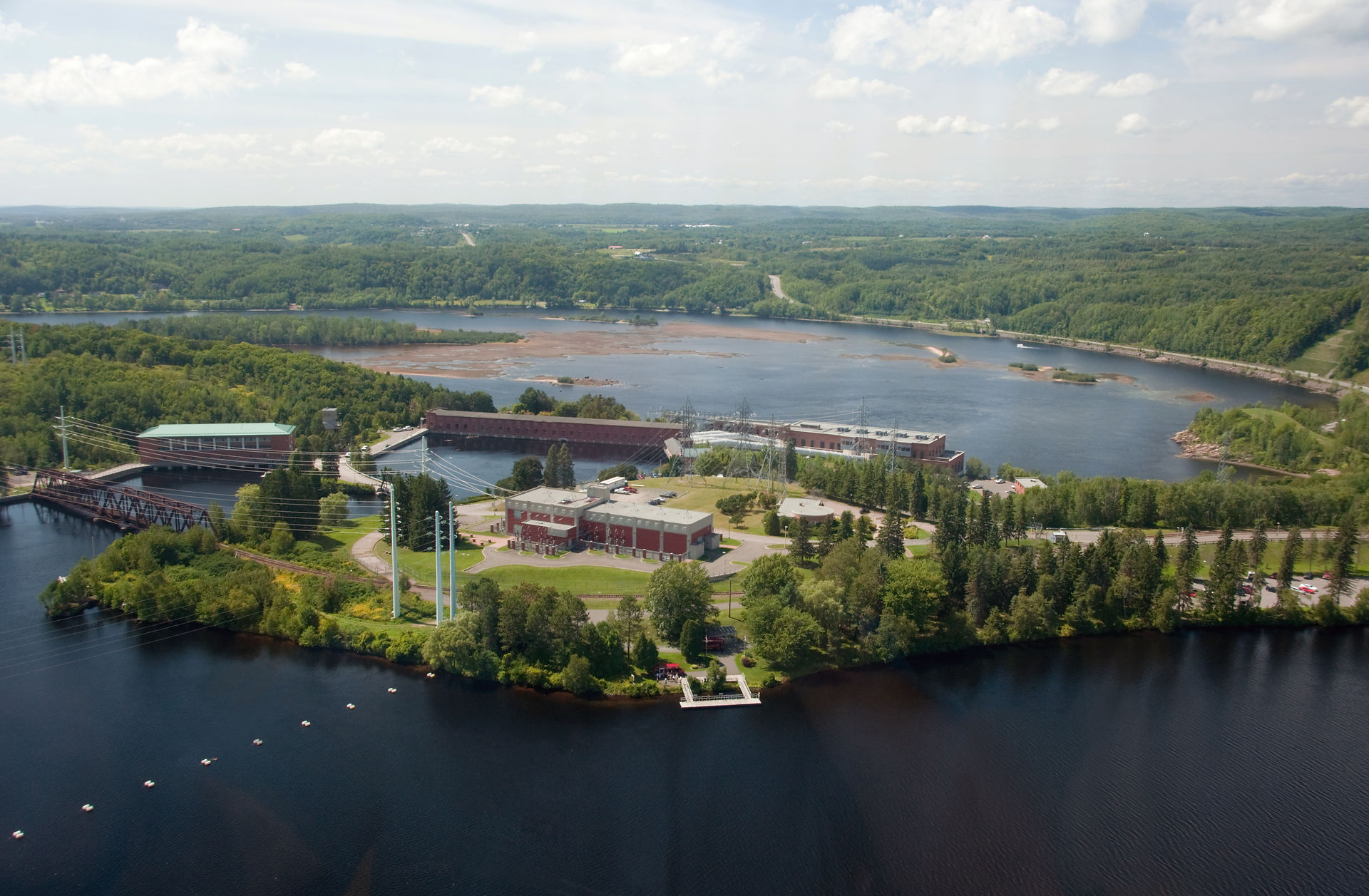
Energy is the ability to cause change.
Changes caused by energy can be a change of state of a substance, the emission of light, the emission of heat, or the movement of an object.
A campfire emits light and heat. The heat enables a change of state of the water in the kettle. The changes are caused by energy.

Changes caused by energy
Energy is expressed in joules |(\text{J})| where |1\ \text{J}| is the energy required to move an object with a weight of |1| newton |(\text{N})| over a distance of |1| metre |(\text{m}).|
Energy can also be expressed in calories |(\text{cal})| where |1\ \text{cal}| is the energy required to increase the temperature of |1\°\text{C}| of |1\ \text{g}| of water.
Furthermore, |1\ \text{cal}| equals |4.184\ \text{J}.|
Energy is an intangible concept, but we can observe it by its effects.
When the wind blows, it is invisible, but we can observe the movement of the plants and trees blown around by it.
The wind is actually the movement of air masses. Wind energy results from the movement. It is a renewable energy resource.
Plants blown by the energy of the wind
Several renewable and non-renewable energy resources are present in the environment. They are transformed to meet the needs of modern life.
A hydroelectric power plant is an example of a technological system that uses renewable energy provided by the flow of water to generate electricity.
A hydroelectric power plant in Shawinigan, Quebec