Subjects
Grades
 100%
100%
 100%
100%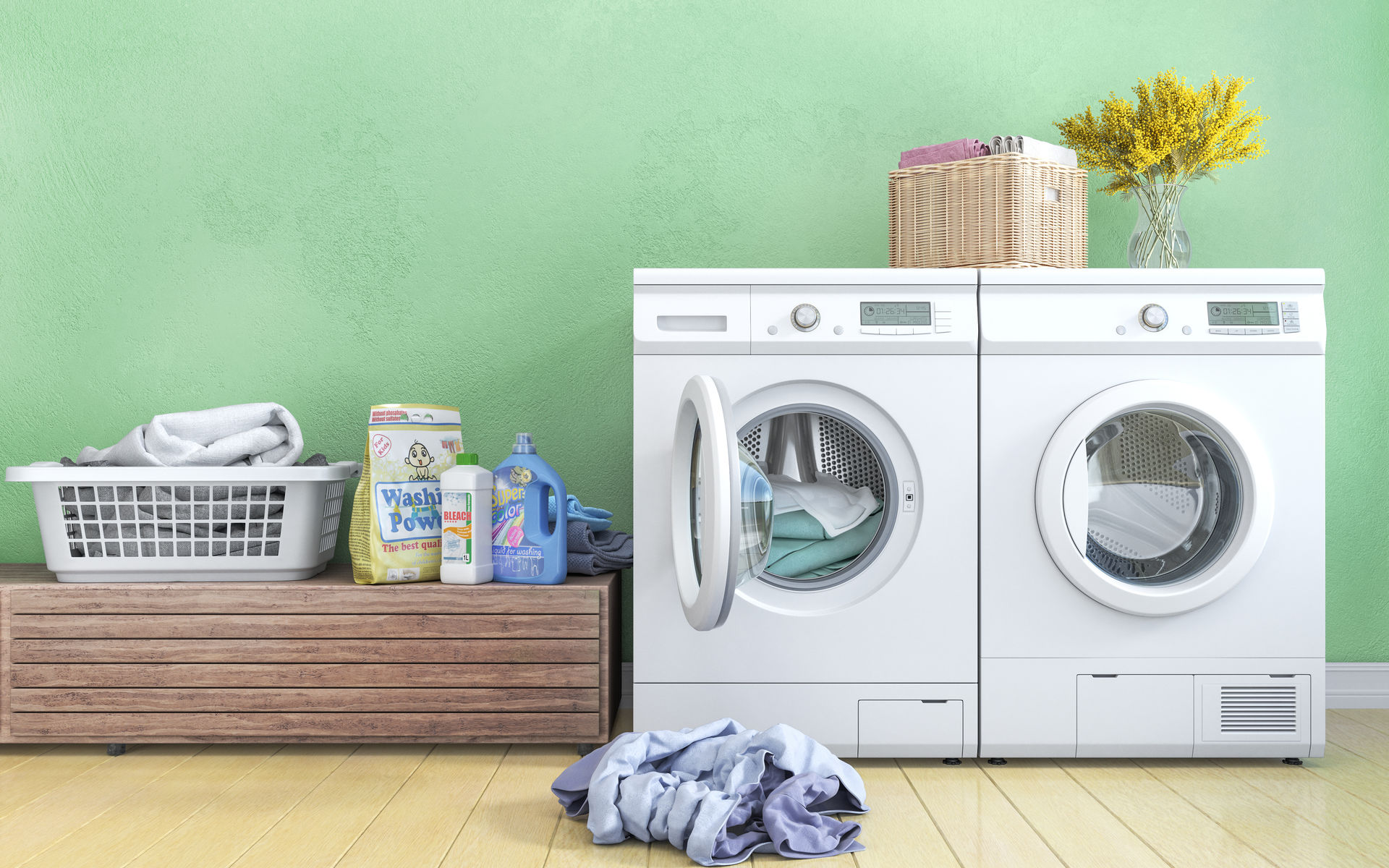
Energy is the ability to cause change.
Changes caused by energy can be a change of state of a substance, the emission of light, the emission of heat, or the movement of an object.
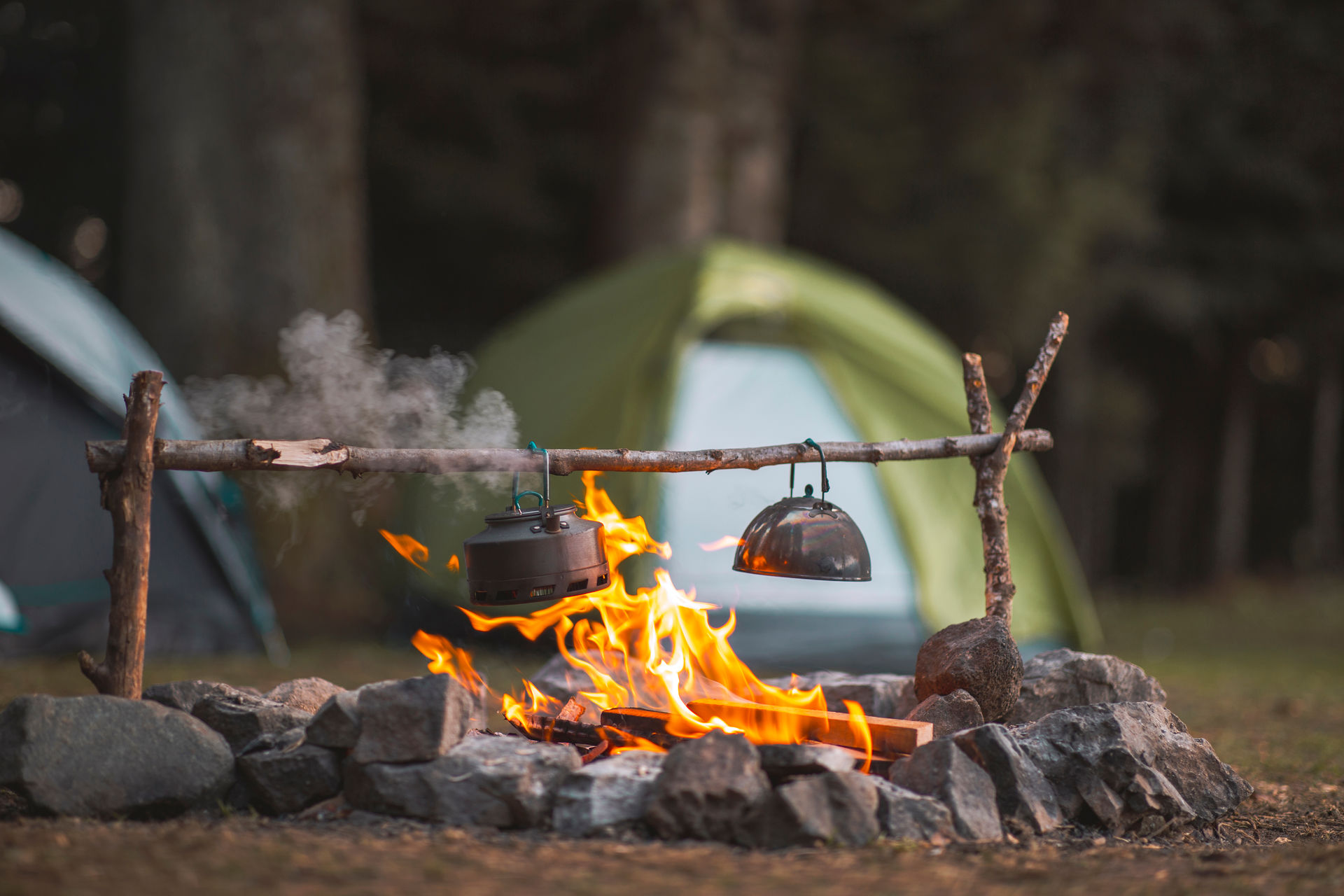
A campfire emits light and heat. The heat enables a change of state of the water in the kettle. The changes are caused by energy.

Changes caused by energy
Energy is expressed in joules |(\text{J})| where |1\ \text{J}| is the energy required to move an object with a weight of |1| newton |(\text{N})| over a distance of |1| metre |(\text{m}).|
Energy can also be expressed in calories |(\text{cal})| where |1\ \text{cal}| is the energy required to increase the temperature of |1\°\text{C}| of |1\ \text{g}| of water.
Furthermore, |1\ \text{cal}| equals |4.184\ \text{J}.|
Many everyday objects use energy to function. The energy used is then transferred or transformed, but its total amount is conserved. However, some of the energy used by a technological object can be lost in the form of heat or noise. The lost energy is called dissipated energy and is not used by the object to perform its main function.
Appliances waste as little energy as possible to provide better energy efficiency. In addition, using devices with high energy efficiency tends to reduce their impact on the environment as well as their operating cost.
Electrical energy is consumed by a dryer. The energy is transformed into motion (mechanical energy) and heat (thermal energy) to dry clothes.
When using the dryer, a certain amount of energy is released in the form of heat and noise, which is not useful for drying clothes.
By reducing the amount of energy dissipated, the dryer is more energy efficient.
Washer and dryer set