One Year of Environmental Education
Topic
Lab22 – Laboratoire d’innovations sociales et environnementales is a non‑profit organization that provides structured, democratic, educational, and personalized support to high schools making an ecological transition. This initiative is based on our Pacte de l’école québécoise, a call-to-action and roadmap for developing more eco-responsible schools in Quebec. One of our main objectives is to encourage teachers to address environmental issues and the reality of climate change in their courses, giving students the knowledge and power they need to meet the challenges of our century. To ensure the consistency and success of our work, this roadmap also includes a section on transmitting information and collaborating with families.
In an effort to extend the scope of this initiative, the members of Lab22 have partnered with Alloprof to present a year focused on the environment. The year will be divided into 10 monthly themes related to the ecological transition, communicated through short articles aimed at the following audiences:
High school teachers looking to integrate environmental and ecological transition themes into their lectures and educational activities.
Parents of teenagers who want to develop good eco-responsible and eco-citizen practices within the family.
The aim of this project is to provide teachers with concrete tools, inspiring examples, engaging experiences, and simple yet effective ideas to help them address these issues in the classroom, and to equip anyone wishing to take action and make a positive contribution to the ecological transition of our society. Although each month is associated with a specific theme, we encourage you to think outside the box, get creative, and adopt healthy eco-friendly habits all year long!
You can read and formally support the Pacte de l’école québécoise here.
Happy transition year!
Lab22 – Laboratoire d’innovations sociales et environnementales is a non‑profit organization that provides structured, democratic, educational, and personalized support to high schools making an ecological transition. This initiative is based on our Pacte de l’école québécoise, a call-to-action and roadmap for developing more eco-responsible schools in Quebec. One of our main objectives is to encourage teachers to address environmental issues and the reality of climate change in their courses, giving students the knowledge and power they need to meet the challenges of our century. To ensure the consistency and success of our work, this roadmap also includes a section on transmitting information and collaborating with families.
In an effort to extend the scope of this initiative, the members of Lab22 have partnered with Alloprof to present a year focused on the environment. The year will be divided into 10 monthly themes related to the ecological transition, communicated through short articles aimed at the following audiences:
High school teachers looking to integrate environmental and ecological transition themes into their lectures and educational activities.
Parents of teenagers who want to develop good eco-responsible and eco-citizen practices within the family.
The aim of this project is to provide teachers with concrete tools, inspiring examples, engaging experiences, and simple yet effective ideas to help them address these issues in the classroom, and to equip anyone wishing to take action and make a positive contribution to the ecological transition of our society. Although each month is associated with a specific theme, we encourage you to think outside the box, get creative, and adopt healthy eco-friendly habits all year long!
You can read and formally support the Pacte de l’école québécoise here.
Happy transition year!
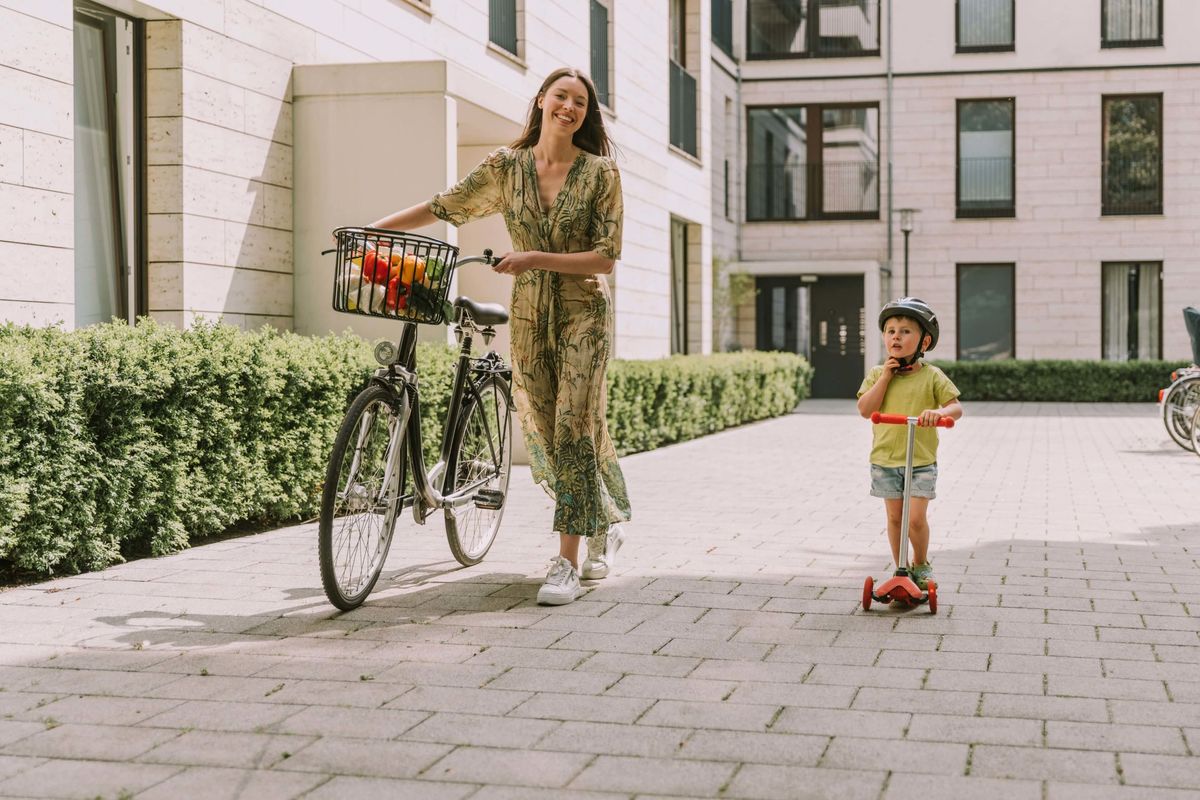
For the back-to-school month, Lab22 offers you three tips and tricks to tackle the issue of sustainable mobility as a family.
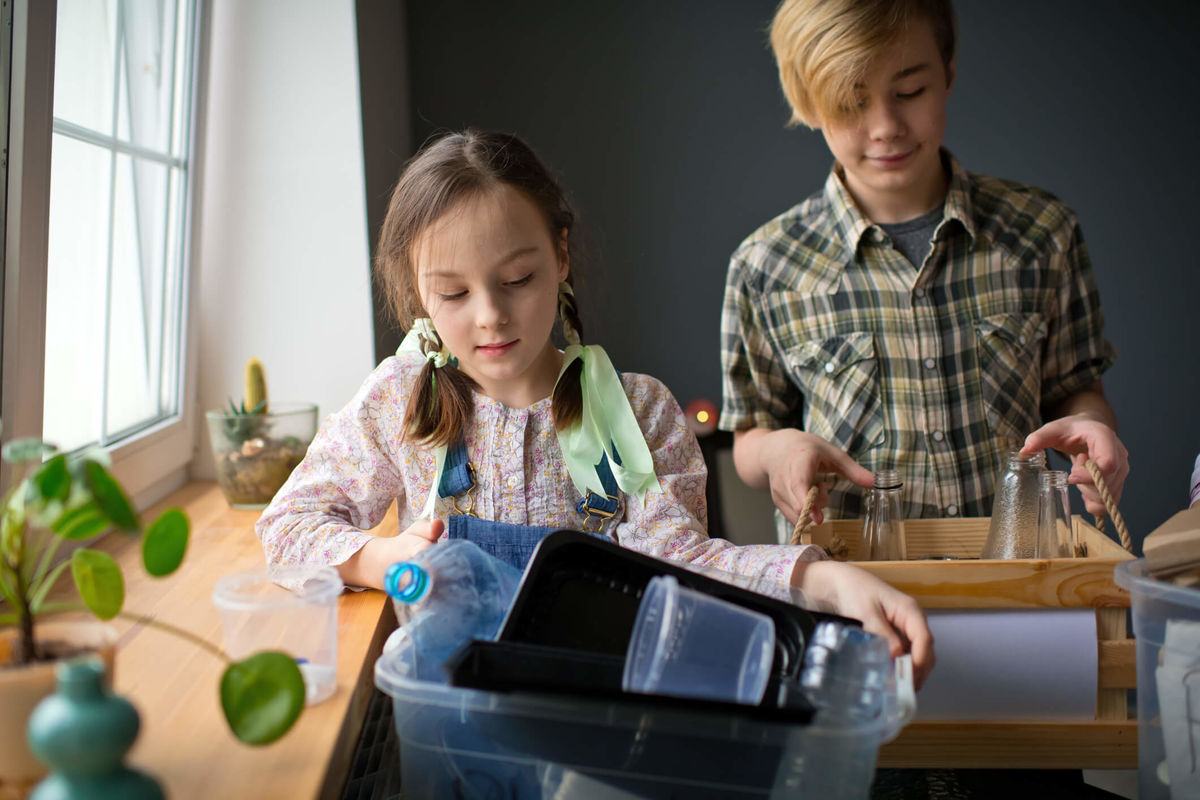
All of us in Quebec have to learn to consume smarter, but more importantly, to consume less. You have probably heard of the 3Rs, a framework that helps us be more conscious about our daily consumption habits. At Lab22, we take it one step further with the 6Rs: refuse, reduce, reuse, repair, recycle, and recover!
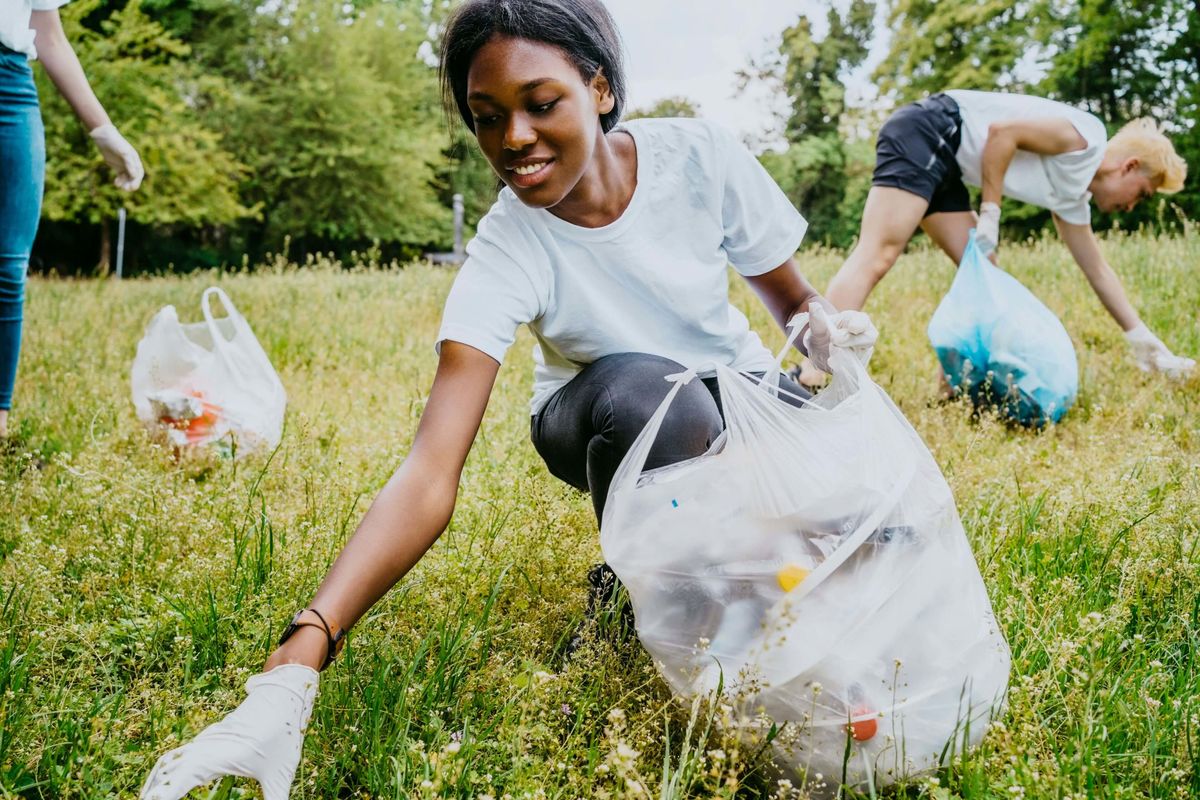
There are many tools you can use as a parent to help your child turn their eco-anxiety into eco-hope. Here are a few recommended strategies.
According to an assessment by the Institut de recherche et d’informations socio-économiques (IRIS), Quebecers are consuming twice as many natural resources as is ecologically viable. During this time of frenzied (over)consumption, we would rather talk about degrowth. What if we decided to take a breather instead of running out of steam this year?
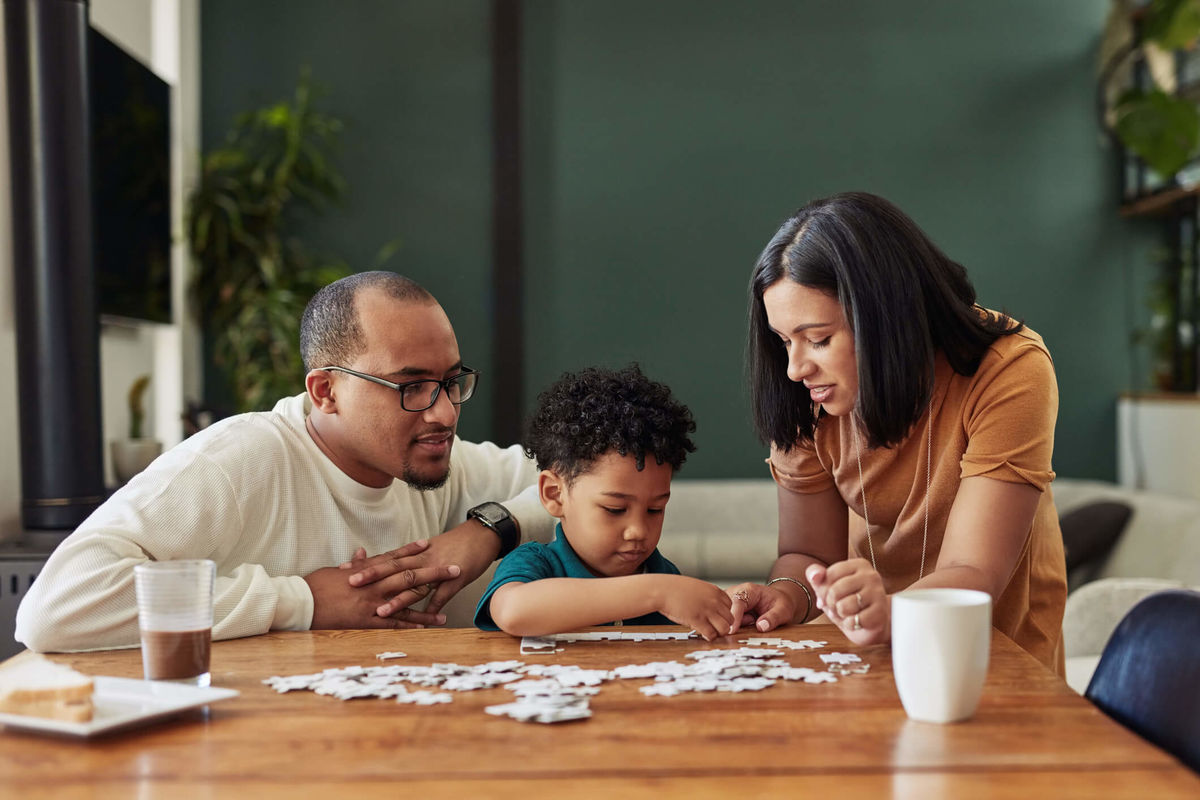
Screens have become part of day-to-day life both at school and at home. Due to manufacturing processes and our ever-growing use of digital devices, which requires energy-intensive data centres, the digital sector recently overtook aviation in terms of global greenhouse gas emissions.
The good news is, there are ways we can reduce the environmental impact of our digital consumption thanks to digital sobriety.
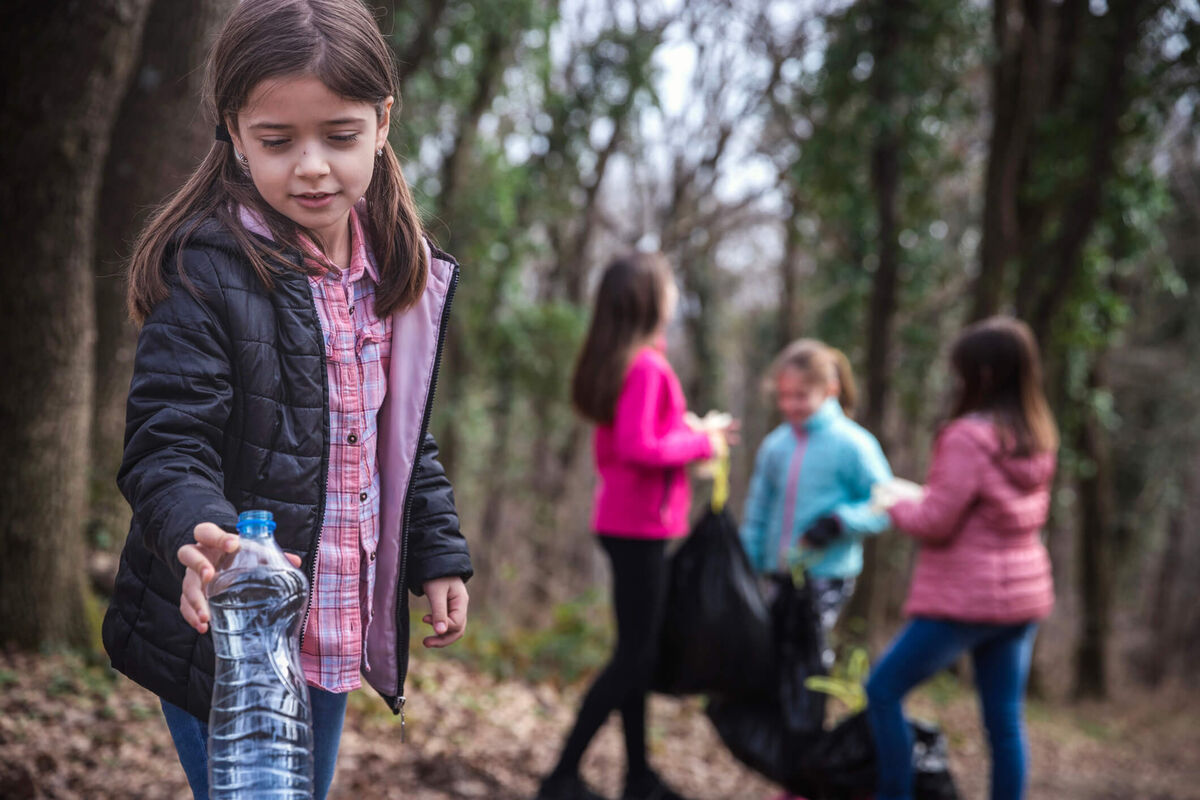
According to the UN, education is the best way to combat climate change. (UN, 2023) Young people first start learning at home. Interactions with family members, routines, and everyday experiences play a key role in the development of their intellectual, emotional, and social skills. If you foster an environment where caring for the earth is part of your family values, your child will develop a respect for nature and essential skills to face the greatest challenge of this century.
Here are a few recommendations for making your home a place that supports the development of environmental responsibility and ecological citizenship skills.
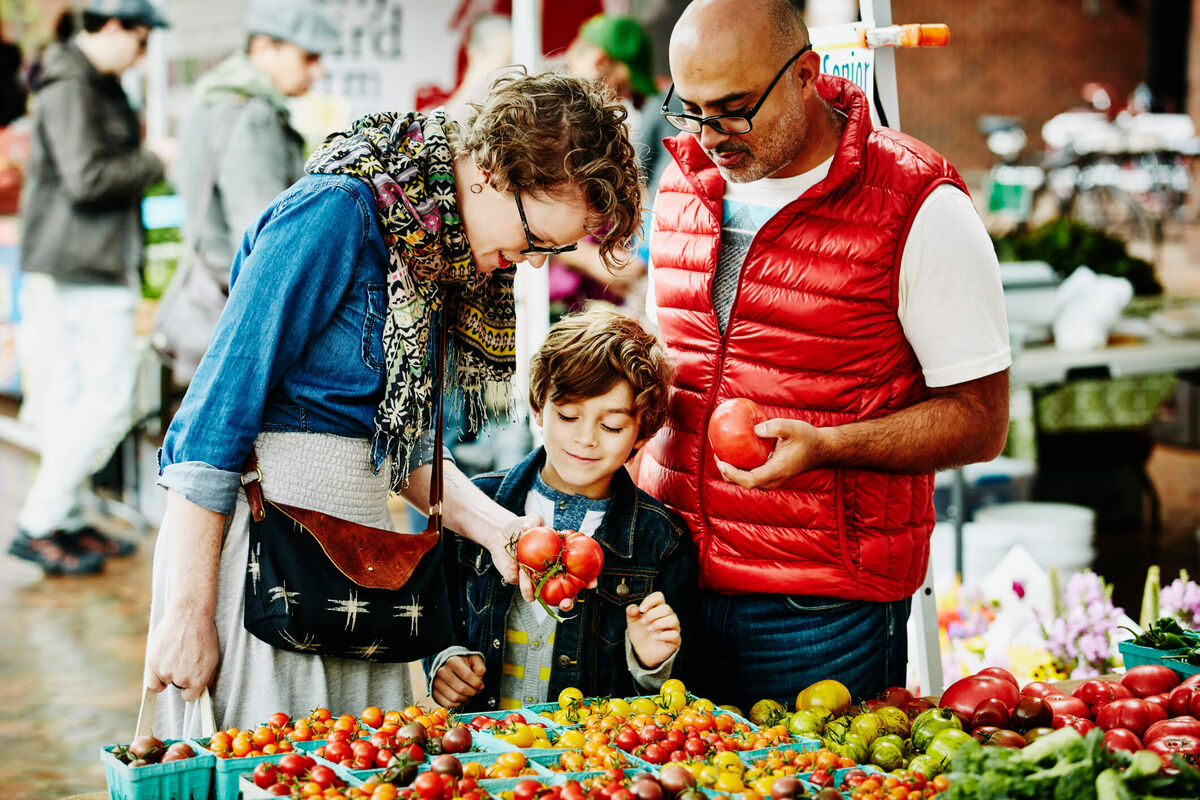
The food industry produces more than just the food we eat. It is also a major source of greenhouse gases, accounting for over one-third of total emissions. From our food choices to our eating habits, every bite we consume has a colossal impact on the carbon footprint of our diets. However, it can be difficult to navigate the sea of information on this topic. Which is better, buying organic or buying local? Eating less meat or buying more products in bulk? What factors make the biggest difference? Here are a few tips to help you make informed decisions at home.
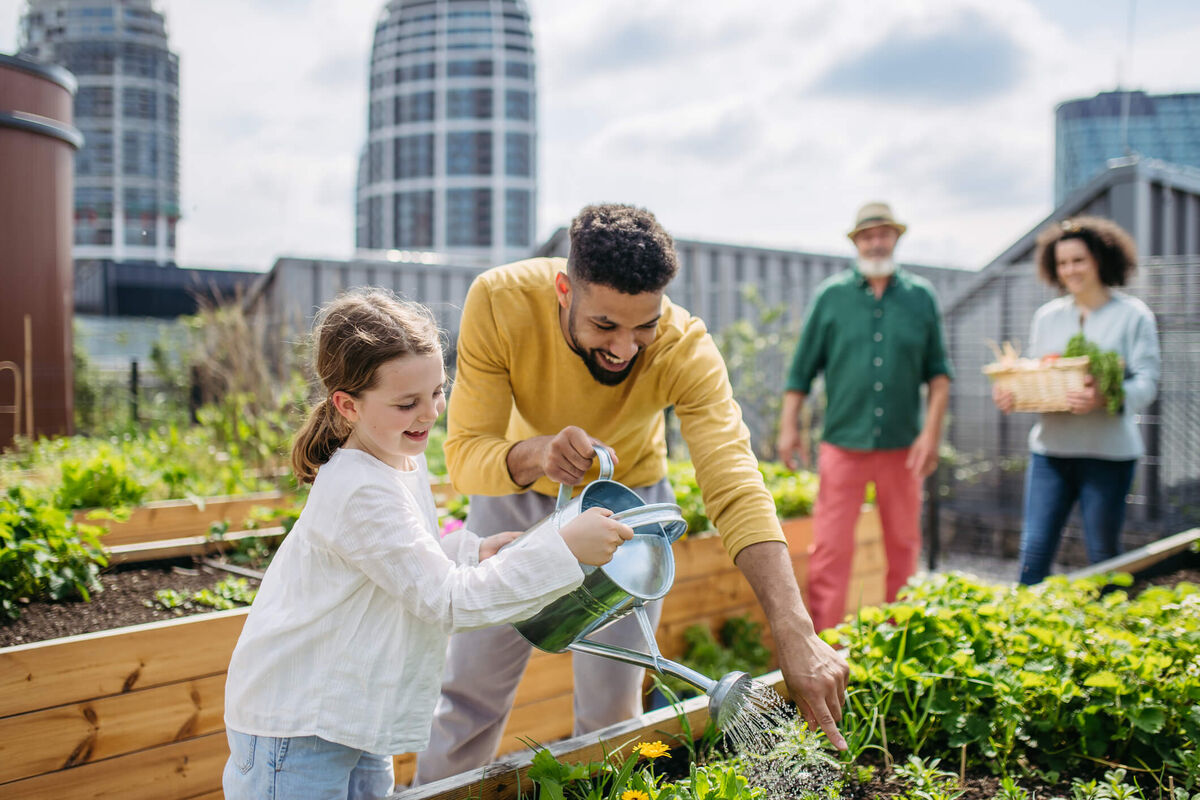
Environmental citizenship goes beyond integrating earth-friendly habits into our daily lives. To be active environmental citizens, we must extend our sense of civic duty to environmental issues. We must acknowledge that the earth is a precious ecosystem that we share with all living things, and each of us is responsible for taking action in our communities to preserve it. Here are three ways to develop your children’s environmental citizenship skills.
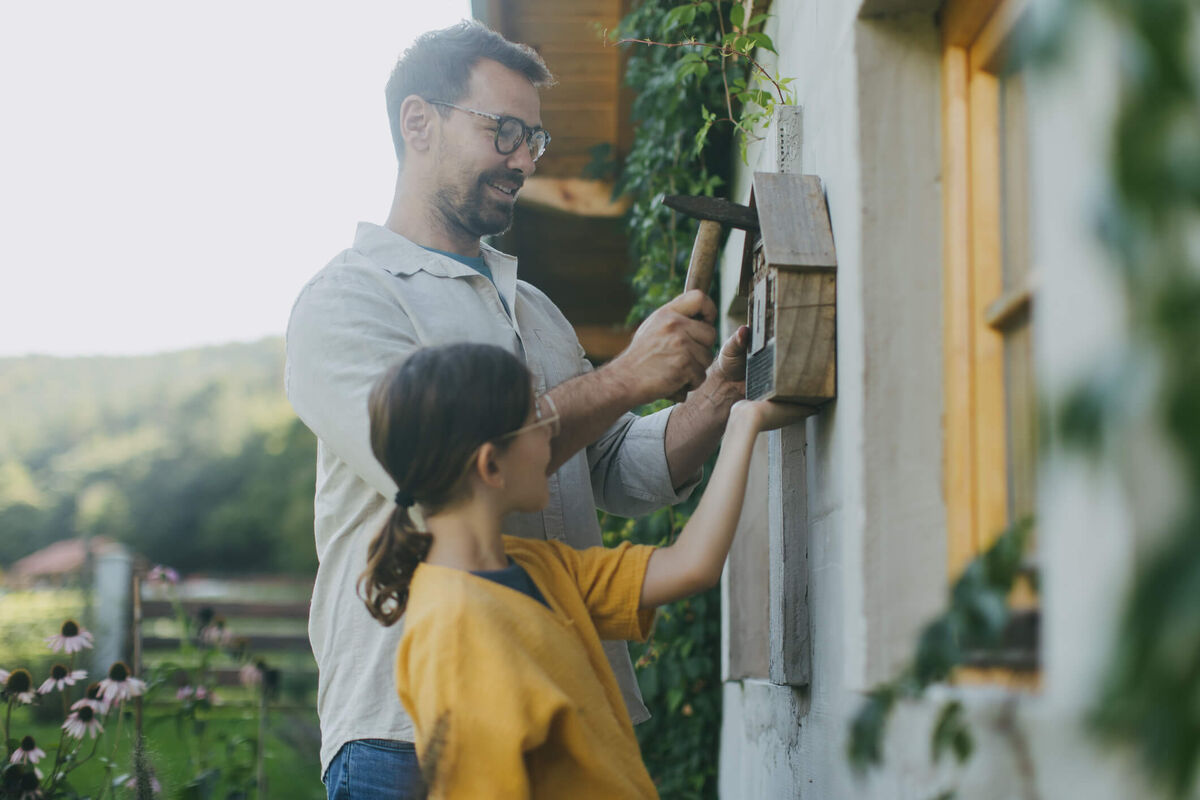
Between 20% and 50% of all living species on Earth could disappear by the end of the 21st century. There are a number of simple and effective things you can do at home to raise your child’s awareness and take concrete action in response to this critical issue.
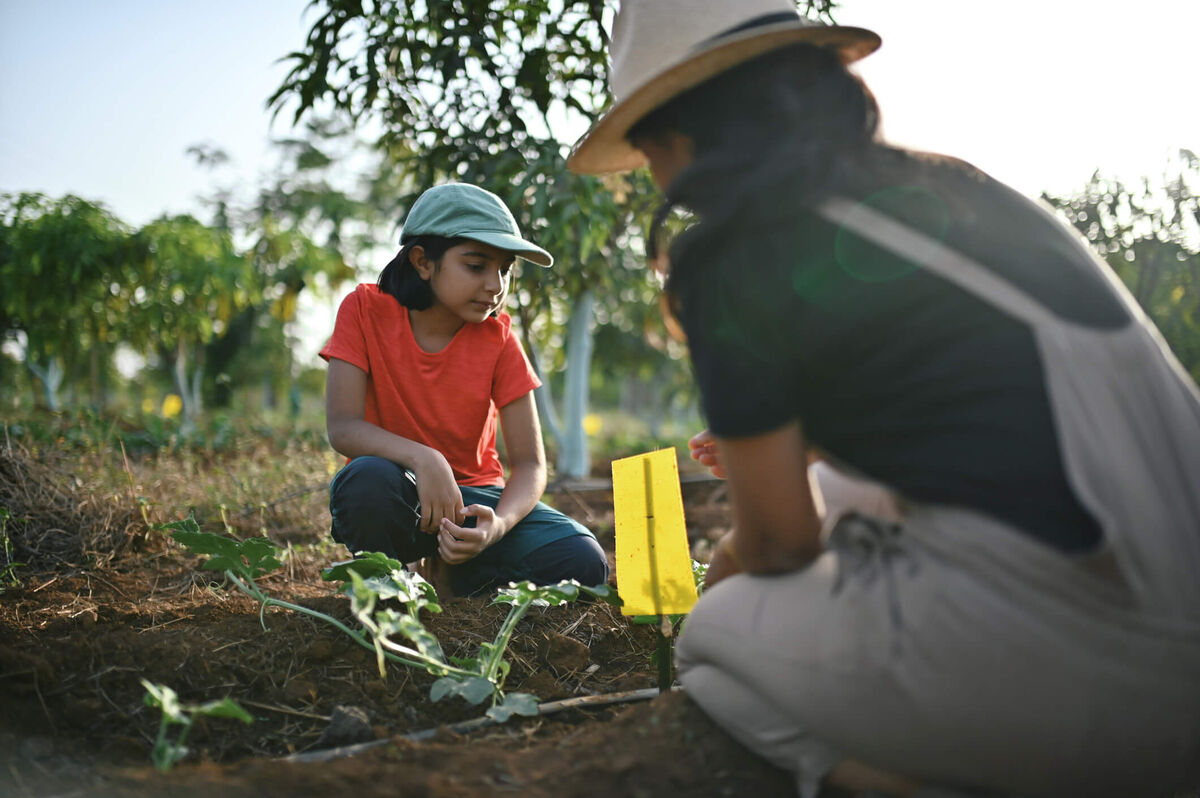
The climate crisis is manifesting differently from country to country. Climate justice is a concept that highlights inequalities in how climate change is affecting different populations. Groups that are more vulnerable or marginalized—such as women, Indigenous peoples, low-income and homeless individuals, the elderly and the young—are often more exposed to environmental risks and damage, yet lack sufficient decision-making power to act on the issue.
Talking to your children about climate justice can be daunting, given the complexity of the subject. Here are some recommendations for exploring the concept together, plus a few ways to make a difference.
Do you have questions about your child’s education? Contact our specialists free of charge by phone (1‑888-776-4455), Messenger, or email (info@alloprofparents.ca). You can reach them Monday to Thursday from 5 p.m. to 8 p.m., and Sundays from 2 p.m. to 5 p.m.