Subjects
Grades
To access the other sheets in the Tourism unit, consult the See Also section.
French Polynesia consists of 5 island archipelagos. Tahiti is one of the 118 islands belonging to one of those archipelagos, along with Bora Bora and Moorea. It is a territory that belongs to France. Located in the Pacific Ocean, the island covers an area of 1043 km2[1]. The island is divided into 2 parts: Tahiti Nui (the larger part) and Tahiti Iti (the smaller part). These two parts are linked by a strip of land called the Isthmus of Taravao. The capital of Tahiti is Papeete.
An archipelago is a group of islands.
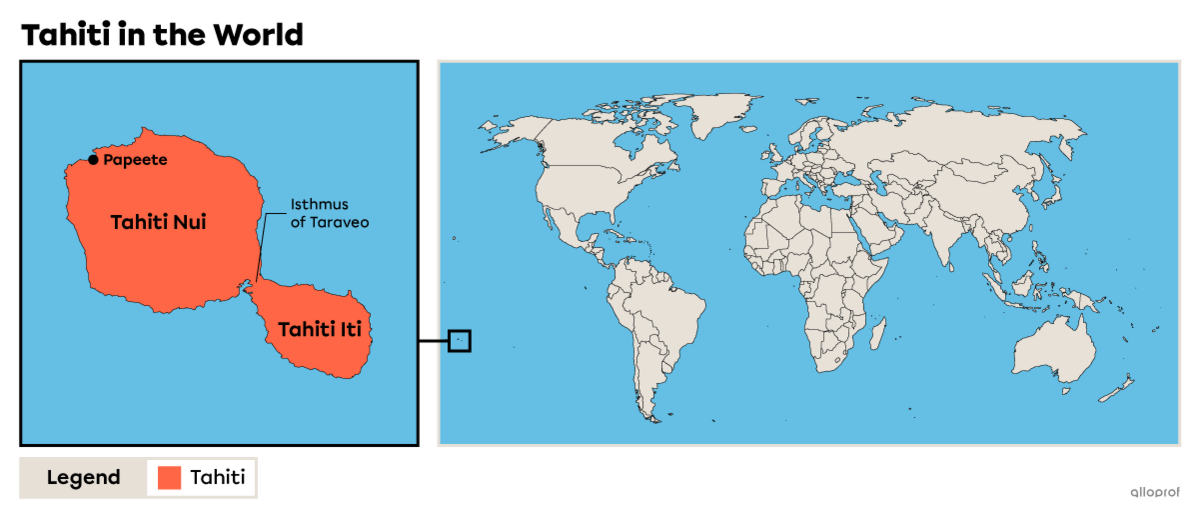
Tahiti is formed from 2 now-extinct volcanoes, making its topography very rugged (mountainous). There are beaches, lagoons and coral reefs on the island.
The island has a tropical climate. Temperatures are mild and warm throughout the year. Summer and the rainy season last from December to March.
In 2017, 275 918 people were living in French Polynesia[2], the majority in Tahiti. In the same year, the archipelagos welcomed 198 959 tourists[3].
A lagoon is a body of water separated from the sea by a coral reef.
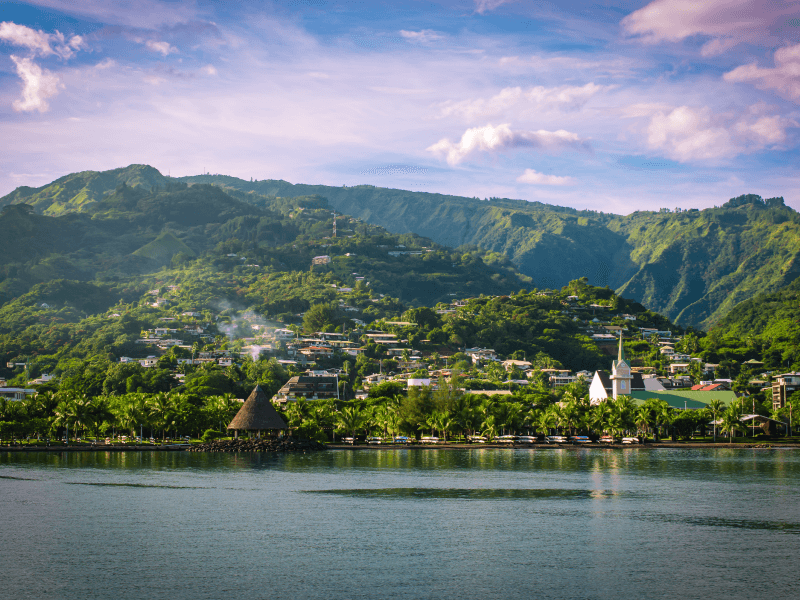
The city of Papeete
Tahiti's diverse landscape allows tourists to practise different forms of tourism:
The many mountains, valleys and caves in the interior of the island make Tahiti a perfect place for nature tourism.
Black sand or white sand beaches allow visitors to enjoy beach tourism.
Surfing, paragliding, catamaran sailing and scuba-diving are activities that attract adventure tourism enthusiasts.
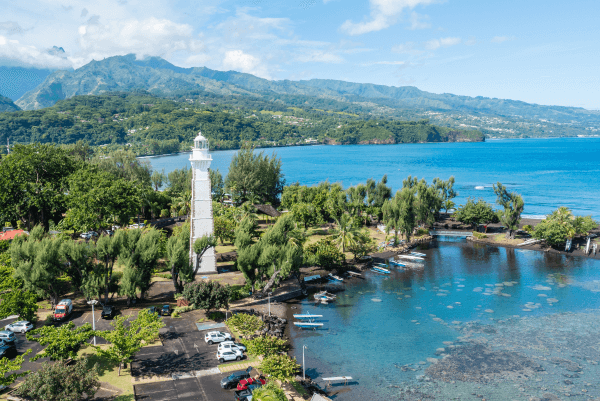
Pointe Vénus is a black-sand beach highly regarded by locals and tourists alike. It lies to the north of the island and offers superb views of the surrounding mountains. Tourists also visit the lighthouse, a historic monument built in 1770. It was the first to be built in the South Pacific Ocean. Several plaques with information on Tahiti's history are installed at different points on the site.
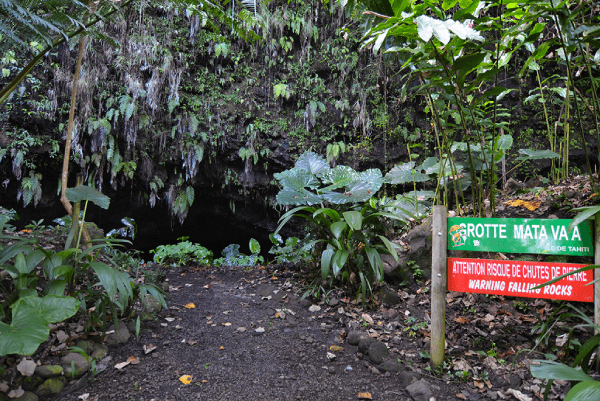
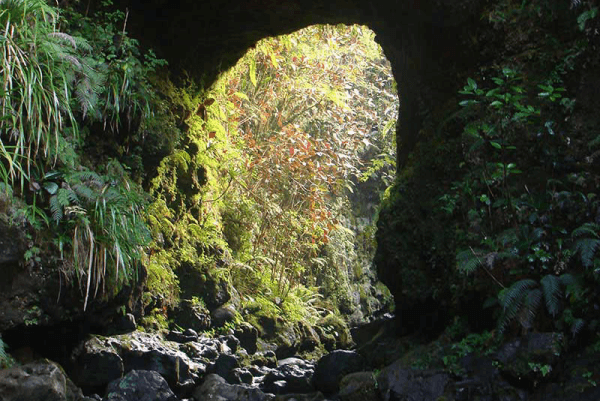
The Maraa caves are natural caves located on the west coast of the island. It's a set of 3 caves carved into the rock with pools of water. The largest is called Te-ana-pape-o-Vai-poiri and the other two are Mata-Va'a and Vai-patoto.They are surrounded by vegetation both inside and out and several species even grow on the ceiling.
The Fautaua Valley is the best-known valley on the island of Tahiti. It's possible to take a number of hikes here to see different landscapes, such as mountains, several waterfalls and much more. A very popular waterfall is the Cascade de Loti, which is 135 metres high and where it's possible to swim. It's also possible to visit a marae, a Polynesian sacred place.

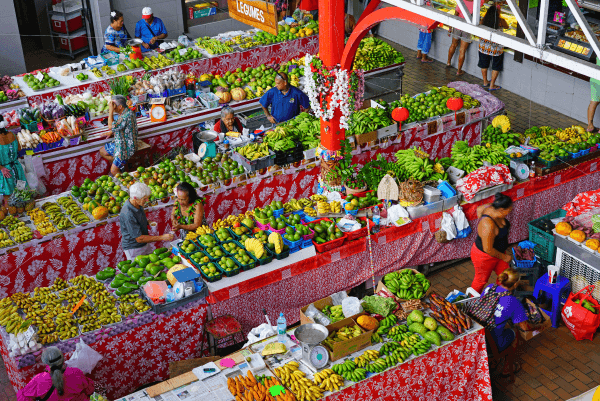
The Papeete market, open since 1847, is a covered public market where merchants sell fresh fish, vegetables, exotic fruits and more. It's also possible to find flowers, handicrafts and handmade souvenirs, such as shell necklaces, woven hats and various local specialties.
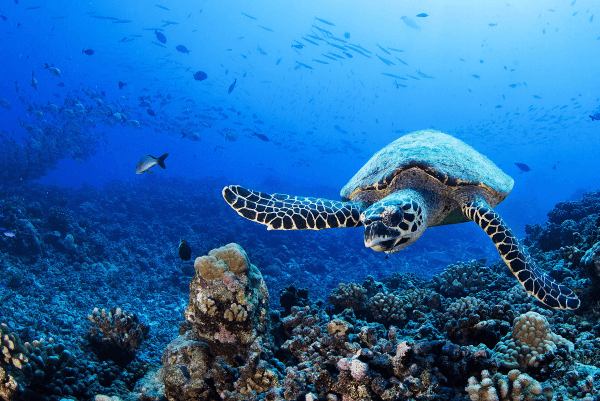
Tahiti is surrounded by coral reefs. Several excursions are organized to observe various marine species. You can swim with sharks, humpback whales or sea turtles, and even visit shipwrecks. Snorkelling is also very popular, offering the chance to swim in the reef with a variety of fish and even rays.
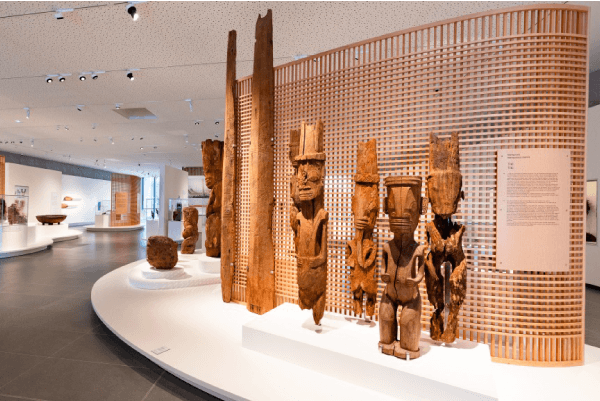
The Musée de Tahiti et des Îles, also known as Te Fare Iamanaha, is the perfect place to learn more about Polynesian history and culture. The museum's mission is to restore and share with the public different collections of Polynesian heritage.
Lava tubes are rock tunnels that were carved out by lava several million years ago when the island was formed. Adventure tourists can choose to visit these tunnels by hiking or canoeing. This is often done with headlamps, since it's pitch black inside the tunnels. It's also possible to abseil and jump into the water, all in total darkness.
The island of Tahiti has several infrastructures to welcome tourists. One particularly important tourist infrastructure is Faa'a International Airport, located near Papeete. It is the country's only international airport, so all tourists land there.
The tourism department has also installed new signage at a dozen tourist sites to make them more easily accessible to tourists.
There are many ways to get around Tahiti.
Some areas can be visited on foot. This is the case in Papeete, where the seaside, market and restaurants are all relatively close by.
To visit the surrounding islands, tourists can hire a motorboat or yacht (private boats).
There is also a public transport network with some twenty bus routes connecting Papeete to neighboring towns.
While the public transport network is relatively well organized in urban areas, remote areas have little or no service. This is why many tourists decide to rent their own means of transport to get around the island.
The easiest way to get around Tahiti is to rent a car or scooter. This allows tourists to move around freely anywhere on the island.
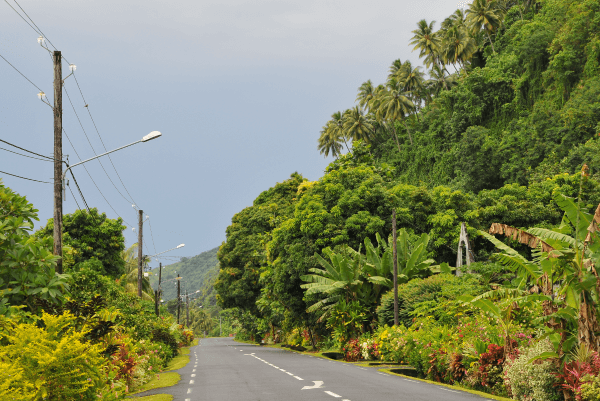
There is a wide variety of accommodation available to tourists visiting Tahiti.
|
Types of accommodation in Tahiti |
|
|---|---|
|
Hotels |
Many tourists choose to stay in a hotel during their stay on the island. The dozen or so hotels on the island can accommodate about 2500 people. The classification of these hotels varies between 3 and 5 stars[8]. |
|
Youth hostels |
A youth hostel is an establishment that offers beds in dormitories or shared rooms. As such, costs are often much lower than other accommodation options. There are 4 hostels on the island of Tahiti[9]. |
|
Guesthouses |
Guesthouses are accommodations that allow tourists to immerse themselves in Polynesian daily life. They are often small bungalows located close to a family home and equipped with basic services. Families often offer a range of local activities. |
|
Camping |
Camping is a type of accommodation also available in Tahiti. In 2023, there were 11 campsites in operation on the island[9]. This type of accommodation is usually less expensive. |
|
Airbnb |
Like elsewhere in the world, there are several Airbnbs available for rent on the island of Tahiti. Different types of accommodation are available, such as apartments, houses, huts or even villas. |
|
Boat charter |
Boat charters are an unusual type of accommodation. Instead of staying on land, tourists can choose to stay on a boat, such as a catamaran. |
Tourism is one of the most important sectors in the economy of French Polynesia, including Tahiti. It accounts for around 20% of jobs[10]. In 2022, the region welcomed approximately 218 750 tourists[3].
Tourism in Tahiti is mainly based on natural attractions, such as beaches and coral reefs. However, the development of this type of tourism poses challenges to the environment.
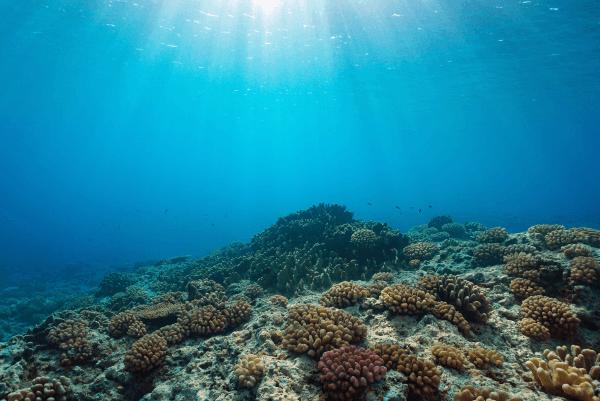
French Polynesia welcomes a large number of tourists every year, requiring the construction of infrastructure to accommodate them. However, building infrastructure sometimes means destroying the environment. For example, when the government decided to extend the airport runway and widen the port of Papeete, 20% of the coral reefs around Tahiti were destroyed to make this development possible[11].
Marine pollution is another issue linked to tourism. Although there are regulations for tourists and residents that serve to mitigate the risks associated with waste from sailboats, these are not always respected. This pollution has a disastrous impact on coral reefs. The accumulation of waste, particularly plastic waste, increases the risk of coral reefs disappearing.
Despite the fact that Tahiti already has several infrastructures to welcome tourists, they remain insufficient. More infrastructure is needed to accommodate cruise ships and yachts. The capacity of Tahiti airport could be increased to accommodate more flights.
During the busier seasons, the island is short on accommodation, which limits the number of tourists who can come and stay. The authorities therefore want to increase the number of hotels, youth hostels, furnished accommodation and campsites. They also want to train staff in the accommodation sector so that tourists can enjoy an experience that lives up to their expectations, wherever they choose to stay.
Encouraging tourists to come at different times of the year, and not just during high season, is another potential solution. This way, accommodations are used all year round, not just for a few months. Tahiti can therefore welcome more tourists if they are spread out during the year.
Various projects related to tourist accommodation have emerged over time in Tahiti. The Tahitian Village project, meanwhile, has been in development for several years. In 2023, this project reached an important milestone.
It would involve building a hotel complex which, once completed, would add nearly 900 rooms to accommodate tourists. It is also expected to create over 1800 jobs[16]. In addition to the hotels, a green space would be created, accessible to both residents and tourists.
Sustainable tourism is a type of tourism in which development respects the population, economy and environment of each region.
In 2022, the government of French Polynesia tabled a new tourism development strategy named Fāri'ira'a Manihini, which covers tourism development until 2027. Through this strategy, the country aims to become a more inclusive and sustainable tourism destination. The objective of this approach is to avoid the negative impacts of mass tourism while encouraging tourism activity in the territory. More specifically, the strategy seeks:
environmental protection
cultural preservation
economic development to meet the needs of the population
One of the measures put forward is to limit the number of tourists in order to minimize the environmental and cultural impacts caused by overcrowding. The target limit is 280 000 tourists per year across French Polynesia[17]. This ensures that in any given year, the country will not receive more tourists than its number of inhabitants.
To access the rest of the unit, please consult the following pages.