Subjects
Grades
 100%
100%
 100%
100%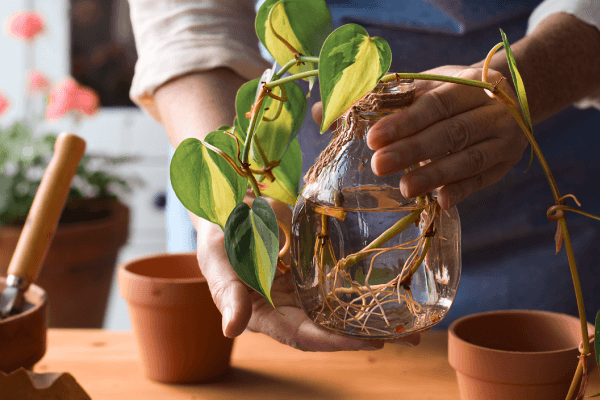 100%
100%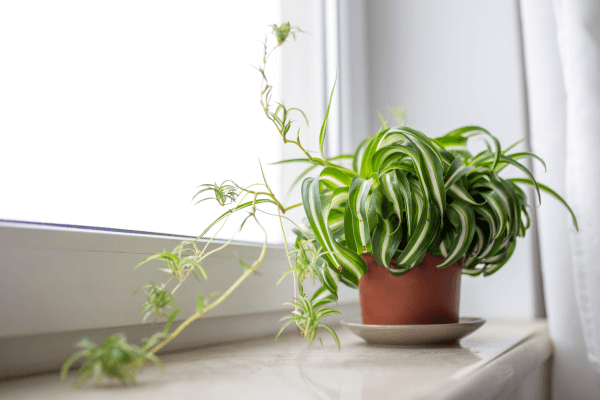 100%
100%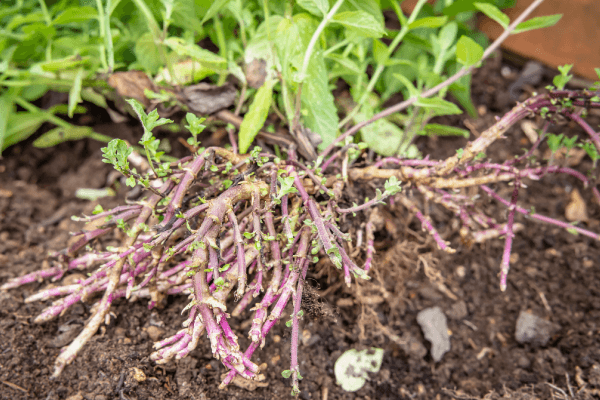 100%
100%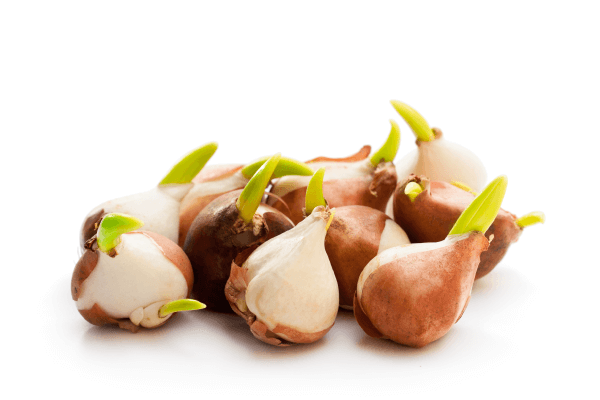 100%
100%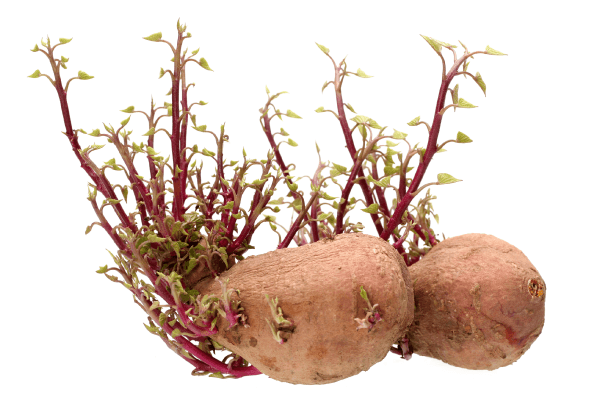 100%
100%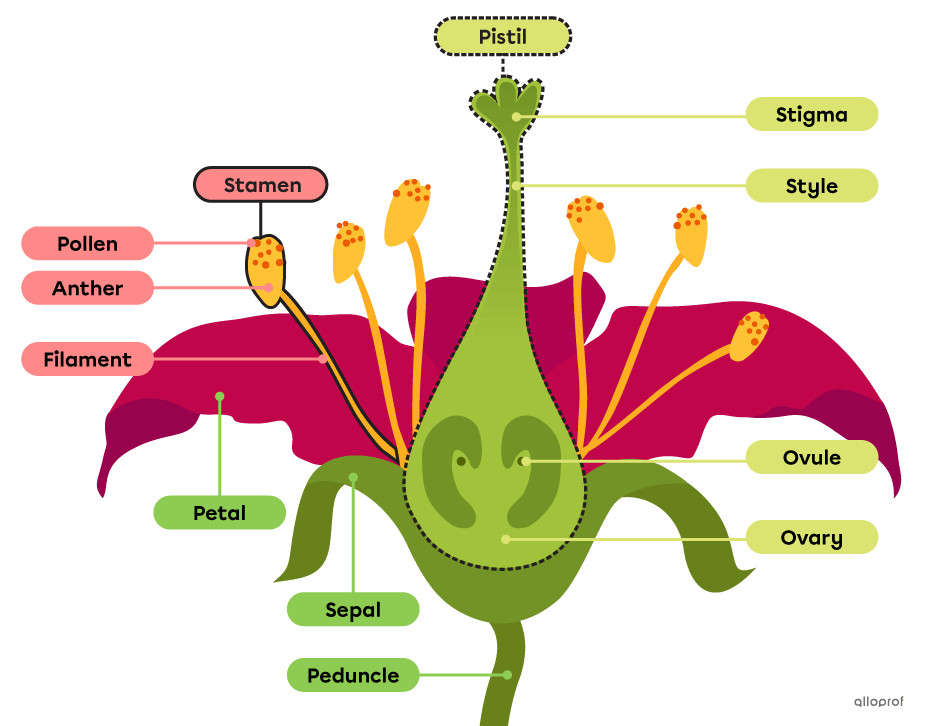 100%
100%
|
Organ |
Part |
Description |
|---|---|---|
|
Stemen |
Pollen |
The pollen grains contain the male gametes that fertilize the ovule. |
|
Anther |
The anther is covered in pollen. |
|
|
Filament |
The filament is an elongated structure that supports the anther. |
|
|
Pistil |
Stigma |
The stigma is sticky and receives the pollen. This is the entrance to the pistil. |
|
Style |
The style is the long, narrow tube through which the pollen is carried to the ovary. |
|
|
Ovary |
The ovary contains ovules. |
|
|
Ovule |
An ovule is a female gamete. |
|
|
Petal |
The colourful petals attract insects and other pollinators. |
|
|
Sepal |
The sepals surround and protect the flower before it opens. |
|
|
Peduncle |
The peduncle is the stem-like structure that supports the flower. |
|
|
Stage |
Description |
|---|---|
|
Flowering |
The plant produces flowers, which contain the male and female reproductive organs. |
|
Pollination |
Pollination is the transport of pollen (male) to the pistil (female) by an insect or another pollinator. |
|
Fertilization |
Fertilization is the union of the male gamete with the female gamete. As a result, a seed forms in the ovary. It contains, among other things, an embryo and an energy reserve. |
|
Fructification |
During fructification, the ovary enlarges to become a fruit that holds and protects the seeds. |
|
Release and dispersal of seeds |
The fruit that contains the seeds can fall and decompose, be eaten by an animal or blown away by the wind. This is how seeds disperse and may eventually germinate to form a new plant. |
|
Germination |
Germination is the beginning of a new plant's development. The embryo uses the energy reserves contained in the seed to form roots and leaves and become self-sufficient. |
|
Growth |
The young plant grows until it reaches sexual maturity, when it is capable of producing its own flowers. |
There are two types of reproductive mechanisms in plants:
Asexual reproduction is a type of reproduction in which a single individual gives rise to a clone, which is a genetic copy of itself.
A mother plant, also called a parent plant, is the original plant that gives birth to a clone of itself.
Cutting involves breaking off part of the mother plant so that it can grow roots and form a new plant.
Cutting can occur naturally, when part of the plant falls to the ground, or artificially, when part of the plant is intentionally cut off.
The detached part can then be placed in the ground or in water. It then forms roots and can grow on its own. The resulting plant is therefore a copy of the mother plant.
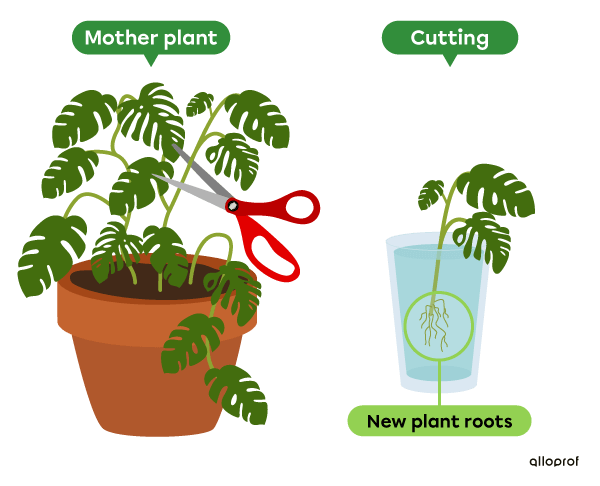
Cutting

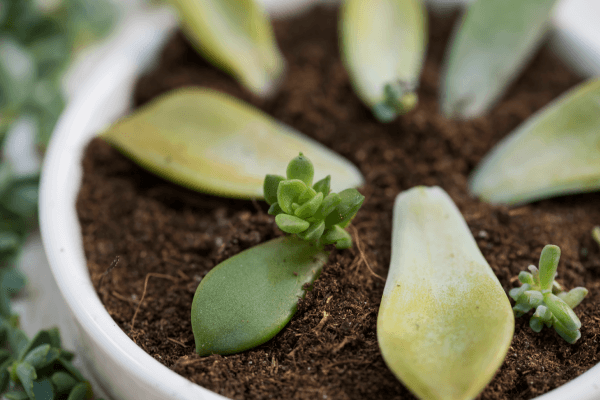
A succulent plant reproduces by cutting
When a succulent plant loses a healthy leaf, it forms roots and a new plant can grow.
A vine reproduces by cutting
To propagate this type of vine, the stems can be cut off and put in water. Roots form after a few days and the new plant can be replanted in soil.
Layering consists of rooting part of the mother plant without detaching it. This process produces a new plant, which can then be detached from the mother plant.
Layering can be done with different parts of the plant: a branch, a stolon or a rhizome. The stolon, often called a runner, is a stem that grows in the air and the rhizome is a stem that grows in the ground.
Upon contact with the soil, the branch, stolon or rhizome can take root and form a new plant. This new plant can then be detached from the mother plant, because it has its own roots.
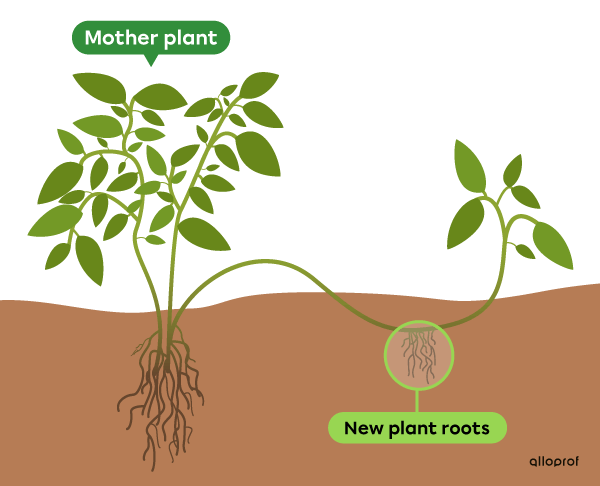
Layering
A spider plant
The spider plant produces stolons. New plants with leaves and small roots grow from the ends of these stolons. Once in the ground, these new plants can grow on their own and be separated from the mother plant.
A mint plant
Mint produces rhizomes from which new plants grow roots and develop.
The bulb is a rounded part of the stem that grows mainly underground. It serves as an energy reserve for the plant. A new bulb can grow on the bulb of the mother plant, giving rise to a new plant. Garlic and tulips are examples of plants that can reproduce via bulbs.
Tulip bulbs
The tuber is a rounded part of the stem or roots that grows underground. It serves as an energy reserve for the plant. New stems can grow on the tuber of the mother plant and then take root, giving rise to new plants. A sweet potato is an example of a tuber from which new stems can grow.
Sweet potatoes
Sexual reproduction is a type of reproduction in which a male gamete fertilizes a female gamete to form a new plant.
In plants, two different individuals are not always required for sexual reproduction. In many cases, the male and female gametes can come from the same plant. Half of the plant's genetic material resulting from sexual reproduction comes from the male gamete and the other half from the female gamete.
Most plants reproduce sexually. There are different types of sexual reproduction. For example, ferns reproduce using spores, conifers reproduce using cones and flowering plants reproduce using flowers. In high school, the focus is placed on flowering plants.
A flower contains different parts, or organs, that enable the plant to reproduce sexually. Depending on the type of plant, the male organs (stamens) and a female organ (pistil) can be found in the same flower, in separate flowers on the same plant or even on separate plants. In high school, the flowers that contain both the stamens and the pistil are studied.
The other organs, such as the petals, sepals and peduncle, help reproduction by protecting the flower or by attracting insects and other pollinators.
Parts of a flower
|
Organ |
Part |
Description |
|---|---|---|
|
Stemen |
Pollen |
The pollen grains contain the male gametes that fertilize the ovule. |
|
Anther |
The anther is covered in pollen. |
|
|
Filament |
The filament is an elongated structure that supports the anther. |
|
|
Pistil |
Stigma |
The stigma is sticky and receives the pollen. This is the entrance to the pistil. |
|
Style |
The style is the long, narrow tube through which the pollen is carried to the ovary. |
|
|
Ovary |
The ovary contains ovules. |
|
|
Ovule |
An ovule is a female gamete. |
|
|
Petal |
The colourful petals attract insects and other pollinators. |
|
|
Sepal |
The sepals surround and protect the flower before it opens. |
|
|
Peduncle |
The peduncle is the stem-like structure that supports the flower. |
|
Sexual reproduction in flowering plants is a cycle that goes through several stages. Once the plant flowers, it can be pollinated and fertilized. Then, it bears fruit and releases seeds. These seeds grow into new plants, which then grow, flower and the cycle repeats.
The reproductive cycle of a kidney bean plant
|
Stage |
Description |
|---|---|
|
Flowering |
The plant produces flowers, which contain the male and female reproductive organs. |
|
Pollination |
Pollination is the transport of pollen (male) to the pistil (female) by an insect or another pollinator. |
|
Fertilization |
Fertilization is the union of the male gamete with the female gamete. As a result, a seed forms in the ovary. It contains, among other things, an embryo and an energy reserve. |
|
Fructification |
During fructification, the ovary enlarges to become a fruit that holds and protects the seeds. |
|
Release and dispersal of seeds |
The fruit that contains the seeds can fall and decompose, be eaten by an animal or blown away by the wind. This is how seeds disperse and may eventually germinate to form a new plant. |
|
Germination |
Germination is the beginning of a new plant's development. The embryo uses the energy reserves contained in the seed to form roots and leaves and become self-sufficient. |
|
Growth |
The young plant grows until it reaches sexual maturity, when it is capable of producing its own flowers. |