Subjects
Grades
 100%
100%
 100%
100%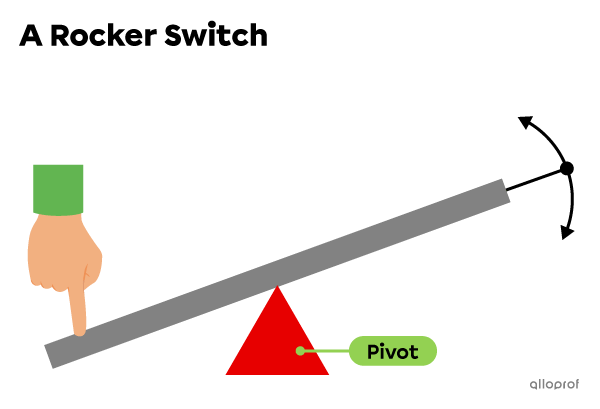 100%
100%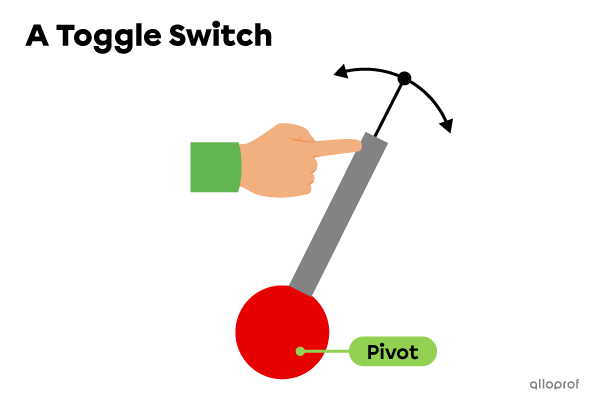 100%
100%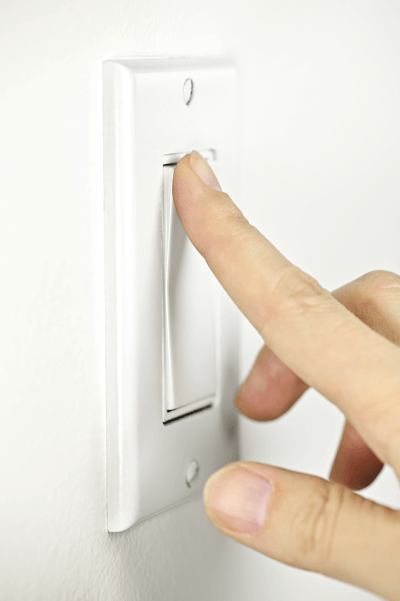 100%
100%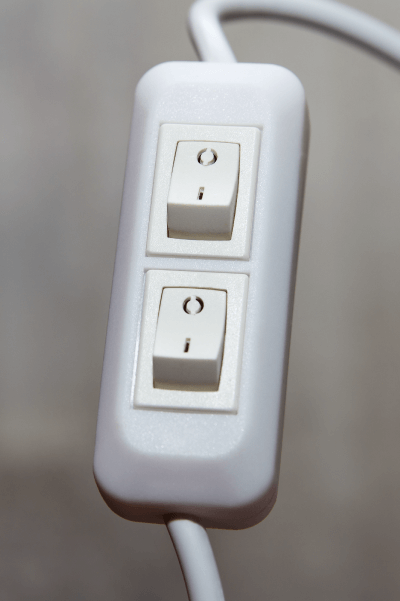 100%
100%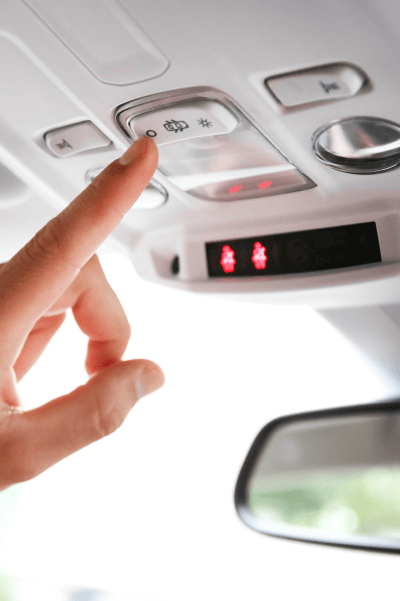 100%
100%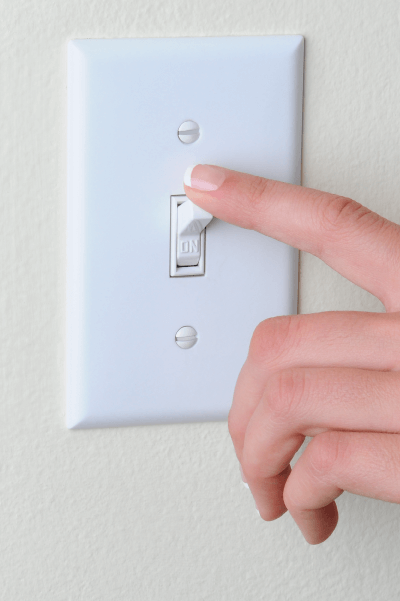 100%
100%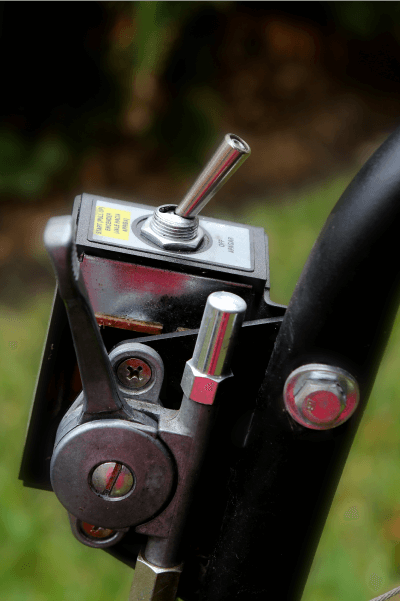 100%
100%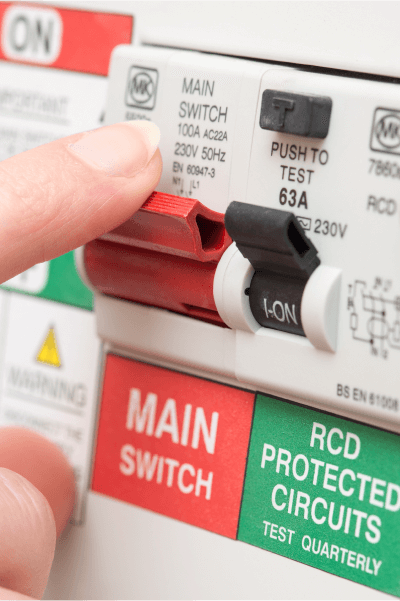 100%
100%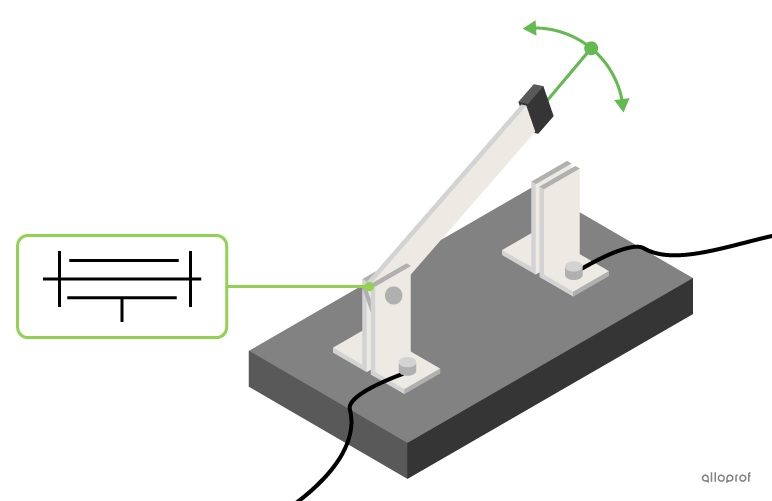 100%
100%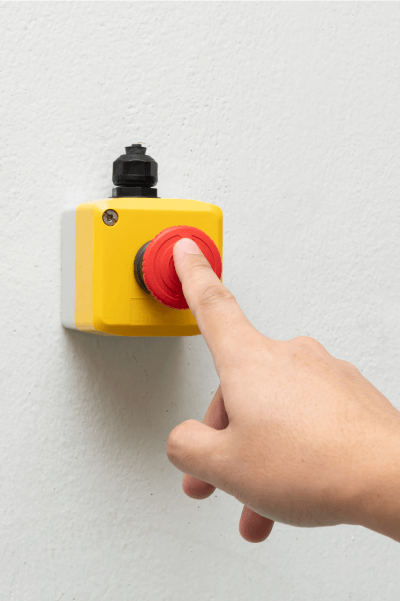 100%
100% 100%
100%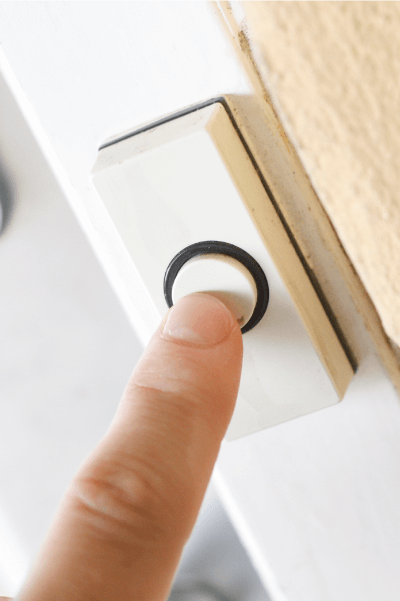 100%
100%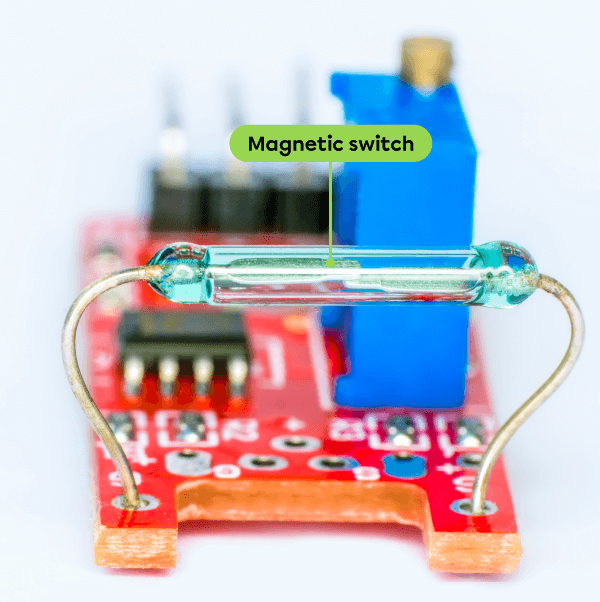 100%
100%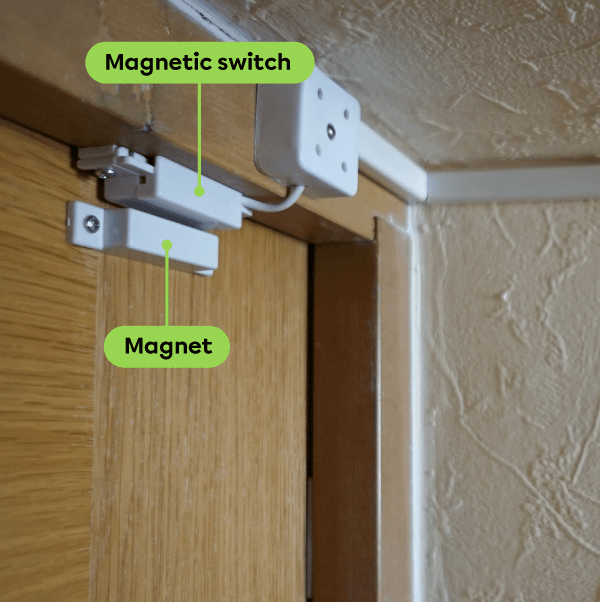 100%
100%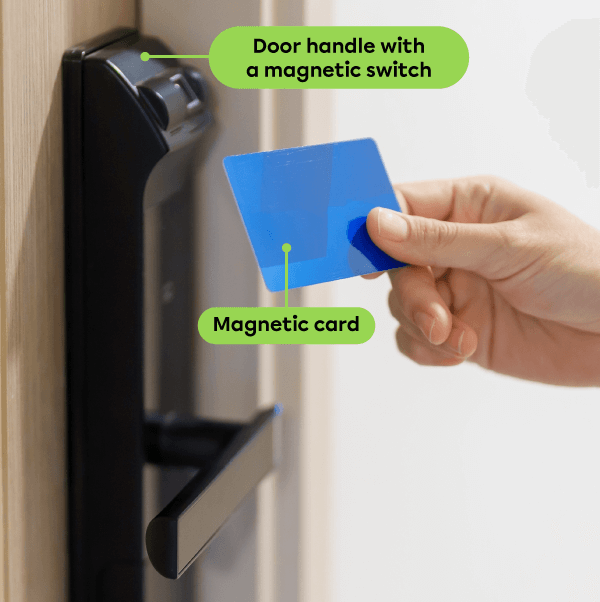
A switch is an electrical device with a movable conductive part. The position of this movable part determines whether the circuit is open or closed.
In an electrical circuit, a switch is responsible for the control function.
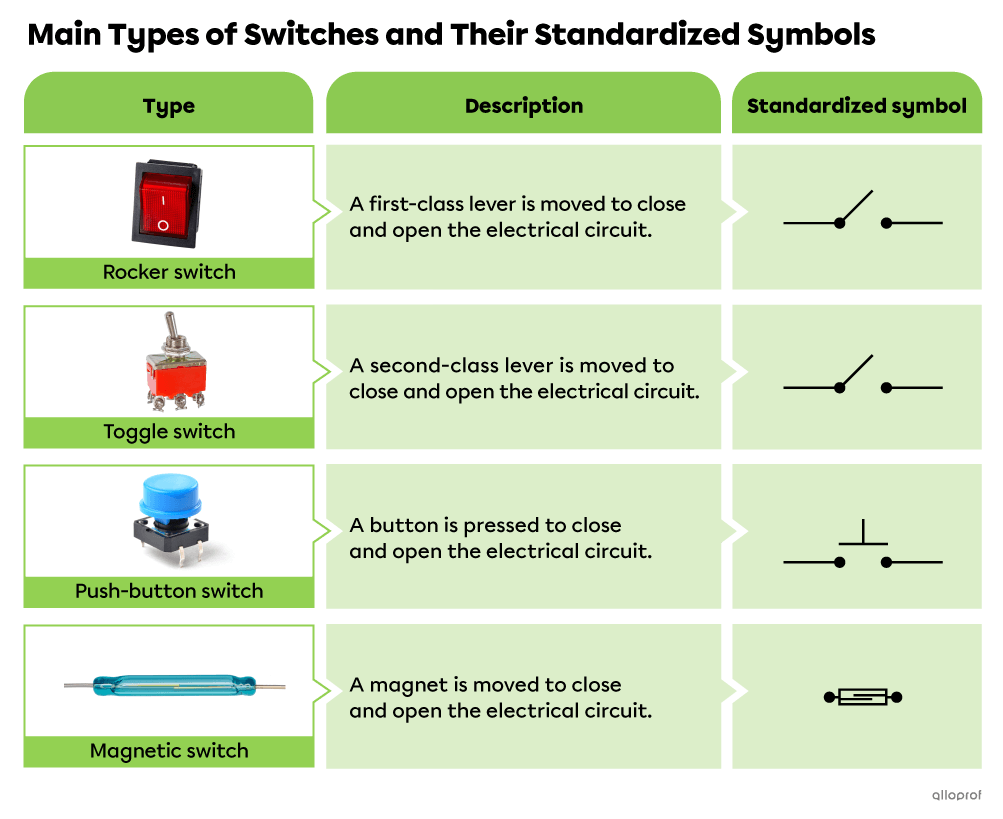
The following switches are studied in Applied Science and Technology (AST) in Secondary 3:

It is sometimes difficult to tell the difference between a rocker switch and a toggle switch, since they both contain a lever.
The main differences are the location of the lever pivot and where the force must be applied to make the switch move.
The pivot of a rocker switch is located between the two ends of the lever. Either end is pressed to close and open the switch.
The pivot of a toggle switch is located at one end of the lever. Only one end is pressed to close and open the switch.
To control an electrical circuit with a rocker switch, it is opened and closed by tilting one end or the other of a first-class lever.
One end of the lever closes the circuit and allows current to flow. Once tilted, it remains in its position and maintains contact between the conductive parts.
The other end of the lever opens the circuit and prevents current flow. Once toggled, it remains in its position and there is no contact between the conductive parts.
The switch is rocked back and forth, hence its name.
Here are several examples of rocker switches.
To control an electrical circuit with a toggle switch, it is opened and closed by moving one end of a second-class lever.
One position of the lever allows the conducting parts to make contact. The circuit closes and current flows.
The other position of the lever prevents contact between the conducting parts. The circuit opens and the current stops flowing.
The switch is toggled back and forth, hence its name.
Here are several examples of toggle switches.
A blade switch, sometimes called a knife switch, is also an example of a toggle switch. In this device, a flat metal bar is placed between two supports, also made of metal.
One end of the bar is partially linked to one of the supports, which enables rotational guiding control. The other end of the bar is free.
To close the switch, the bar is lowered until its free end touches the second support. To open the switch, the bar is lifted so that it is no longer in contact with the second support.
To control an electrical circuit with a push-button switch, it is opened and closed by pressing or releasing a button.
When the button is pushed, the movable part of the switch comes into contact with two other conductive parts. The circuit closes and the current flows. Sometimes the button has to be pressed and held down to keep the circuit closed.
When the button is released, a spring forces the movable part of the switch back up. There is no longer any contact between the conducting parts. The circuit opens and the current stops flowing.
Here are several examples of push-button switches.
To control an electrical circuit with a magnetic switch, it is opened and closed by using a magnetic field.
Generally, the magnetic field required to control the switch is produced by a magnet placed nearby. The position of the magnet relative to the switch closes or opens the circuit.
When the magnet is brought close to the magnetic switch, the conducting parts are attracted to each other and come into contact. The circuit closes and the current flows.
When the magnet is moved away from the magnetic switch, the conductive parts are no longer attracted to each other and their contact is broken. The circuit opens and the current stops flowing.
A magnetic switch can also work in reverse, which means that when the magnet is brought closer, the conductive parts repel each other and the circuit opens. When the magnet is moved away, the conductive parts make contact again and the circuit closes.
In short, the operation of the magnetic switch depends on whether the magnetic field of the magnet causes attraction or repulsion between the conductive parts of the switch.
Here are several examples of magnetic switches.
This electronic circuit is controlled by a magnetic switch. Moving a magnet closer to or further away from the switch is all it takes to close or open the circuit.
An alarm system generally includes a magnetic switch installed on a door frame. A magnet mounted on the door controls the switch.
A hotel room door handle usually includes a magnetic switch that is controlled by a magnetic card.