Matières
Niveaux
 100%
100%
 100%
100%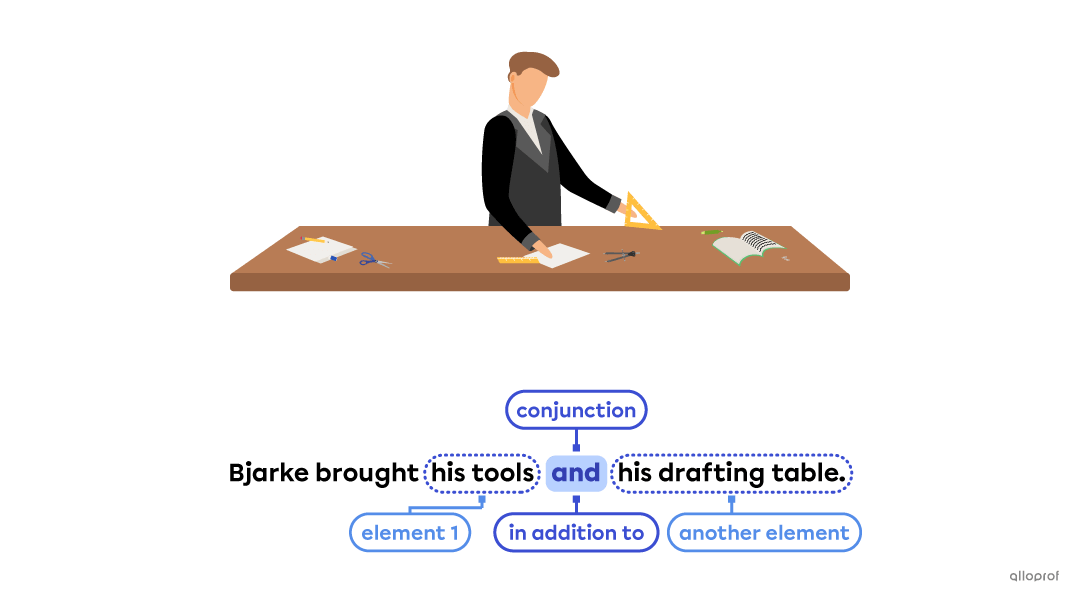 100%
100%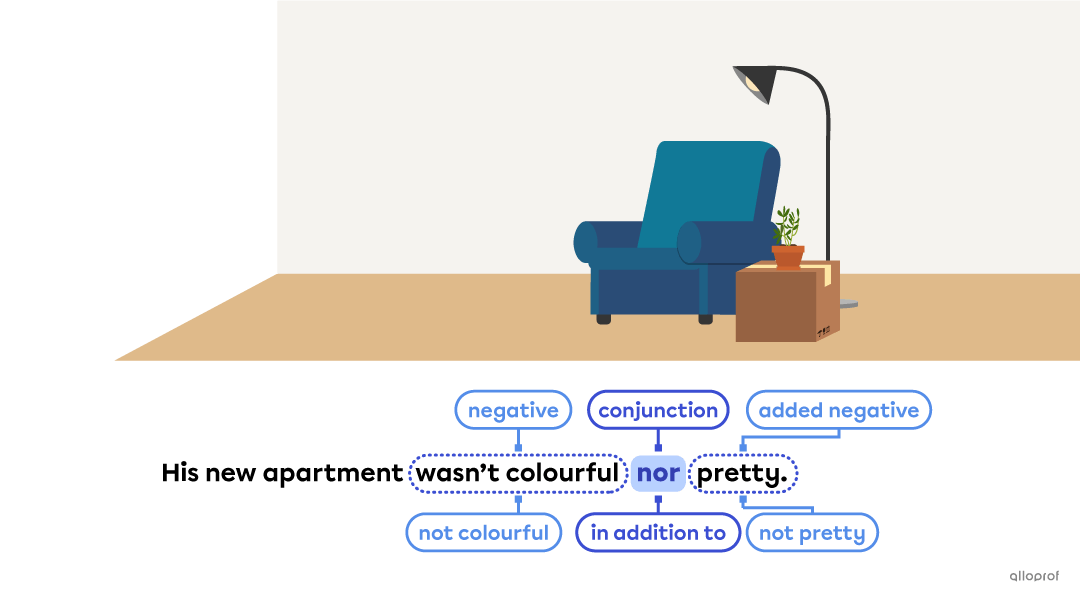 100%
100%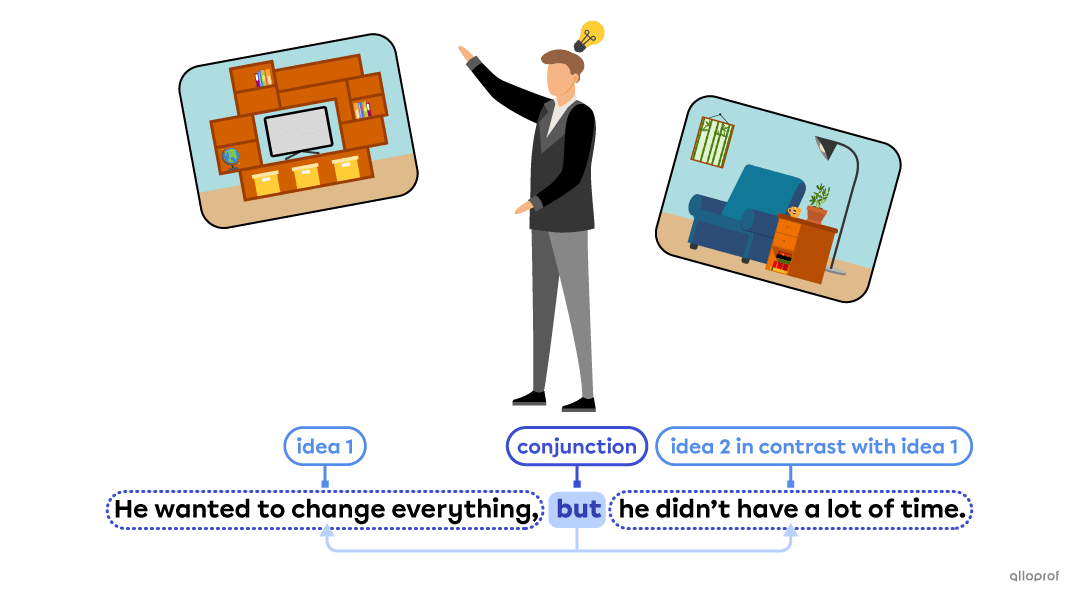 100%
100%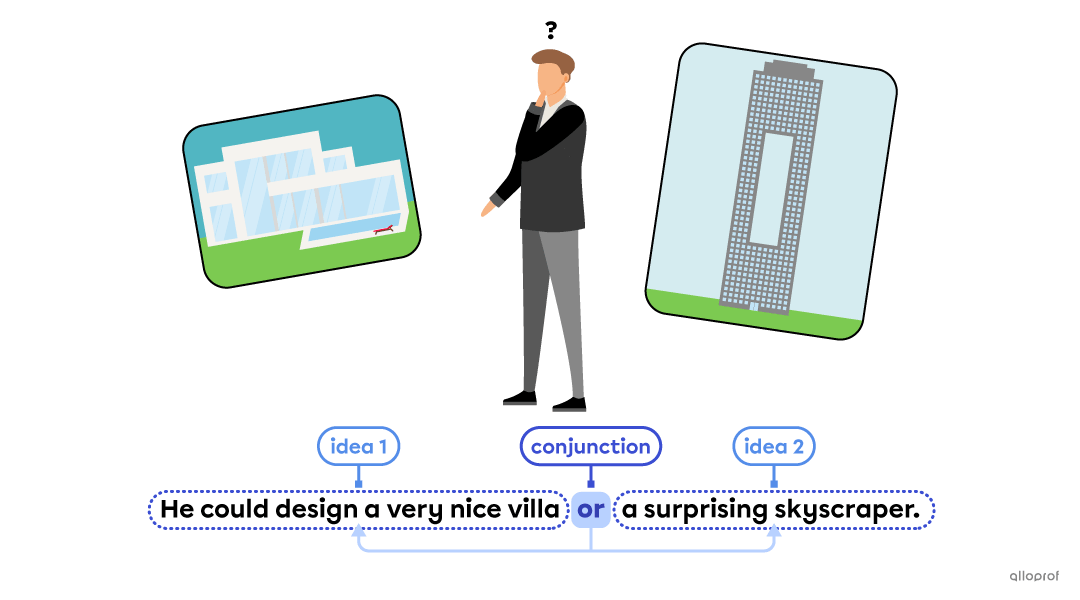 100%
100%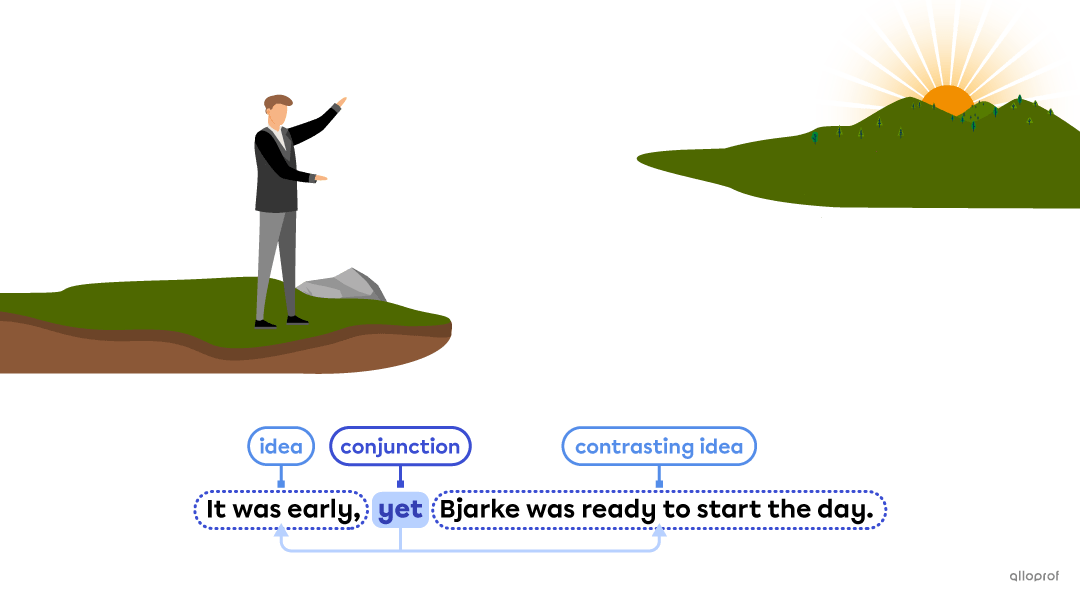 100%
100%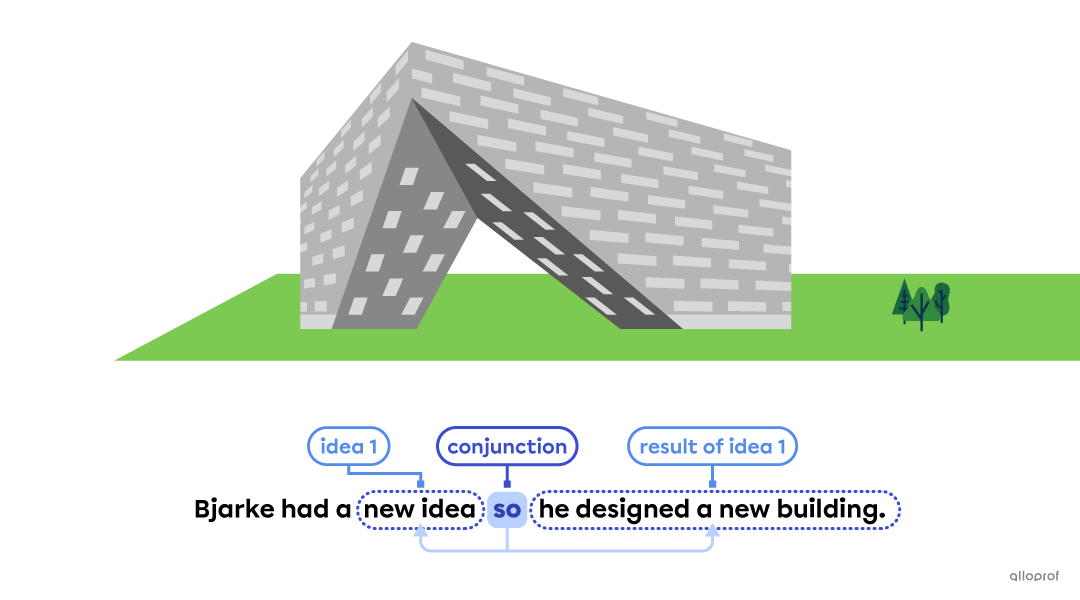 100%
100% 100%
100%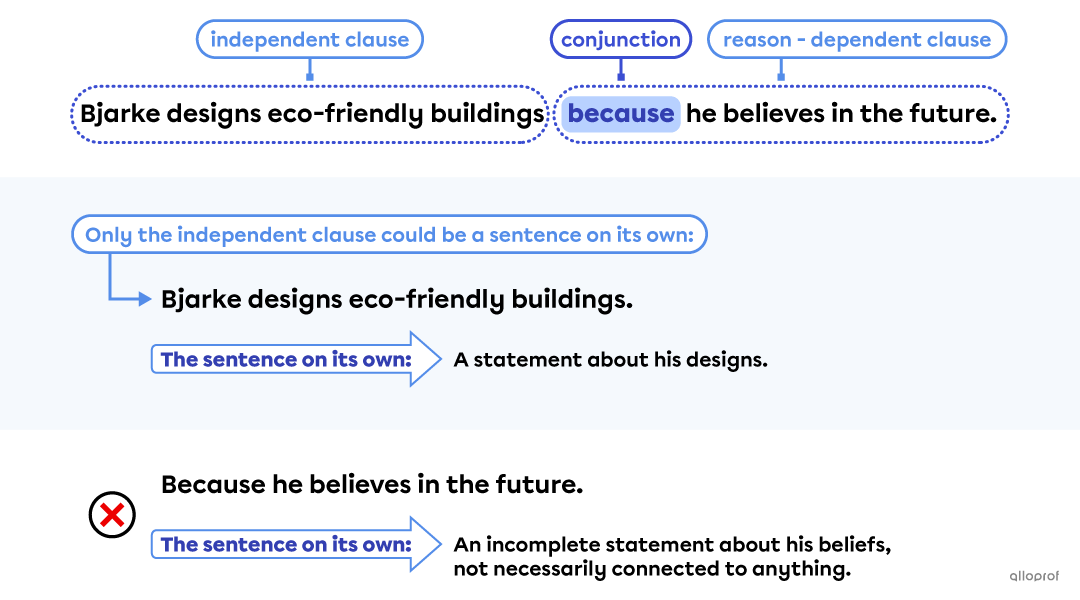 100%
100% 100%
100% 100%
100% 100%
100%
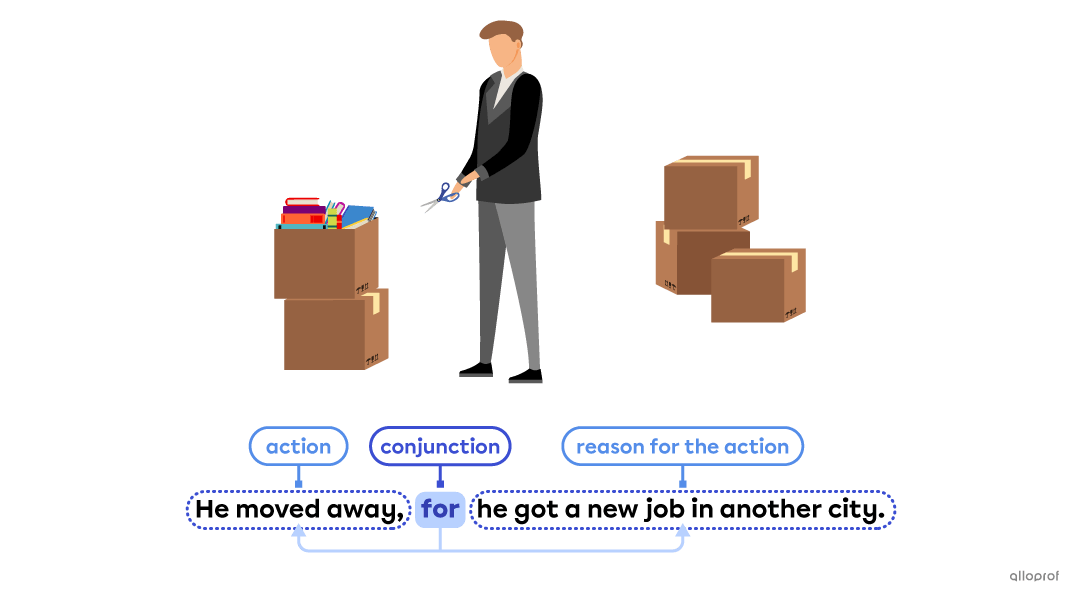
Coordinating conjunctions (also called coordinates) join two equally important elements of a sentence (two nouns, two phrases, two clauses).
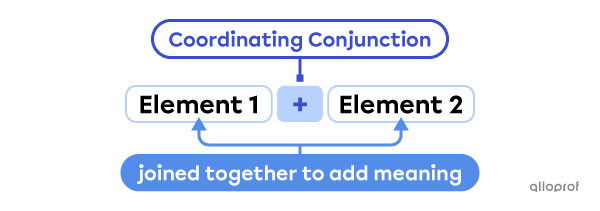
There are seven coordinating conjunctions:
|
for: a formal way of saying “because” to explain a reason |
|
and: to add one element to another |
|
nor: to add another negative idea |
|
but: to add a contrasting idea |
|
or: to add another possibility or choice |
|
yet: to add emphasis to a contrasting idea |
|
so: to link a cause and effect between ideas |
for

and
nor
but
or
yet
so
A good way to remember conjunctions is the acronym FANBOYS.
It is formed with the first letter of each coordinating conjunction.
Subordinating conjunctions (also called subordinates) in a complex sentence, link one dependent clause to an independent clause.
In other words, one part of the sentence is more important than the other. The least important part would not mean the same alone, it needs the other part to have complete context.
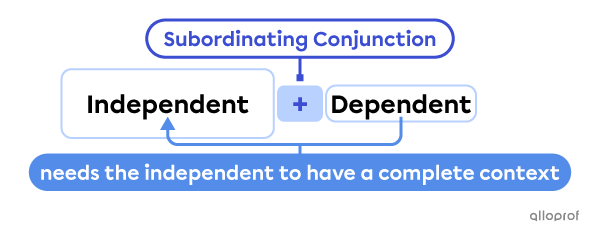
Subordinating conjunctions can give context to:
|
Time |
Condition |
Comparison & Concession |
Place |
Cause & Reason |
|
before |
if |
than |
where |
because |
Here are some examples of subordinating conjunctions used in different contexts: