Matières
Niveaux
 100%
100%
 100%
100%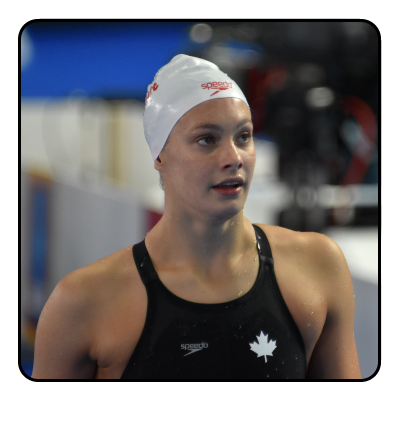 100%
100%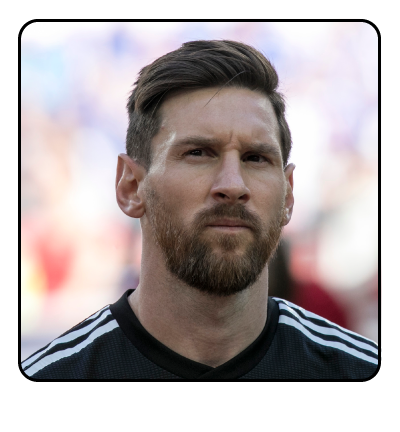 100%
100% 100%
100%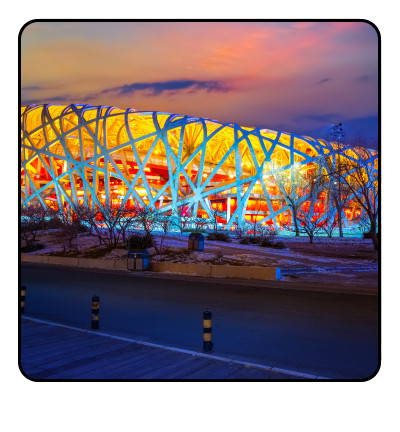 100%
100% 100%
100% 100%
100%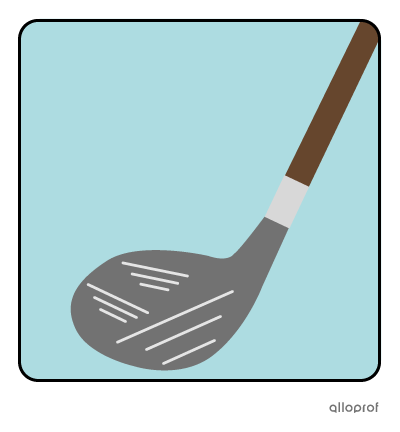 100%
100%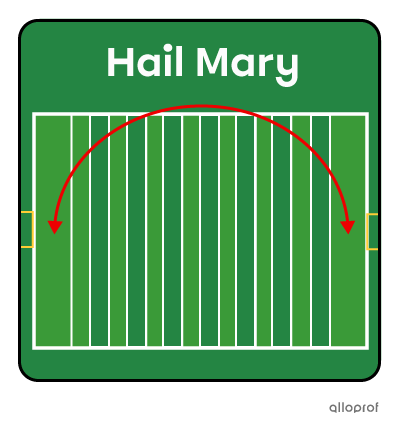 100%
100%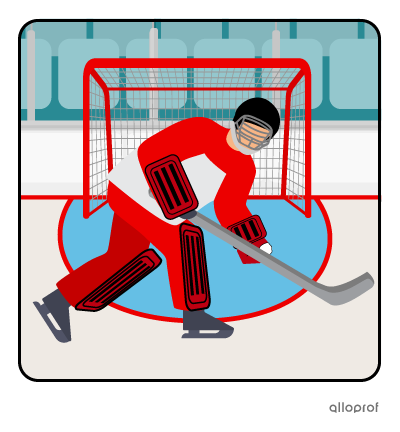 100%
100%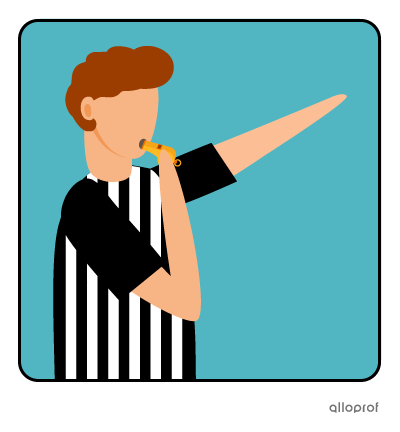 100%
100%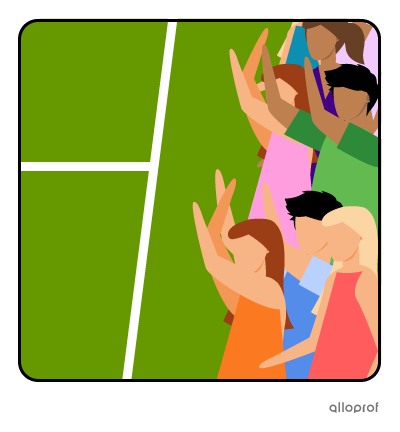 100%
100%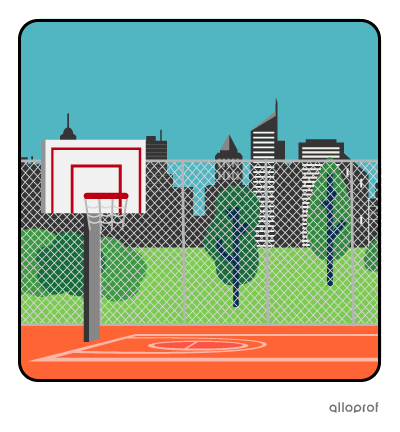 100%
100%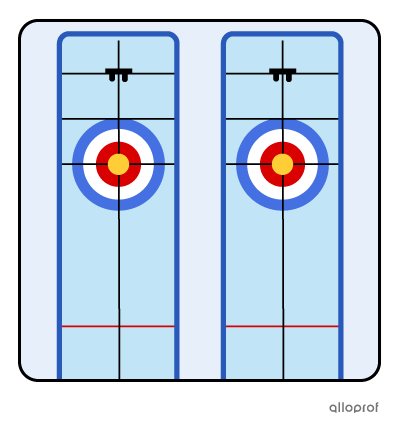 100%
100%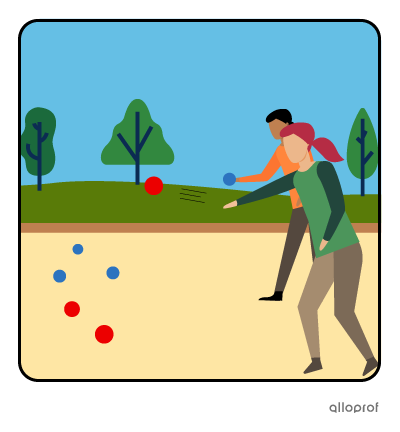 100%
100%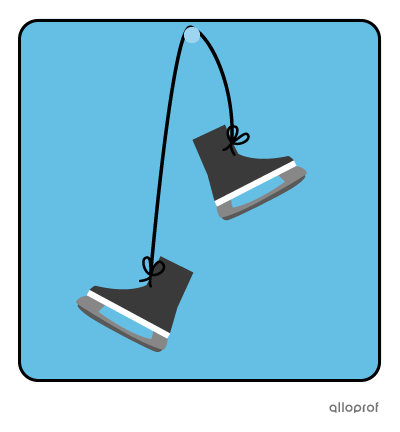 100%
100%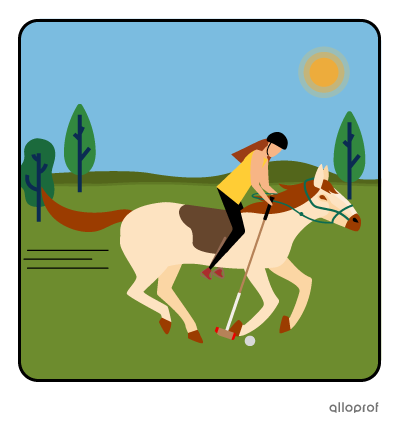 100%
100%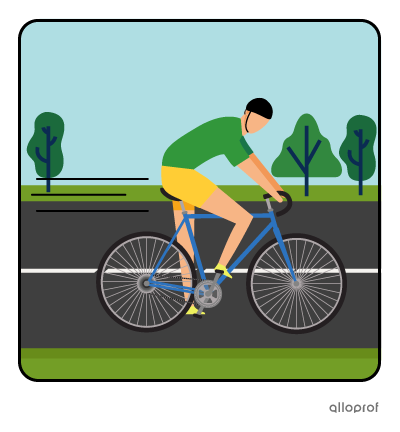
Compound nouns are a combination of two or more words to create another word.
They generally have 2 parts. The first part tells you the type or purpose of the second part which identifies the object, place or person.
Here are some examples with different combinations:
| First part | Second part | Compound noun examples | In context | |
| noun | + | noun | police officer game day |
Police officers are involved in many difficult situations around stadiums on game day. |
| adjective | + | noun | white board | Coaches use white boards to come up with strategies around the world. |
| verb (ing) | + | noun | swimming pool | Swimmers need swimming pools to train. |
| noun | + | verb | photo shoot | Some professional players participate in photo shoots to help their community image. |
| preposition | + | noun | aftermath | What was the aftermath of the entire rulebook change? |
| verb | + | adverb | lookout | The scouts have been on the lookout for prospects. |
| adjective | + | verb | dry-cleaning | The player had to take his uniform for dry-cleaning because of the blood stains. |
Compound nouns can be written with two distinct words, one word or hyphenated. The spelling of compound nouns is mostly regional, and there is no definite spelling rule.
Nouns form a very large part of the English language.
They are words used to represent:
places
things
They can be either the subject or the object of a sentence. Nouns can be defined by adjectives or even replaced by pronouns.
They come in many different types.
A proper noun is used to name specific:
people
places
things
It is recognizable by the capital letter at the beginning of the word.

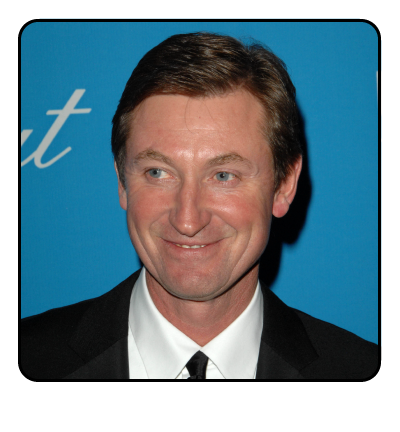
In the hockey world, Wayne Gretzky has the most individual records, but in recent years, people like Sydney Crosby, Alex Ovechkin and Connor McDavid have come close.
In Canadian history, not a lot of athletes can boast a total of 7 Olympic medals, but Penny Oleksiak can.
When speaking about the greatest soccer player, many names come up. Maradona, Ronaldo, Pelé, it’s difficult to name only one, but Messi has been amazing in recent years.
A very low BASE jump was performed in Rio de Janeiro. BASE jumps have been done in Dubai, Paris and many other locations too.
The Bird Nest in Beijing is a world-famous stadium. Madison Square Garden is also a very well-known arena in the USA.
Argentina is famous for the tango.
Moneyball is a famous sports movie.
Big Bertha is a well-known golf driver.
A Hail Mary pass is a very long pass in American football.
A common noun also refers to:
people
places
things
However, it is not specific and does not start with a capital letter.
The goalie wears a lot more equipment than the other players.
Referees in all sports have a very difficult job. Commentators have an easier job since they aren’t part of the game.
Sometimes fans are considered extra members of the home team.
Street basketball is popular in areas with public courts.
Curling requires an indoor facility. It would be difficult to play on an outdoor rink.
Bocce can be played on an outdoor field, very often in a park.
To play hockey you must wear ice skates, a helmet and some pads.
When you play polo, you ride on a horse and use a mallet to hit a ball.
On a bicycle, the force applied to the pedals is transferred to the rear wheel.
Compound nouns are a combination of two or more words to create another word.
They generally have 2 parts. The first part tells you the type or purpose of the second part which identifies the object, place or person.
Here are some examples with different combinations:
| First part | Second part | Compound noun examples | In context | |
| noun | + | noun | police officer game day |
Police officers are involved in many difficult situations around stadiums on game day. |
| adjective | + | noun | white board | Coaches use white boards to come up with strategies around the world. |
| verb (ing) | + | noun | swimming pool | Swimmers need swimming pools to train. |
| noun | + | verb | photo shoot | Some professional players participate in photo shoots to help their community image. |
| preposition | + | noun | aftermath | What was the aftermath of the entire rulebook change? |
| verb | + | adverb | lookout | The scouts have been on the lookout for prospects. |
| adjective | + | verb | dry-cleaning | The player had to take his uniform for dry-cleaning because of the blood stains. |
Compound nouns can be written with two distinct words, one word or hyphenated. The spelling of compound nouns is mostly regional, and there is no definite spelling rule.