Matières
Niveaux
 100%
100%
 100%
100%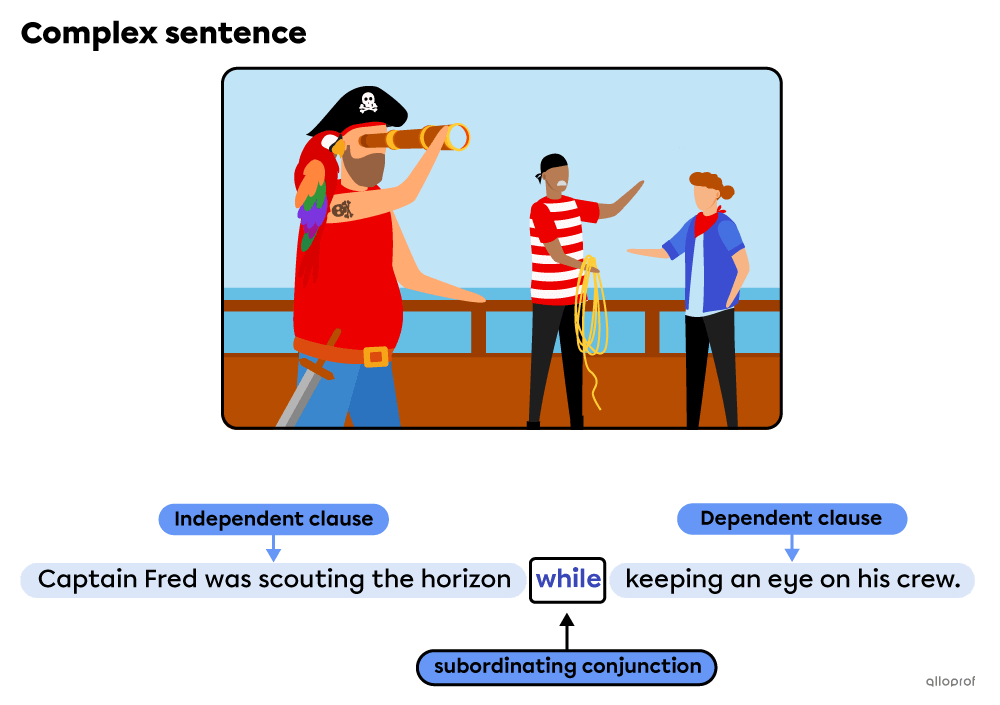 100%
100%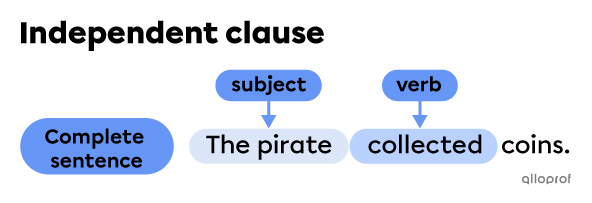 100%
100%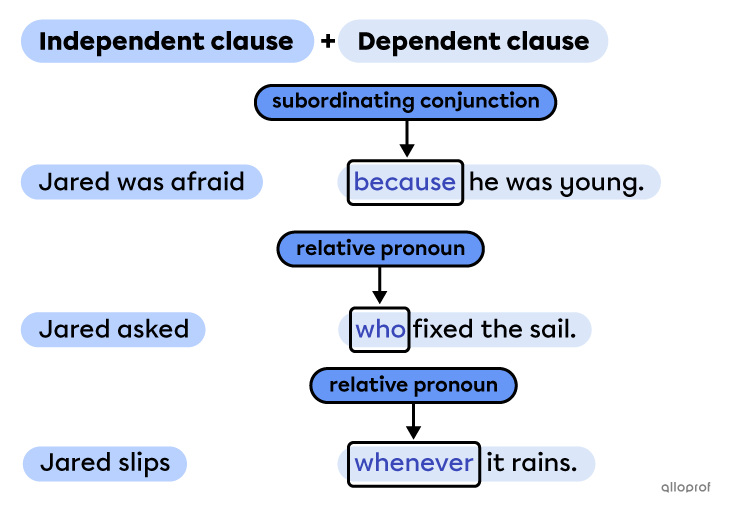 100%
100%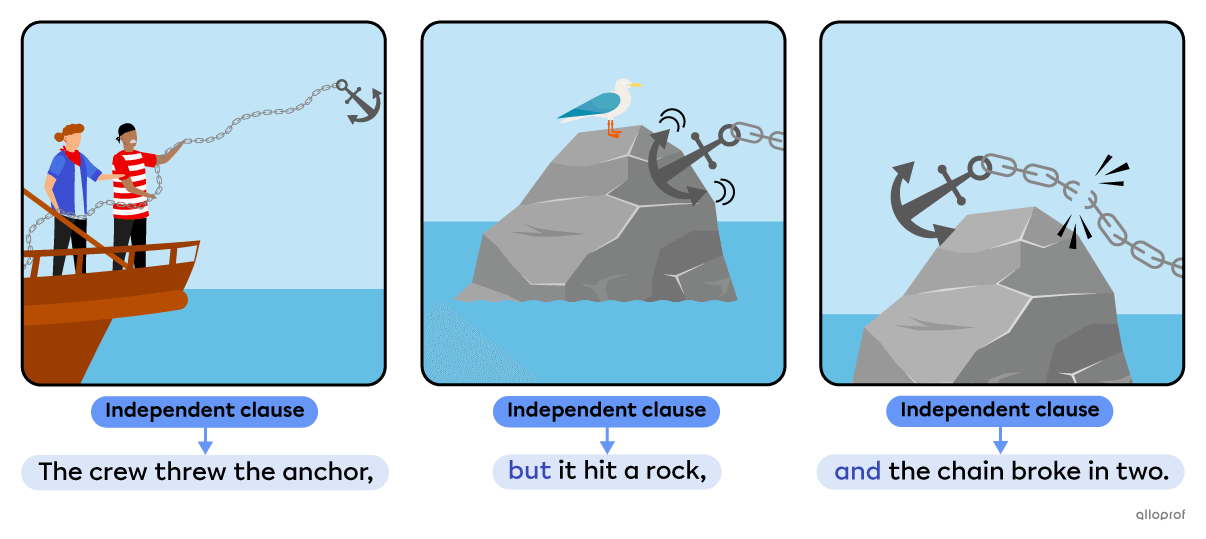 100%
100%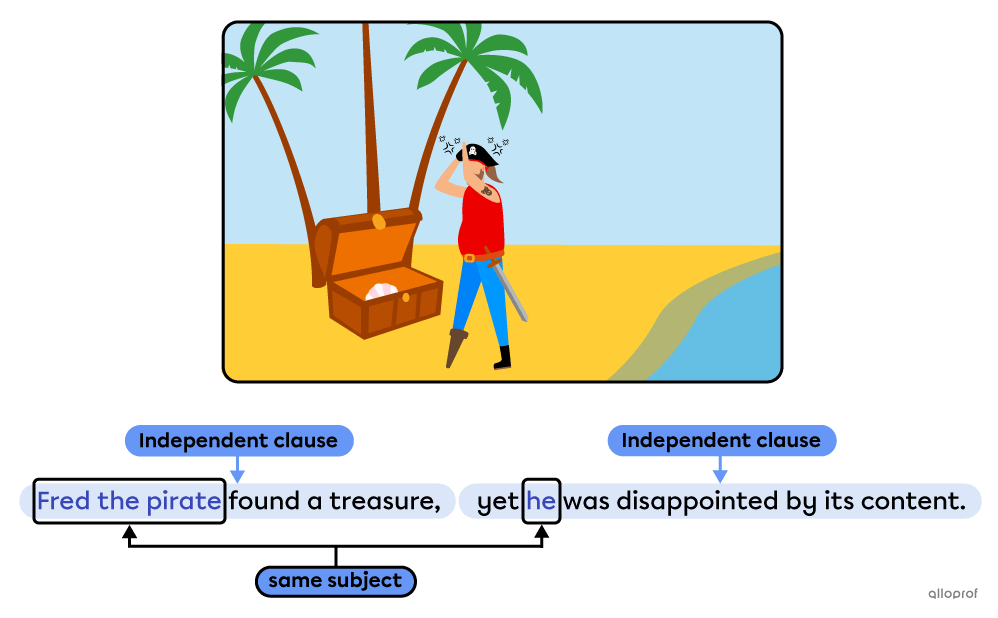 100%
100%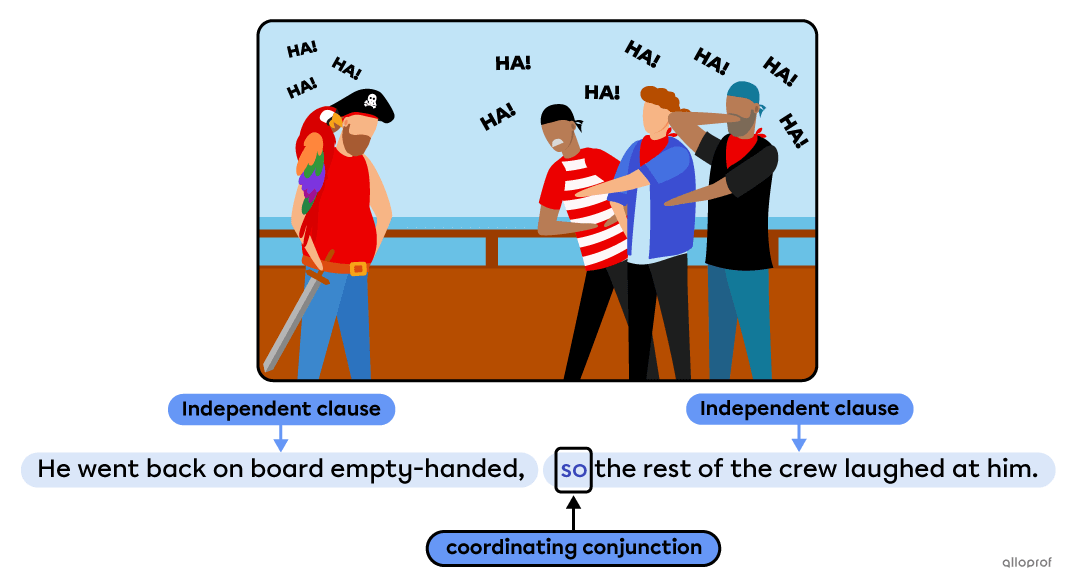 100%
100%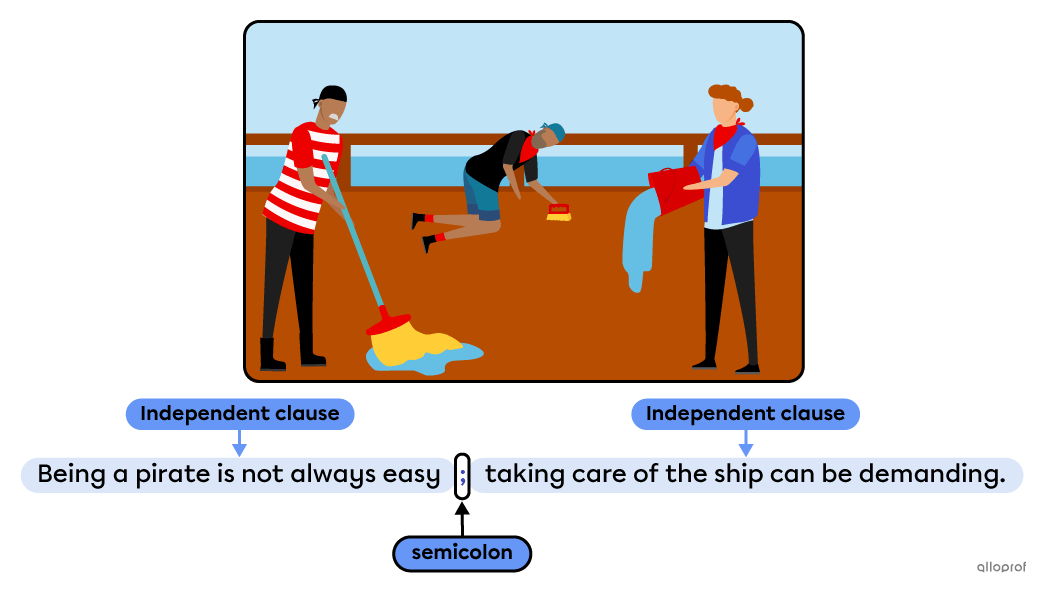 100%
100%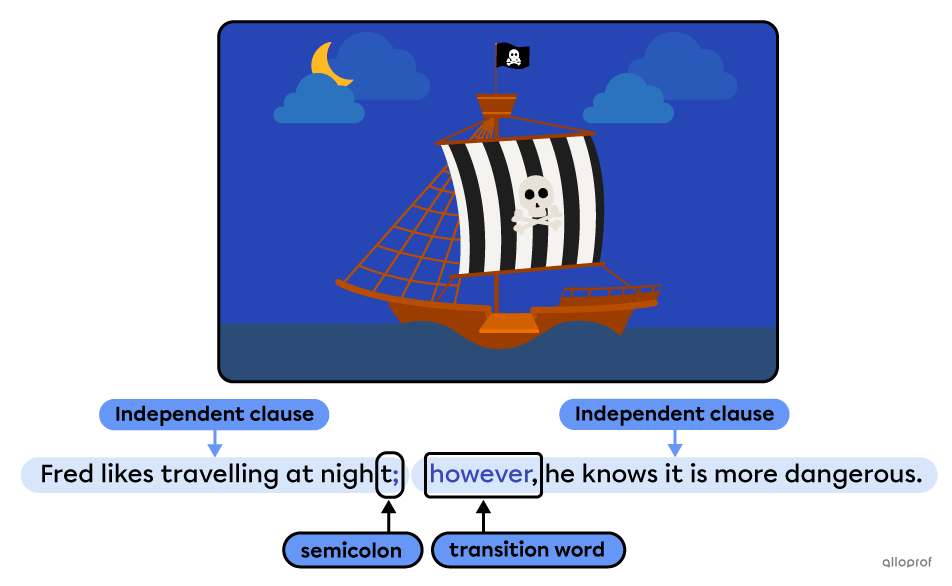 100%
100%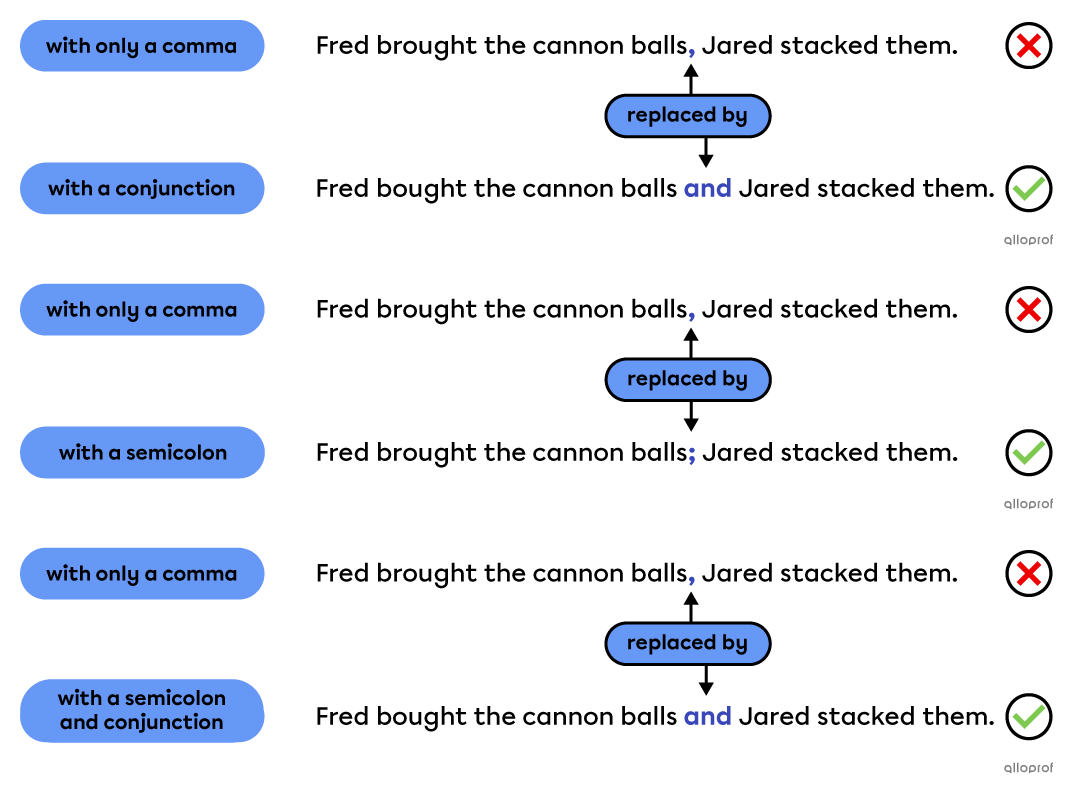 100%
100%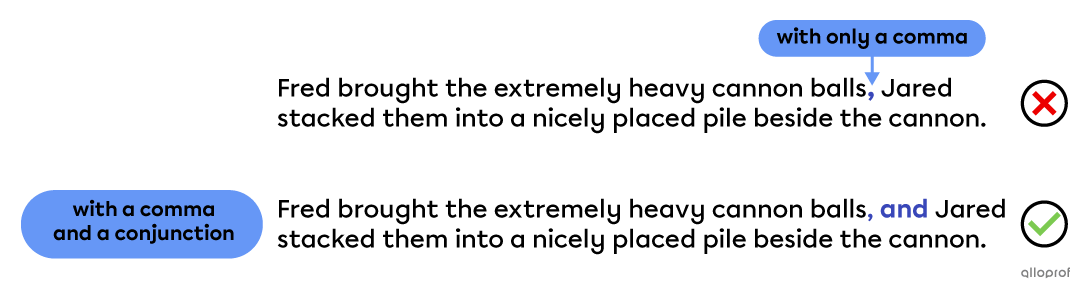 100%
100% 100%
100%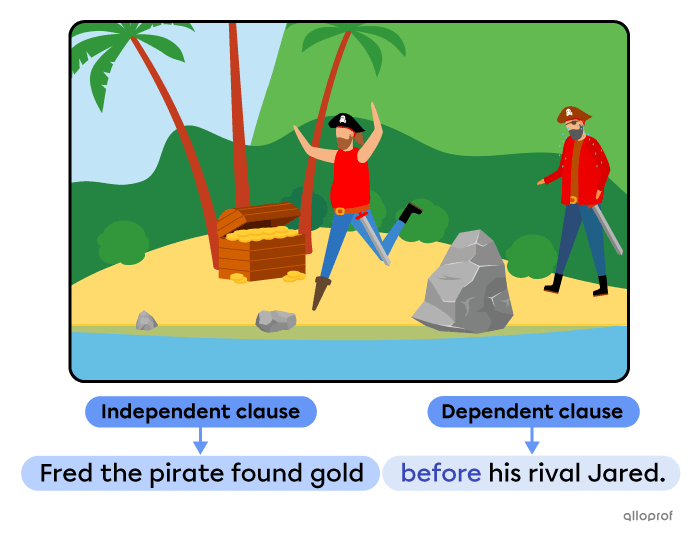 100%
100%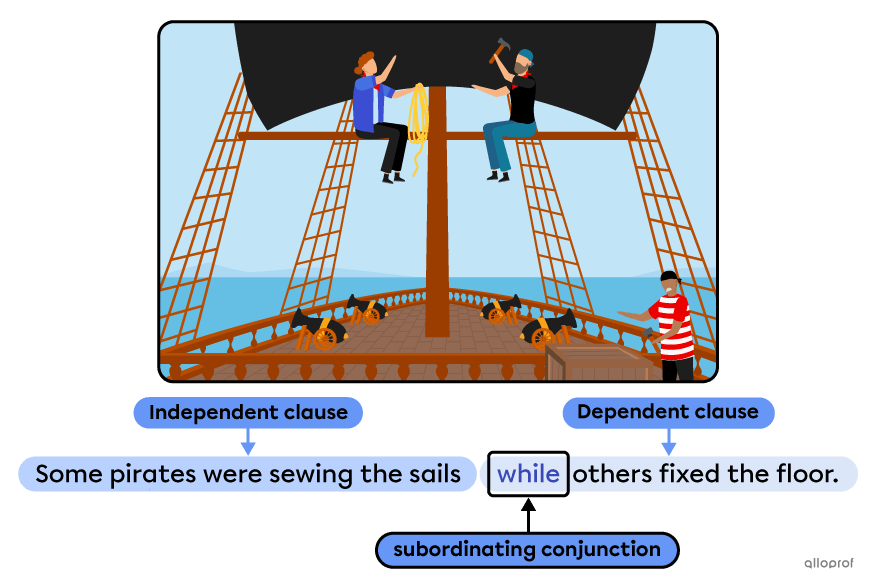 100%
100%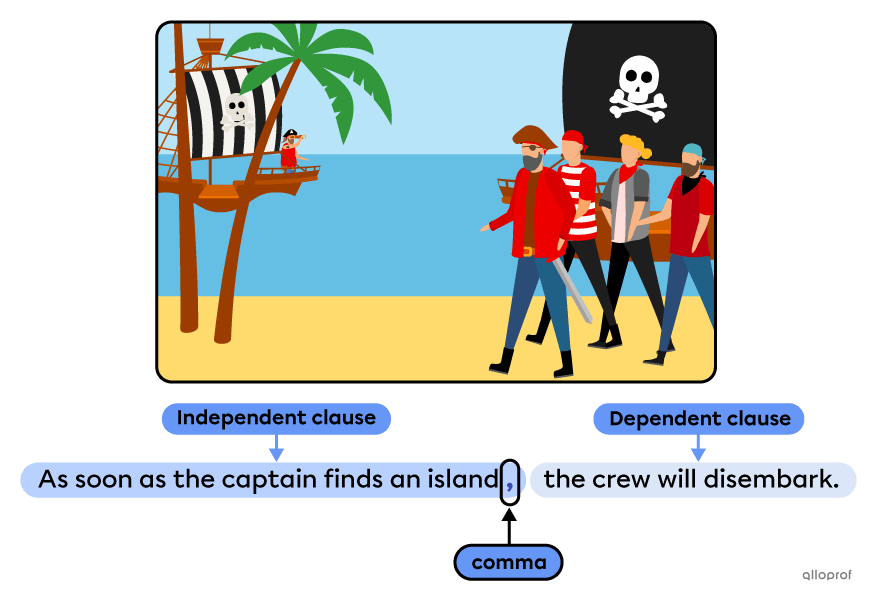
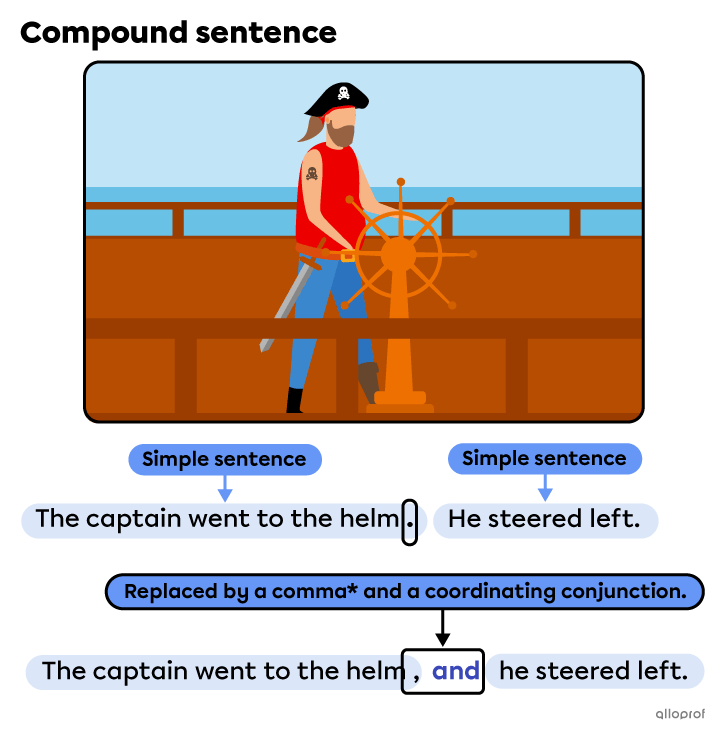
A compound sentence is a sentence made of two or more simple sentences. These simple sentences are joined by a coordinating conjunction such as and, but or or to form a compound sentence expressing ideas of equal importance.
Each of these simple sentences could exist on its own. Combining these sentences adds fluidity and facilitates comprehension.

*Both with and without the comma are grammatically correct.
A complex sentence is a sentence made of an independent clause and dependent clause. A dependent clause isn’t a complete sentence and must be connected to an independent clause using a subordinating conjunction, a relative pronoun or an adverb.
There are two main types of clauses:
independent clauses
dependent clauses
An independent clause makes a complete statement; it can act as a complete sentence.
A dependent clause cannot act as a complete sentence. To form a complete sentence, it needs to be joined to an independent clause with:
Points to remember when forming compound sentences:
They are composed of 2 or more independent clauses.
If the subject is the same, it must be stated twice.
The independent clauses are joined with a coordinating conjunction.
It is also possible to join the two independent clauses with a semicolon to form a compound sentence.
To join two independent clauses, the usage of a transition word (also called conjunctive adverb) is possible.
A common error when joining two independent clauses is using only a comma between them.
However, if the independent clauses are long, you should use a comma and a coordinating conjunction to join them.
The easiest way to avoid comma splices is to use a comma and a coordinating conjunction all the time to join two independent clauses.
Another common error is what we call run-on sentences (also called fused sentences). This error consists of having multiple independent clauses in a sentence without anything to join them.
Points to remember when forming compound sentences:
It is composed of at least one independent clause and one dependent clause.
The clauses are joined by a subordinating conjunction.
Punctuation is necessary if the dependent clause comes first .