Subjects
Grades
 100%
100%
 100%
100%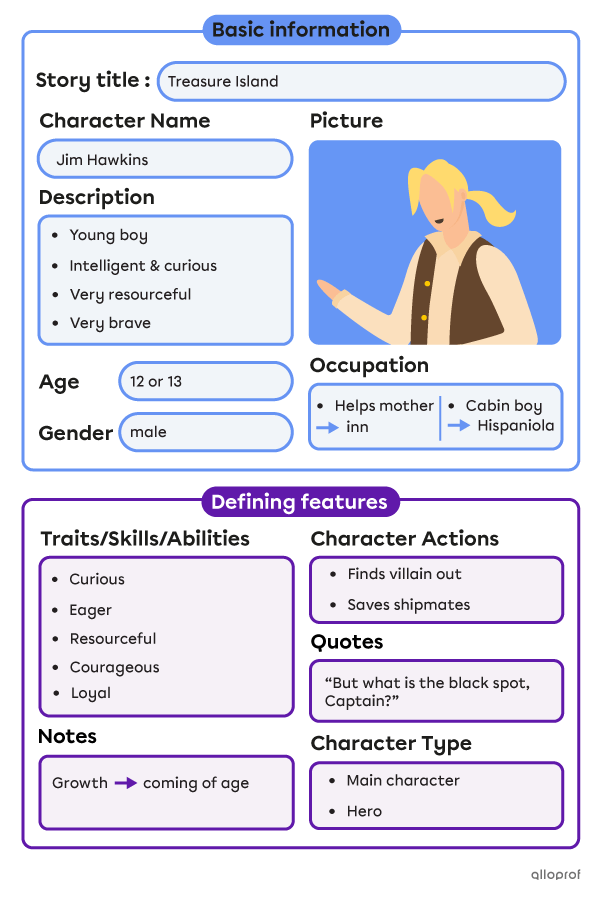 100%
100%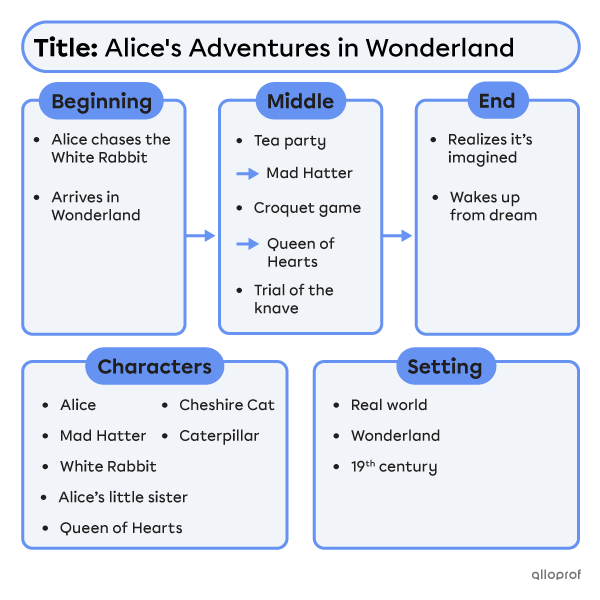 100%
100%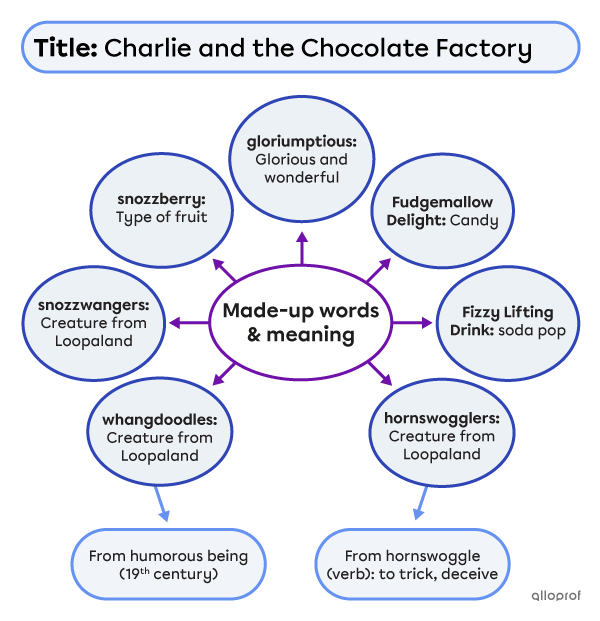 100%
100%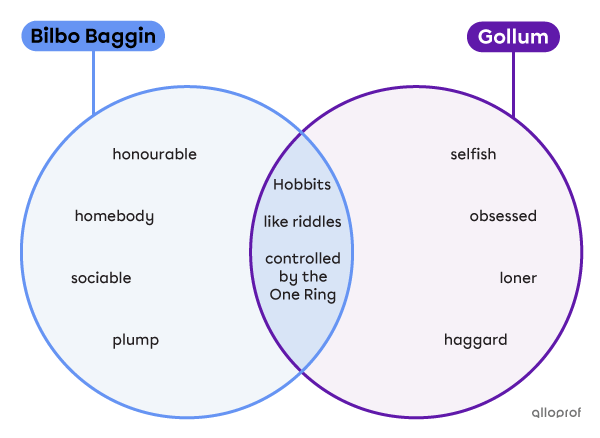 100%
100%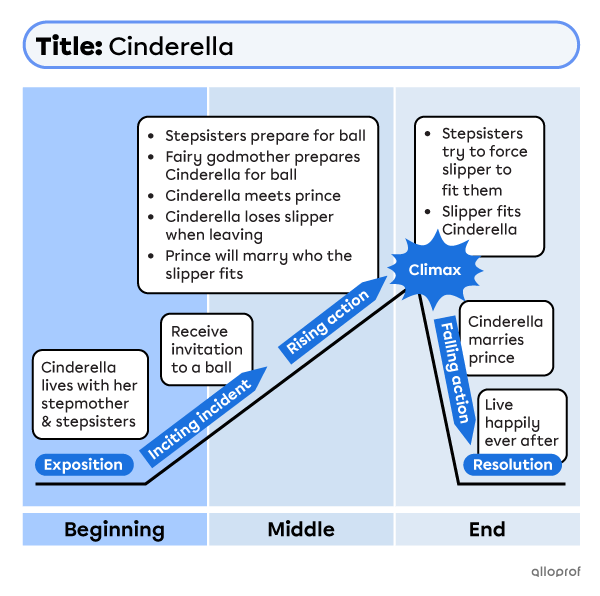 100%
100%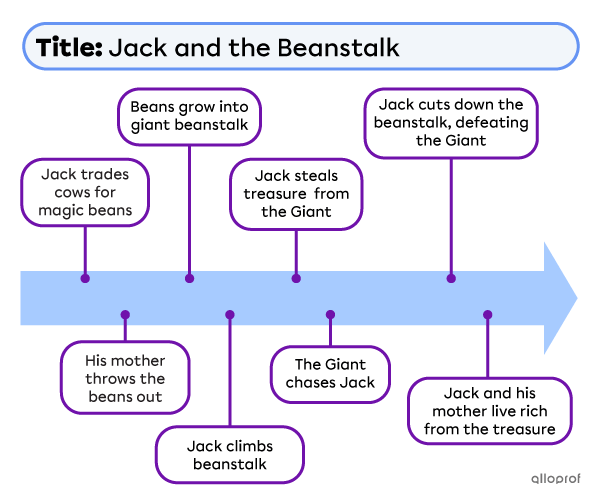 100%
100%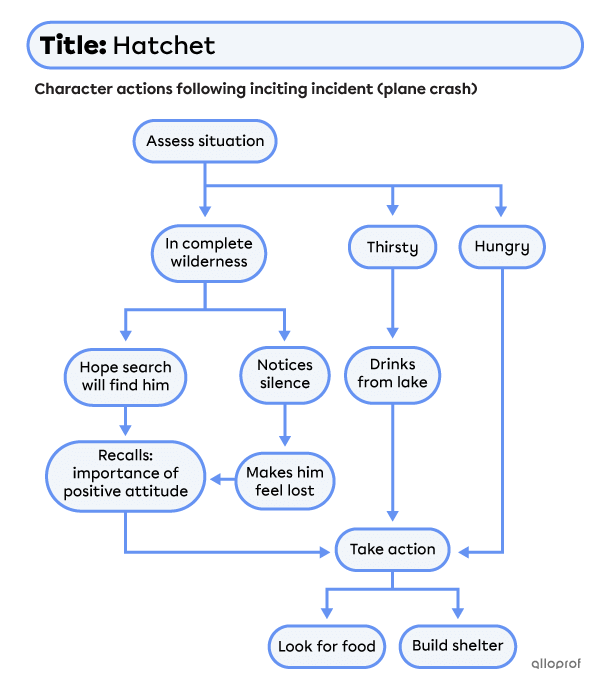 100%
100%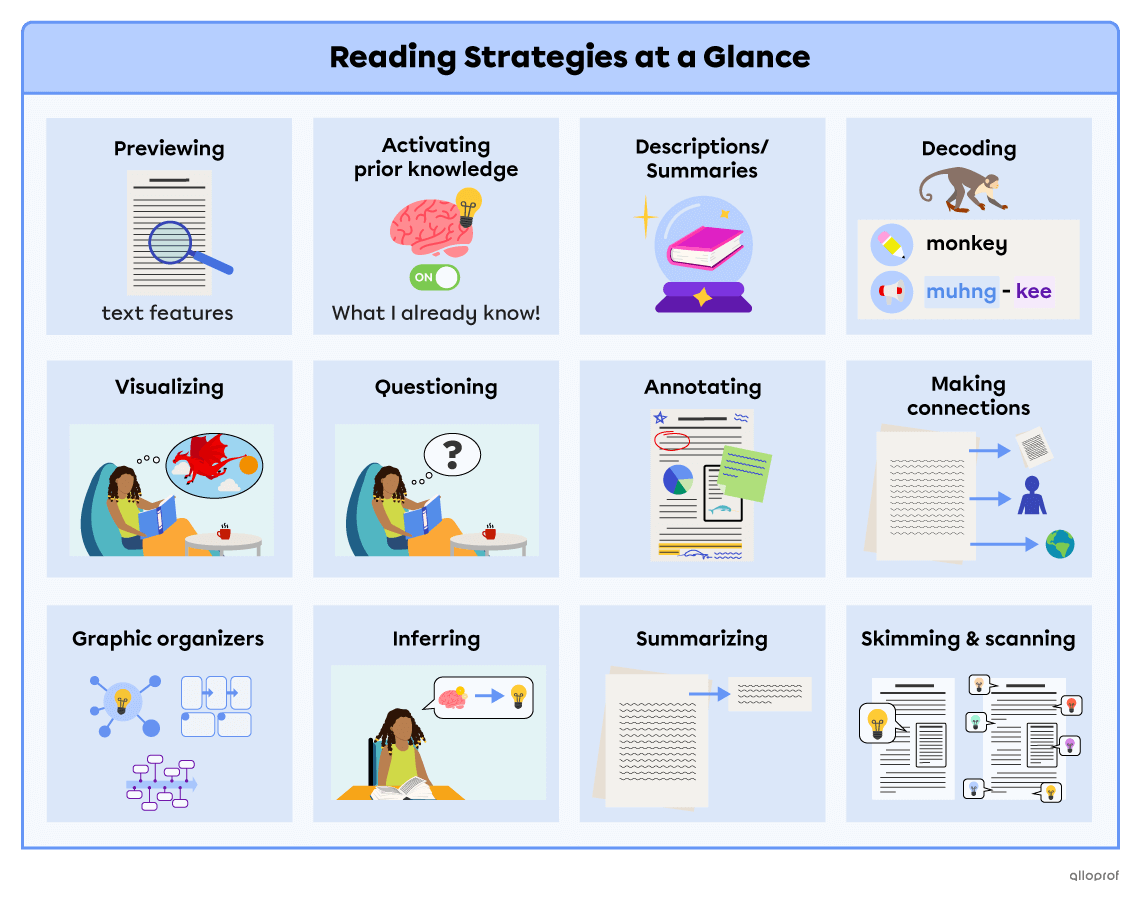
|
Graphic organizer type |
Uses |
|
List & organize character information |
|
|
Outline the main story elements |
|
|
Connect story elements to a central/main idea |
|
|
Compare & contrast elements |
|
|
Illustrate the flow of a story |
|
|
Order story events chronologically |
|
|
Illustrate sequence of events or steps to follow |
This list contains only some of the most commonly used graphic organizers.
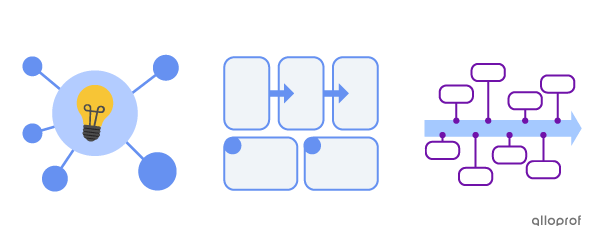
Graphic organizers are visual tools to help sort, classify and order information.

|
Graphic organizer type |
Uses |
|
List & organize character information |
|
|
Outline the main story elements |
|
|
Connect story elements to a central/main idea |
|
|
Compare & contrast elements |
|
|
Illustrate the flow of a story |
|
|
Order story events chronologically |
|
|
Illustrate sequence of events or steps to follow |
This list contains only some of the most commonly used graphic organizers.
The following are graphic organizers with additional information on their content and downloadable templates.
Character cards are used to gather information on the characters.
They are also known as character profiles.
Information generally found in character cards:
| Basic information | |
| Name | Description |
| Age | Gender |
| Character picture | |
| Occupation | |
| Defining features | |
| Traits/skills/abilities | |
| Character type | |
| Character actions | |
| Quote(s) | |
Character card example
Treasure Island (Stevenson, 1883)
Story maps are used to outline and connect story elements or events.
Information generally found in story maps:
| General story maps (cover full story) | |
| Story outline | → Beginning |
| → Middle | |
| → End | |
| Character list | |
| Setting elements | |
| Specific story maps (cover part of a story) | |
| Problem(s) encountered | |
| Solution(s) found | |
| Story events/Character actions | |
| Characters involved | |
| Setting elements | |
| Relevant details | |
Story map example
Alice's Adventures in Wonderland (Carroll, 1865)
A mind map contains a central element/idea connected to several other related elements/ideas.
Mind maps contain as many elements as required.
Mind map example
Charlie and the Chocolate Factory (Dahl, 1964)
Venn diagrams are used to visually compare elements.
| Venn diagram features |
| Sets of elements to compare (overlapping circles) |
| Features/characteristics to compare (set labels/headers) |
| Elements to compare (words or pictures) |
| Element with different characteristics (non-overlapping areas) |
| Element with common characteristics (overlapping areas) |
Venn diagram example
The Hobbit (Tolkien, 1937)
Plot diagrams are used to illustrate the flow of a story.
Plot diagram elements
| Exposition | |
| Introduction of | Main character(s) |
| Story setting | |
| Initial situation | |
| Inciting incident | |
| Event or problem getting the story moving | |
| Rising action | |
| Actions and events leading to the climax | |
| Climax | |
| Peak of excitement, final showdown | |
| Falling action | |
| Story wrap-up | |
| Resolution | |
| Story ending | |
Plot diagram example
Ciderella (folk tale)
A timeline contains elements or events organized in chronological order.
Timeline example
Jack and the Beanstalk (folk tale)
A flowchart contains elements organized in a sequence, like following a process.
Flowchart example
Hatchet (Paulsen, 1987)