Subjects
Grades
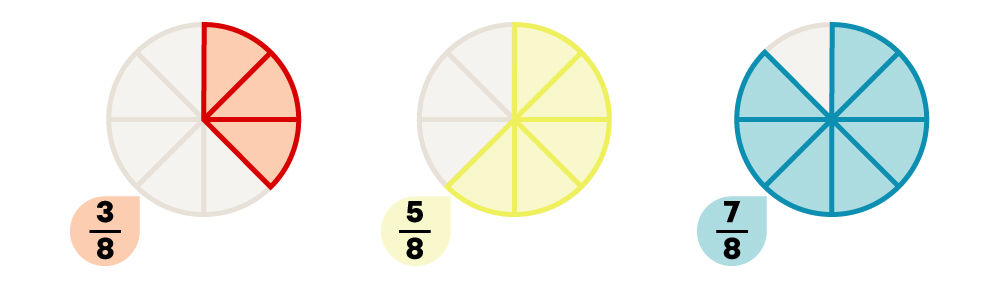
When the denominators are common (identical), the numerators indicate if one fraction is smaller or larger than another. The larger numerator indicates a larger fraction because more parts are used. Similarly, the smaller numerator indicates a smaller fraction because fewer parts are used.
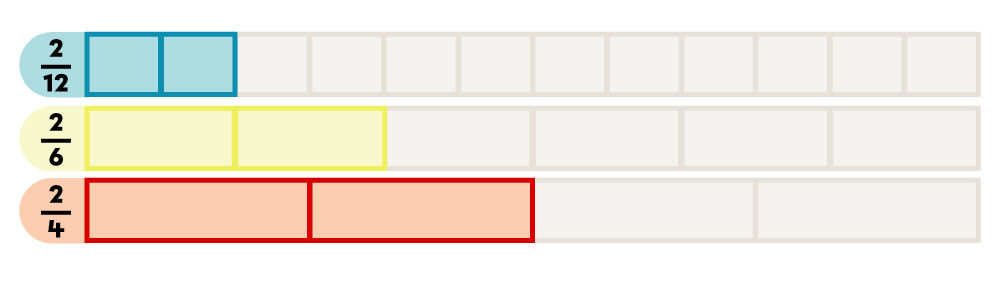
When the numerators are common (identical), the denominators indicate if one fraction is smaller or larger than another.
The larger denominator indicates the smaller fraction because the whole is divided into smaller parts. Similarly, the smaller denominator indicates the larger fraction because the whole is divided into larger parts.
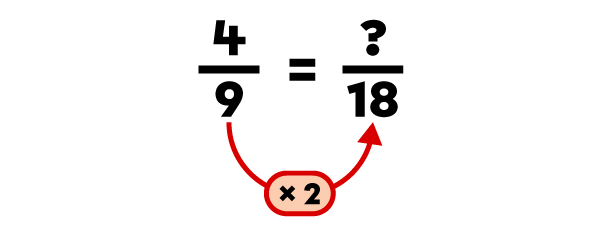
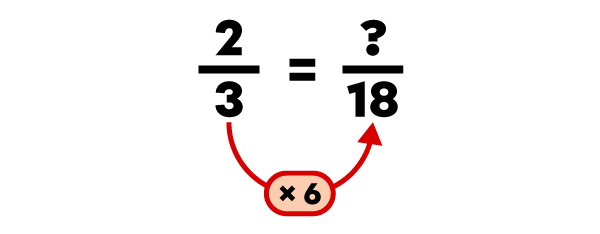
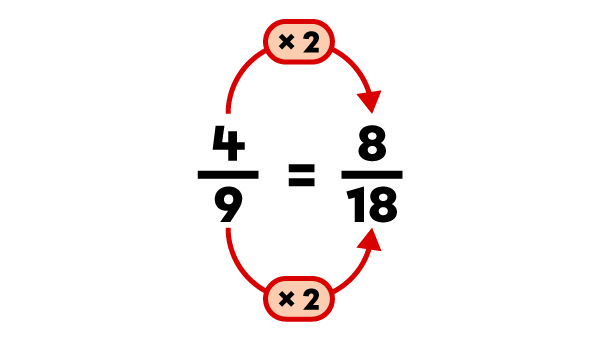
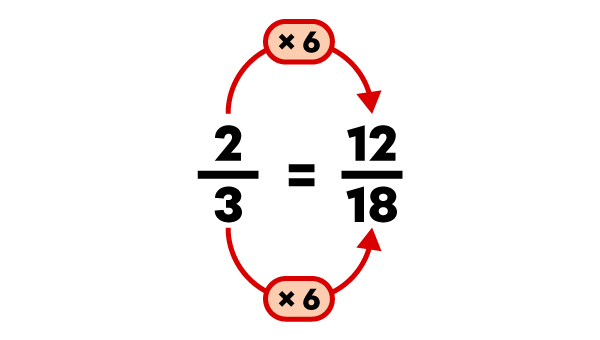
When the numerators and denominators are different, convert the fractions to equivalent fractions with a common denominator.
I have to follow these steps to compare and order fractions with different numerators and denominators.
Order the fractions |\dfrac{4}{9}|, |\dfrac{2}{3}| and |\dfrac{3}{18}| in ascending order.
|  |
|   |
|   |
|   |
| 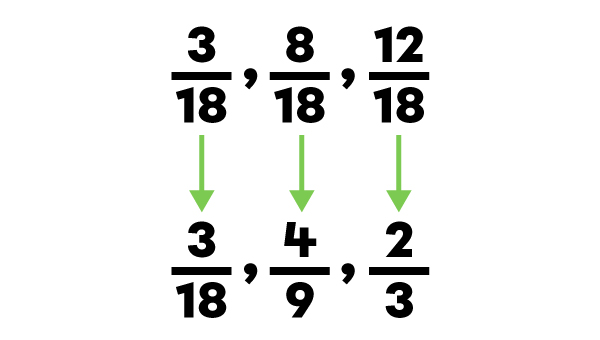 |
The ascending order of the fractions is |\dfrac{3}{18}|, |\dfrac{4}{9}| and |\dfrac{2}{3}|.