Subjects
Grades
 100%
100%
 100%
100%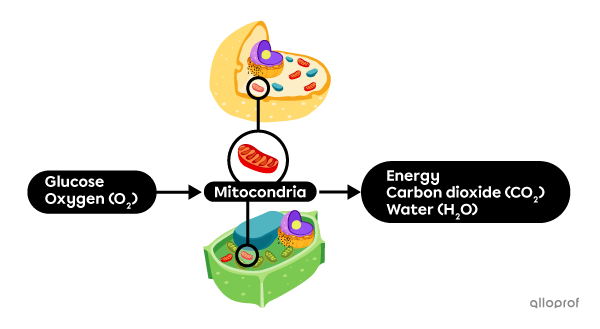 100%
100%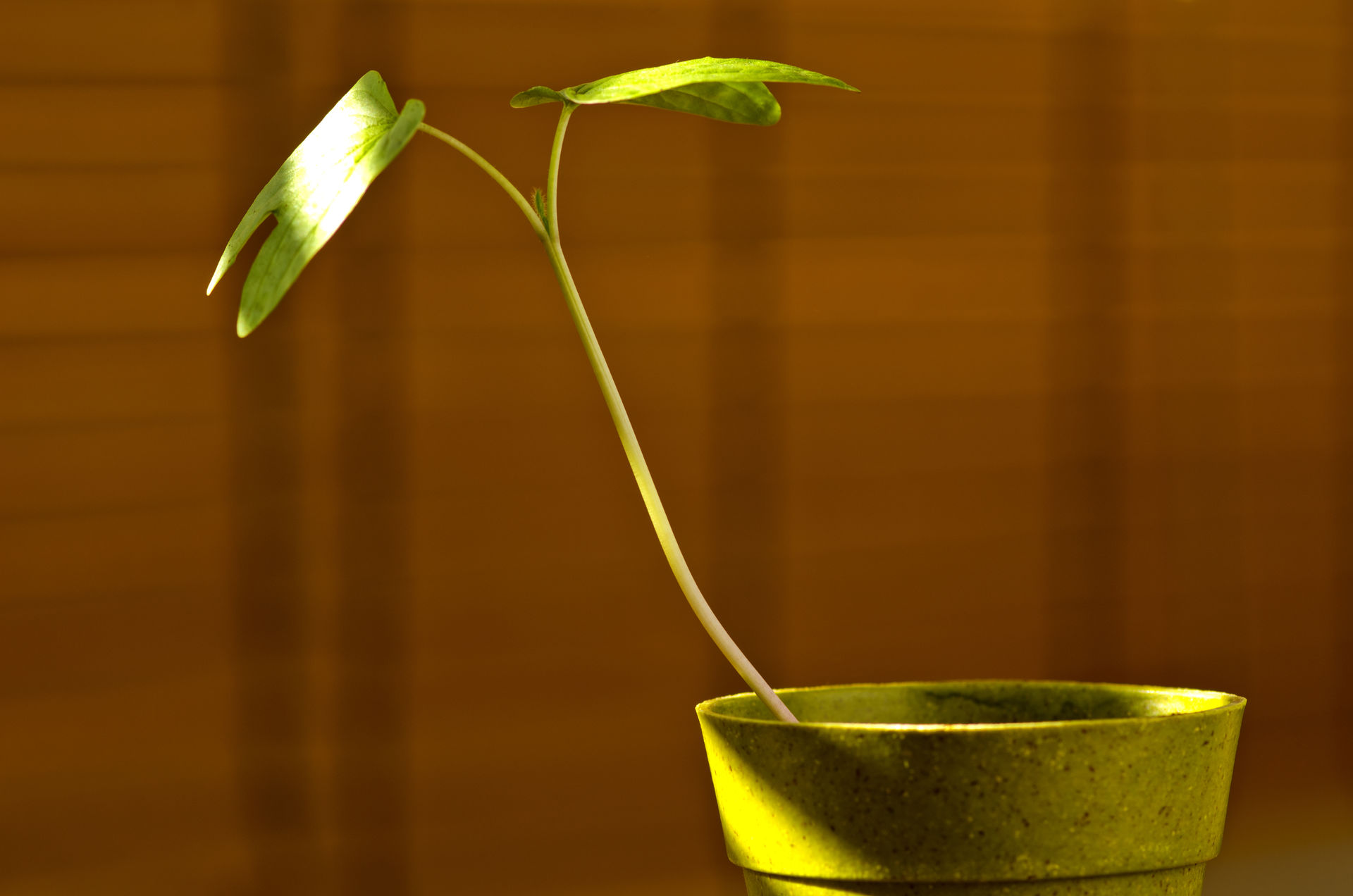 100%
100%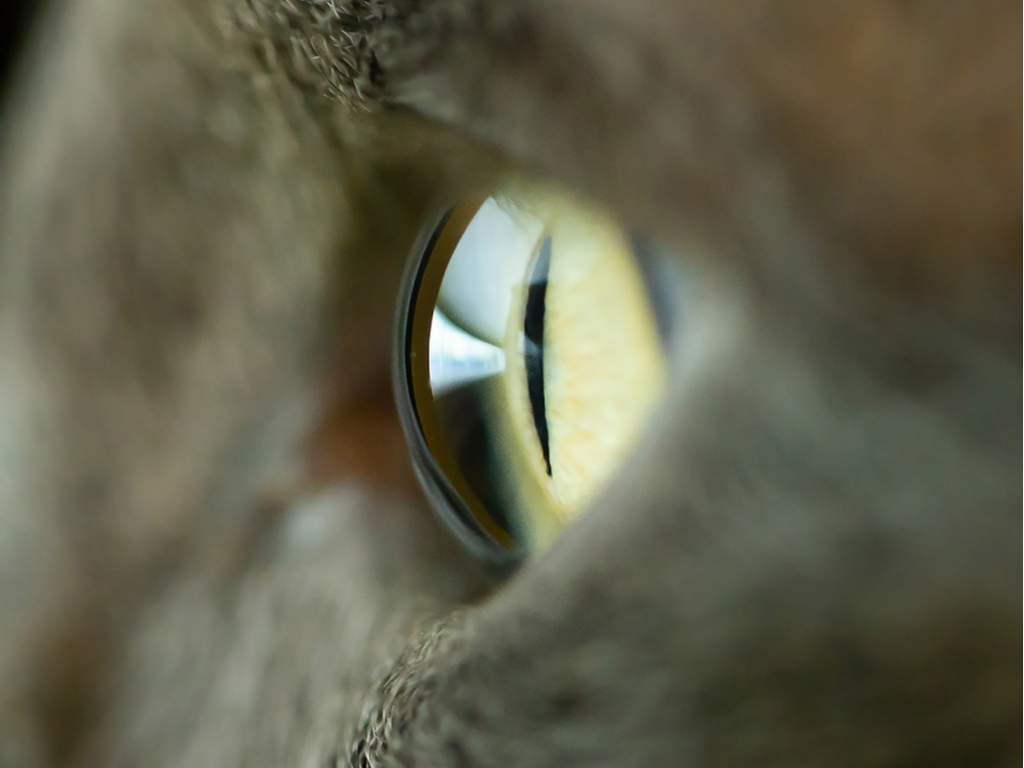 100%
100%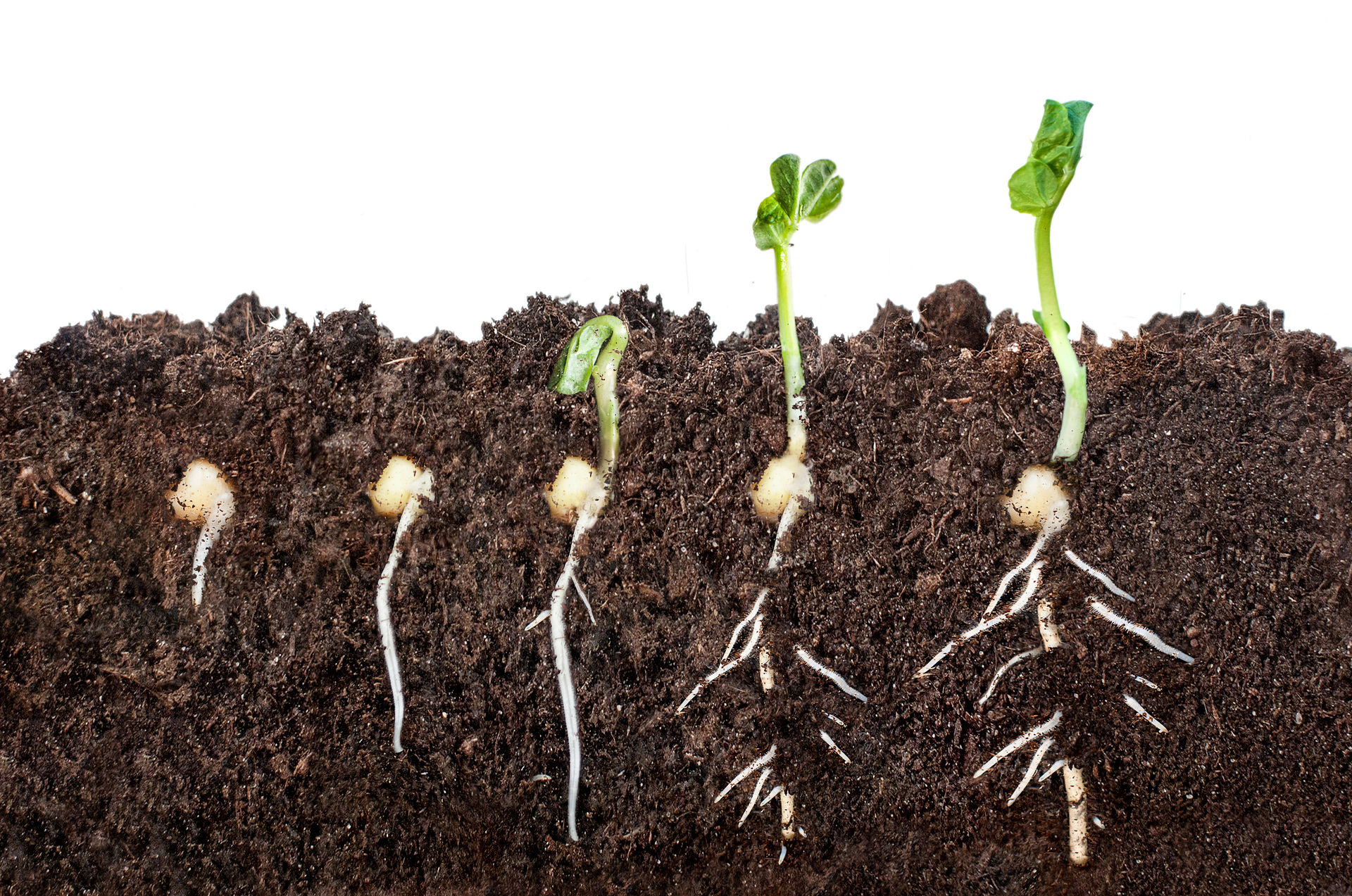 100%
100% 100%
100%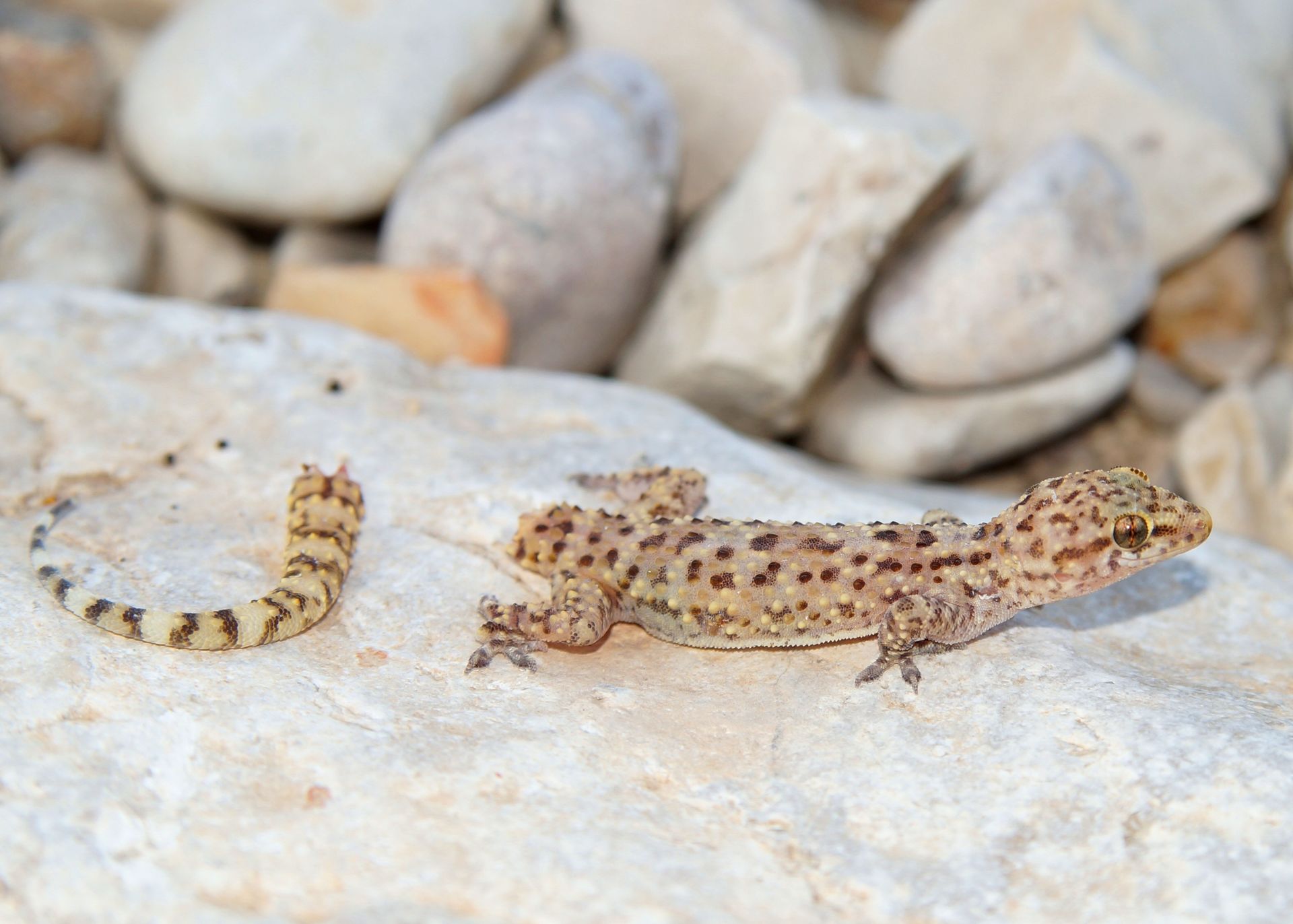 100%
100%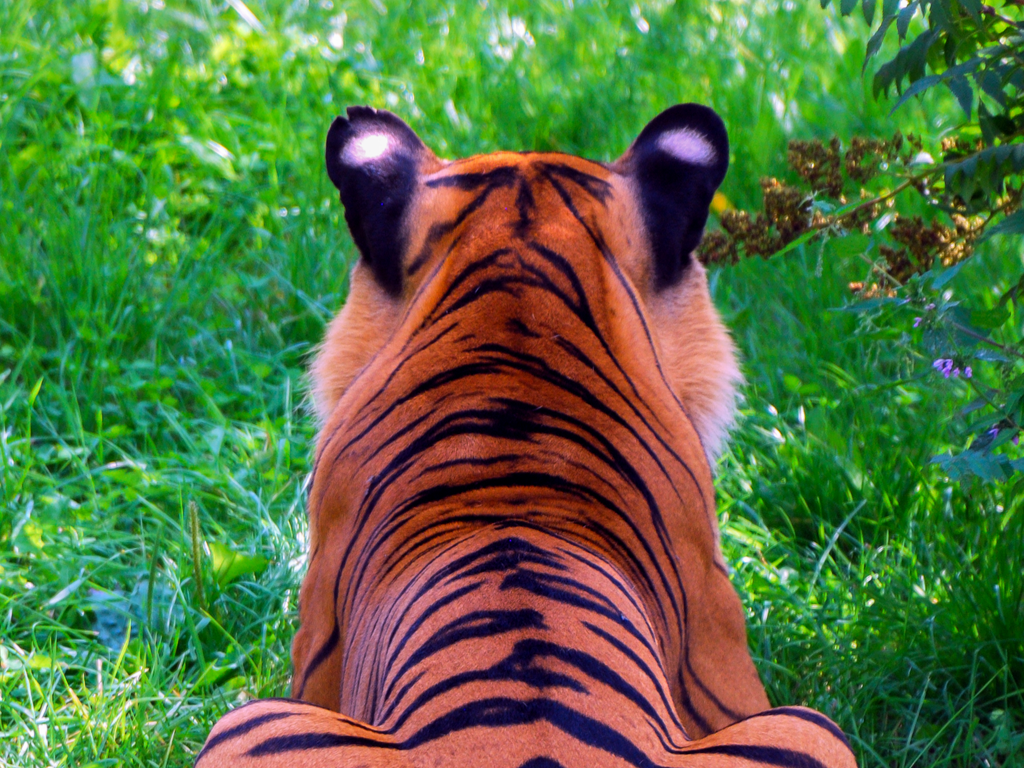 100%
100%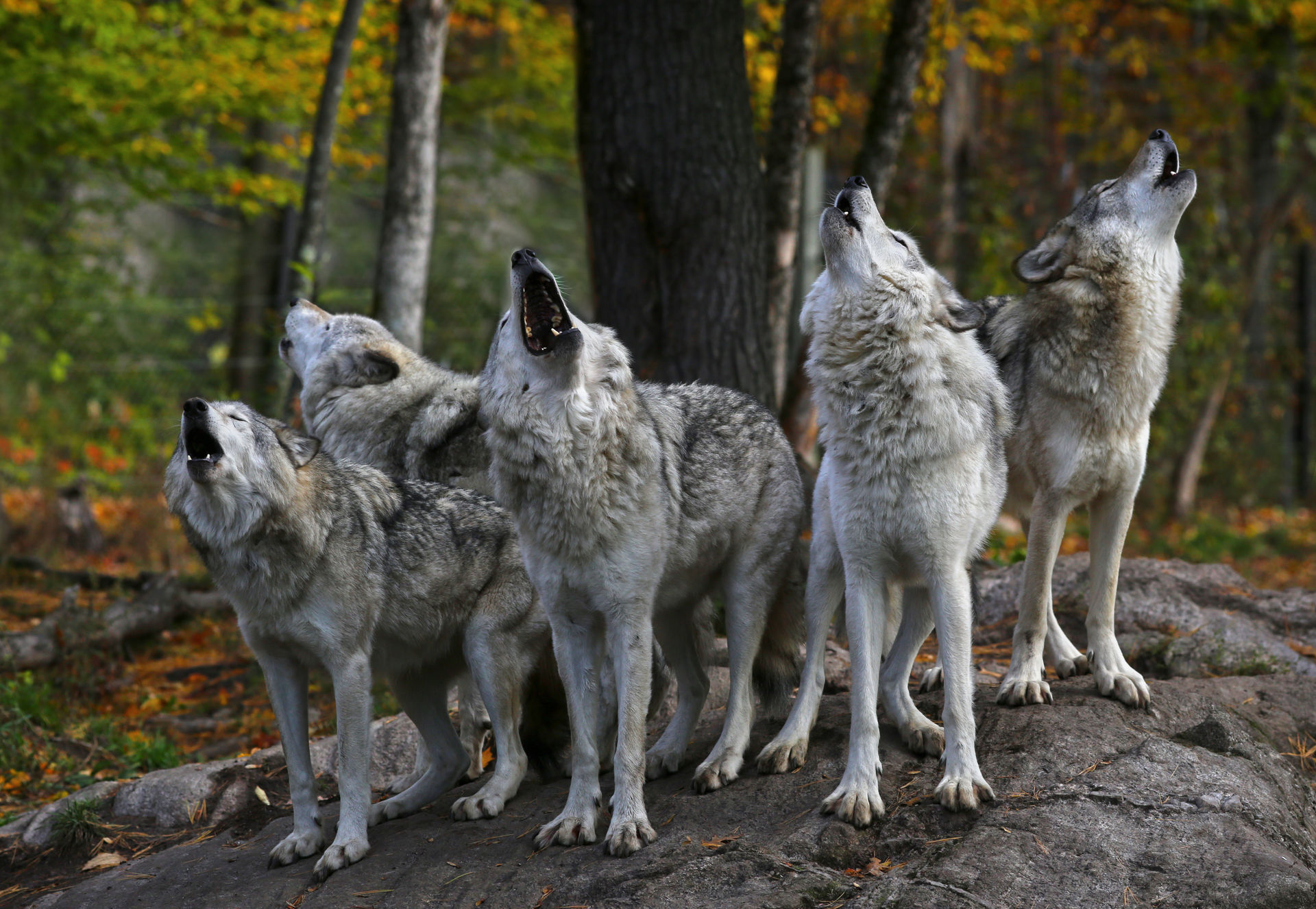 100%
100%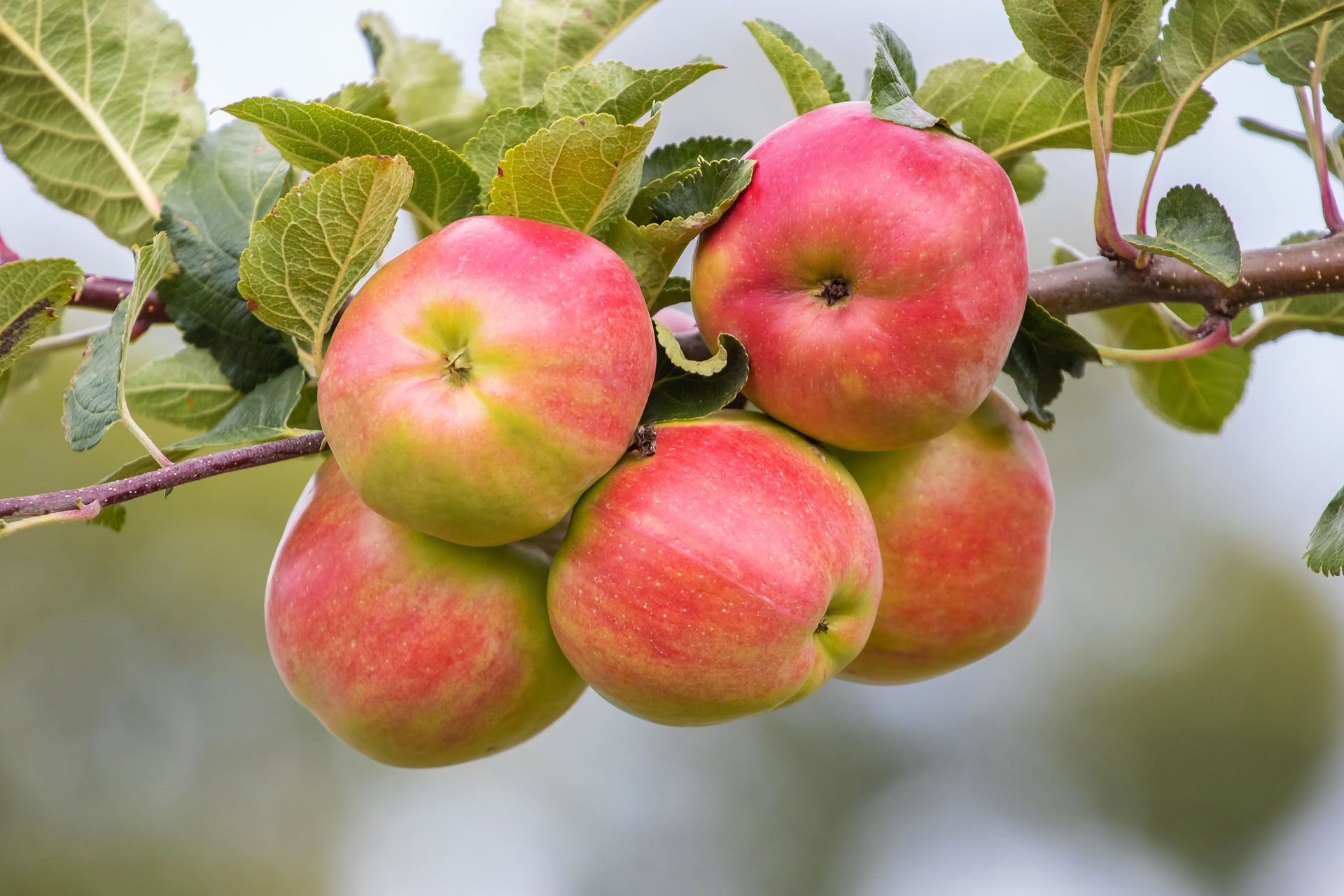 100%
100%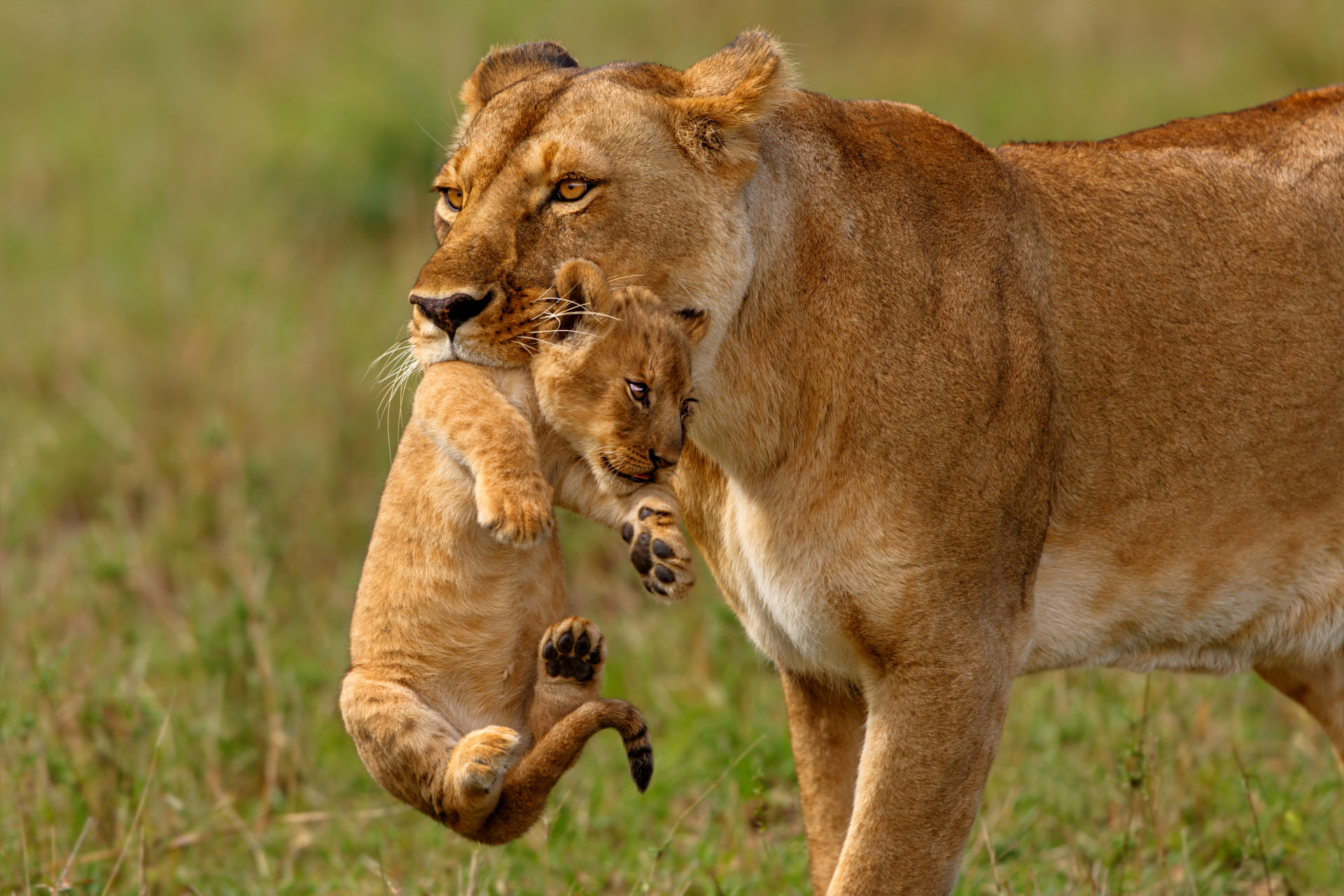 100%
100%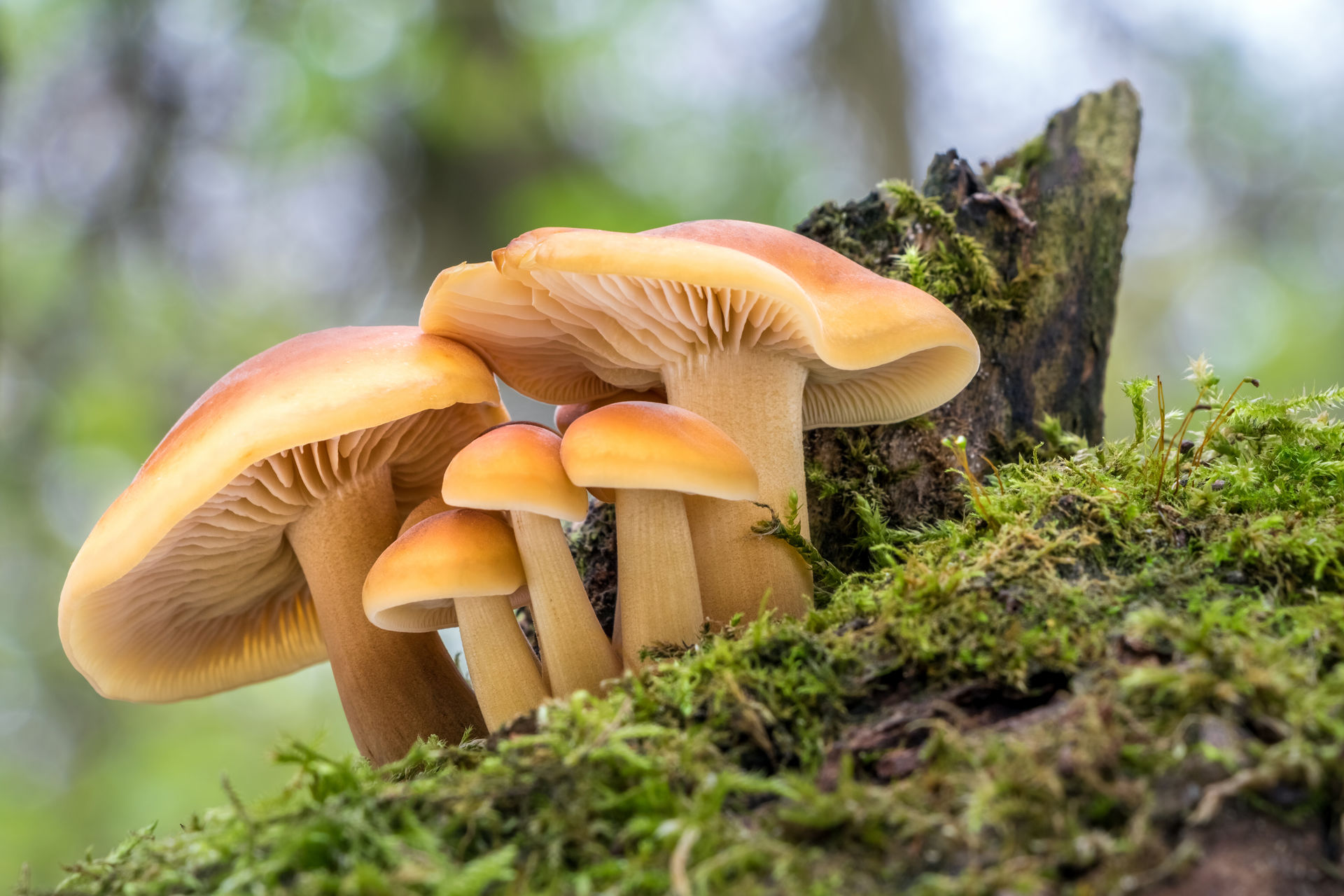 100%
100%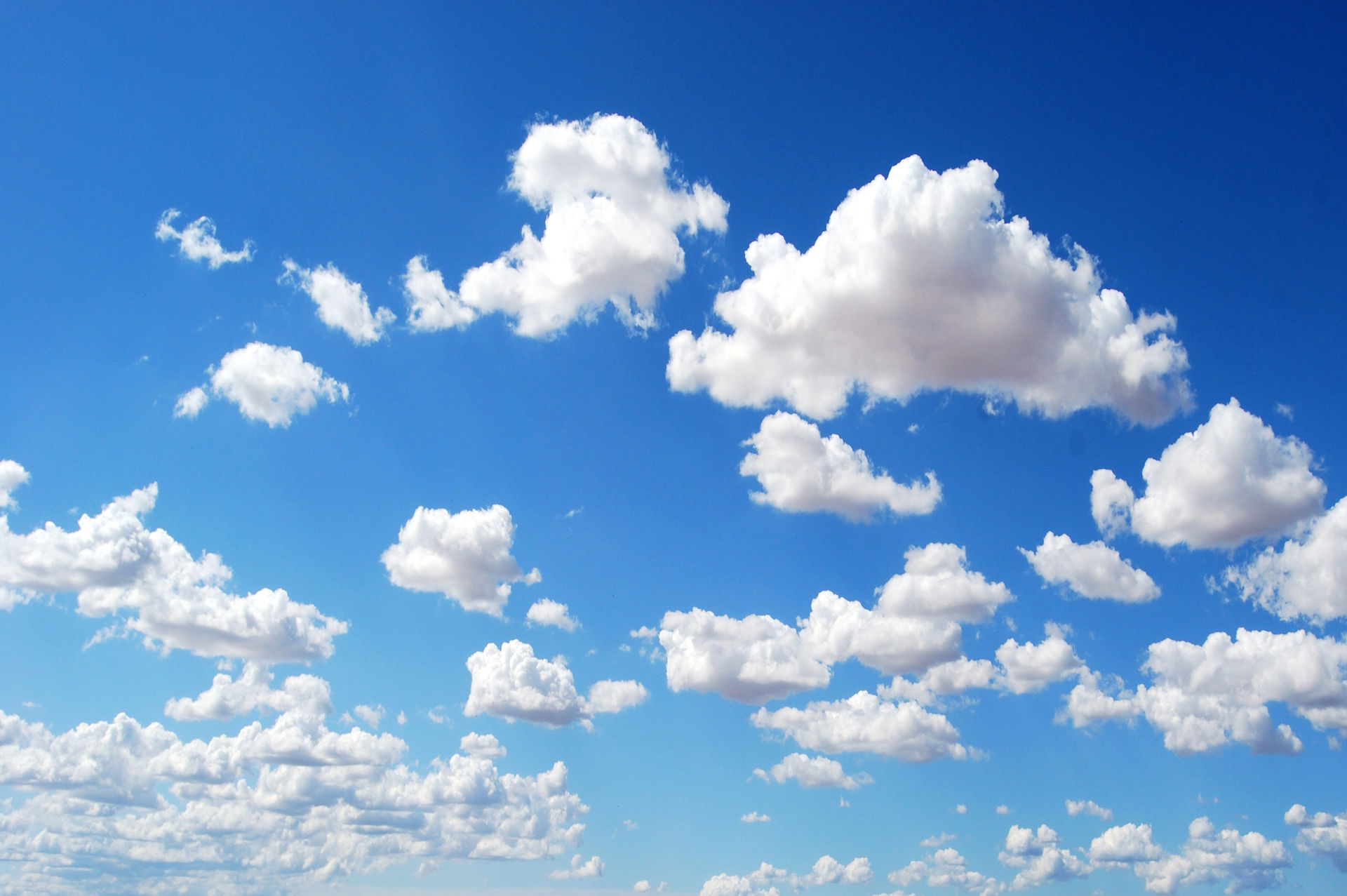 100%
100% 100%
100%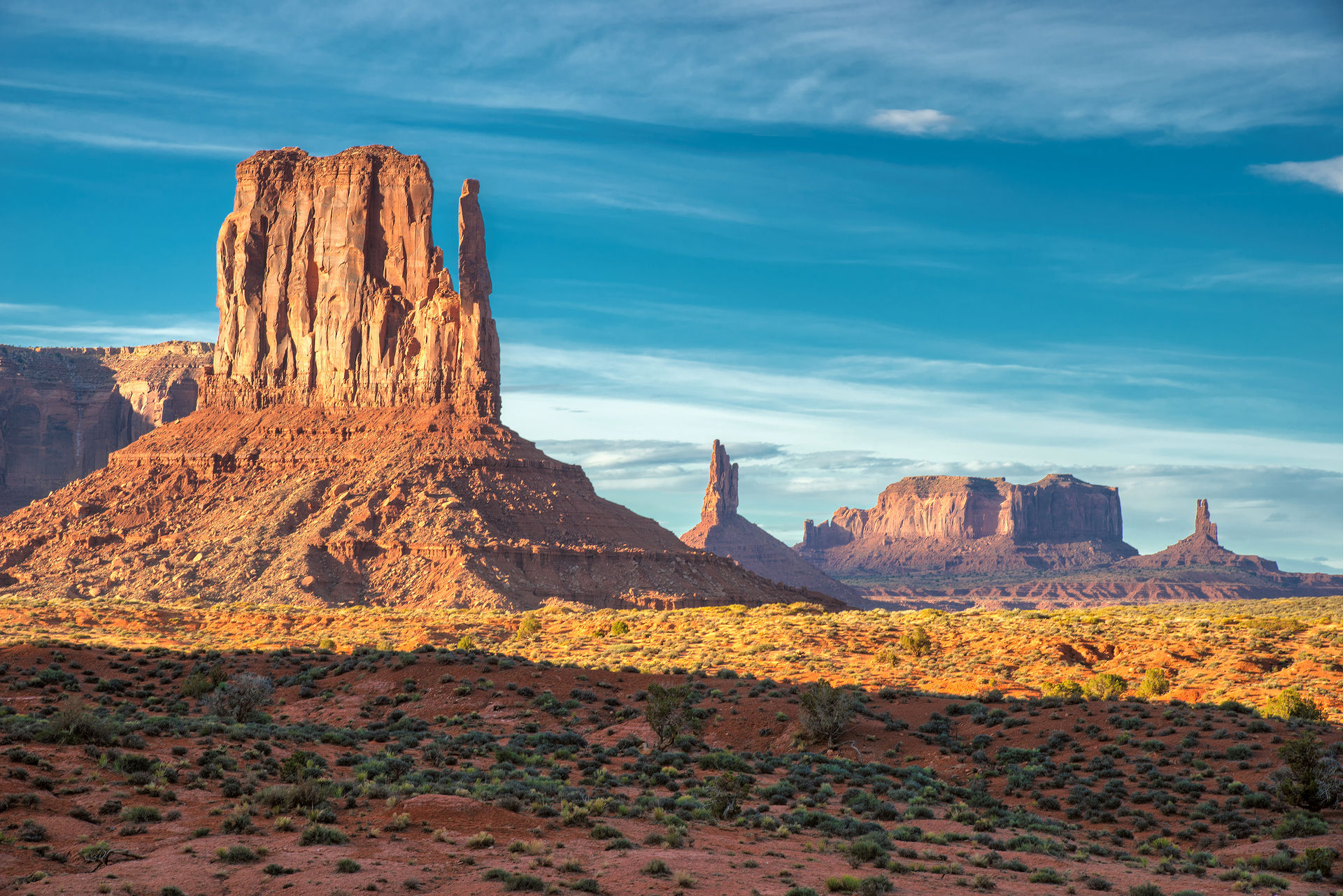 100%
100% 100%
100%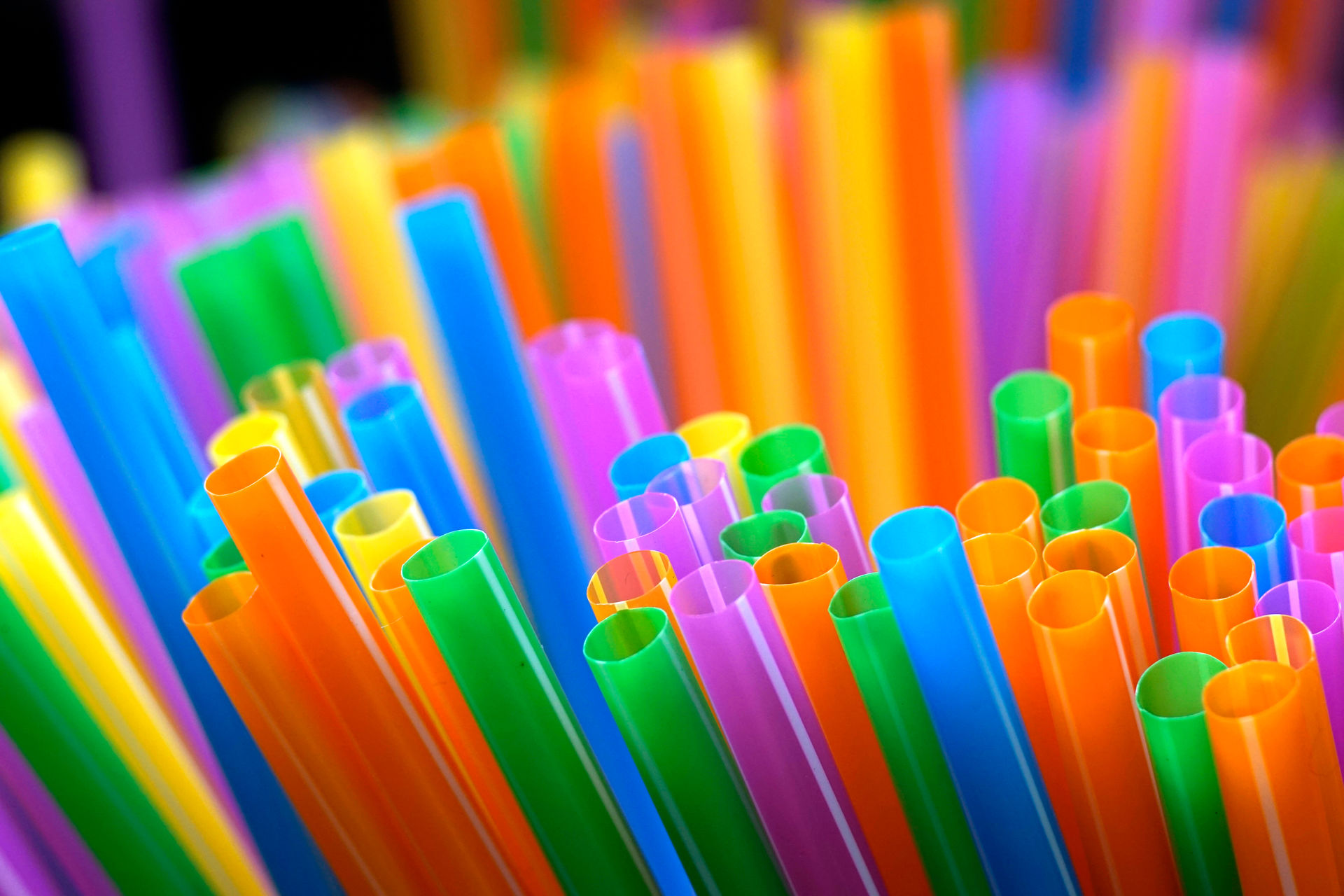 100%
100% 100%
100%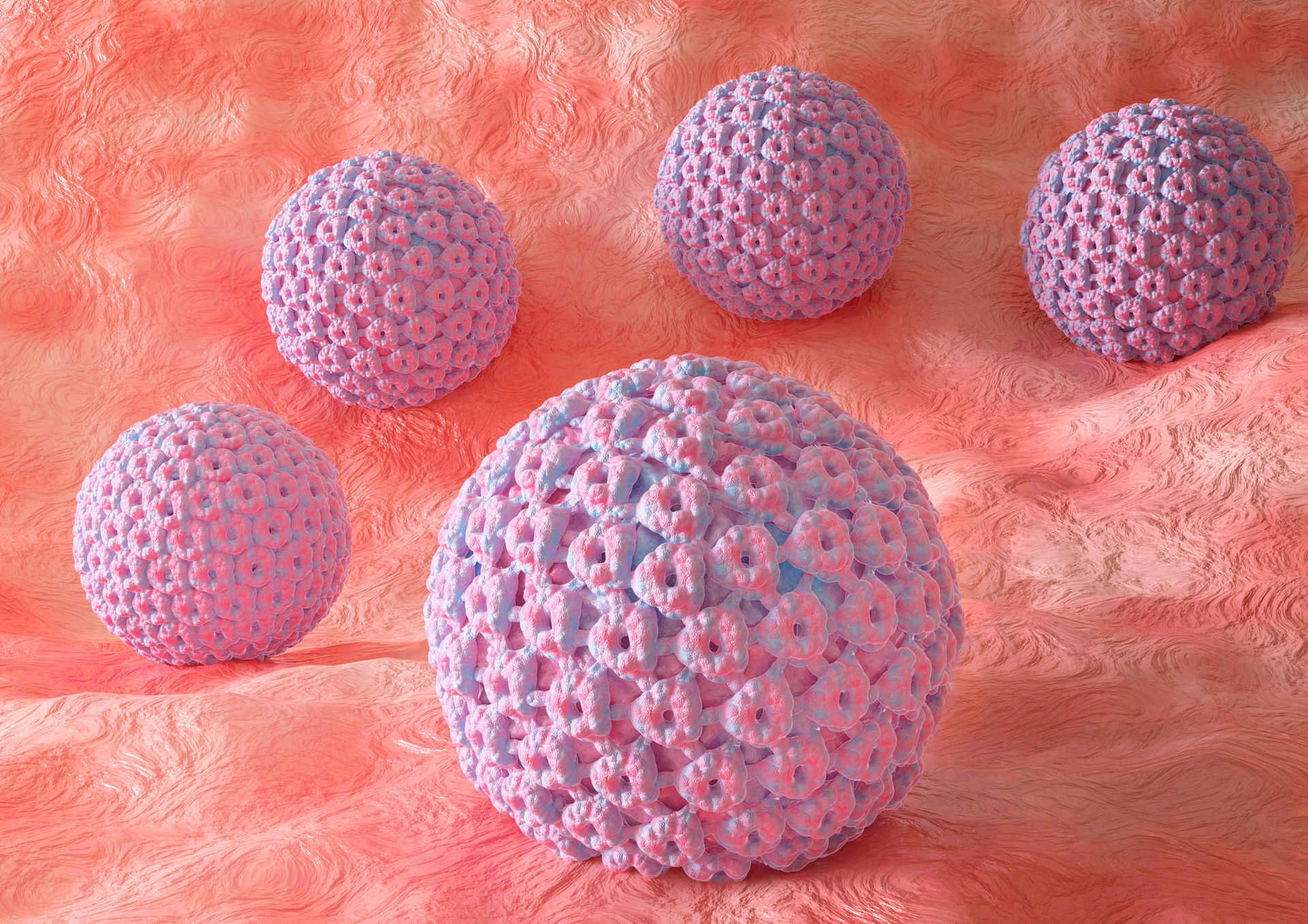
The characteristics of living things are the set of common characteristics that describe all living organisms. They are used to differentiate living things from non-living things.
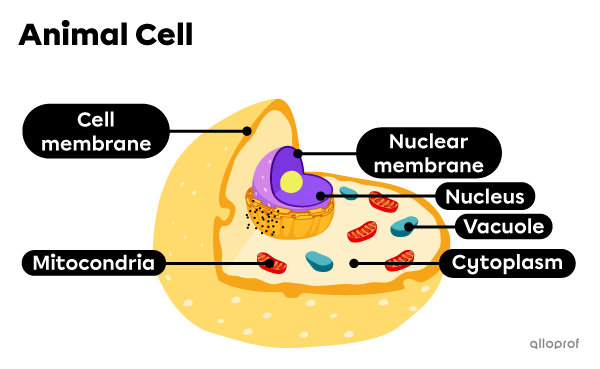
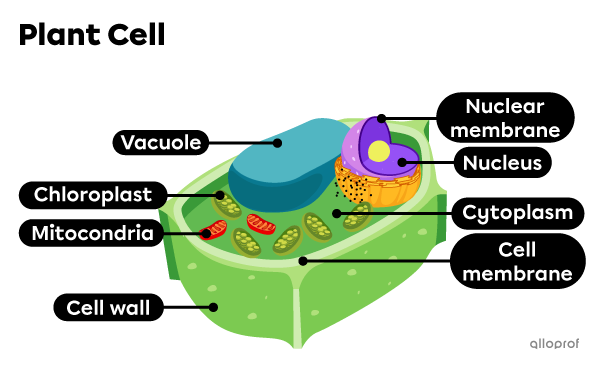
All living organisms are made up of cells. Some are made up of a single cell. They are unicellular organisms (“uni” means one and “cellular” refers to the word cell). Organisms made of several cells are said to be multicellular (“multi” means several and “cellular” refers to the word cell).
The animal cell and plant cell are types of cells found in multicellular organisms, such as plants and animals.
All living organisms are able to interact with their environment. Exchanges occur to perform vital functions, such as respiration and nutrition.
Inputs and outputs are at the heart of exchanges with the environment, whether in relation to cells or to a complex multicellular organism.
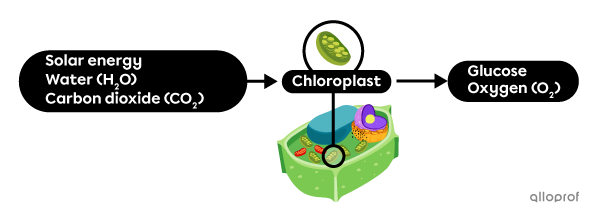
Photosynthesis is essentially a transformation of solar energy and other elements into glucose (sugar). It takes place in the chloroplasts of plant cells and it requires exchanges between the cells and the external environment.

The inputs and outputs of photosynthesis
Cellular respiration is essentially a transformation of glucose and other elements into energy. It takes place in the mitochondria of animal and plant cells, and it requires exchanges between the cells and the external environment.
The inputs and outputs of cellular respiration
A stimulus is a phenomenon that triggers an organism’s response.
Stimuli are varied. It can be sound, light, heat, etc. It can also involve the perception of a dangerous, frightening, or stressful situation.
Living organisms respond to these stimuli. Their reactions allow them to satisfy a need or protect themselves.
Light is a stimulus that can cause various reactions.
The movement of a plant towards sunlight (phototropism) is an example of a reaction to a stimulus.
Phototropism
The change in size of a cat's pupils is also a reaction to light.
Pupil of a cat
All living organisms come to life, develop, and then die. During an organism’s life, its cells reproduce, allowing tissues to grow and regenerate.
The germination of a seed is an example of growth in plants.
Germination of a seed
A child tends to improve the grip of their pencil over time.
The improvement of fine motor skills in children is an example of development.
Holding a crayon
When a Mediterranean gecko (Hemidactylus turcicus) senses danger, it may detach its tail to distract a predator.
The Mediterranean gecko’s tail will grow back over time.
The regeneration of a gecko's tail is an example of tissue repair in animals.
Detached tail of a Mediterranean gecko
Living organisms can get used to changes in their environment by adapting. The adaptations can be either physical or behavioural. The purpose of adaptations is always to allow living organisms to survive in their environment.
The backs of tigers’ (Panthera tigris) ears are dark with a white patch. It looks like they have eyes in the back of their heads. This physical adaptation makes it easier for the young to spot their mother while travelling through the jungle.
The black and white ears of a tiger
Wolves (Canis lupus) live in packs to be more successful when hunting and to protect each other. This is a behavioural adaptation.
Wolves
To ensure the survival of a species, all living organisms have the capacity to reproduce and to generate other living organisms similar to them.
There are several reproduction mechanisms in the different kingdoms of life.
Apples contain the seeds necessary to reproduce an apple tree (Malus domestica).
Apples
The lion (Panthera leo) is a viviparous animal, which means that the embryo of the lion cub develops in the mother’s body.
A lioness and her cub
Living organisms are classified under the following five kingdoms.
Lactobacillus acidophilus is a probiotic bacterium belonging to the monera kingdom.
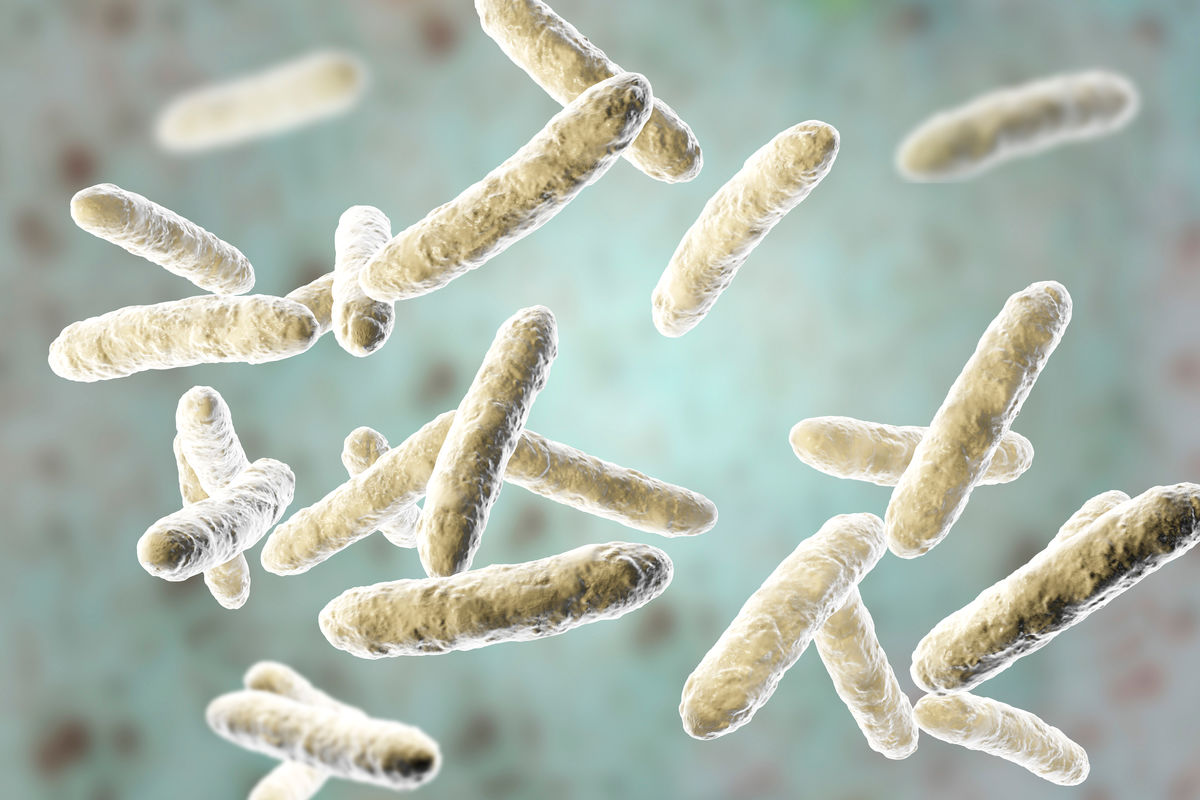
Illustration of probiotic bacteria
Phacus pleuronectes is a species of euglena belonging to the protista kingdom.
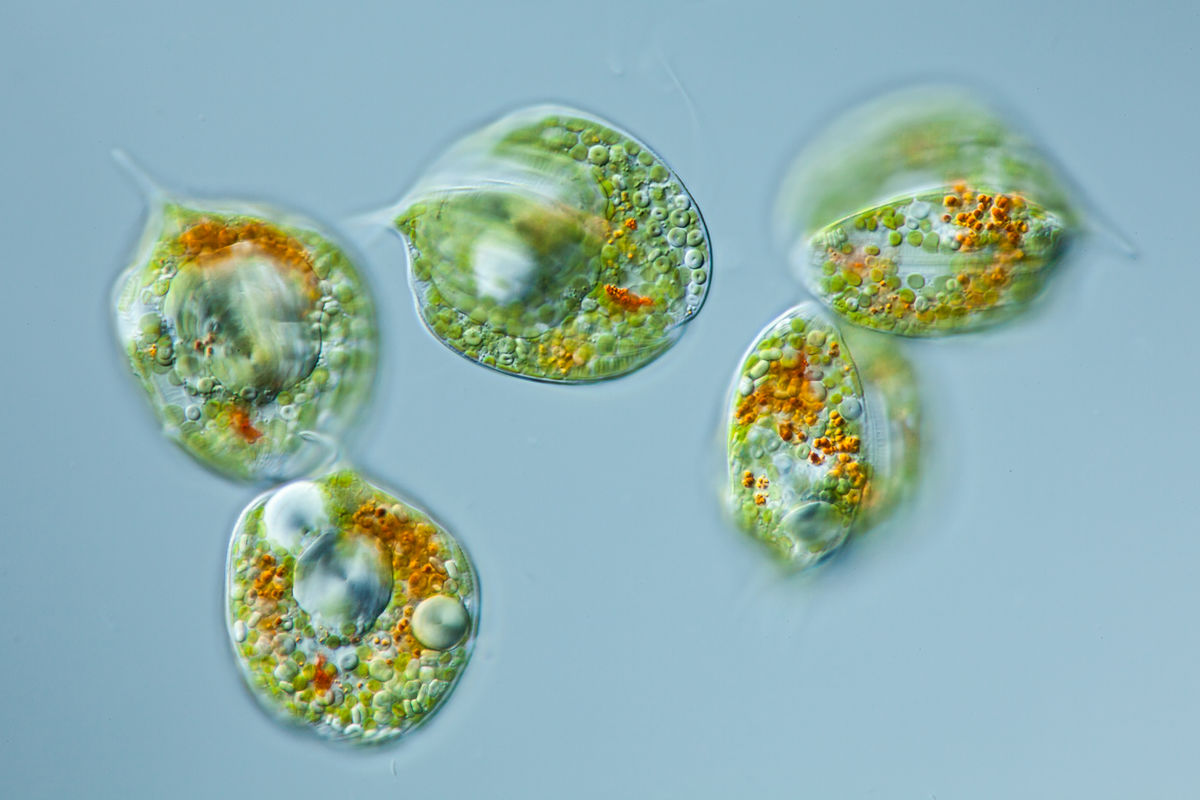
Euglena observed under a microscope
Baker's yeast (Saccharomyces cerevisiae) is a species of the fungi kingdom.
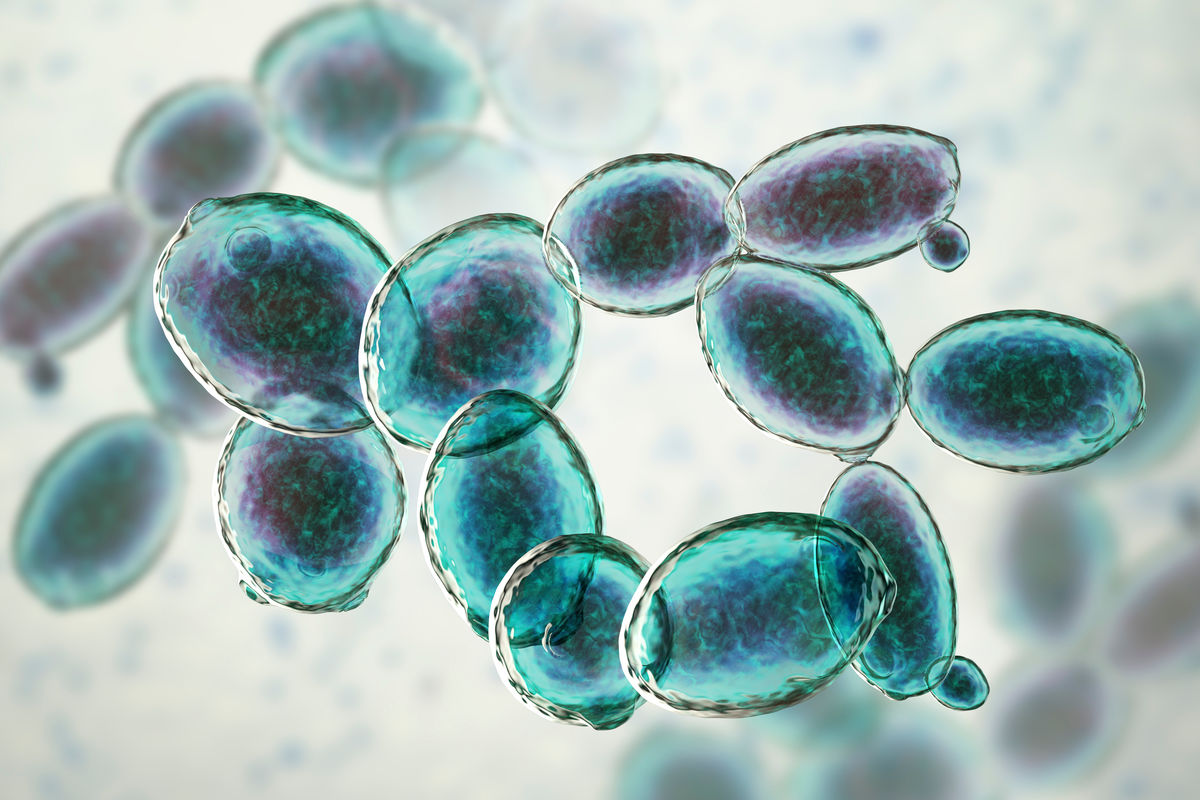
Illustration of Baker's yeast
The cow (Bos taurus taurus) is a species belonging to the animal kingdom.
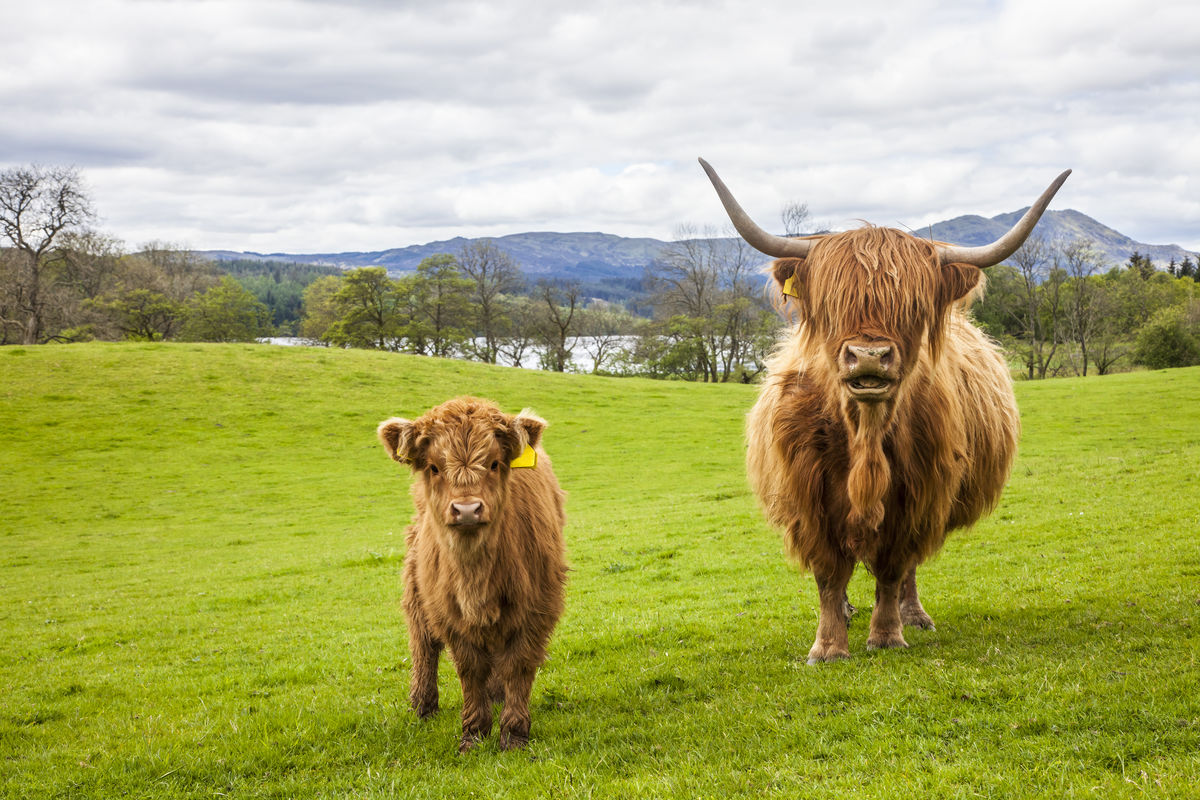
Highland cow and her calf
Beech (Fagus sylvatica) is a species belonging to the plant kingdom.
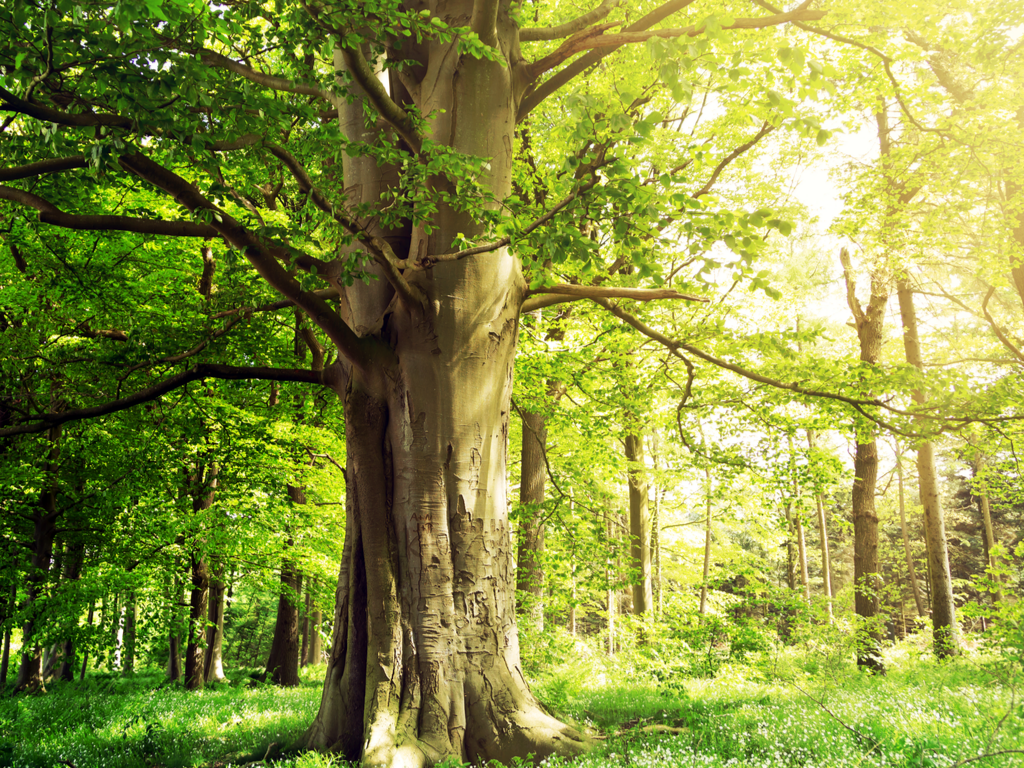
Beech Tree
Most organisms belonging to the fungi kingdom live in the soil and in decaying organic matter.
The caps and stalks observed on the surface and commonly referred to as mushrooms are actually sporophores. They allow fungi to reproduce, like flowers and fruits do for plants.
Some sporophores are edible while others are poisonous or even deadly.
Winter mushroom sporophores
Non-living matter does not respond to one or more characteristics of living things.
Air and gases in the atmosphere are not alive.
Sky and clouds
The soil, rocks, and relief of the lithosphere are not alive.
A rocky landscape
The hydrosphere is not alive.
Water
Plastic is not alive.
Plastic straws
Technical objects such as a watch and a smartphone are not alive.
A watch and a smartphone
A virus is not considered a living organism.
It appears to share certain characteristics with cells, such as a genome, proteins, and a membrane.
However, a virus does not perform metabolic activities like respiration and nutrition, it does not use energy, and it cannot reproduce alone or with another virus.
Since a virus does not respond to many of the characteristics of a living organism, it is not considered to be a living thing.
Representation of the human papillomavirus (HPV)