Subjects
Grades
Climate change is a long-term modification of the characteristics of a climate.
A climate is the long-term average of atmospheric conditions for a given region. Its characteristics include temperature, precipitation and winds.
The climatic changes that have occurred throughout Earth's history have generally been caused by natural phenomena. They took place over long periods of time, ranging from tens of thousands of years to over a billion years.
Climate change can be identified by measuring certain indicators such as:
the average temperature at the Earth's surface
the frequency and volume of precipitation
wind intensity
The Earth's average surface temperature is currently rising at an unprecedented rate. This climate change is mainly caused by human activity. It is happening faster than ever and is influencing every climate on the planet. It is also known as global warming.
A balance between the flow of solar energy into the atmosphere and the energy released into space naturally enables the planet to stabilize the climate in its different regions.
However, certain natural phenomena, such as an increase in volcanic activity or a variation in the intensity of solar radiation, and certain human activities can disrupt this balance in a lasting way. This is what leads to climate change. Currently, human activities have a much greater influence on the climate than natural phenomena.
Some human activities can disrupt the climate by increasing the concentration of certain greenhouse gases (GHGs) in the atmosphere. This increase intensifies the greenhouse effect, which increases the amount of thermal energy trapped in the atmosphere and reduces the amount of energy released back into space.
The following table shows the increase in atmospheric concentration of the three main GHGs produced by human activities since the start of industrialization, around 1850.
|
Greenhouse gas (GHG) |
Percent increase |
|---|---|
|
Carbon dioxide |(\text{CO}_2)| |
47% |
|
Methane |(\text{CH}_4)| |
156% |
|
Dinitrogen oxide |(\text{N}_2\text{O})| |
23% |
Source: IPCC, 2021[1]. |
|
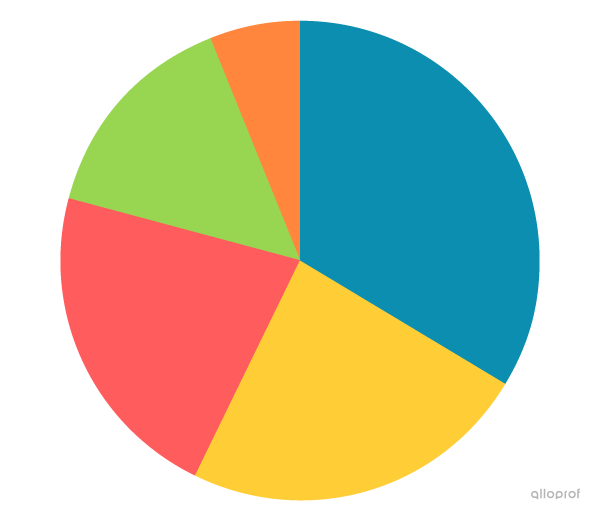
The following sectors have contributed the most to these increases.
 |
 |
Energy production (34%) |
 |
||
 |
Forestry and agriculture (22%) |
|
 |
Transportation (15%) |
|
 |
||
Source: IPCC, 2023[1]. |
||
According to the International Energy Agency (IEA), 66% of the energy produced in the world in 2022 came from the combustion of fossil fuels (oil, natural gas and coal)[2].
Because of the high global demand for energy, the combustion of fossil fuels produces very large quantities of carbon dioxide |(\text{CO}_2),| the most abundant greenhouse gas in the atmosphere.
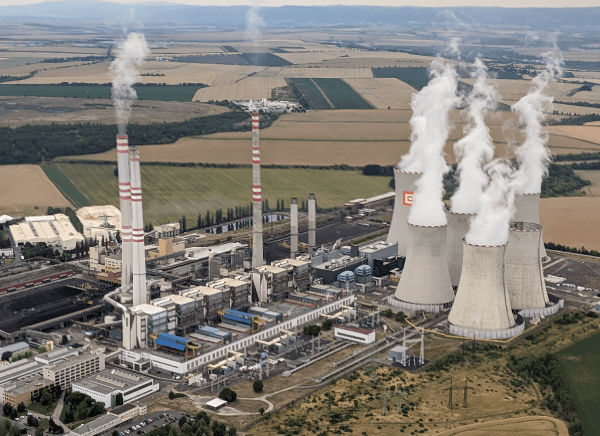
A coal-fired power station
Industrial processes extract and transform raw materials to manufacture goods and materials on a large scale.
Most of the GHGs emitted by industrial processes come from the high energy demand required to generate the necessary electricity and heat. Significant quantities of GHGs are also produced by the chemical reactions during the manufacture of chemical products and the transformation of materials, such as aluminum, iron, steel and cement.
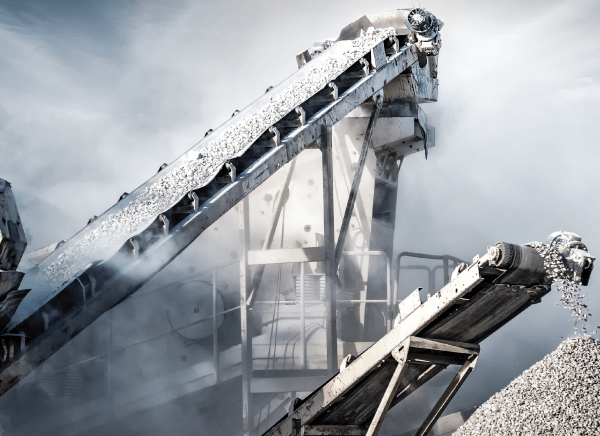
Ore processing at a quarry
Forestry and agriculture increase the concentration of the three main GHGs, which are carbon dioxide |(\text{CO}_2),| methane |(\text{CH}_4)| and dinitrogen oxide |(\text{N}_2\text{O}).|
Deforestation increases the amount of carbon dioxide |(\text{CO}_2)| in the atmosphere because it decreases the forest’s ability to absorb carbon dioxide |\text{CO}_2| through photosynthesis.
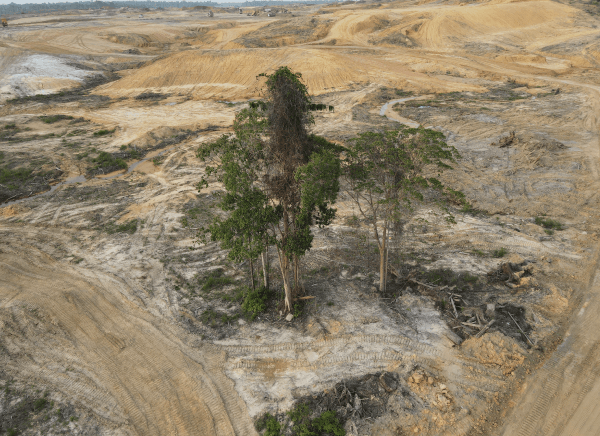
Deforestation
Industrial livestock farming is the main source of methane |(\text{CH}_4)| emissions. A digestive process specific to ruminants (cattle and sheep) enables them to break down dietary fibre to produce energy. Methane |(\text{CH}_4)| is a byproduct of this process. In addition, |\text{CH}_4| is produced by the decomposition of manure.
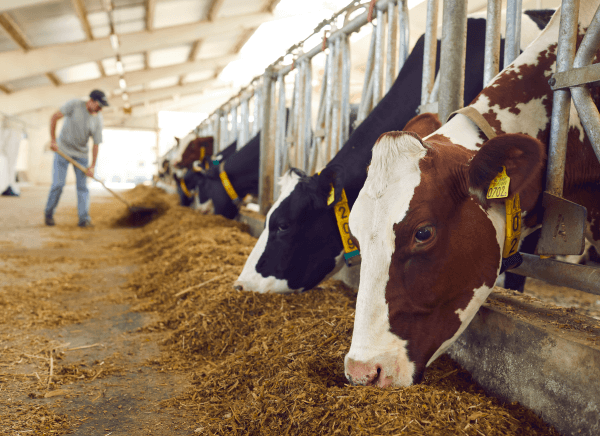
Industrial livestock farming
The use of nitrogen fertilizer increases the concentration of nitrous oxide |(\text{N}_2\text{O})| in the atmosphere because it is produced by certain bacteria in the soil during denitrification.
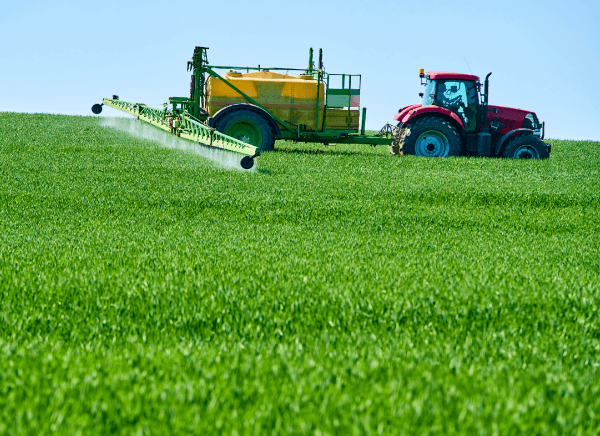
Nitrogen fertilizer
Most of the GHGs produced by the transportation sector come from fuel combustion.
More specifically, of the GHGs emitted worldwide by the transportation sector, 70% come from road vehicles, 12% from aviation, 11% from marine transportation and 1% from railroad travel[3].
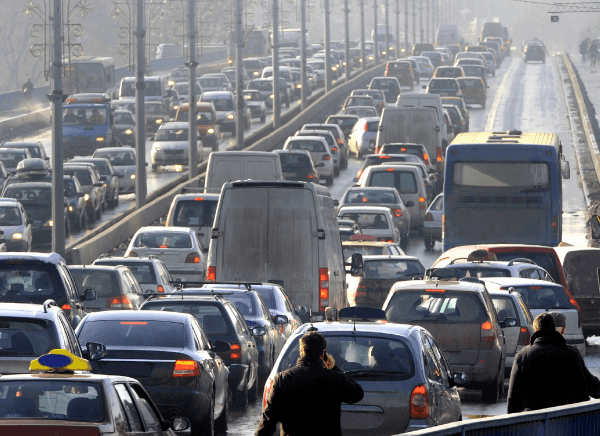
Road vehicles
These emissions are mainly caused by the processes related to the heating and cooling of buildings.
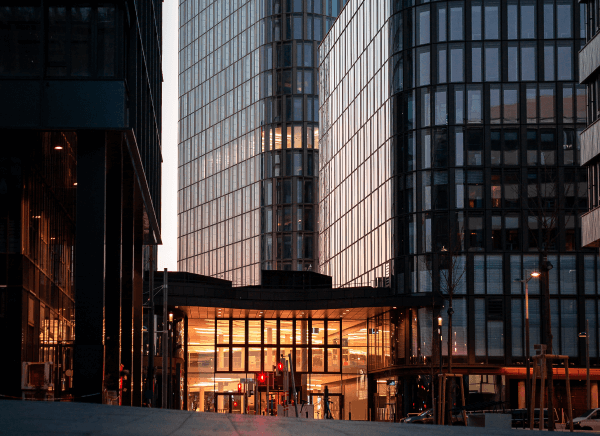
Buildings
According to the IPCC's sixth assessment report, the Earth's surface temperature has risen by 1.1°C since the beginning of the industrial era (1850). Forecasts indicate that this increase could reach 1.5°C by the early 2030s.
It is now recognized that global warming is happening due to the GHG emissions linked to human activities, which reinforce the greenhouse effect.
The consequences of global warming on the planet are numerous. Here are a few of them:
Heat waves and periods of drought are becoming longer and more frequent, making forest fires more likely to occur and last longer. At the same time, increasingly intense winds make it easier for the fires to spread, increasing their scale.
In addition to emitting large quantities of carbon dioxide |(\text{CO}_2)| and methane |(\text{CH}_4),| fires reduce the forest’s ability to absorb, transform and store |(\text{CO}_2).| This further reinforces global warming.
Heat waves and periods of drought are also associated with certain health risks.
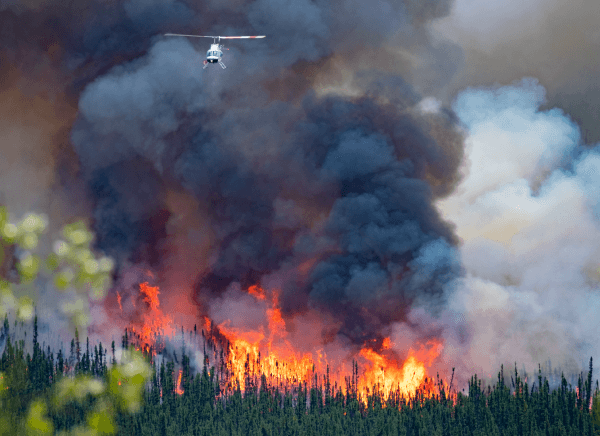
Forest fires
As the atmosphere gets warmer, it is able to hold more water vapour. As a result, the intensity and frequency of rainfall increase.
Heavier and more frequent precipitation increases the risk of flooding and landslides.
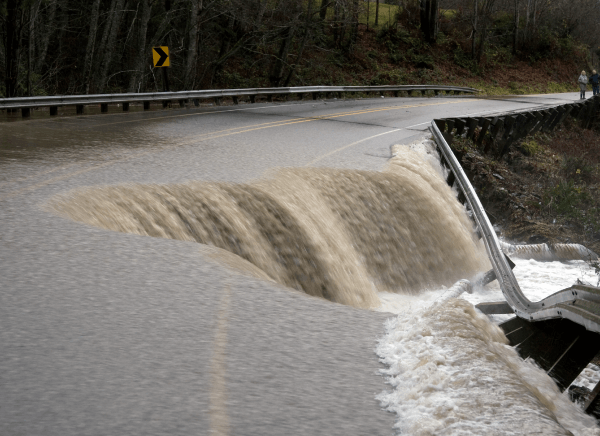
Landslides
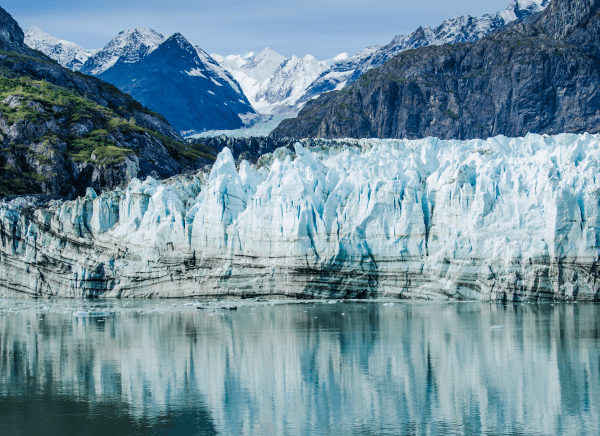
Rising sea level
Melting glaciers release large quantities of fresh water into the ocean, which reduces the salinity of the water at the poles.
Lower salinity at the poles reduces the sinking of water, which slows down deep currents and disrupts thermohaline circulation.
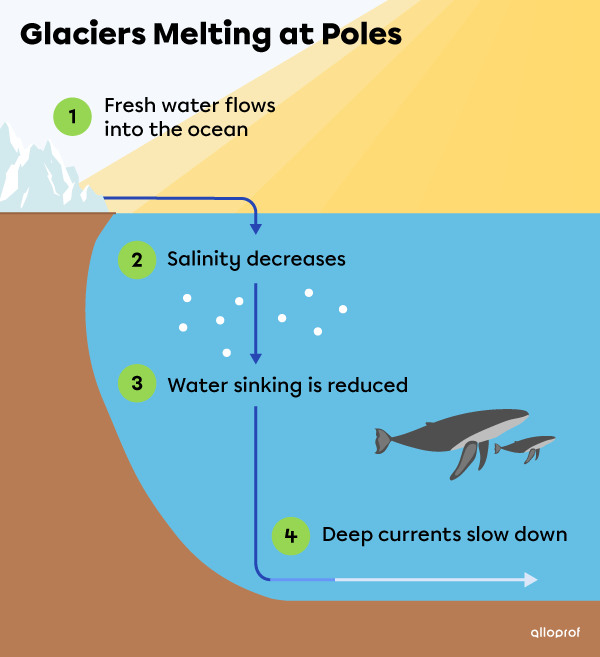
Disruption of thermohaline circulation
Melting pack ice and ice floes results in a loss of habitat for many species, such as polar bears and seals.
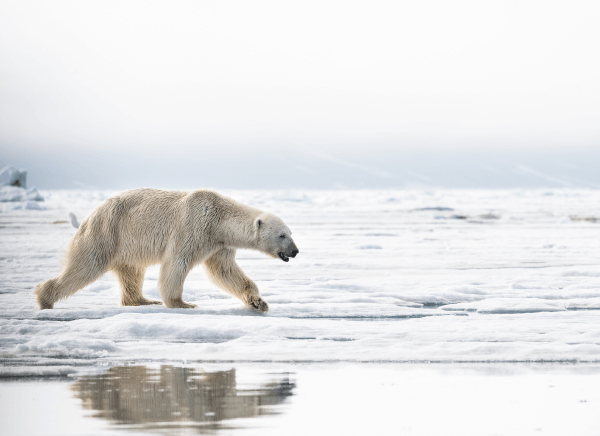
Loss of habitat
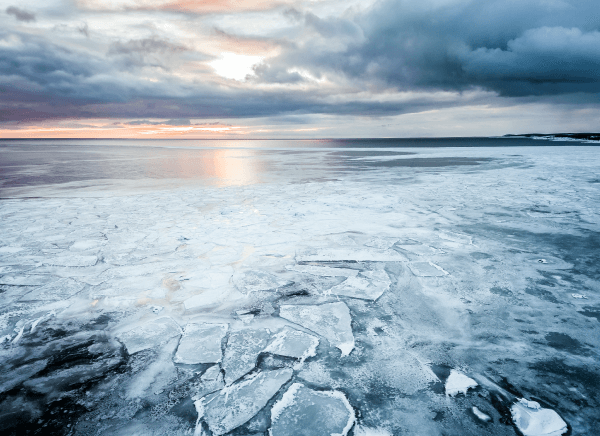
Decreasing albedo
Soil near the poles is warming, which melts the permafrost.
The melting permafrost makes the ground unstable, which has a number of harmful effects.
Landslides
Coastal erosion
Collapse and deterioration of infrastructure built on permafrost (buildings, roads, railways, pipelines, etc.)
Permafrost also contains large quantities of carbon dioxide |(\text{CO}_2)| and methane |(\text{CH}_4),| produced by the decomposition of animals and plants. When permafrost melts, large quantities of GHGs are released, which intensifies the greenhouse effect and further warms the atmosphere.
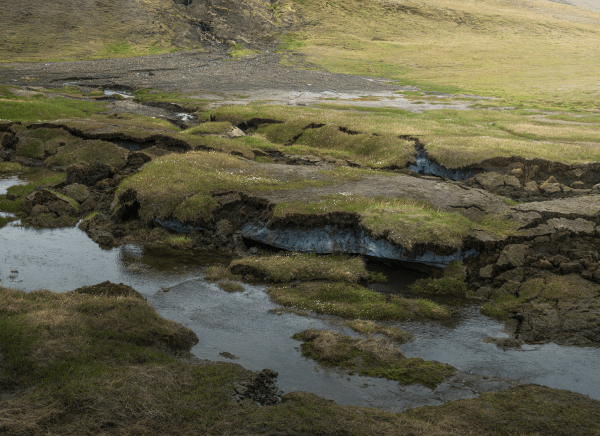
Melting permafrost
There are two key strategies that can help slow down the rise in the average temperature at the Earth's surface and reduce the effects of global warming:
Reducing all GHG emissions, especially carbon dioxide |(\text{CO}_2)|
Increasing the storage of carbon dioxide |(\text{CO}_2)|
The storage of carbon dioxide |(\text{CO}_2)| is a process of trapping and transforming |\text{CO}_2| in order to keep it out of the atmosphere. Oceans, flora and soil are examples of environments capable of |\text{CO}_2| storage.
A number of solutions can be explored by governments and companies in the sectors that contribute most to global warming. Making some changes to our habits can also facilitate this transition by reducing our individual impact on global warming.
|
Sector |
Possible solutions |
|---|---|
|
Energy production |
|
|
Industry and manufacturing |
|
|
Forestry and agriculture |
|
|
Transportation |
|
|
Residential and commercial building management |
|
On a day-to-day basis, certain actions can help to reduce our impact on global warming to some extent:
Opting for local food sources reduces GHG emissions related to transportation.
Reducing consumption of industrially-farmed red meat reduces demand and the associated GHG emissions.
Avoiding over-consumption, opting for sustainable products and repairing goods can reduce the emissions linked to their production and distribution.
Buying products that are manufactured and assembled locally reduces the GHG emissions associated with transportation between the various stages of manufacturing and distribution.
Using public transport and active forms of transport such as cycling and walking reduces GHG emissions.
Climate change and its consequences can evoke emotions such as anger, fear and powerlessness. This reaction to environmental issues is called eco-anxiety.
If climate change is a source of anxiety for you, you can consult Tel-jeunes for more information or talk to a professional counsellor.
Intergovernmental Panel on Climate Change (IPCC). (2023). Synthesis report of the IPCC sixth assessment report (AR6). (Longer Report). https://www.ipcc.ch/report/ar6/syr/downloads/report/IPCC_AR6_SYR_LongerReport.pdf
International Energy Agency (IEA). (2022). World Energy Outlook. https://iea.blob.core.windows.net/assets/830fe099-5530-48f2-a7c1-11f35d510983/WorldEnergyOutlook2022.pdf
Intergovernmental Panel on Climate Change (IPCC) (2021). Chapter 10: Transport https://www.ipcc.ch/report/ar6/wg3/downloads/report/IPCC_AR6_WGIII_Chapter10.pdf