Subjects
Grades
 100%
100%
 100%
100%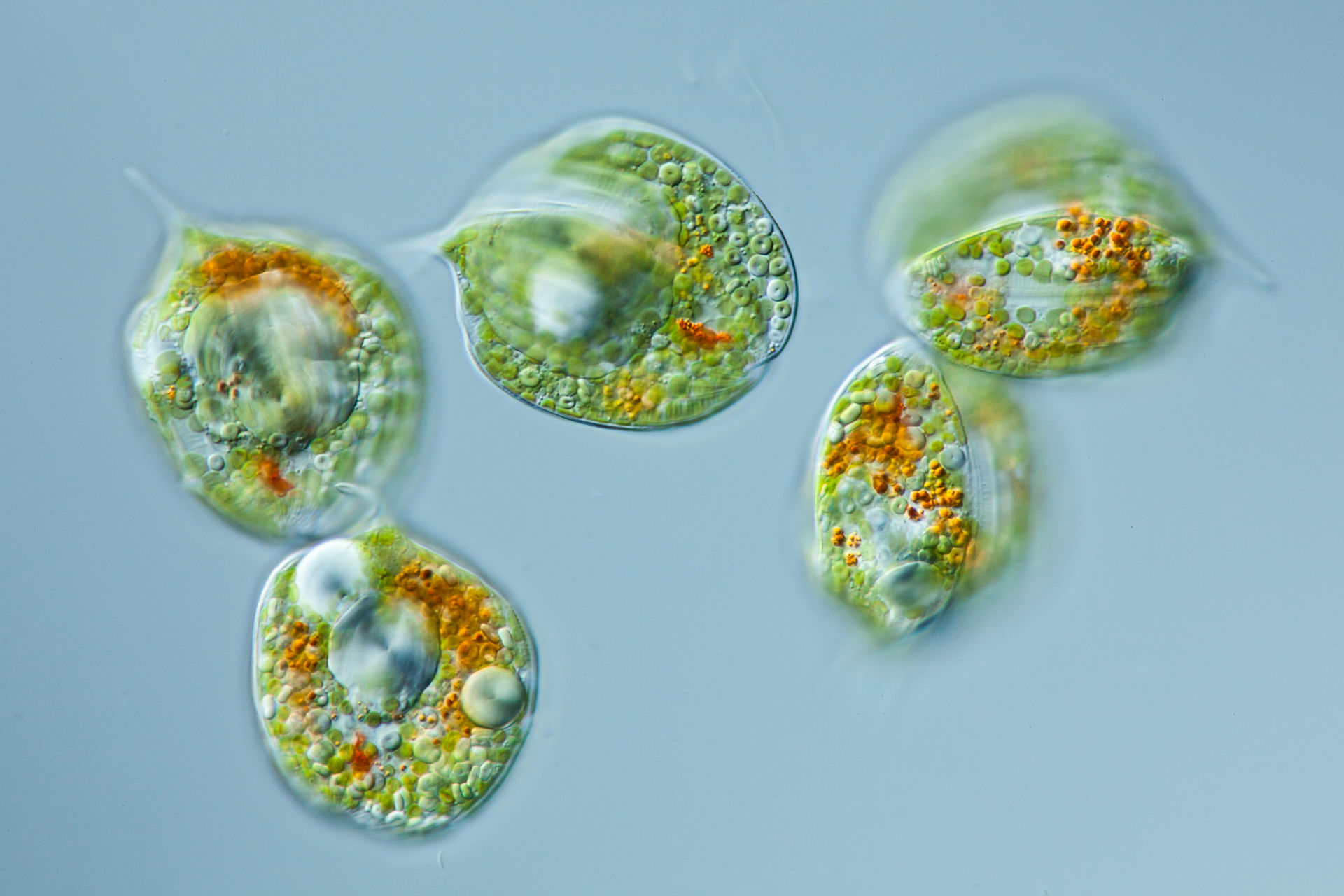 100%
100%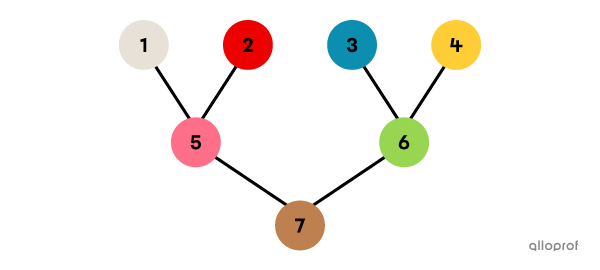 100%
100% 100%
100%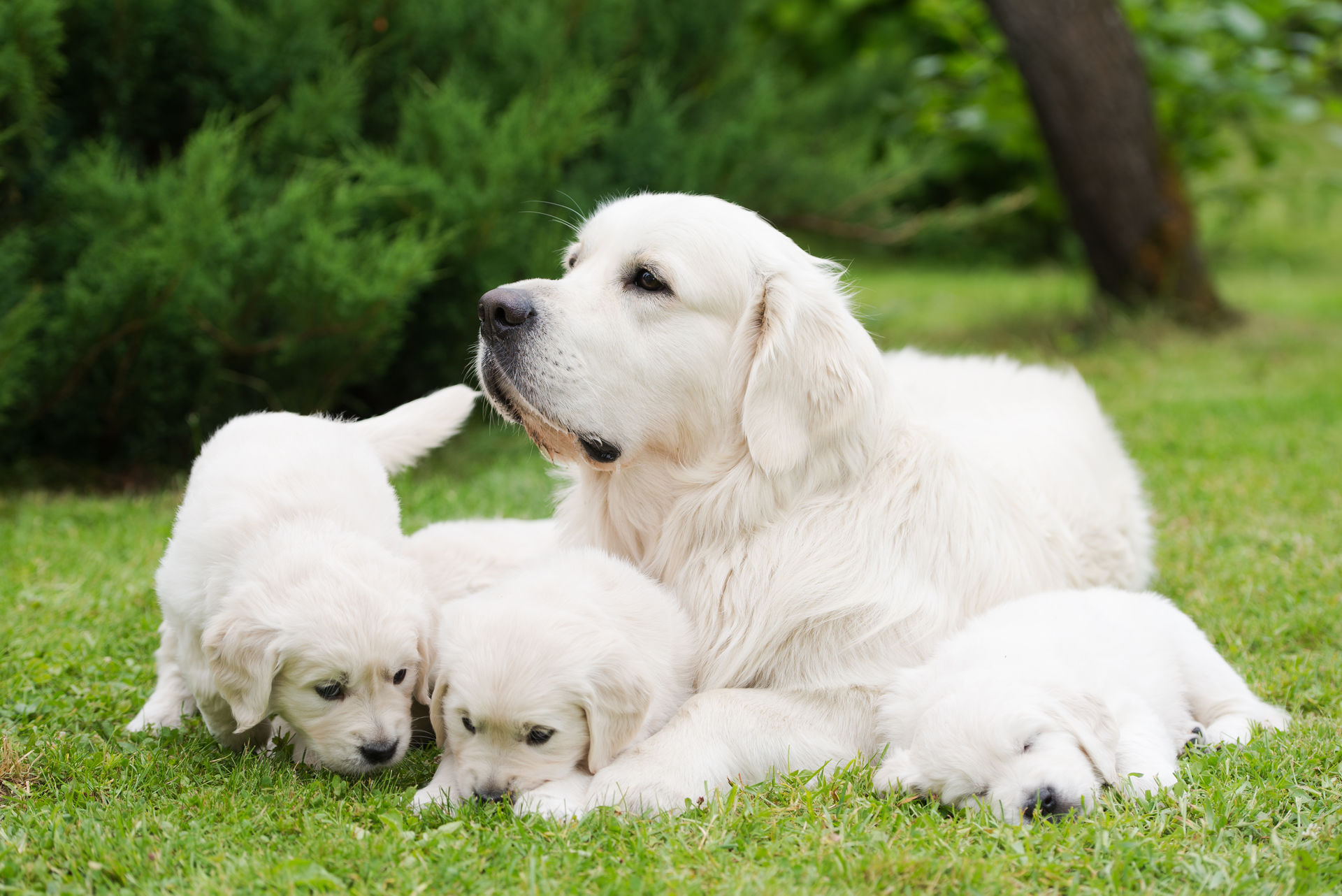 100%
100%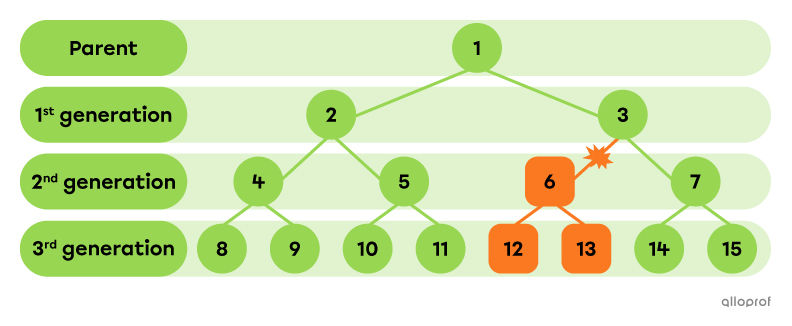
Genetic diversity is the variation of genes within the same species.
According to the theory of natural selection, the individuals who are best adapted to their environment are the ones that survive. During their lifetime, they will have a better chance of reproducing and passing on their genes to their offspring.
Within any species, genes can vary, resulting in genetically different individuals from one generation to the next.
High genetic diversity increases the capacity of a species to adapt and decreases the risk of extinction.
To represent the impact of genetic diversity on the survival of a species, it is possible to imagine the consequences of a serious disease on a population.
In a population where genetic diversity is very low, a disease may decimate most of the individuals. On the other hand, in a population where genetic diversity is high, some individuals may have better adapted traits that make them resistant to a disease. Therefore, these individuals are able to reproduce and ensure the survival of the population.
How a species reproduces may or may not promote genetic diversity. In fact, a species that reproduces sexually has greater genetic diversity than a species that reproduces asexually.
Dogs (Canis lupus familiaris) reproduce sexually. Therefore, a puppy has half of its mother's and half of its father's genetic makeup.
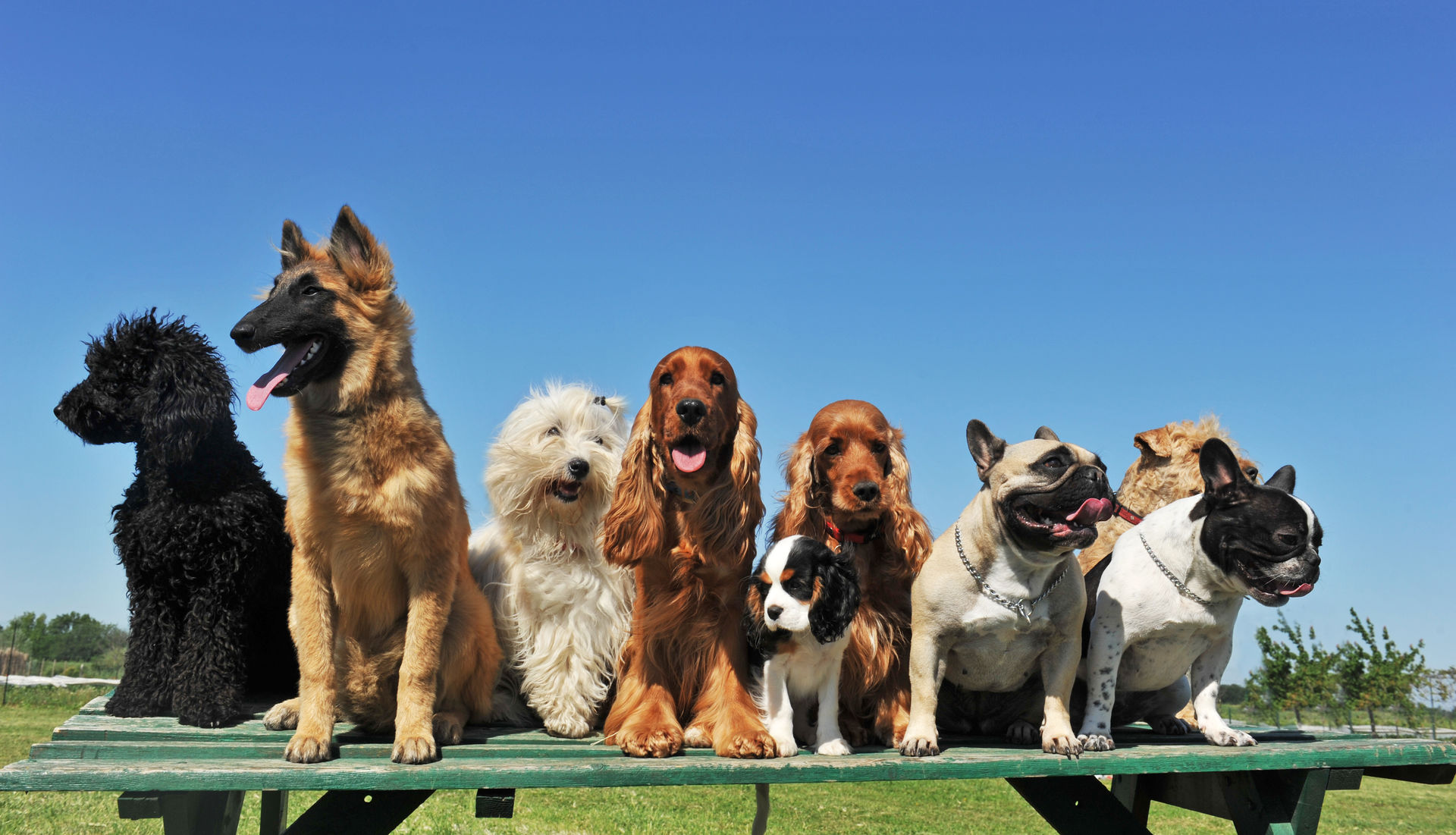
Dogs are genetically diverse in traits, such as size, coat colour and texture, and ear shape.
They also have characteristics common to the species, such as the number of legs, a tail, and the ability to bark. All of the characteristics are inherited from both parents.

A group of dogs
Phacus pleuronectes, a unicellular algae, reproduces asexually. Daughter cells are genetically identical to their parent cell.
The algae seem to have very little genetic diversity. For example, their shape and size look identical. The characteristics come from their parent cell of which they are clones.
Unicellular algae observed under a microscope
During fertilization, a new, genetically unique individual (a zygote at this stage) is formed through the union of a female gamete (ovum) and a male gamete (sperm). Spread over several generations, the mixing of genes is called gene shuffling, a process brought about by sexual reproduction, which promotes the genetic diversity of a species.
Individuals 1 to 7, represented by various colours, are all of the same species and are also genetically different from each other.
Individuals 1 and 2 are the parents of individual 5, and individuals 3 and 4 are the parents of individual 6. Finally, individuals 5 and 6 are the parents of individual 7.
The colours used in the example make it possible to represent the gene shuffling brought about by sexual reproduction. We see that each individual is unique because each is a different colour.
Genetic diversity and sexual reproduction
In addition to the gene shuffling generated by sexual reproduction, genetic mutations have an impact on the genetic diversity of a species. It is because mutations involve variations in the DNA of the offspring, which also promotes genetic diversity.
A genetic mutation is an accidental or induced change in a gene or part of a gene.
Genetic diversity cannot always be observed. To prove that diversity exists, it is necessary to study the DNA of individuals of the same species as well as their mode of reproduction.
In humans (Homo sapiens sapiens), it is easy to observe traits that are common to the species, such as having two hands and ten fingers. There are also different characteristics that are easily observed from one individual to another, such as eye colour or hair texture.
A family
In dogs (Canis lupus familiaris) with the same breed, it can be difficult to see physical differences between individuals. Puppies look identical to their mother. However, they are genetically unique, since they came from sexual reproduction.
A female dog and her puppies
Thousands of hereditary traits are not directly observable, such as the predisposition to certain diseases, vision disorders, the production of digestive enzymes, etc.
When individuals of the same species physically look alike, it does not necessarily mean that genetic diversity is low within the species.
The genetic diversity of a species is disadvantaged when it reproduces asexually. In this case, each individual of the same species is a copy of its parent. This type of reproduction ensures that each individual is genetically identical or nearly identical.
Sometimes DNA is modified by genetic mutations. The mutations can take place at the time of asexual reproduction (DNA replication error when the parent duplicates) or during the life of the individual. Since the mutations involve variations in the DNA of the offspring, they promote the genetic diversity of the species.
The following individuals 1 to 15 are all the same species.
Individual 1 is the parent of individuals 2 and 3. Individual 2 is the parent of individuals 4 and 5, and so on.
We observe a genetic mutation during the reproduction of individual 3. Individual 6 is actually different from the other individuals. When individual 6 reproduces, it transmits mutated genes to its descendants, which leads to genetic diversity within the population.
Gene mutation and asexual reproduction