Matières
Niveaux
 100%
100%
 100%
100%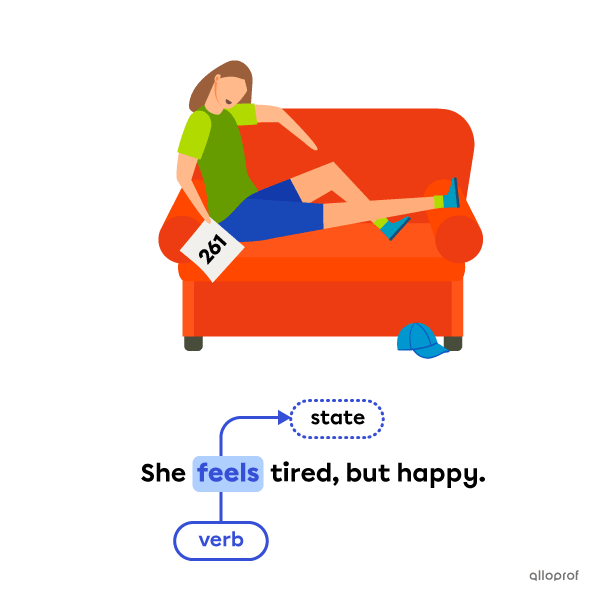 100%
100%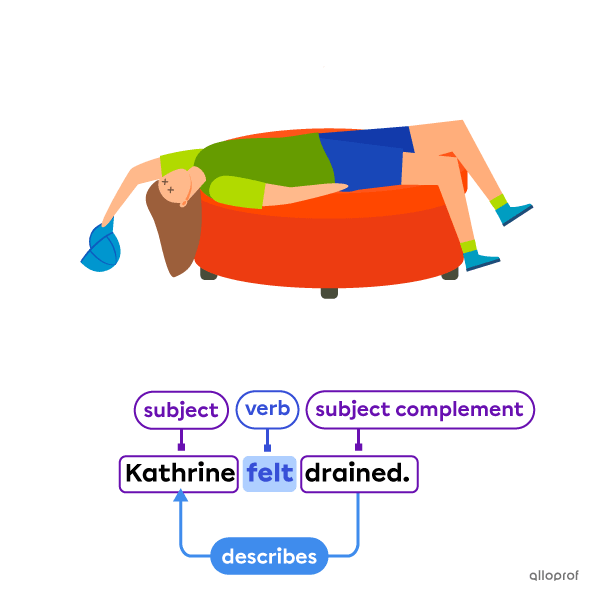 100%
100%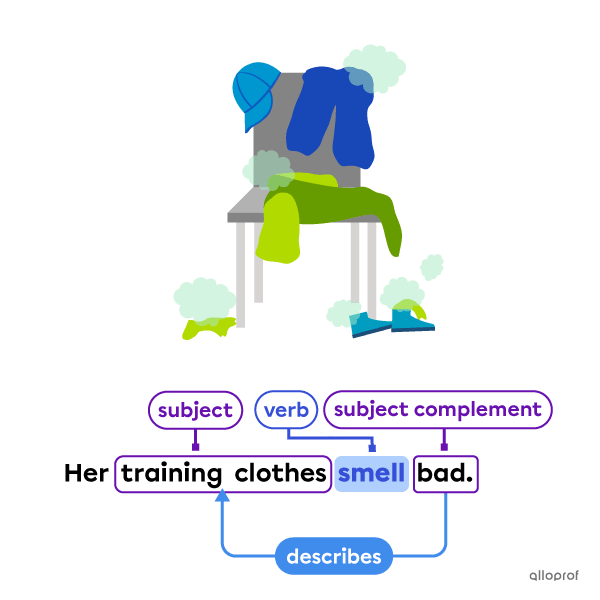 100%
100%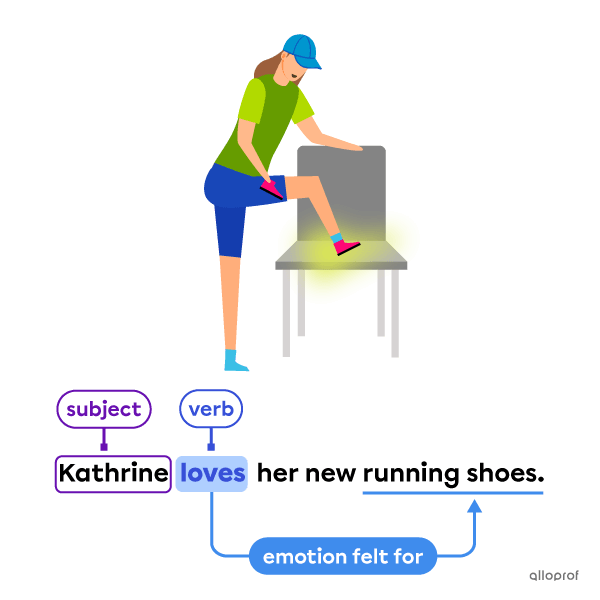 100%
100%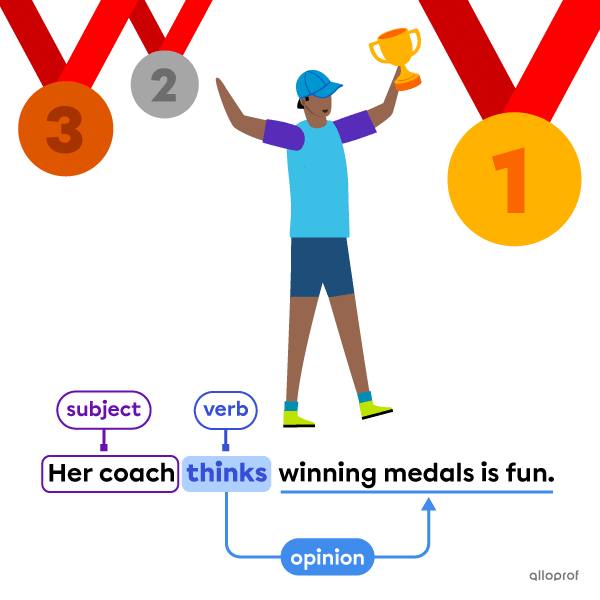 100%
100%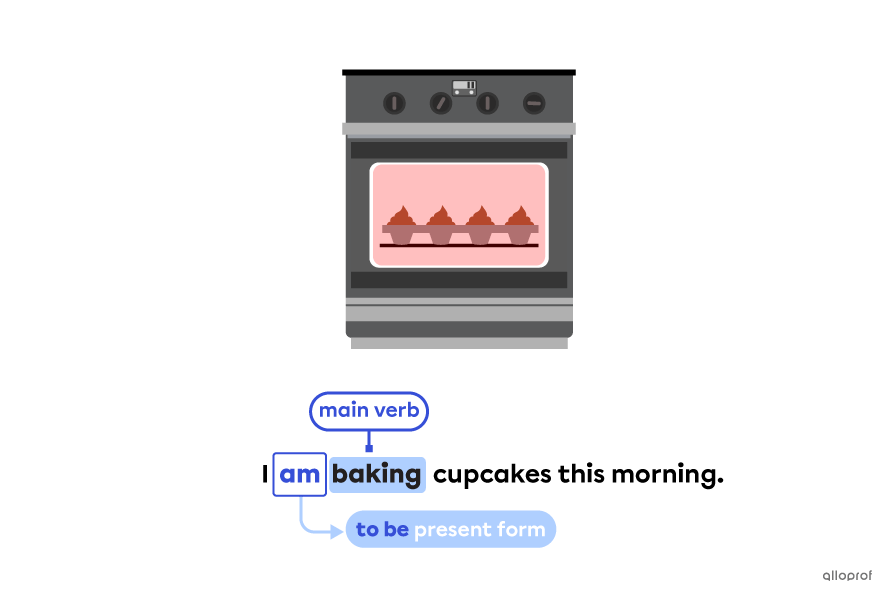 100%
100%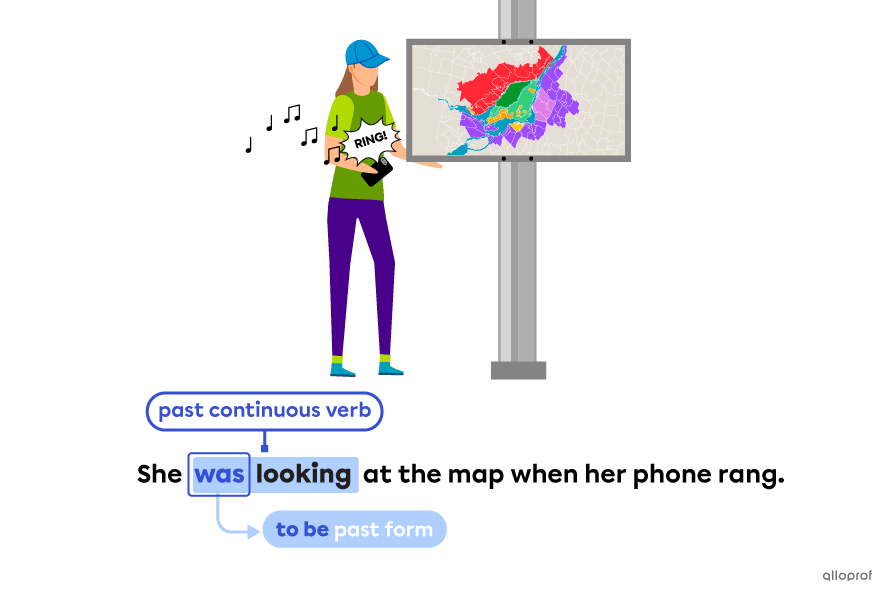 100%
100%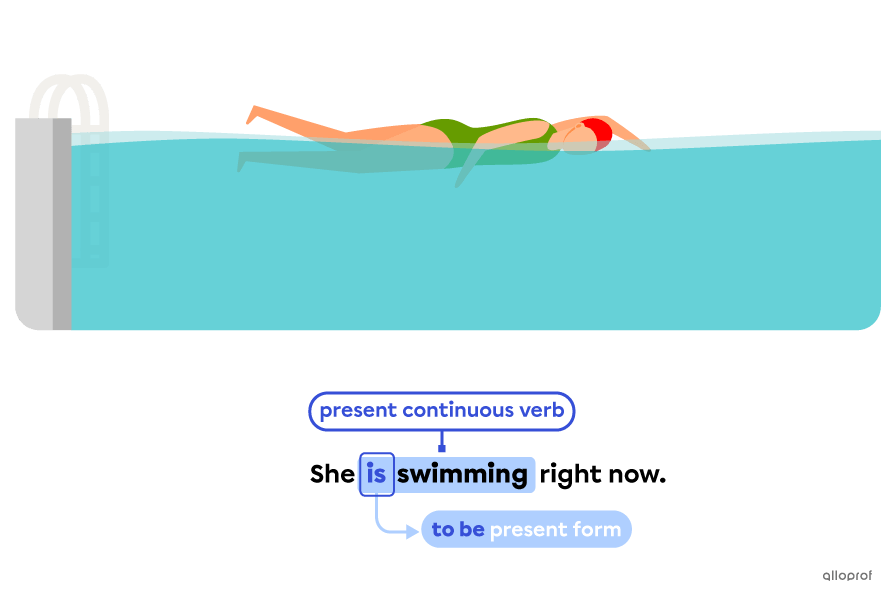 100%
100%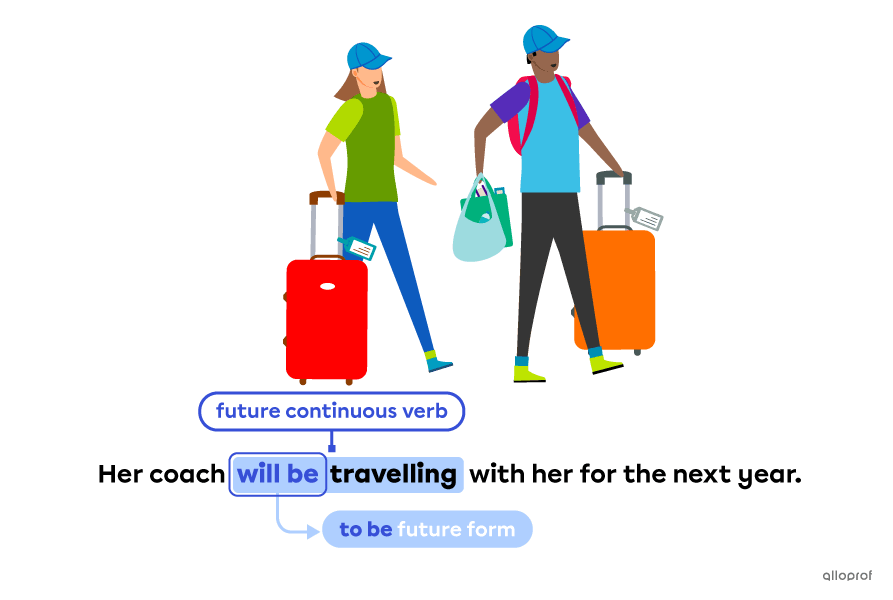 100%
100%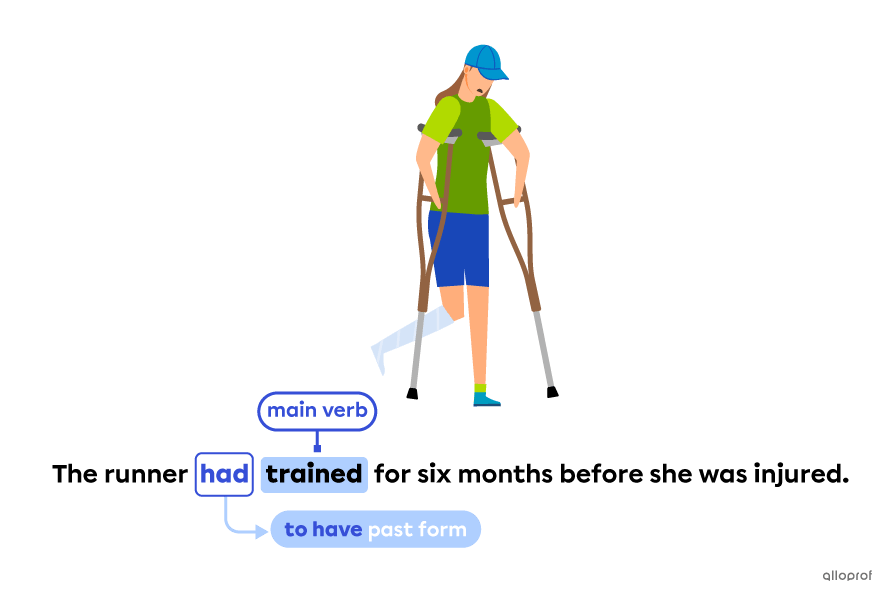 100%
100%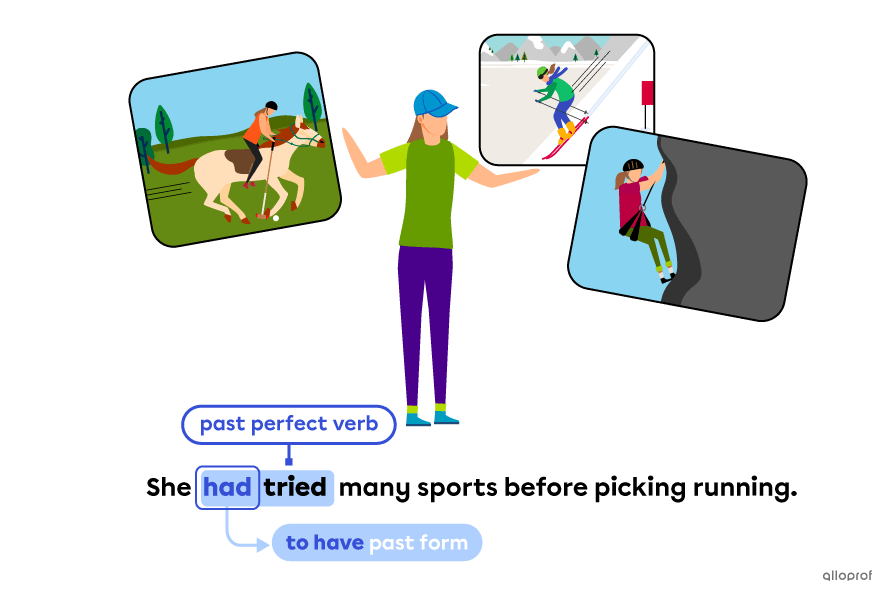 100%
100%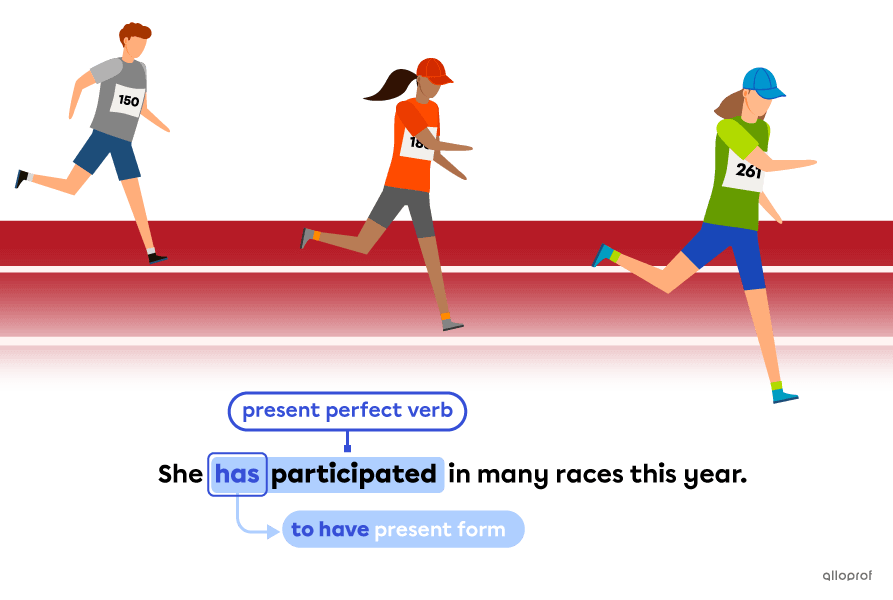 100%
100% 100%
100%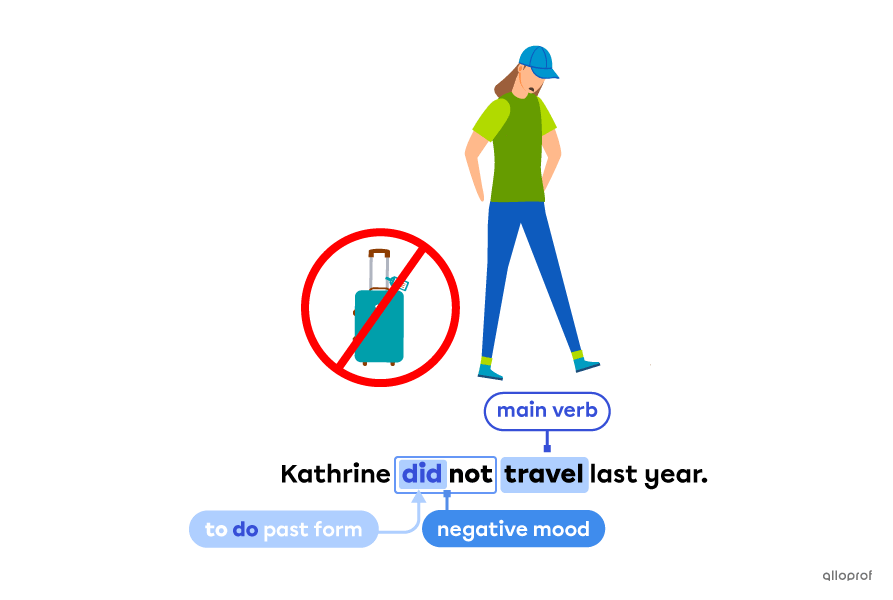 100%
100%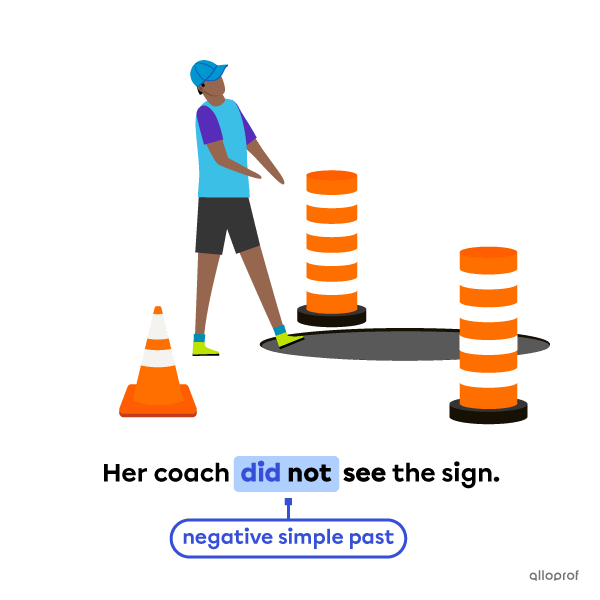 100%
100%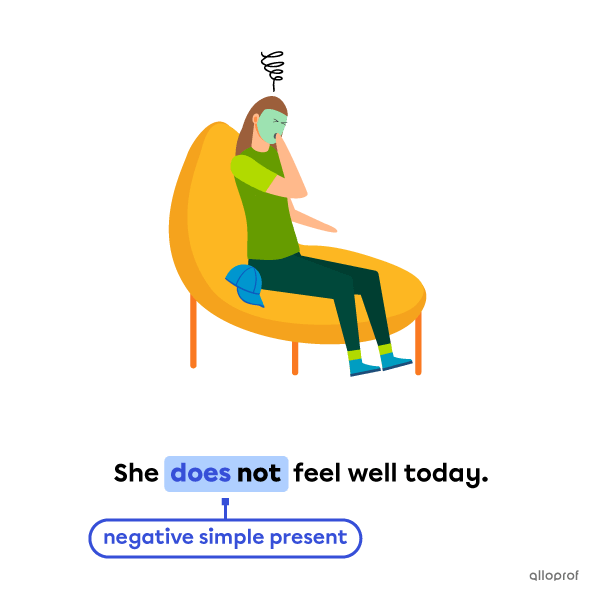 100%
100%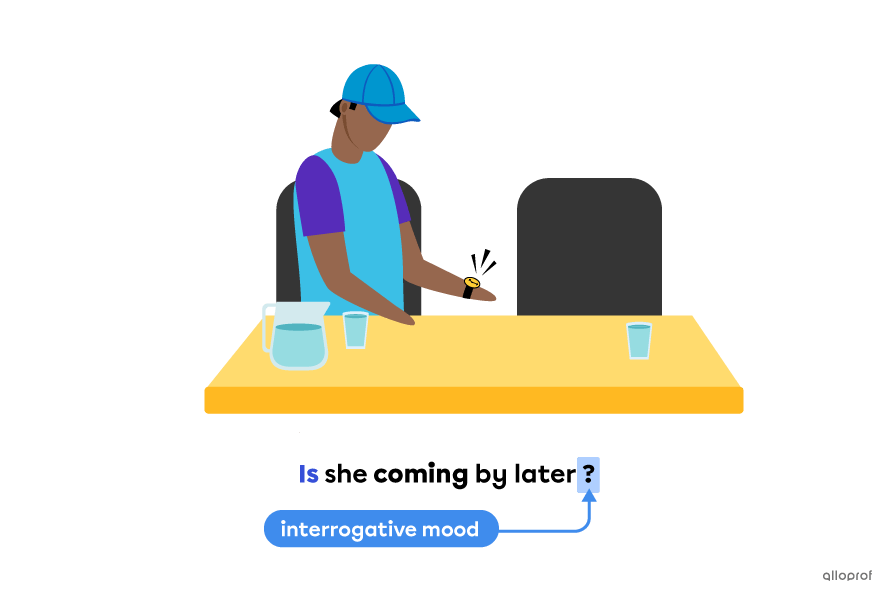 100%
100%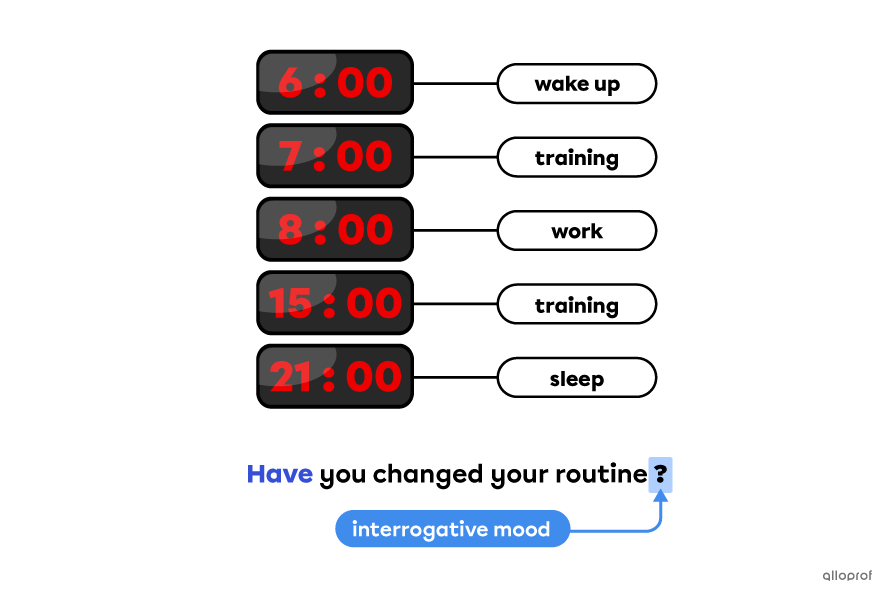 100%
100%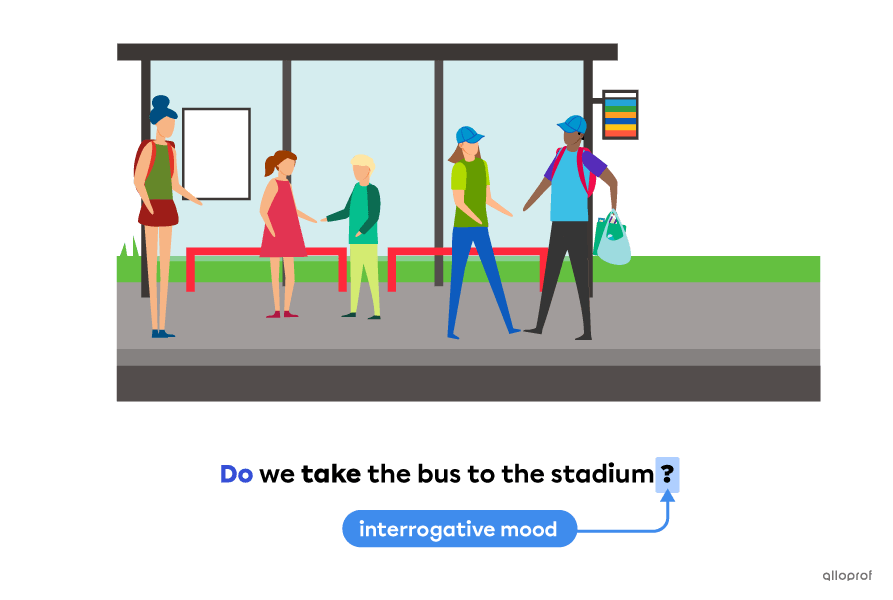 100%
100% 100%
100%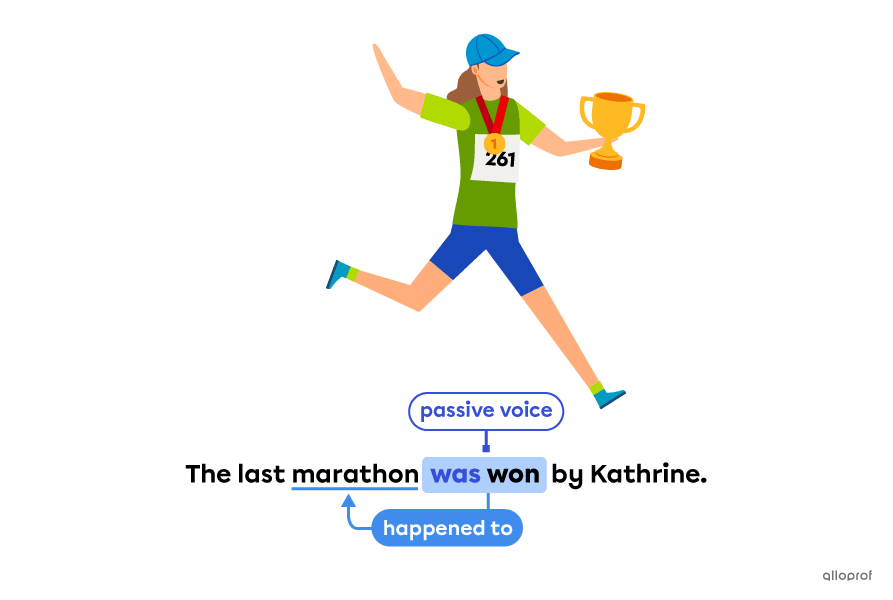 100%
100%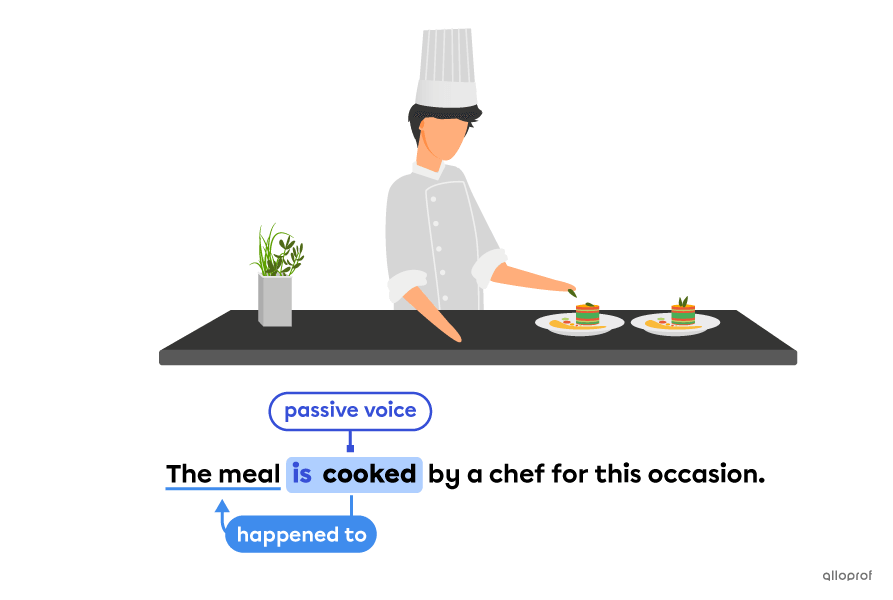 100%
100%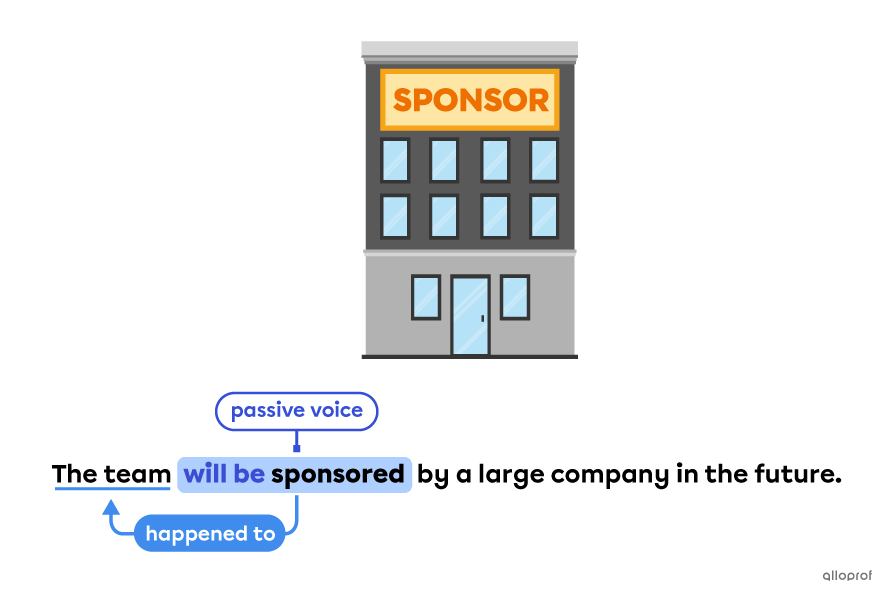 100%
100%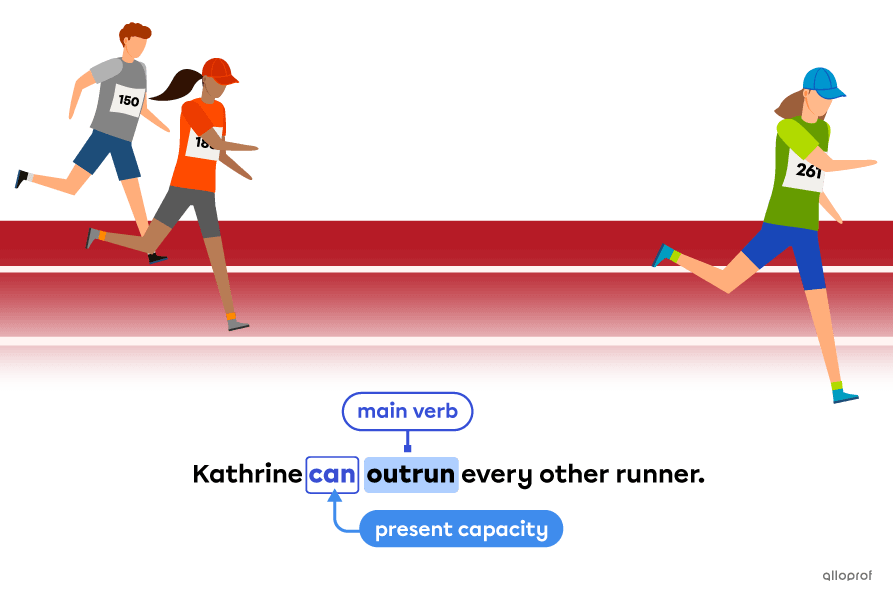
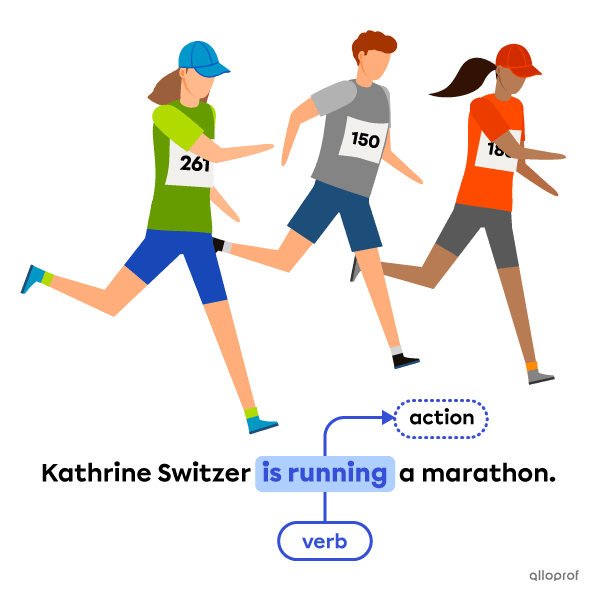
A verb is a word that expresses an action or a state of being.

The verb “to run” represents an action.
The verb “to feel” represents a state of being.
In a sentence, there is always at least one main verb, and sometimes an auxiliary verb.
The main verb is the most important verb of a sentence. Main verbs can be separated into three categories:
action verbs
linking verbs
stative verbs
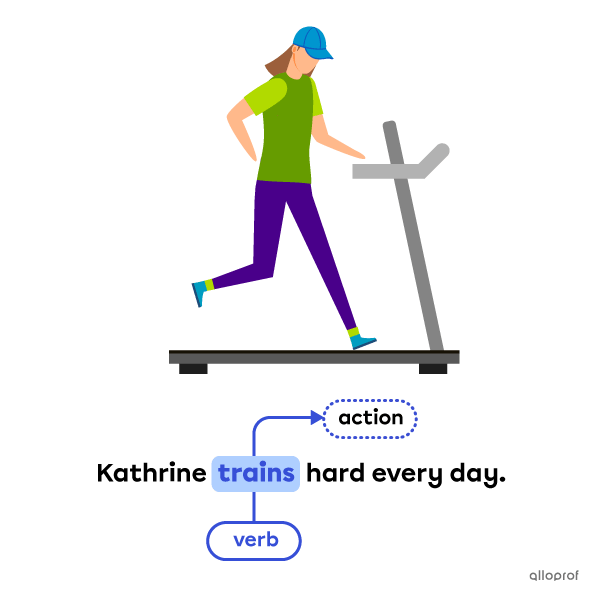
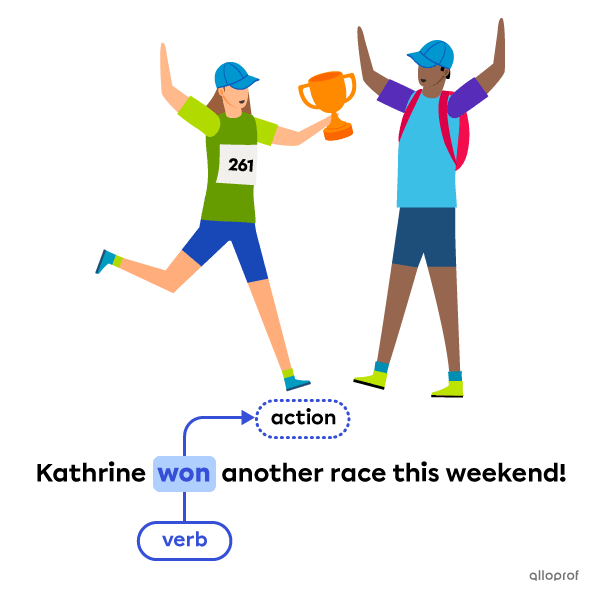
Action verbs, also known as dynamic verbs, indicate an action. The action can be physical or mental.
There are thousands of action verbs in the English language. Here are some examples:
Main verbs are not always action verbs. A linking verb links the subject to a subject complement that describes, renames or identifies the subject. Linking verbs are never action verbs.
Many verbs are used as linking verbs, for example:
| to be | to seem | to become | to feel | to remain |
| to stay | to sound | to taste | to appear | to smell |
Some main verbs do not always refer to a dynamic action. Stative verbs refer to states of being, emotions, opinions, preferences, or senses.
Stative verbs aren’t usually used in continuous tenses since they show the state of the subject.
|
Don't X |
Do ✔ |
| Kathrine is loving running. X Her opinion on running isn’t an ongoing action. |
Kathrine loves running. ✔ Her opinion on running is a fact. |
| She is understanding biomechanics. X Her understanding is not an ongoing action. |
She understands biomechanics. ✔ Her understanding is a fact. |
Verb tenses indicate when actions are taking place.
The auxiliary to be helps the main verb to form continuous/progressive tenses.
Past Continuous
Present Continuous
Future Continuous
The auxiliary to have helps the main verb to form perfect tenses.
Past Perfect
Present Perfect
Future Perfect
The auxiliary to do is only used with the simple present and the simple past to express:
the interrogative mood—questions
the negative mood—do not/don’t & did not/didn’t
The auxiliary to do helps the main verb to form simple negative tenses.
Negative Simple Past
Negative Simple Present
Verb moods indicate the attitude of the speaker.
To Be
To Have
To Do
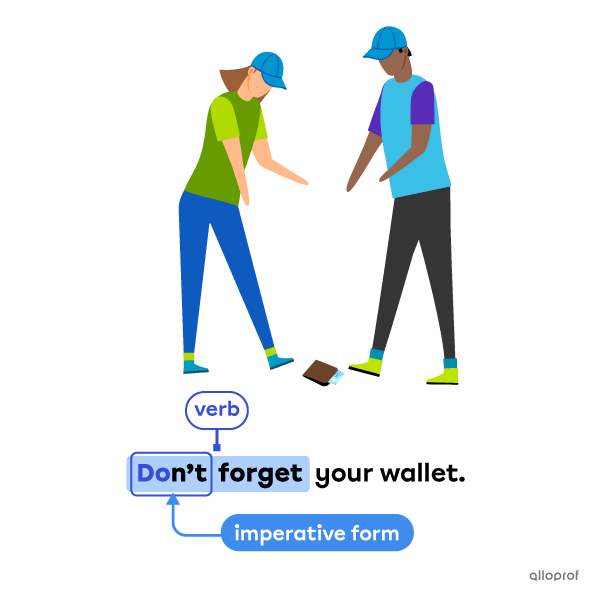
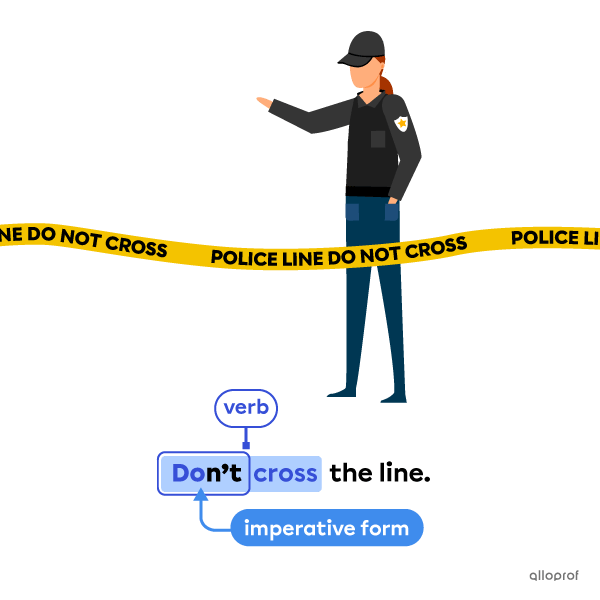
Auxiliary verbs are only used in the imperative mood to give negative orders.
In this case, we use don’t.
Verb voice indicates when actions are performed by the subject or happening to the subject.
The auxiliary to be helps the main verb to form the passive voice.
Passive voice means the subject receives the action of the verb instead of transferring it.
Past
Present
Future
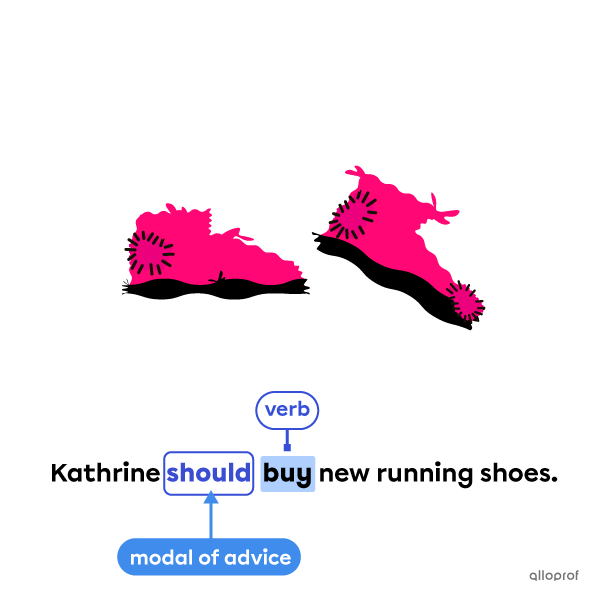
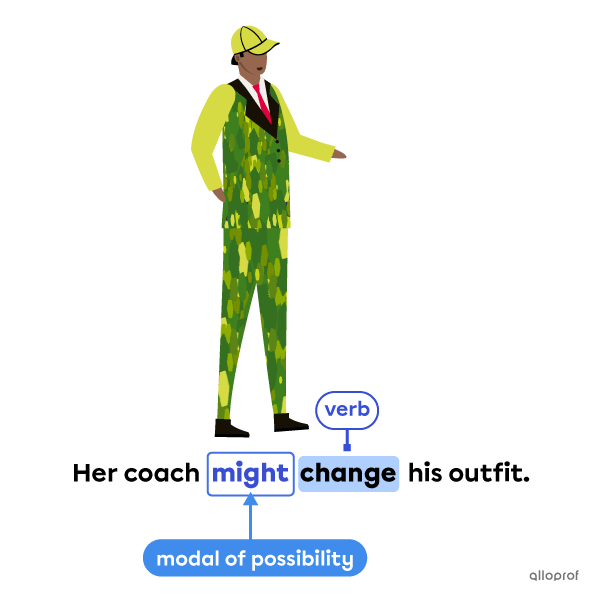
Modals are also a type of auxiliary verbs or helping verbs.
The modal verb “can” acts as a helping verb to understand Kathrine’s ability to “outrun” others.
There are many types of modals, here are some examples:
Advice
Possibility
The base form of a verb is its simplest form without a prefix or suffix.
It is sometimes referred to as the infinitive form without “to”.
It stands alone without any subjects or subject pronouns.
|
Base Form |
Infinitive Form |
| write | to write |
| bake | to bake |