Matières
Niveaux
 100%
100%
 100%
100% 100%
100% 100%
100% 100%
100% 100%
100%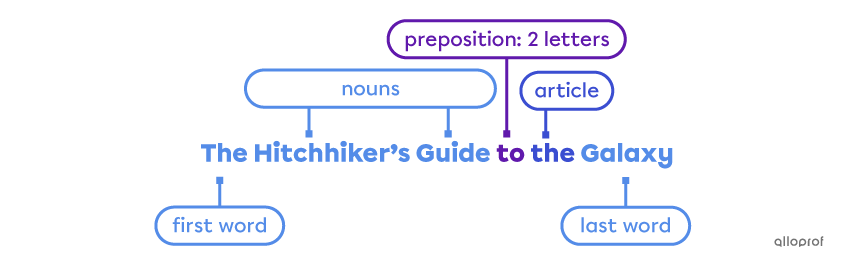 100%
100%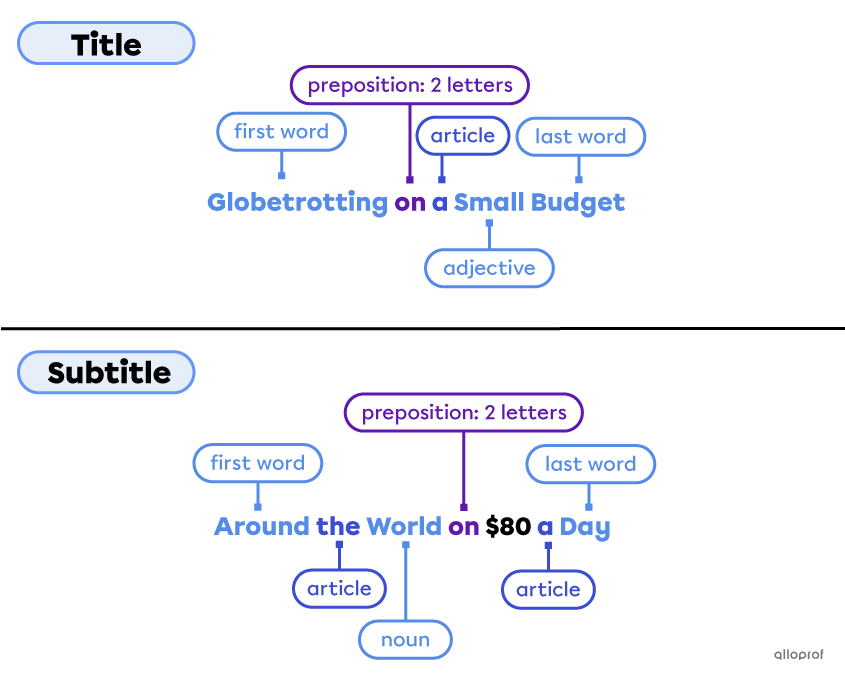 100%
100%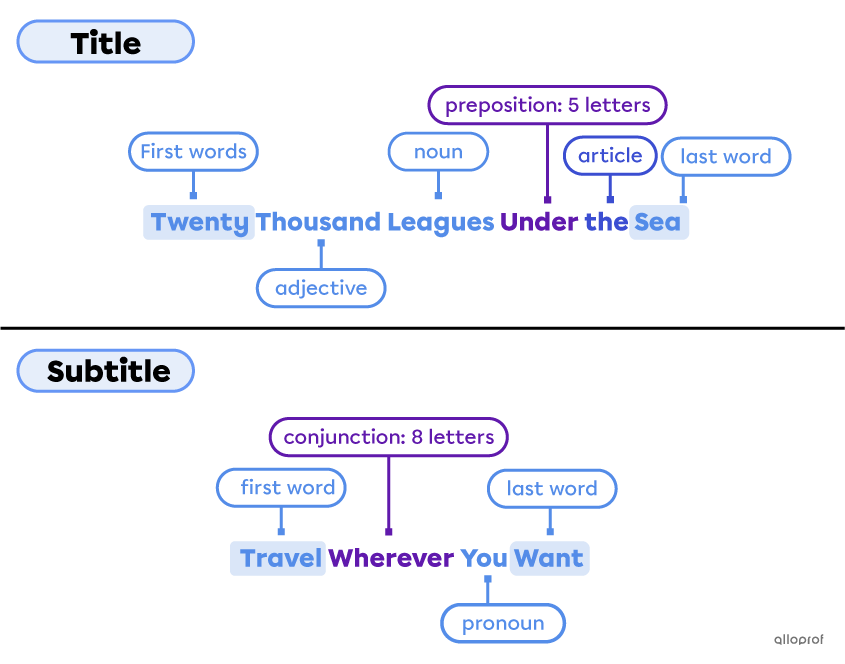
Capital letters are known as uppercase letters. They are larger than lowercase letters.
| Uppercase | C | A | P | S |
| Lowercase | c | a | p | s |
They are used in many different situations in the English language.
No exception, when you begin a sentence, you use a capital letter for the first word.
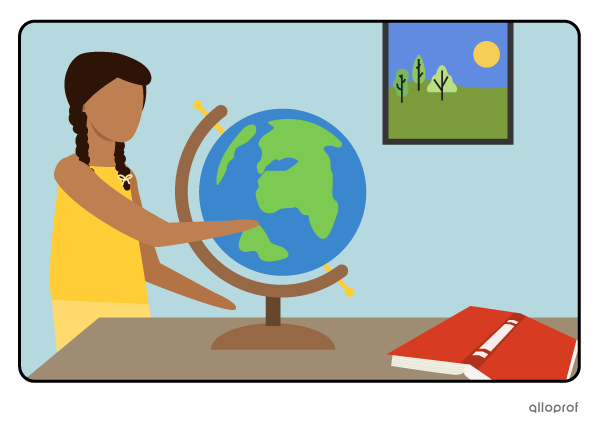
The young girl always wanted to travel the world.
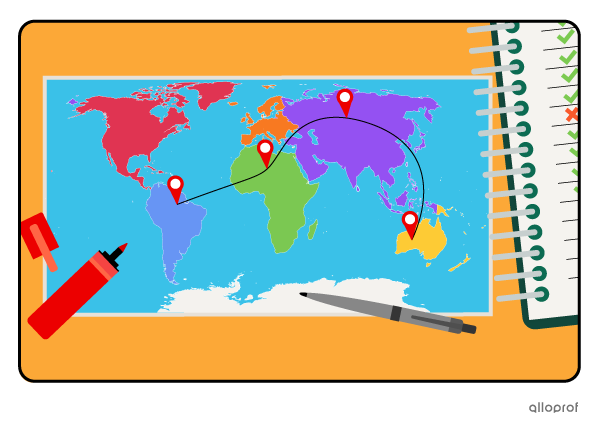
Planning such a trip takes time.
The subject pronoun “I” is always capitalized no matter where you put it in a sentence.

“With the help of my parents, I will visit every country in the world and I will be the youngest explorer ever to do it!”
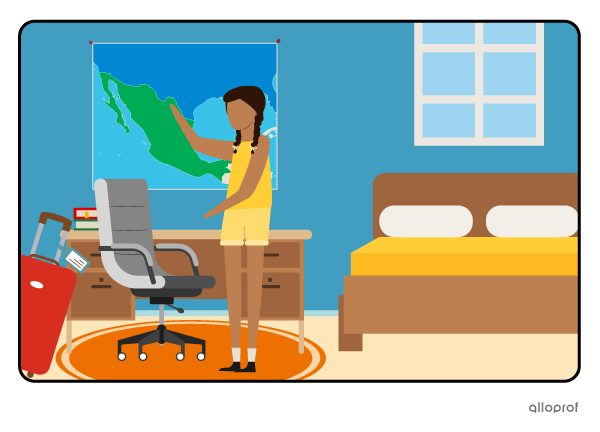
“First, I will go to Mexico where I will swim with whale sharks.”
When talking about specific people, places or things, you usually need to capitalize them.
Such as a person’s name, common nouns used for family members, or even nicknames.
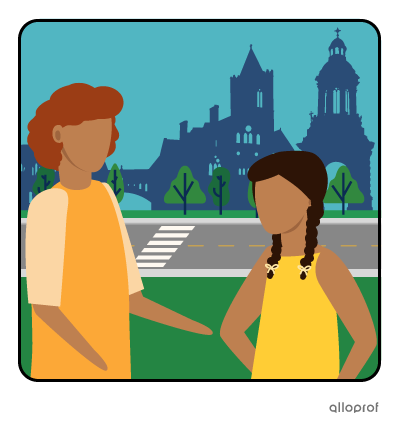
Lexie met with Carl in front of a famous college.
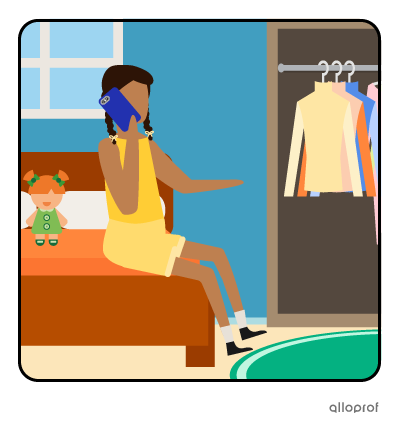
“I miss you Mom.”
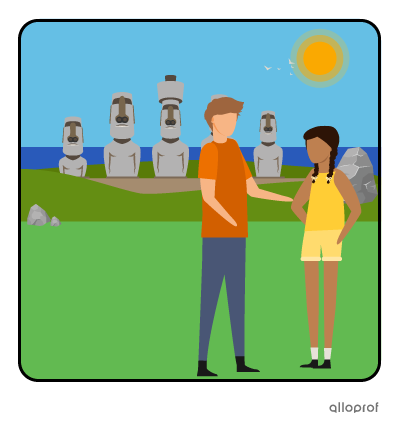
She met a new friend nicknamed Go-Go while looking at the impressive statues.
Such as bodies of water, countries or cities.
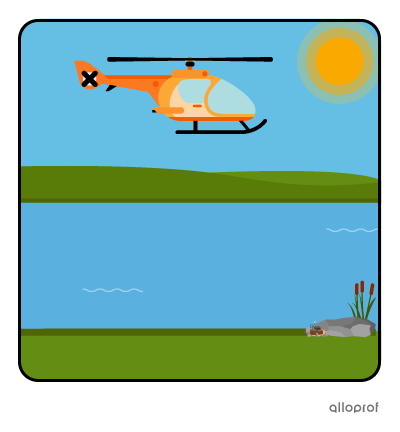
She took a helicopter tour over Lake Titicaca and then flew south to Lago Poopò.
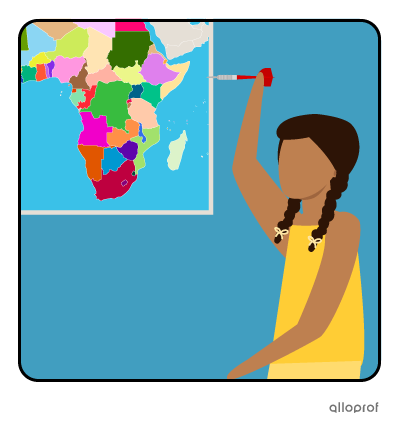
Lexie couldn’t decide where to go, so she threw a dart at a map of Africa.
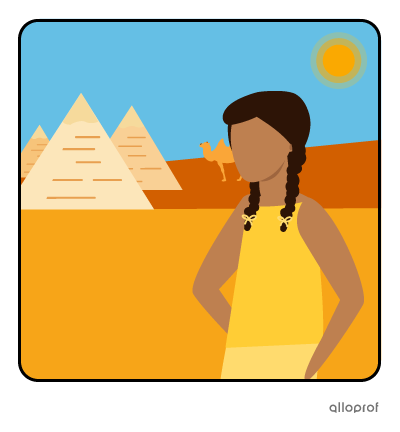
She landed in Egypt, and decided to visit Cairo and the pyramids.
Such as schools, languages or events.
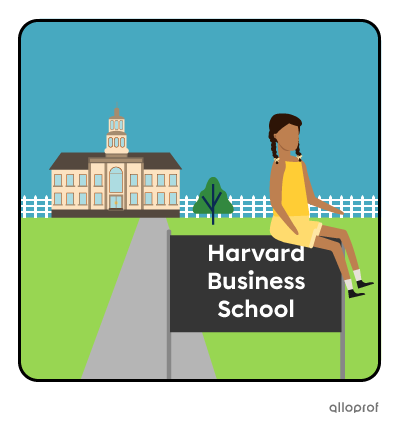
While in Boston, she visited Harvard University.
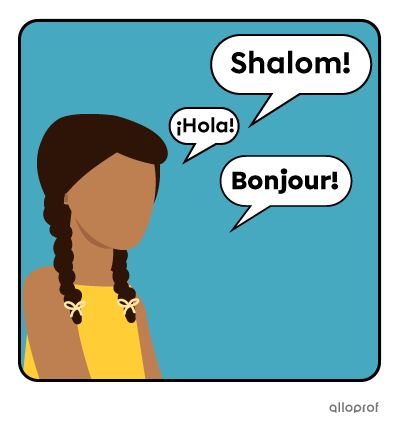
Lexie learnt a bit of French, Hebrew and Spanish.
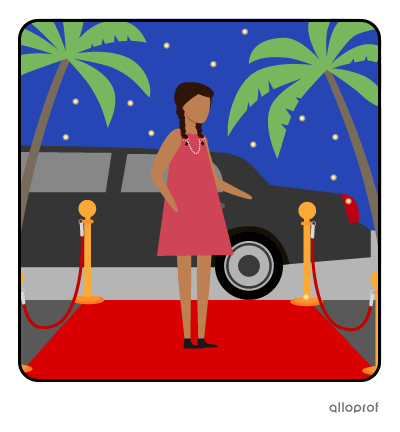
She even had the chance to attend the Cannes Film Festival.
When referring to a person with a title, the title must be capitalized if it is used before the name of the person. If a person’s name is not mentioned, his or her title still needs to be capitalized.
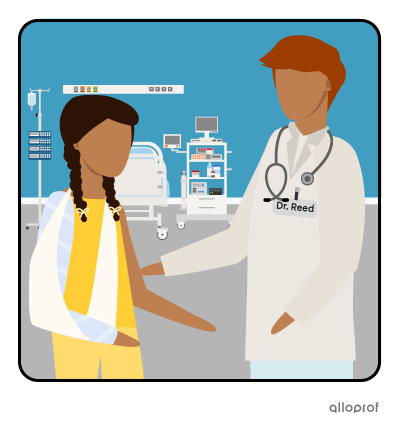
Lexie had a small accident but Dr. Reed fixed it nicely.
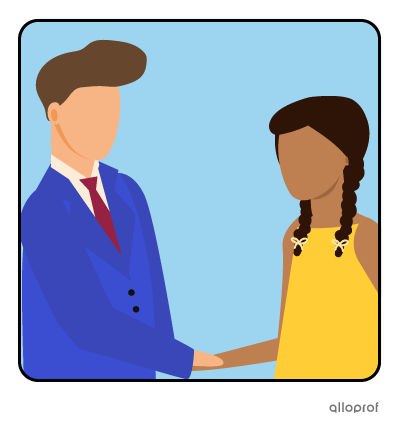
One day, she met the Chief Executive Officer of an eco-friendly company.
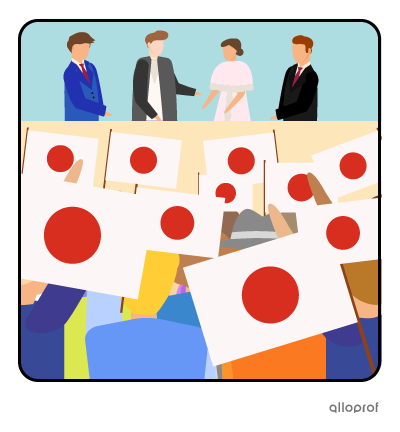
On December 23rd, she saw the Emperor of Japan during a celebration.
However, if the title is used after the name of the person, it won’t be capitalized.

She met Laetiticia, doctor in astrophysics, at a cafe in Milano.
She listened to Barack Obama, former president of the United States.
Always use a capital letter to begin the words referring to days of the week, months or holidays.
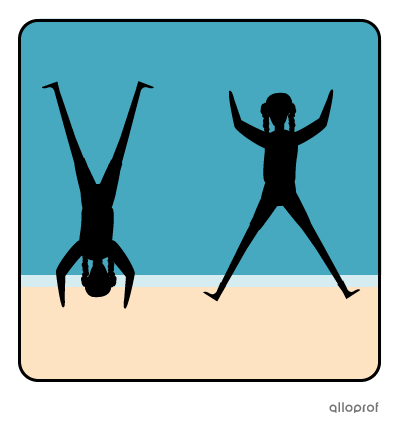
She tries to go to the gym every Monday and Friday.
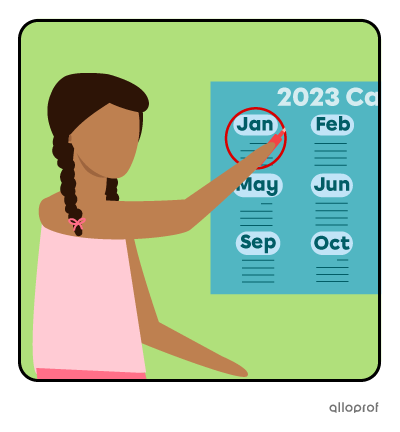
Lexie wants to go back home in January or February.
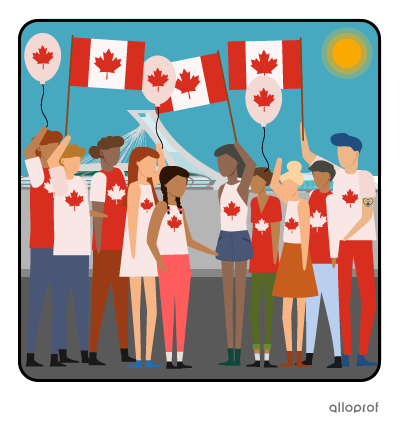
On July 1st, she was in Canada to celebrate Canada Day.
However, do not capitalize the seasons.
While in Canada, Lexie realized she didn’t like winter that much.
She enjoys summer days a lot more.
When proper nouns become proper adjectives to describe other nouns, capitalize the first letter of the adjective.
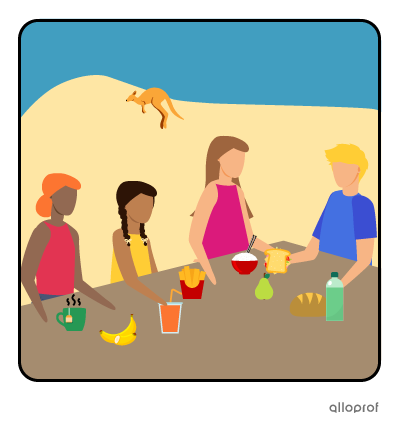
She had the chance to taste Australian cuisine.
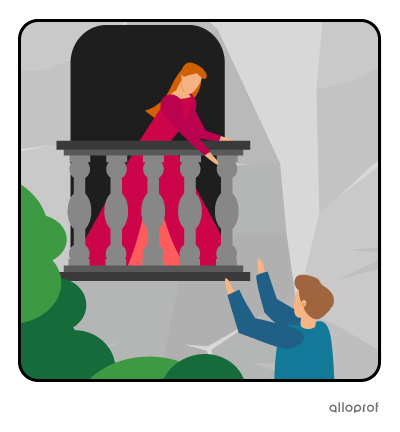
Lexie always enjoyed Shakespearean stories.
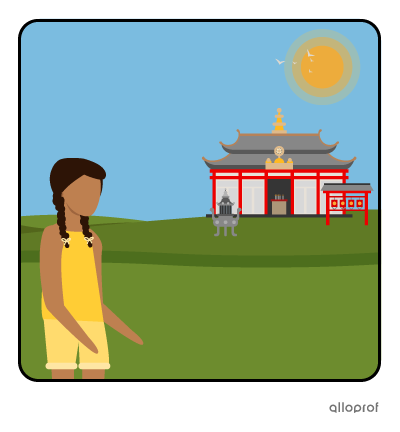
In Asia, you can visit many Buddhist temples.
When writing titles, several words are capitalized. The words are capitalized according to their function and position. Rules applying to titles also apply to subtitles.
| Always Capitalized | Words already capitalized: Proper nouns, names, countries, weekdays, months… |
| First and last word of the title | |
| Nouns | |
| Verbs | |
| Adjectives | |
| Adverbs | |
| The pronoun I | |
| Never Capitalized | Articles |
| Generally not Capitalized* | Prepositions: When 4 letters or fewer |
| Conjunctions: When 3 letters or fewer |
*Slightly varies in writing style guides.
Articles are never capitalized
Short preposition and articles are not capitalized
Short prepositions are not capitalized
Long conjunctions and long prepositions are capitalized
Lexie, the character used in the examples, was inspired by the adventure traveller and photographer Alexie Rose Alford.