Matières
Niveaux
 100%
100%
 100%
100%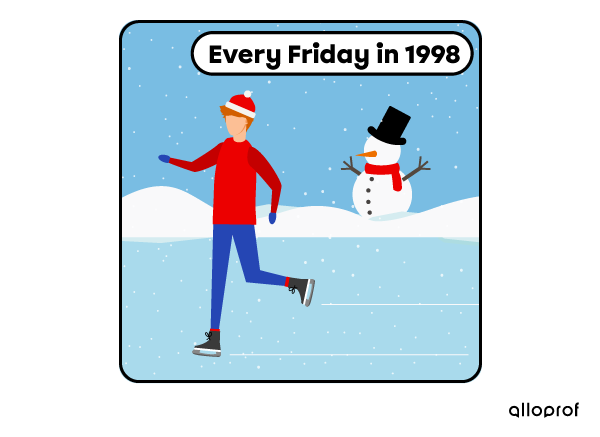 100%
100%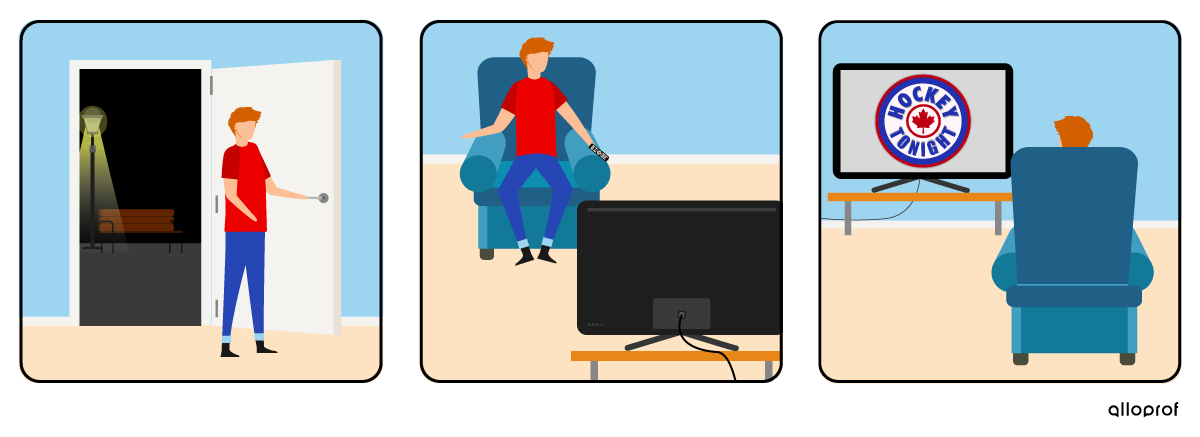 100%
100%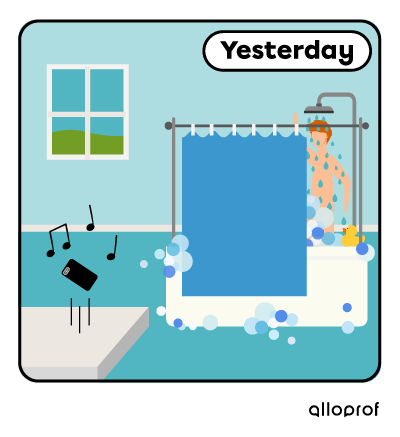 100%
100%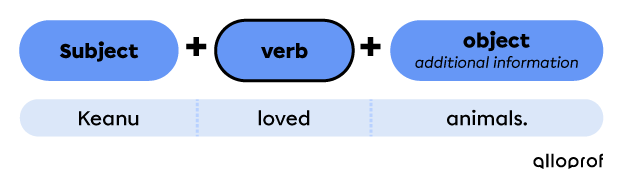 100%
100%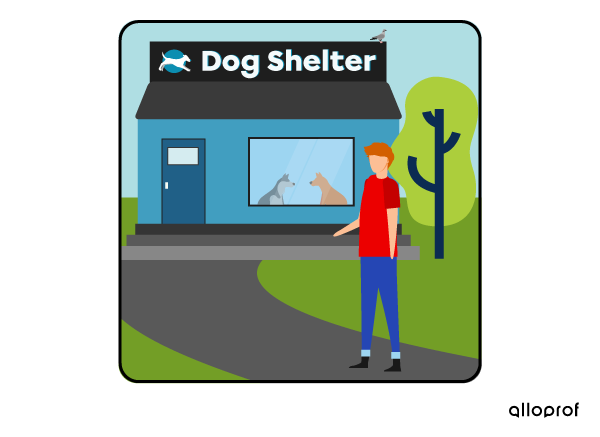 100%
100%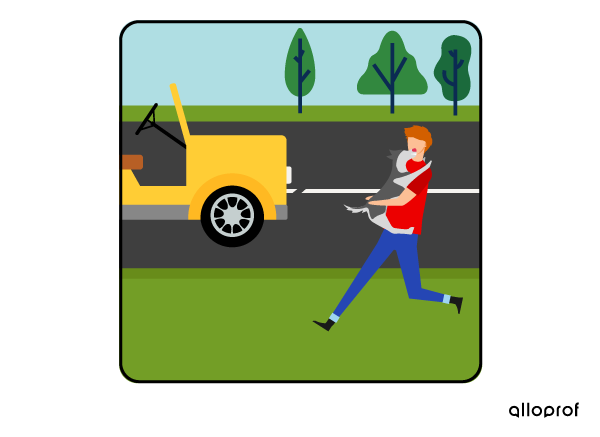 100%
100% 100%
100%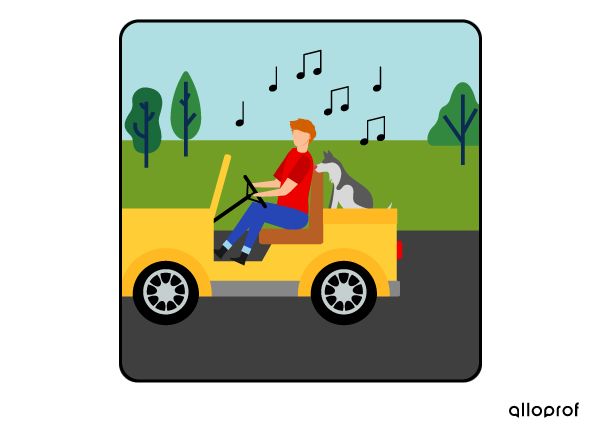 100%
100%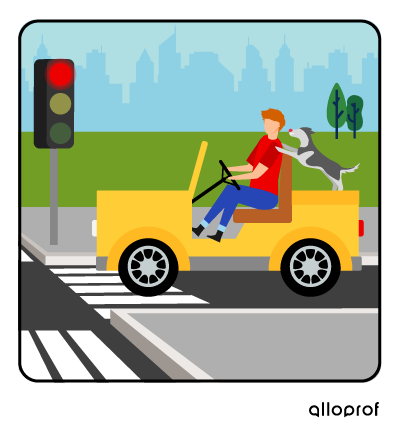 100%
100%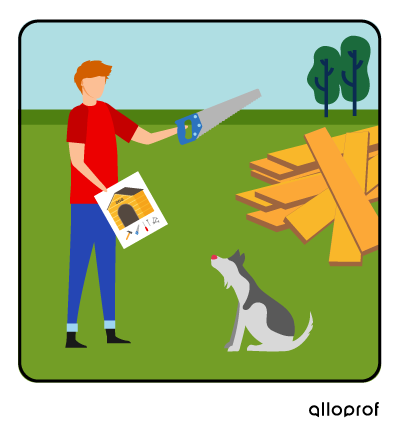 100%
100%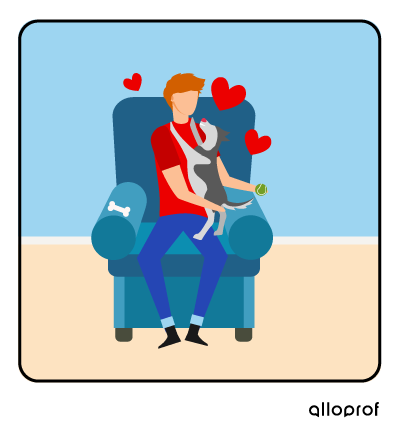 100%
100%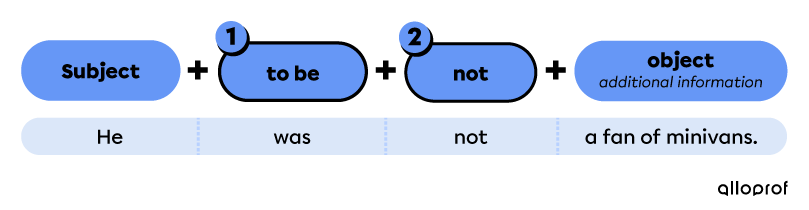 100%
100%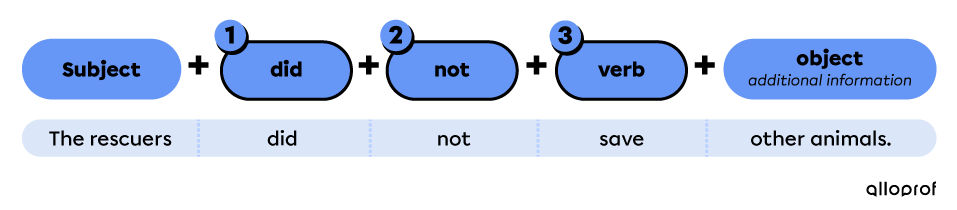 100%
100%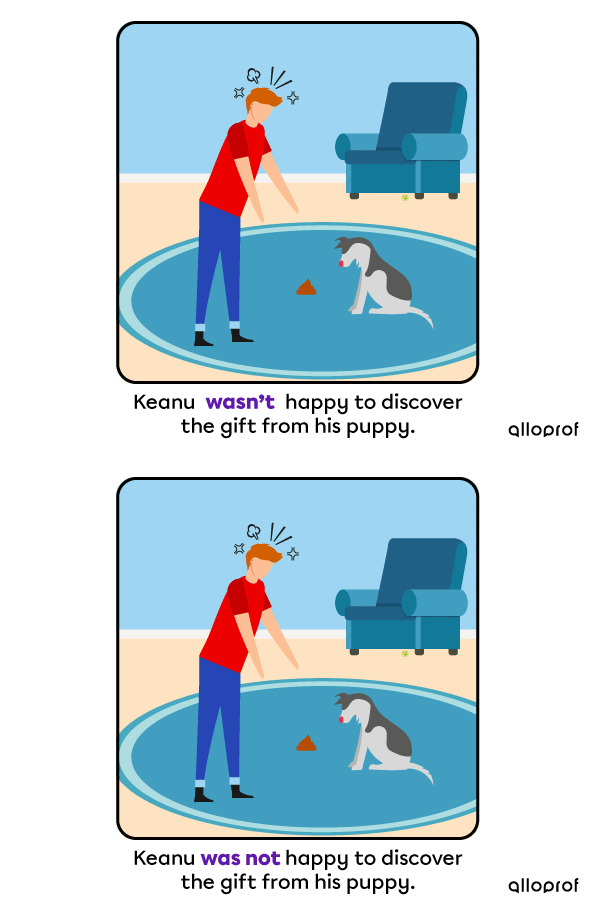 100%
100%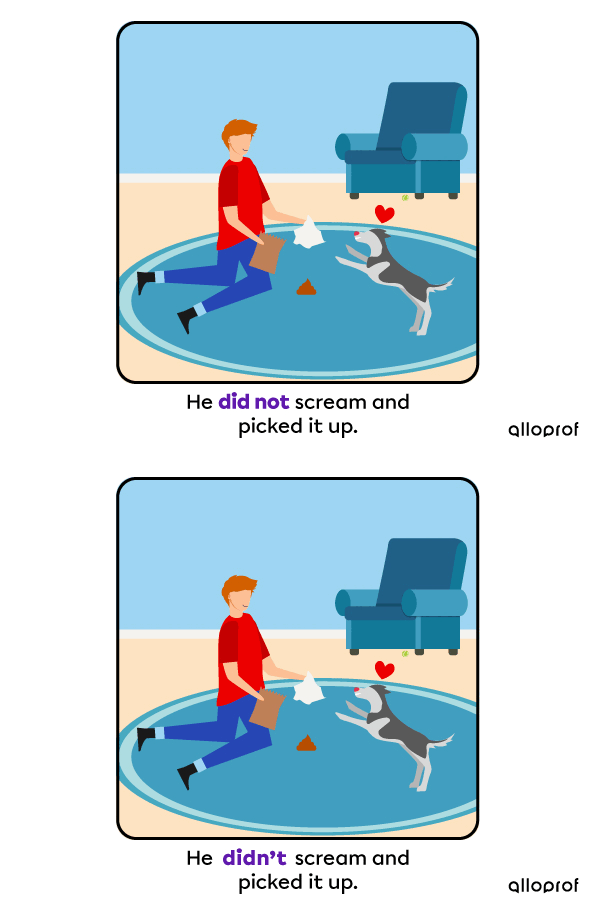 100%
100%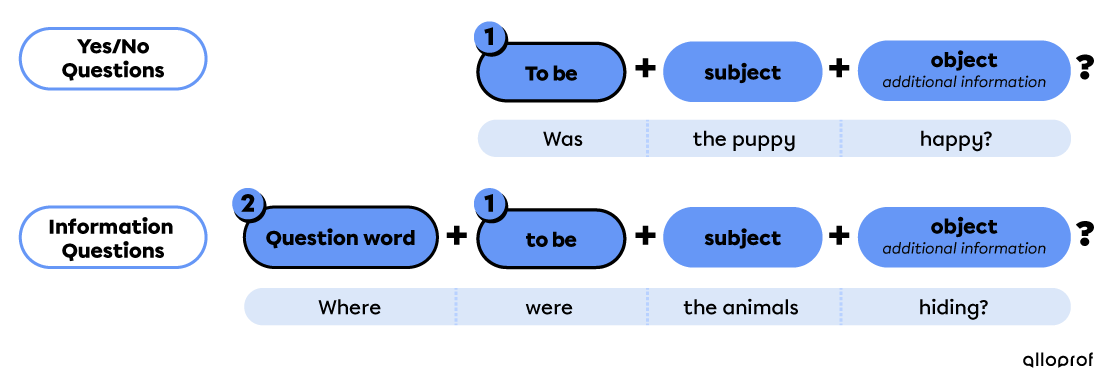 100%
100%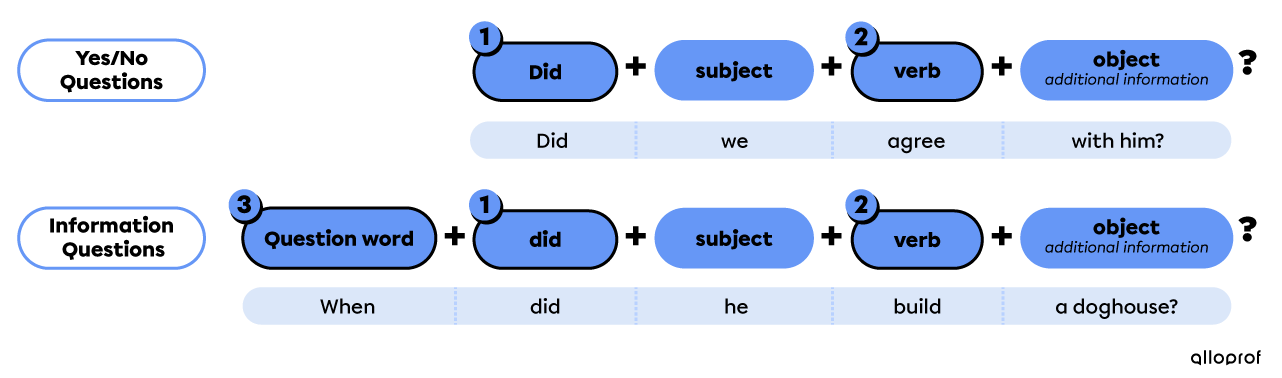

The simple past is used for any action or event that is completely finished and happened in the past:
Single completed action
Past repeated actions or habits
Past sequence of actions happening one after the other (in a sequence)
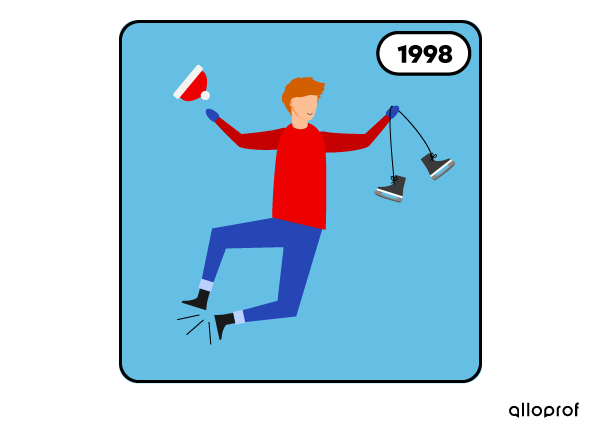
Single completed action

He bought new skates in 1998.
Past repeated actions or habits
He skated every Friday in 1998.
Past actions happening one after the other (in a sequence)
Last night, he arrived home, sat down on a couch and turned on the TV to watch Hockey Tonight.
In a complex sentence, you can use the simple past when:
one action interrupts another action that was in progress
The telephone rang when he was taking a shower yesterday.
These keywords indicate the past:
| A word | A combination of words | ||
| ago: | before: | last: | |
|
yesterday |
|
|
|
| To Be | Regular Verbs | Irregular Verbs | |
| I | was | talked to talk |
went to go |
| you | were | visited to visit |
ran to run |
| he/she/it | was | played to play |
paid to pay |
| we | were | listened to listen |
swam to swim |
| you | were | walked to walk |
left to leave |
| they | were | watched to watch |
flew to fly |
|
Regular Verbs |
|||
|
to watch |
You watched Netflix yesterday. |
to think |
He thought about his girlfriend all night. |
|
to skate |
We skated with friends last week. |
to swim |
You swam to the other side of the river. |
|
to listen |
He listened to music all night. |
to be |
I was hungry. |
|
to disturb |
They disturbed the animals at the zoo last month. |
to be |
They were at home last night. |
A regular verb is a verb that follows a typical pattern.
All regular verbs in the simple past end in -ed.
| Examples | |||
| Most verbs | |||
|
Base form |
+ |
ed |
wanted |
| Verbs ending in: | |||
| Examples | |||
|
-e |
+ |
d |
loved |
|
consonant -y |
to |
-ied |
studied |
|
vowel -y |
+ |
ed |
played |
|
consonant - vowel - consonant |
+ |
double the last consonant + ed |
planned |
*For more on doubling consonants, see the Doubling the Final Consonant section.
Add -ed
Keanu visited a dog shelter and adopted a puppy.
Verbs ending in consonant + -y
Keanu carried the puppy and hurried back to his car.
Add -d after -e
He loved and cared for this little puppy so much.
Verbs ending in vowel + -y
He played loud music in his car and they enjoyed it.
Verbs ending in C-V-C
Keanu stopped at a red light.
He planned to build his new puppy a doghouse.
He hugged his new puppy all evening long.
Irregular verbs are common in the English language.
These verbs are called irregular because:
Their base form may change when used the past
They do not end in -ed.
There are more than 150 frequently used ones and even more that are used rarely.
Memorizing them is the best way to remember the past forms.
You can find a list of common irregular verbs here:
For a printable version of the list, click here.
Place the auxiliary verb did after the subject.
Place the function word not after the auxiliary verb.
Use the base form of the verb.
Keep in mind, the negative is often used with contractions.
answered by yes or no
answered with information
never answered by yes or no
use question words
Points to remember when forming questions in the simple past:
Place to be before the subject for yes/no questions.
For information questions only:
Place a question word at the beginning.
Place the auxiliary verb did before the subject for yes/no questions.
Use the base form of the verb.
For information questions only:
Place a question word at the beginning.
Yes/no questions with to be
| to be | subject | object* |
| Was | Keanu | happy? |
| Were | they | a good team? |
Information questions with to be
| Question word | to be | subject | object? |
| Where | was | the doghouse? | |
| Why | were | they | happy together? |
Yes/no questions with other verbs
| Did | subject | verb | object* |
| Did | Keanu | build | a doghouse? |
| Did | the puppy | have | an accident in the house? |
Information questions with other verbs
| Question word | did | subject | verb | object* |
| What | did | Keanu | pick up | on the ground? |
| Where | did | he | adopt | the puppy? |
*The object is only used when necessary.
The pronunciation of verbs ending in -ed in English isn’t always the same.
There are 3 different sounds:
the /id/ sound
the /d/ sound
the /t/ sound
The ending of the base form of the verb will help you pronounce the -ed sound correctly.
Pronunciation of -ed |
||
|
/id/ Sound |
/d/ Sound |
/t/ Sound |
| needed | damaged | danced |
| wanted | called | watched |
| cleaned | laughed | |
| offered | looked | |
| used | helped | |
| followed | washed | |
| enjoyed | kissed | |
| amazed | fixed | |
| breathed | ||
There is a difference between the 2 categories of sounds, the vibration.
By pronouncing certain sounds out loud, your vocal chords will vibrate, they are called voiced sounds.
And by pronouncing other sounds out loud, your vocal chords don’t vibrate, they are called voiceless sounds.
Try it!
Touch your throat or cover your ears while pronouncing /z/, /v/ or /i/. You will feel the vibration. They are voiced sounds.
Now pronounce the sounds /s/, /ch/ or /f/. It doesn’t vibrate and sounds like the wind blowing. They are voiceless sounds.