Matières
Niveaux
 100%
100%
 100%
100% 100%
100% 100%
100%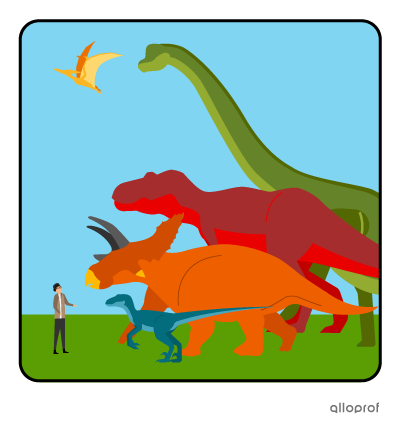 100%
100%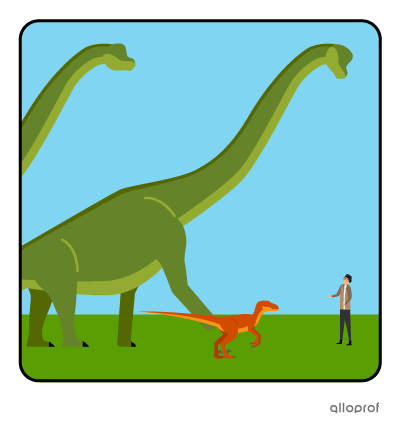 100%
100%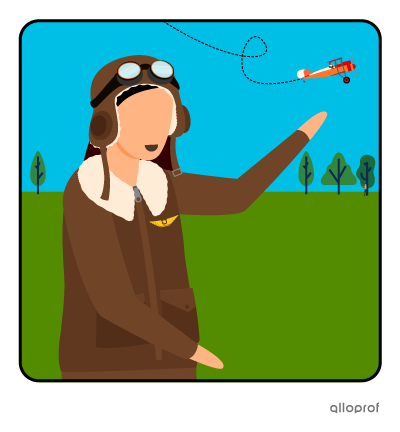 100%
100%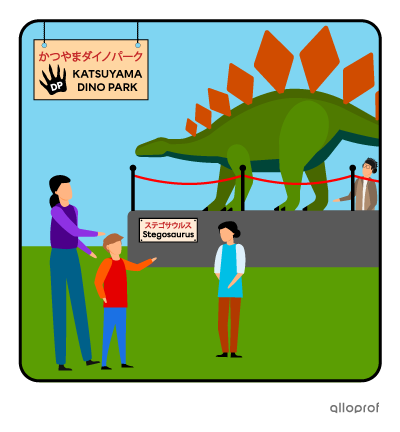 100%
100%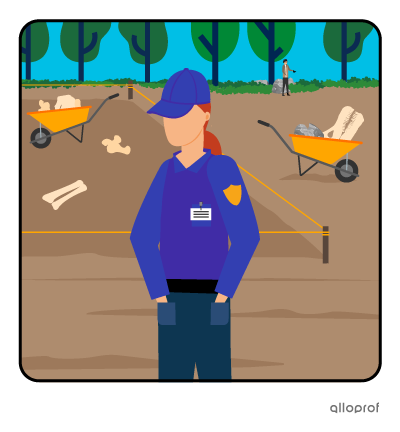 100%
100%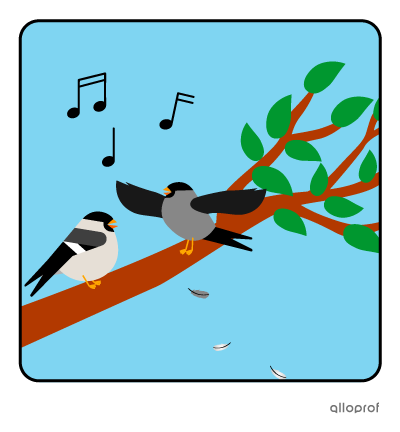 100%
100% 100%
100%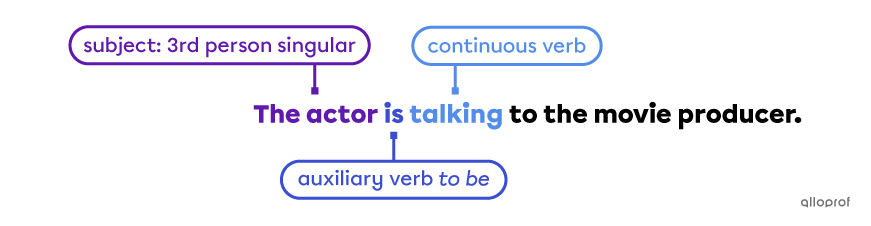 100%
100%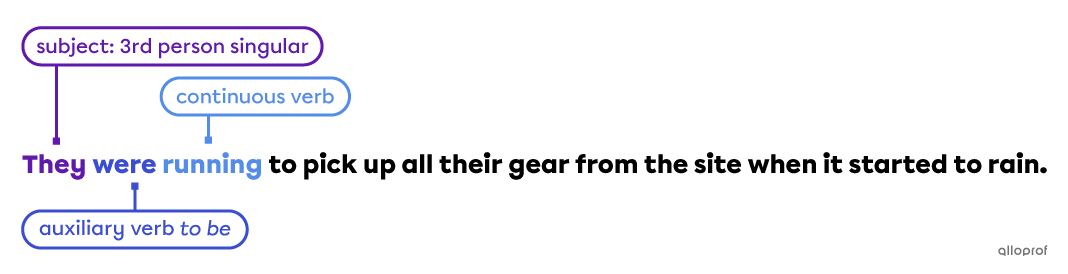 100%
100%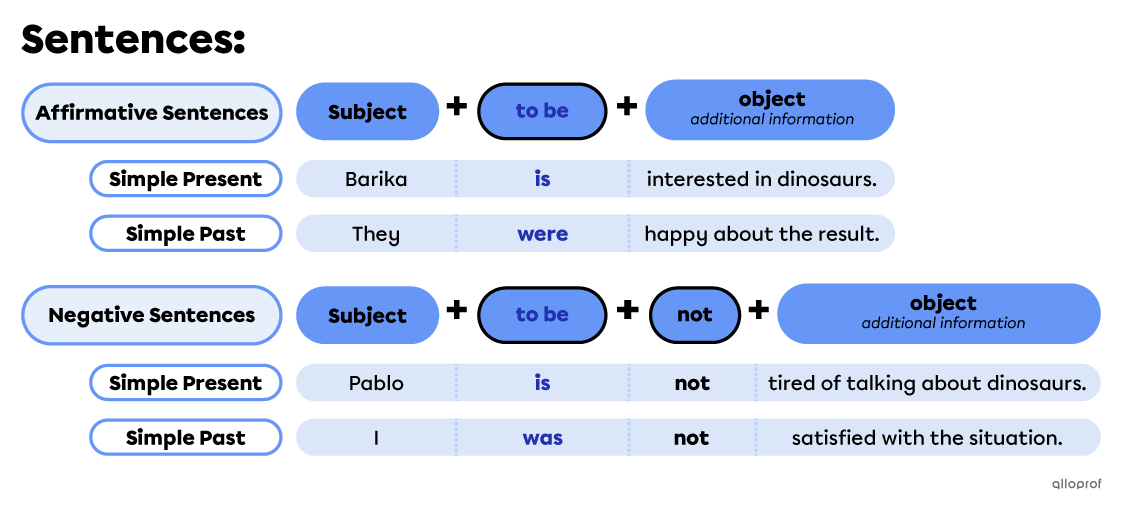 100%
100%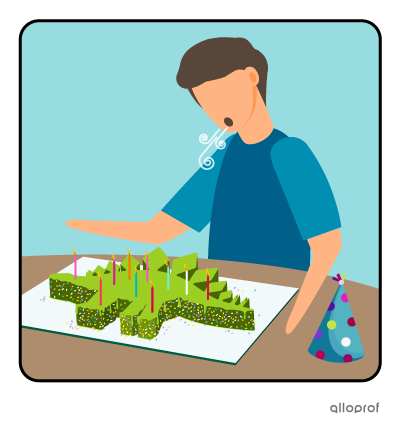 100%
100%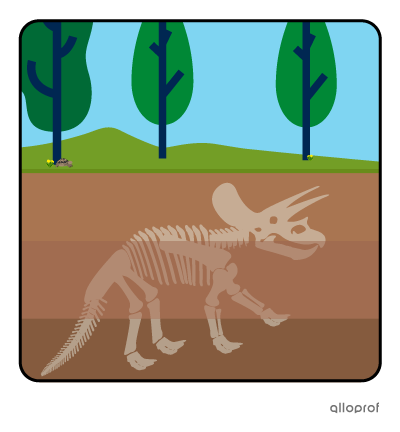 100%
100% 100%
100%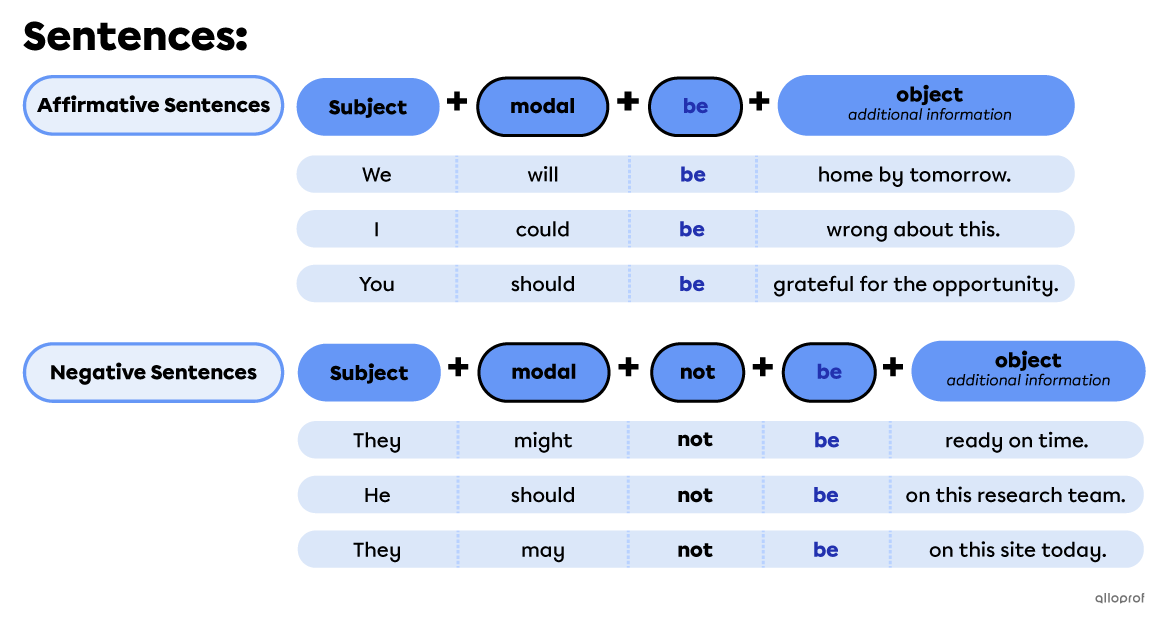 100%
100% 100%
100%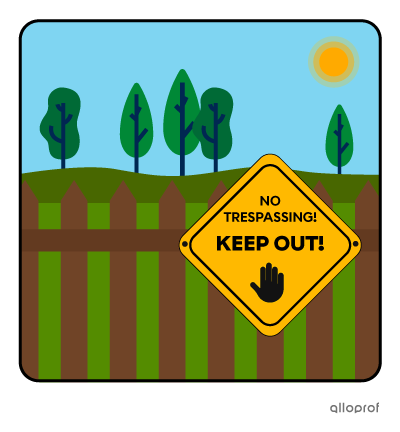 100%
100%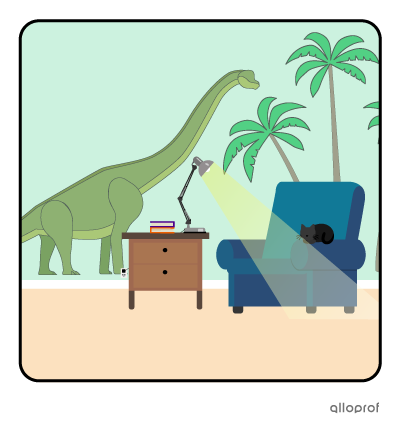 100%
100%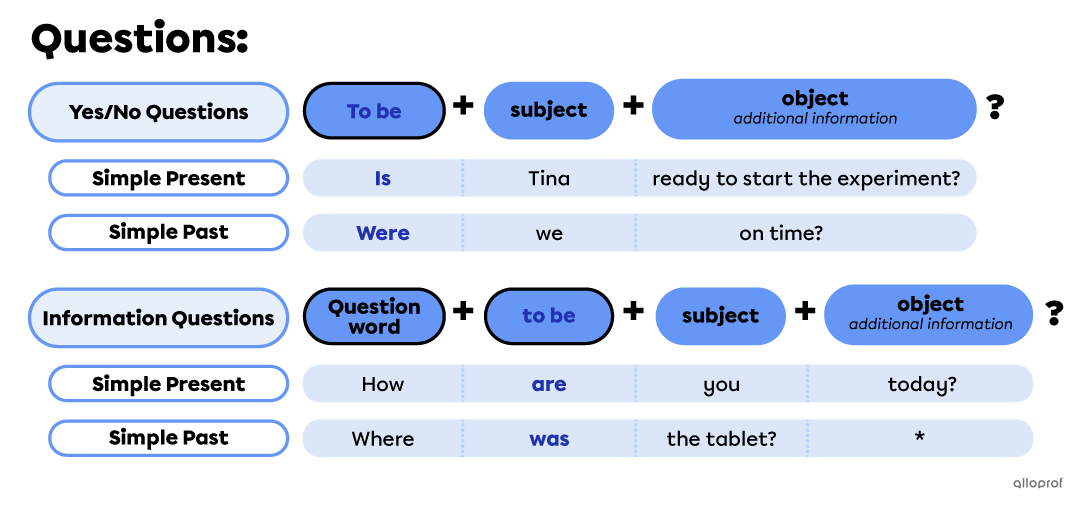 100%
100%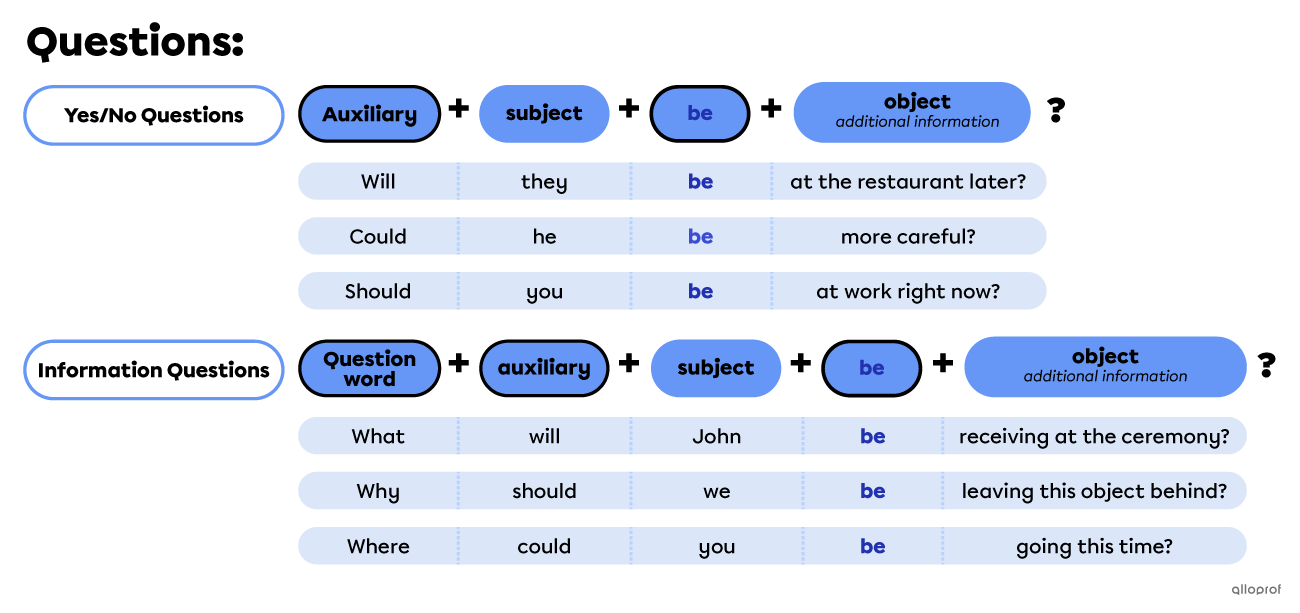
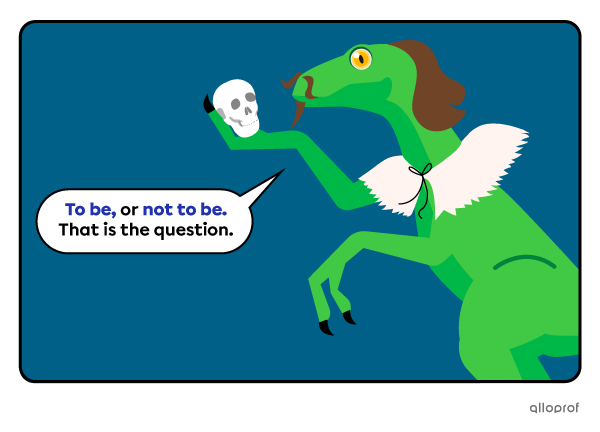
The verb to be indicates that something or someone exists, happens, or occupies a place.

The verb to be can be used in two different ways:
as a verb
The police officer is on duty today.
as an auxiliary verb.
You are studying history right now.
To be as a verb is used to:
express the existence of someone or something
describe things, people, or places
describe a state, a feeling, an emotion, or a position.
express the existence of someone or something
The new dinosaur show is tomorrow.
They are new to the research team.
Dinosaurs were on the planet for millions of years.
describe things, people, or places
These dinosaurs are very tall.
Elga was a pilot for the research team.
There is an amazing dinosaur park in Katsuyama, Japan.
describe a current state, an emotion, or position of a person or thing
Security is important on the site.
The birds are happy on the branch.
John is at the office today to work on his dinosaur research.
To be is used as an auxiliary verb for:
continuous or progressive verb tenses
passive voice sentences
To be is then conjugated according to the subject and the tense.

The verb to be is what we call an irregular verb. It changes form for almost every person it is used with. You will notice the changes with the simple verb tenses.
| Affirmative Form | Negative Form | |||
| Full form | Contractions | Full form | Contractions | |
| I am | I'm | I am not | I'm not | |
| you are | you're | you are not | you're not | you aren't |
| he is she is it is |
he's she's it's |
he is not she is not it is not |
he's not she's not it's not |
he isn't she isn't it isn't |
| we are you are they are |
we're you're they're |
we are not you are not they are not |
we're not you're not they're not |
we aren't you aren't they aren't |
| Affirmative Form* | Negative Form | |
| Full Form | Full Form | Contractions |
| I was | I was not | I wasn't |
| you were | you were not | you weren't |
| he was she was it was |
he was not she was not it was not |
he wasn't she wasn't it wasn't |
| we were you were they were |
we were not you were not they were not |
we weren't you weren't they weren't |
*There is no contraction form for the affirmative form in the simple past.
To form sentences in the simple present or past tenses. Follow this basic structure:
Present: You are 10 years old.
Past: The cake was not bird-shaped.
Present: Complete triceratops fossils aren’t easy to find.*
Past: It was a triceratops fossil.
Present: They’re the best fossil hunters.*
Past: We were not on that team.
*Contractions are often used to contract the verb to be with its subject or in negative sentences.
This could be the biggest fossil ever!
We shouldn’t be here, it’s forbidden.*
I’ll be happy with my new dinosaurs on my wall.
*Contractions are often used in negative sentences.
Forming questions using to be requires different forms
When asking questions in simple tenses:
Yes/no questions with to be
| To be | Subject | Object* |
| Are | the archeologists | at the laboratory today? |
| Was | the brachiosaurus | the largest dinosaur? |
Information questions with to be
| Question word | To be | Subject | Object* |
| Where | are | the experts | this morning? |
| How | was | the meeting? |
*Object is not always necessary.
Yes/no questions with auxiliary verbs or modals
| Modal | Subject | Be | Object* |
| Will | the specimen | be | available for testing? |
| Should | we | be | in school right now? |
Information questions with modals
| Question word | Modal | Subject | Be | Object* |
| Where | will | Mary | be | in two days? |
| What | could | they | be | up to? |
*Object is not always necessary.