Matières
Niveaux
 100%
100%
 100%
100%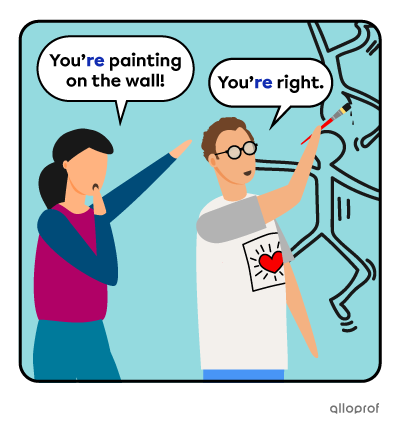 100%
100%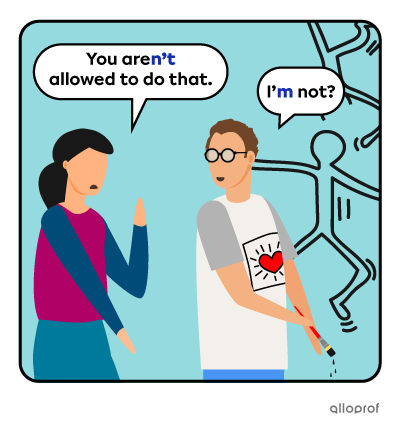 100%
100%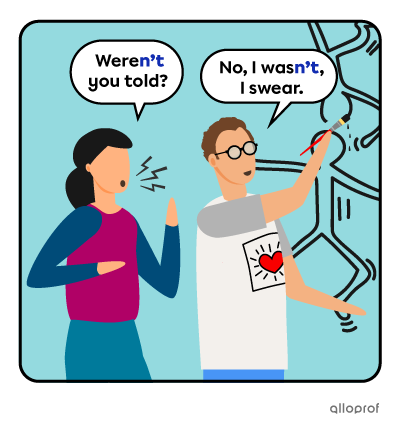 100%
100%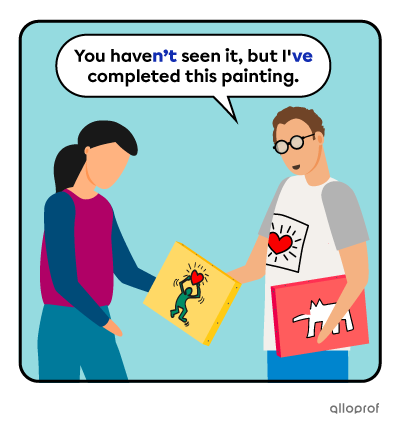 100%
100%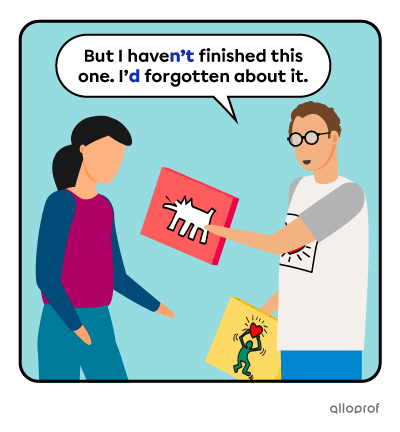 100%
100%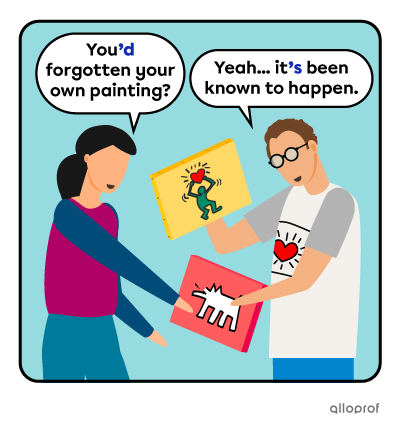 100%
100%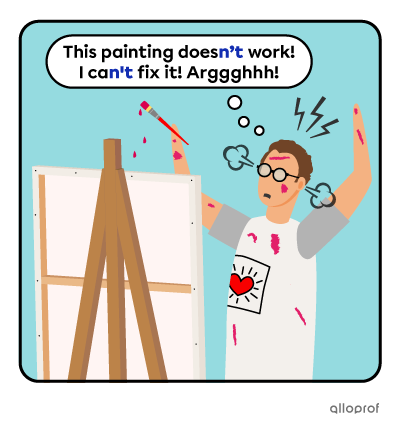 100%
100%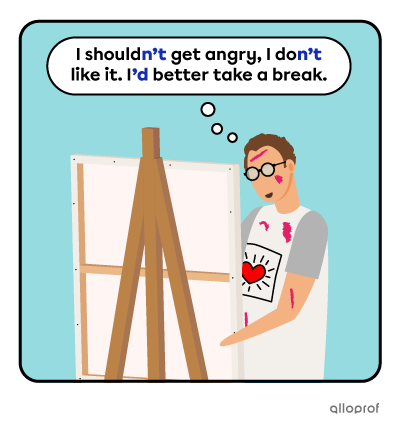 100%
100%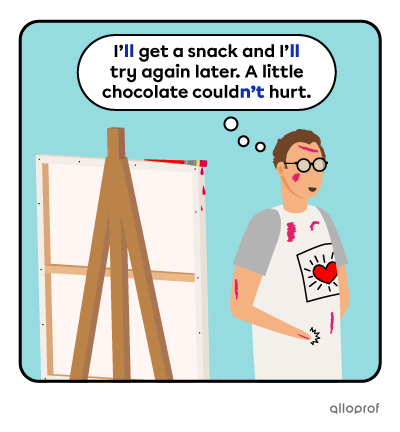 100%
100%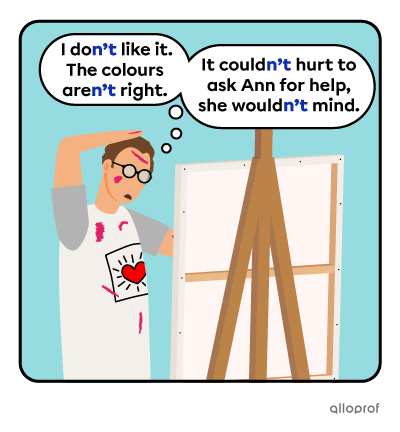 100%
100%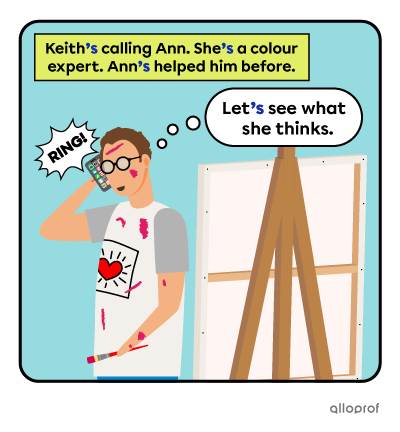 100%
100%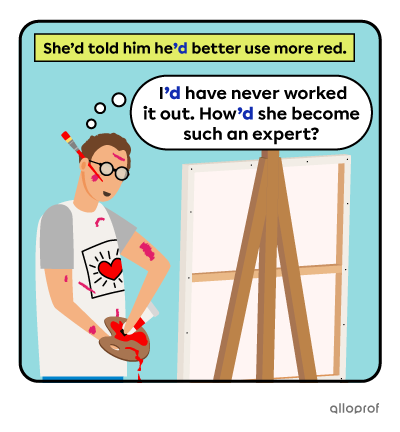 100%
100%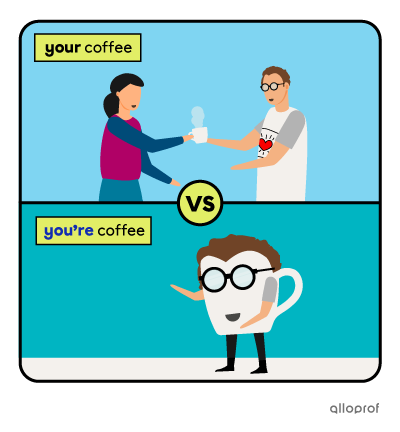 100%
100%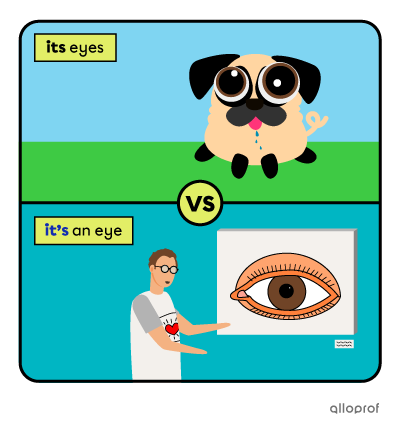 100%
100%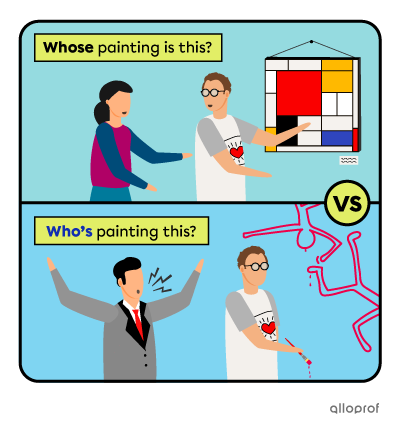 100%
100%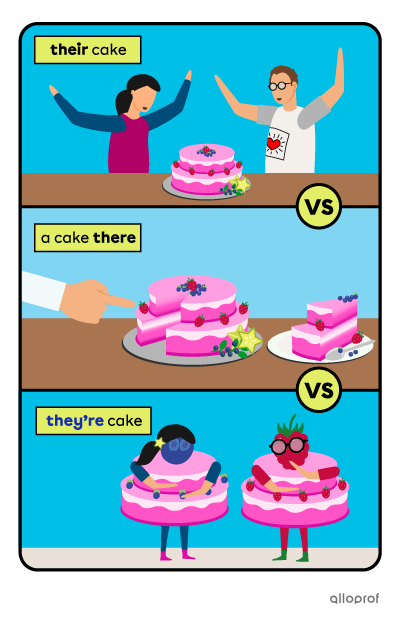 100%
100%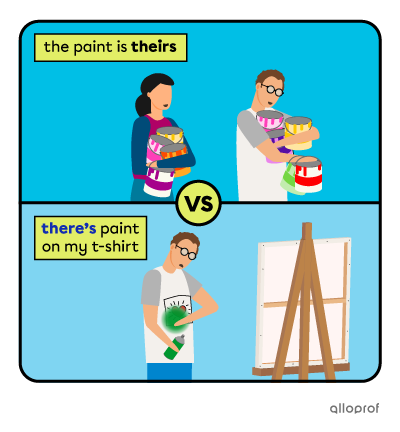
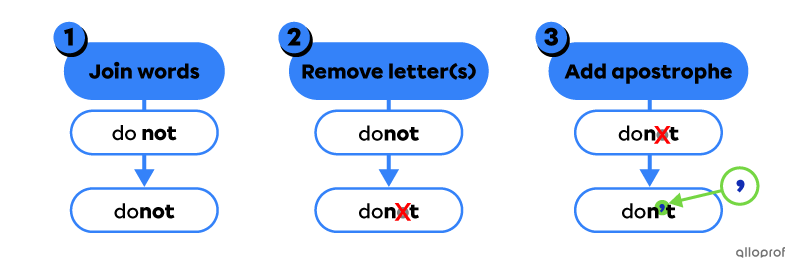
Contractions are shortened word forms.
| Full Form | Contraction |
| do not | don’t |
| you will | you’ll |
They are used more often when speaking than writing.
| Use contractions for informal texts like: | Do not use contractions for formal texts like: |
| ✔ emails & text messages | X school assignments |
| ✔ cards | X research papers |
| ✔ notes | X scientific articles |
| ✔ character dialogues | X cover letters |
| ✔ magazine or web articles | X textbooks |

| Use contractions for casual situations like: | Use some contractions for formal occasions like: | Do not use contractions for official occasions like: |
| ✔ chats with friends/family | ± speeches | X events with protocols |
| ✔ dinner parties | ± job interviews | X academic lectures |
| ✔ game nights | ± hosting a show | X hosting the Nobel Prize |
| ✔ talking to coworkers | ± 1st time meeting someone | X official ceremonies |
To be — Simple Present
| Affirmative form | Contraction |
| I am | I’m |
| you are | you’re |
| he is she is it is |
he’s she’s it’s |
| we are you are they are |
we’re you’re they’re |
To be + not — Simple Present
| Negative form | Contraction | |
| I am not | I’m not | |
| you are not | you’re not | you aren’t |
| he is not she is not it is not |
he’s not she’s not it’s not |
he isn’t she isn’t it isn’t |
| we are not you are not they are not |
we’re not you’re not they’re not |
we aren’t you aren’t they aren’t |
To be + not — Simple Past*
| Negative form | Contraction |
| I was not | I wasn’t |
| you were not | you weren’t |
| he was not she was not it was not |
he wasn’t she wasn’t it wasn’t |
| we were not you were not they were not |
we weren’t you weren’t they weren’t |
*In the simple past, the affirmative form of the verb to be is never contracted.
To have — Simple Present
| Affirmative form | Contraction |
| I have you have |
I've you've |
| he has she has it has |
he's she's it's |
| we have you have they have |
we've you've they've |
To have + not — Simple Present
| Negative form | Contraction |
| I have not you have not |
I haven't you haven't |
| he has not she has not it has not |
he hasn't she hasn't it hasn't |
| we have not you have not they have not |
we haven't you haven't they haven't |
To have — Simple Past
| Affirmative form | Contraction |
| had | I’d he’d they’d Ann’d |
To have + not — Simple Past
| Negative form | Contraction |
| had not | I hadn't she hadn't we hadn't Ann hadn't |
Will & Would
| Full form | Contraction |
| will | I’ll you’ll she’ll Keith’ll |
| would | I’d he’d who’d Ann’d |
Auxiliaries + not
| Full form | Contraction |
| do not | don’t |
| does not | doesn’t |
| did not | didn’t |
| will not | won’t |
| cannot | can’t |
| could not | couldn’t |
| would not | wouldn’t |
| should not | shouldn’t |
| must not | mustn’t |
Not always contracts to n’t
| Full form | Contraction |
| do not | don’t |
| are not | aren’t |
| could not | couldn’t |
| would not | wouldn’t |
Is, has & us all contract to ’s
| Full form | Contraction |
| Keith is | Keith's |
| she is | she's |
| Ann has | Ann's |
| let us | let's |
Had, would & did all contract to ’d
| Full form | Contraction |
| she had | she'd |
| he had | he'd |
| I would | I'd |
| How did… | How'd |
Some contractions are commonly misspelled because they have homophones. They sound the same, but are spelled differently and have different meanings.
It is the case for:
| your | Possessive adjective |
| 2nd peron singular/plural | |
| you're | you + are |
| its | Possessive adjective |
| 3rd person singular | |
| it's | it + is |
| it + has |
| whose | question word asking about ownership |
| who's | who + is |
| who + has |
your coffee → the coffee is yours
you’re coffee → you are coffee
its eyes → the dog’s eyes
it’s an eye → it is an eye
Whose painting is this? → Who owns the painting.
Who’s painting this? → Who is using paint.
| their | Possessive adjective |
| 3rd person plural | |
| there | Adverb of place |
| they're | they + are |
| theirs | Possessive pronoun |
| 3rd person plural | |
| there's | there + is |
| there + has |
their cake → it’s Ann and Keith’s cake.
a cake there → the cake is at that place.
they’re cake → They are made of cake.
the paint is theirs → the paint belongs to Ann and Keith.
there’s paint on my t-shirt → the paint is on Keith’s T-shirt