Matières
Niveaux
 100%
100%
 100%
100%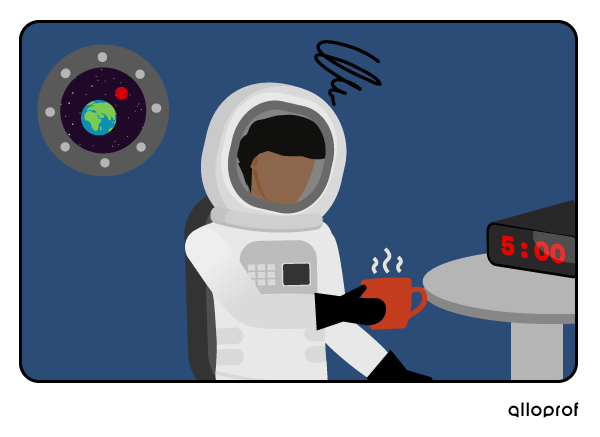 100%
100%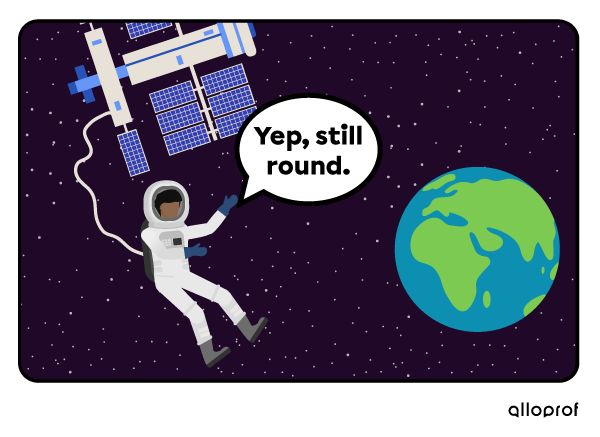 100%
100%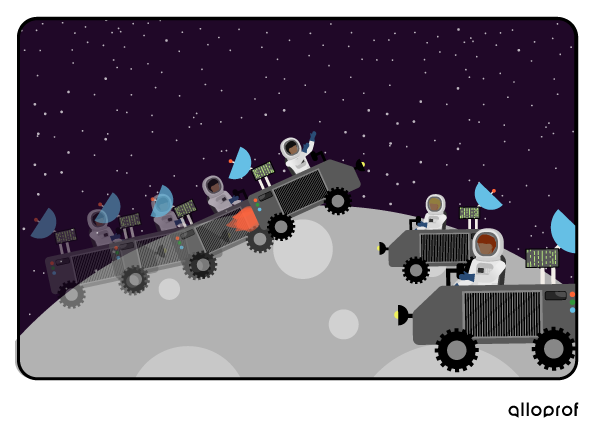 100%
100% 100%
100%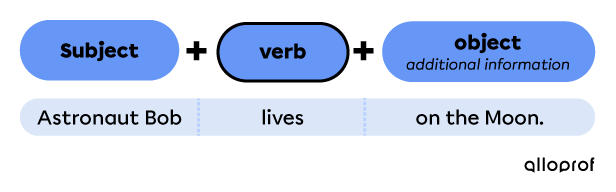 100%
100%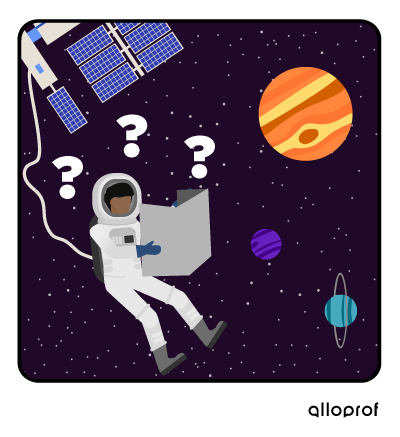 100%
100%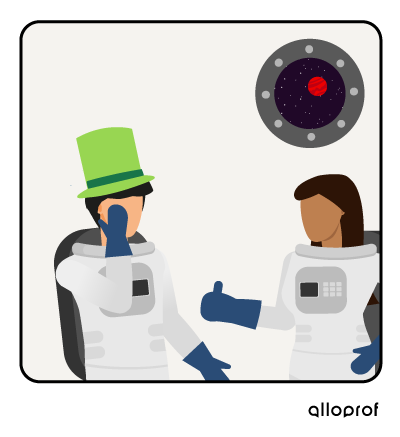 100%
100%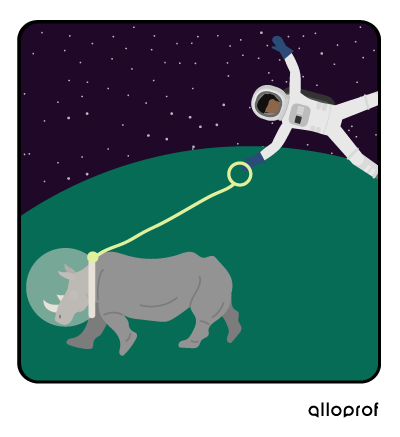 100%
100% 100%
100% 100%
100%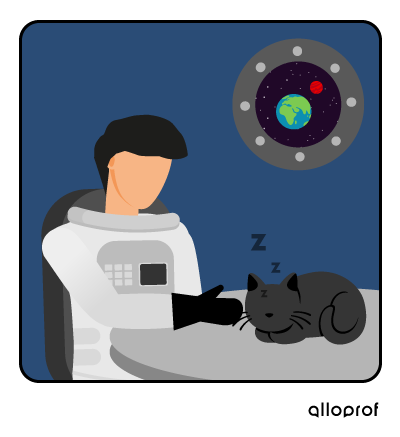 100%
100%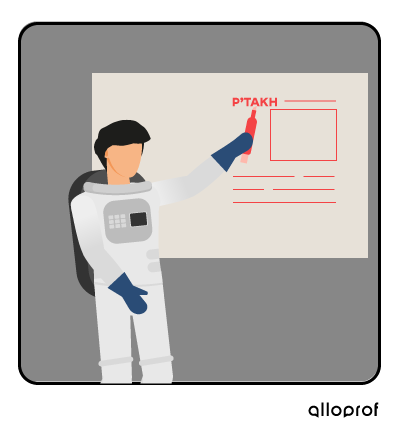 100%
100%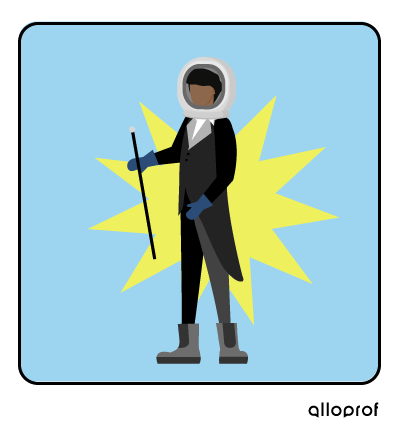 100%
100%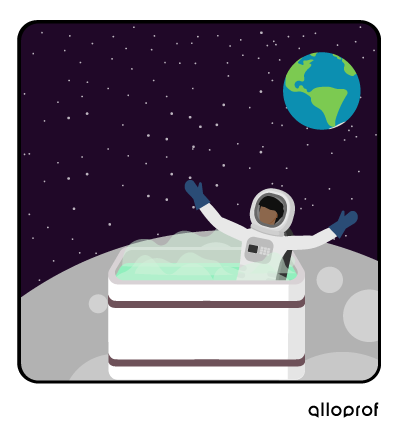 100%
100% 100%
100% 100%
100%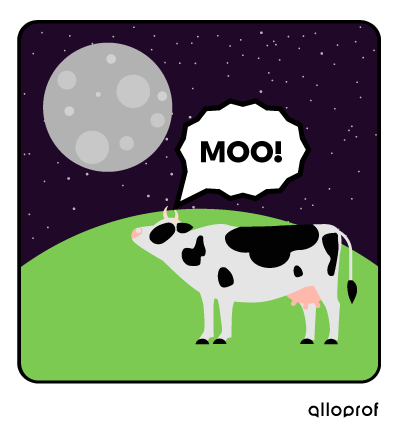 100%
100%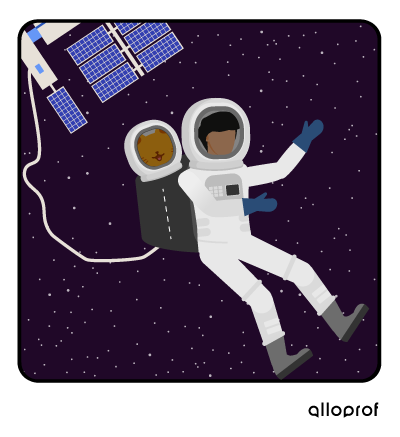 100%
100%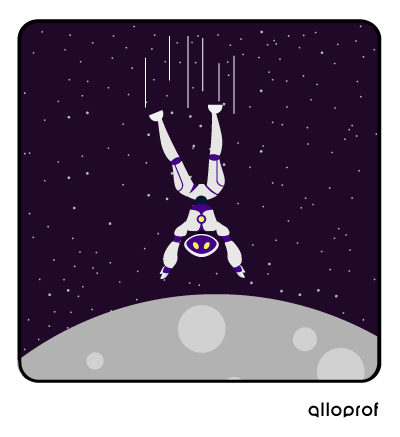 100%
100%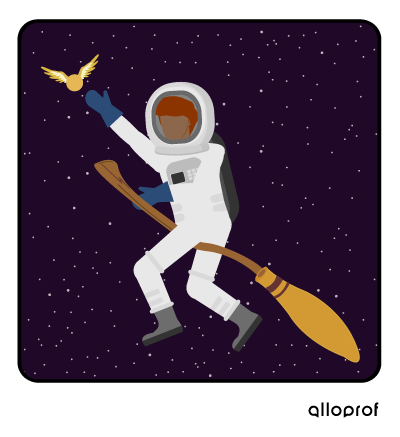 100%
100%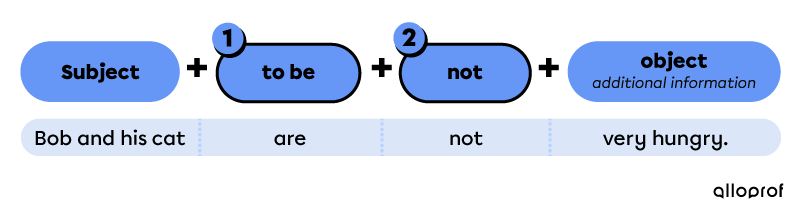 100%
100%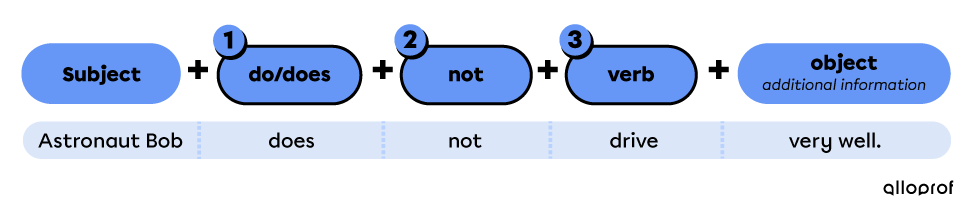 100%
100%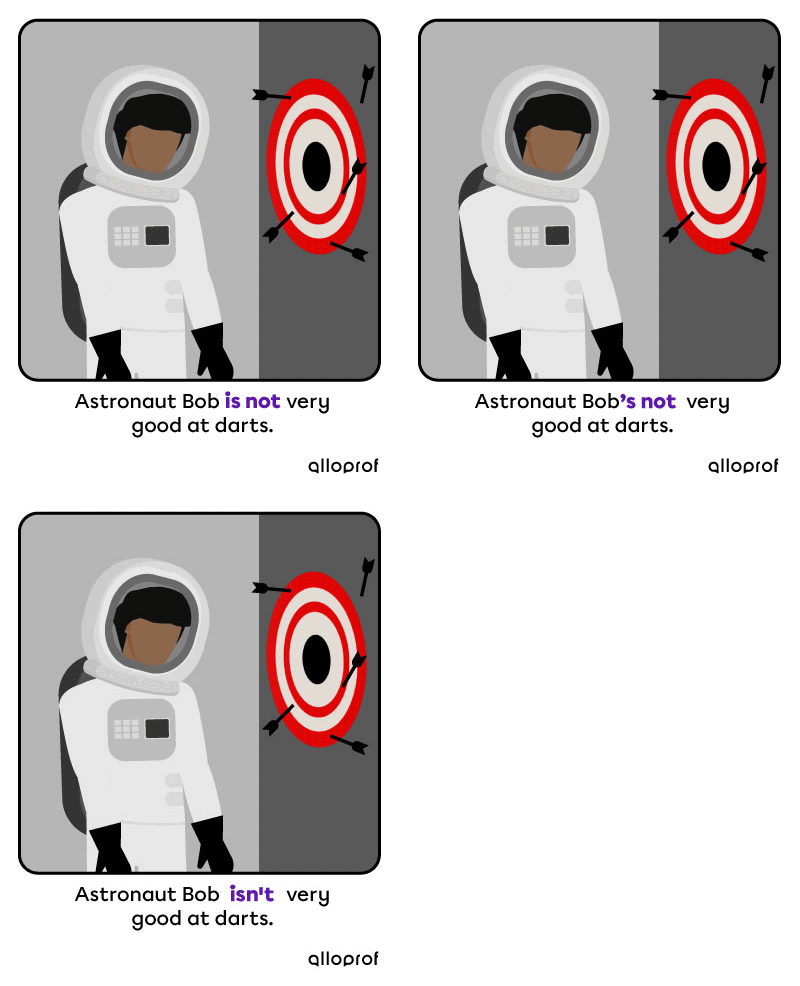 100%
100%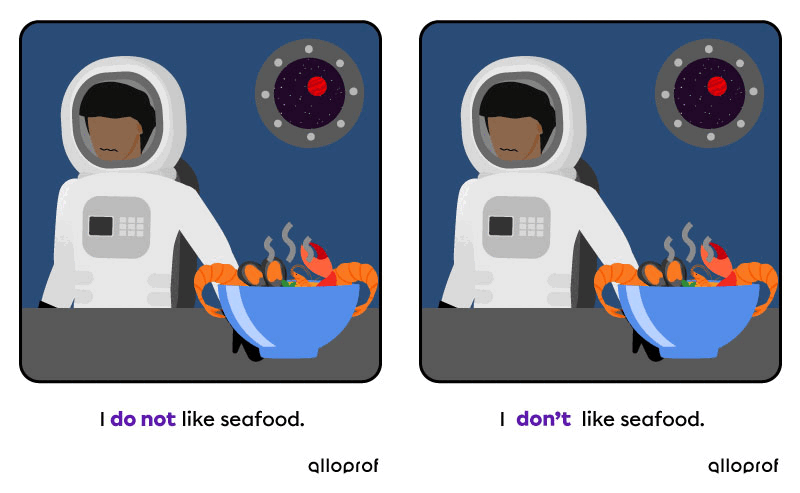 100%
100%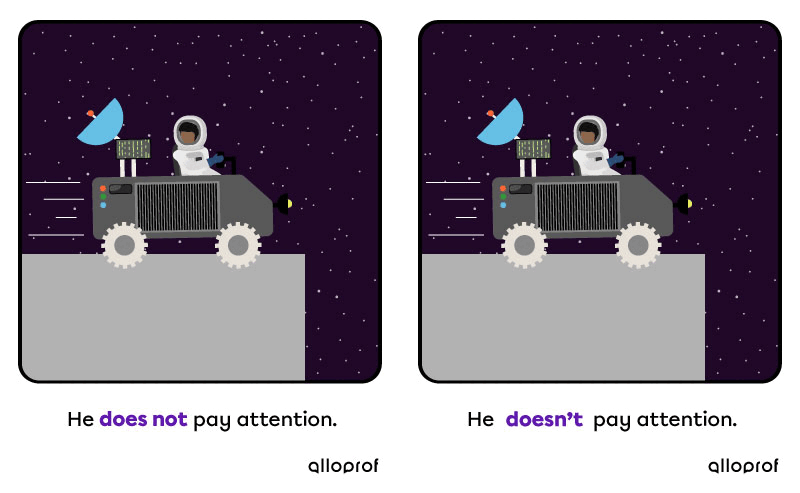 100%
100%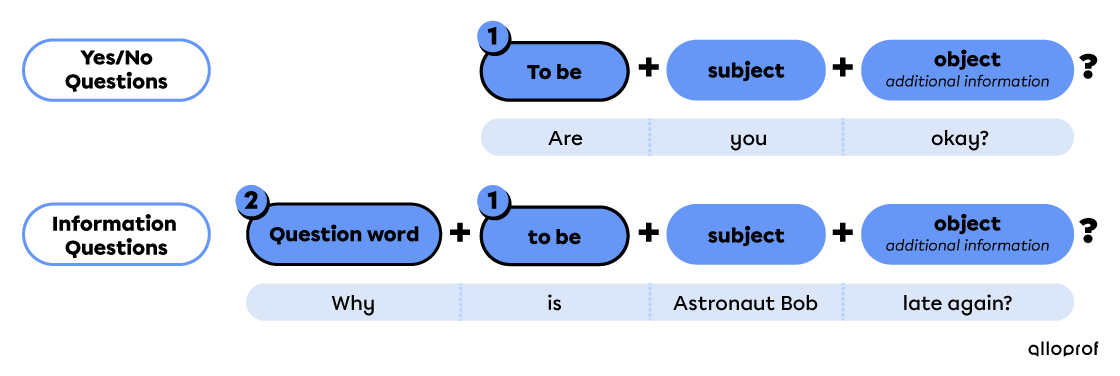 100%
100%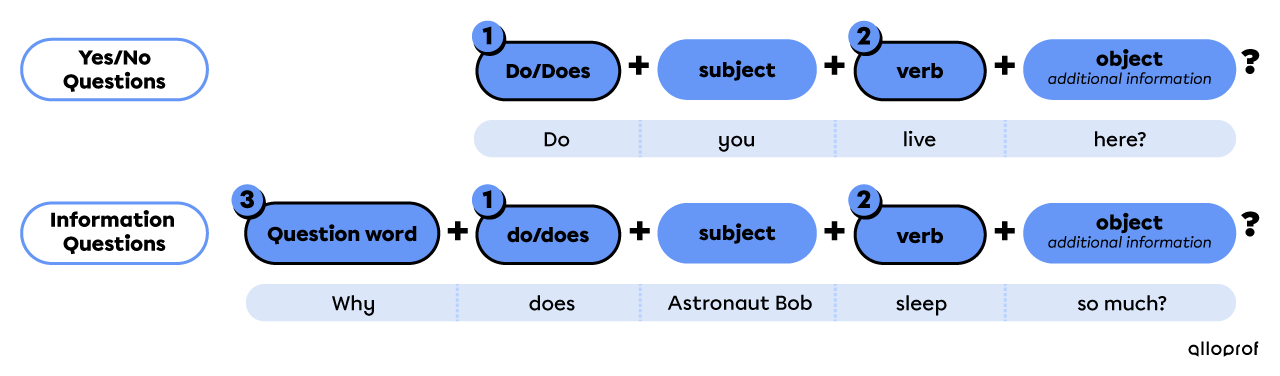
Moments dans la vidéo :
Repeated actions, such as:
habits
routines
Facts & generalizations, such as:
truths
facts
generalizations
Planned events, such as:
schedules
timetables
fixed events
Routines

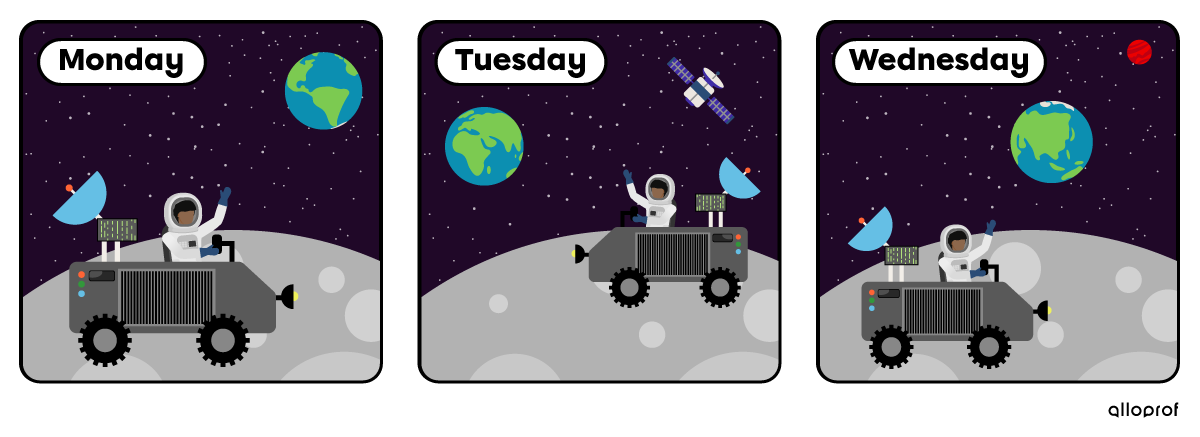
Astronaut Bob drives the moon rover every day.
Habits
Facts
Astronaut Bob drinks coffee before work.
The Earth is round.
Generalizations
Fixed event
Astronauts drive carefully — except for Bob.
The eclipse begins in 10 minutes.
| A word | A word combination | |||
|---|---|---|---|---|
| on: | every: | after: | once/twice/3 times/…: | |
|
|
|
|
|
Points to remember when forming affirmative sentences in the simple present:
The simple present conjugation rules are:
use verbs in their base form
3rd person singular takes an s
to be uses a different form
to have uses a different 3rd person form
| to be | to have | to take | to go | |
|---|---|---|---|---|
| I | am | have | take | go |
| you | are | |||
| he/she/it | is | has | takes | goes* |
| we you they |
are | have | take | go |
*Some verbs take -es in the 3rd person singular.
"I am lost."
“You have a nice hat!”
He has a pet rhinoceros.
Moments dans la vidéo :
Moments dans la vidéo :
Moments dans la vidéo :
When using the simple present in the 3rd person singular:
| verb + s in most cases: | sounds | |
| listens | ||
| verb + es after: | s | passes |
| sh | pushes | |
| ch | watches | |
| x | fixes | |
| z | buzzes | |
| ending in o: | when consonant + o ➞ add es | does | |
| when vowel + o (rare) ➞add s | woos | ||
| ending in y: | when consonant + y ➞ change y to ies | tries | |
| when vowel + y ➞add s | says | ||
Astronaut Bob sings very well.
The robot writes interesting poetry.
My cat sleeps all the time.
He also teaches Klingon.
Sometimes, he dresses very well!
A hot bath relaxes the body so much.
He never does the dishes.
My cat goes to the dentist every year.
That cow moos* at the moon.
*vowel before o → o + s
Astronaut Bob carries his cat in a backpack.
That robot flies like a brick.
My sister Sally plays quidditch with Astronaut Bob.
Points to remember when forming negative sentences in the simple present:
Use the auxiliary do/does.
Place the function word not between do/does and the verb.
Use the base form of the verb.
The negative is often used with contractions.
| To be | |
|---|---|
| I'm not | |
| you're not | you aren't |
| he's not she's not it's not |
he isn’t she isn’t it isn’t |
| we’re not you’re not they’re not |
we aren’t you aren’t they aren’t |
| Other verbs | ||
|---|---|---|
| I don’t you don’t |
+ |
verb |
| he doesn’t she doesn’t it doesn’t |
||
| we don’t you don’t they don’t |
||
Moments dans la vidéo :
Moments dans la vidéo :
answered by yes or no
answered with information
never answered by yes or no
use question words
Points to remember when forming questions in the simple present:
Start yes/no questions with to be.
For information questions only:
Place a question word before to be.
Start yes/no questions with the auxiliary do/does.
Place the verb after the subject.
For information questions only:
Place a question word before do/does.
Yes/no questions with to be
| To be | Subject | Object* |
|---|---|---|
| Are | you | crazy? |
| Is | the Moon | interesting? |
Yes/no questions with other verbs
| Do Does |
subject | Verb | Object* |
|---|---|---|---|
| Do | you | like | sushi? |
| Does | it | hurt? |
Information questions with to be
| Question word |
To be | Subject | Object* |
|---|---|---|---|
| How | are | you | today? |
| Where | is | the Moon? |
Information questions with other verbs
| Question word |
do does |
Subject | Verb | Object* |
|---|---|---|---|---|
| When | do | we | eat | sushi? |
| Where | does | it | hurt? |
*The object is only used when necessary.