Subjects
Grades
 100%
100%
 100%
100%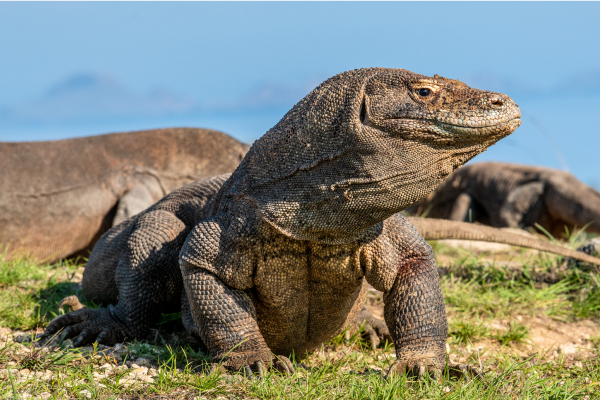 100%
100%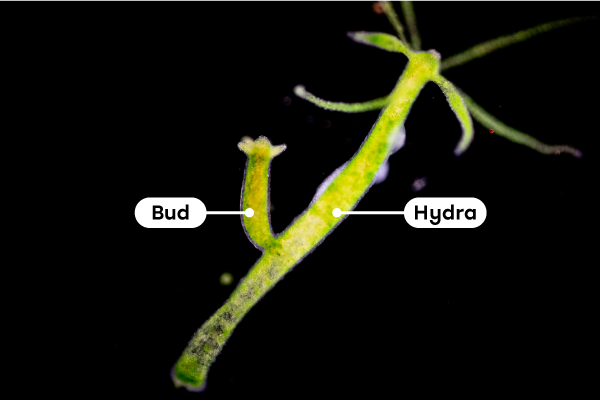 100%
100% 100%
100%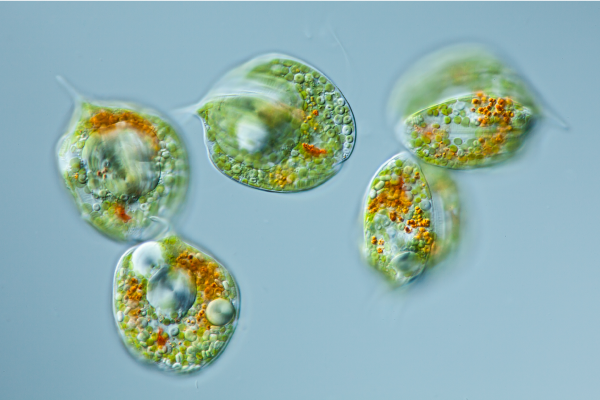 100%
100%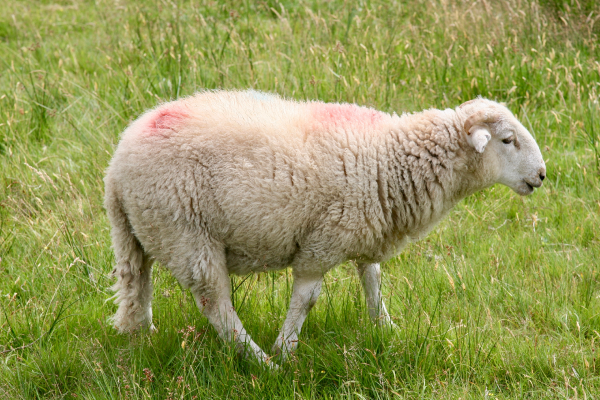 100%
100%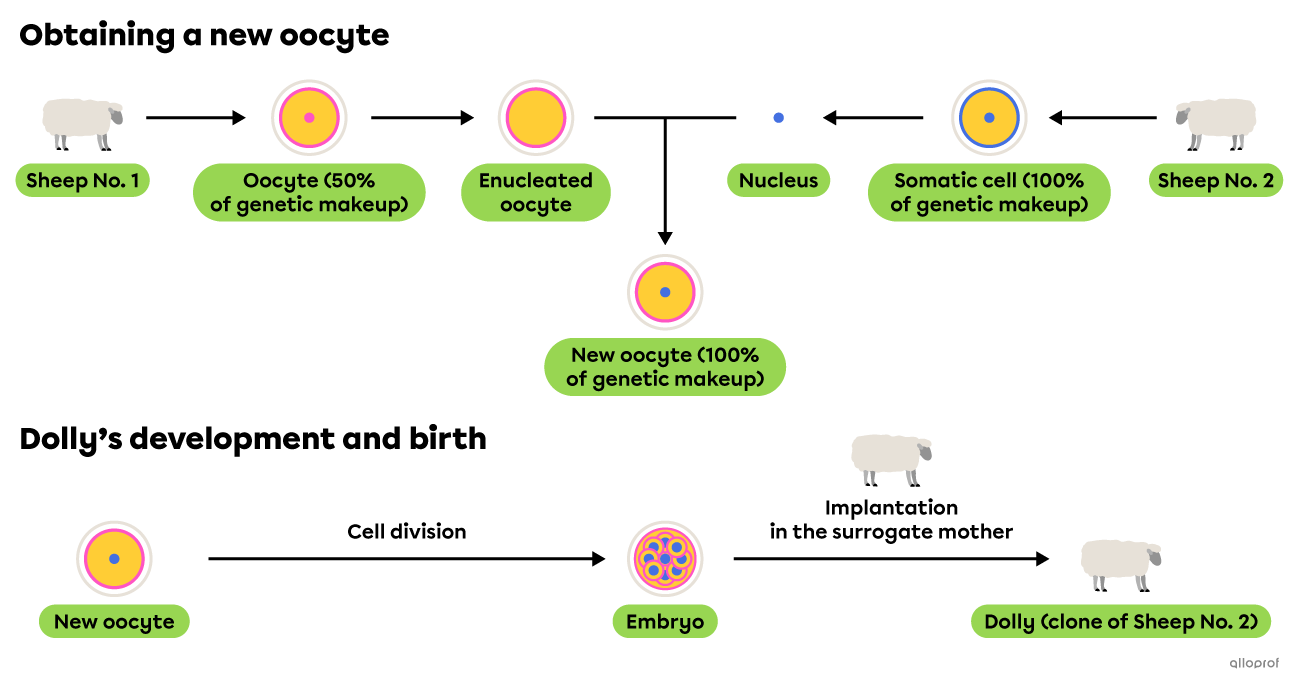 100%
100%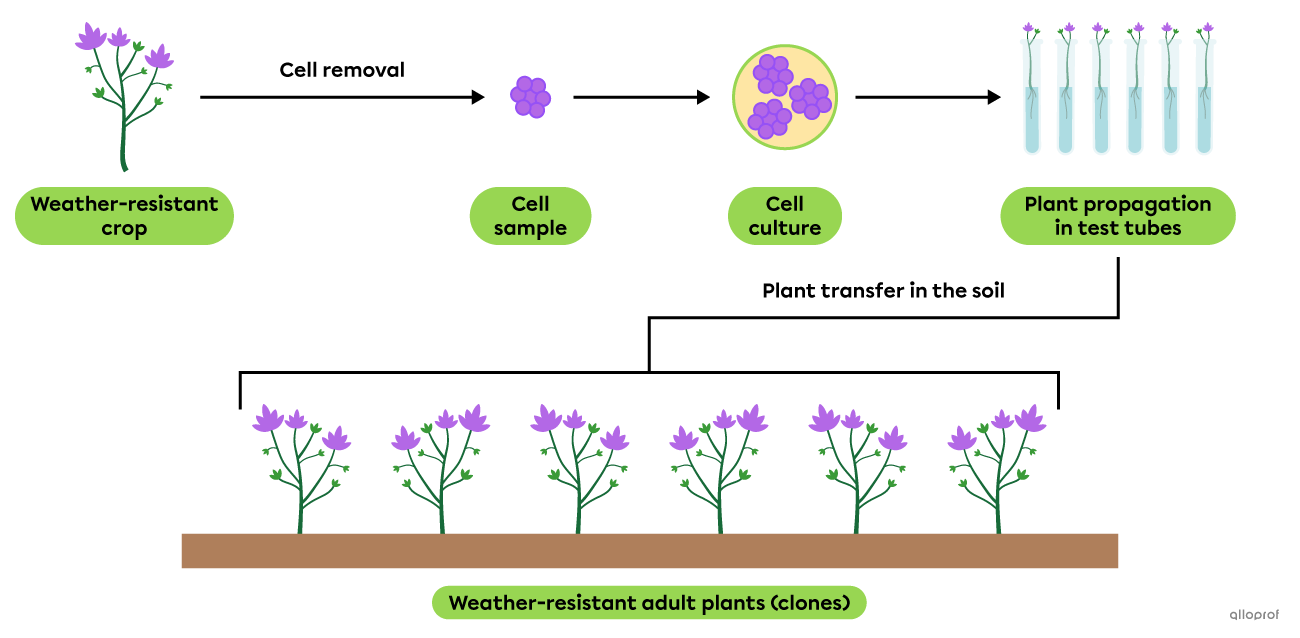 100%
100%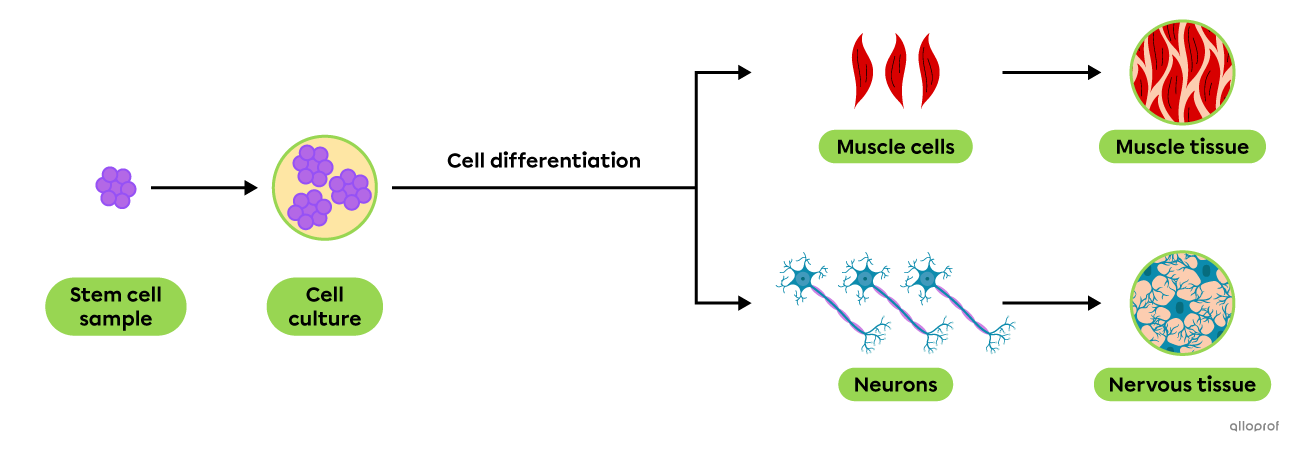 100%
100%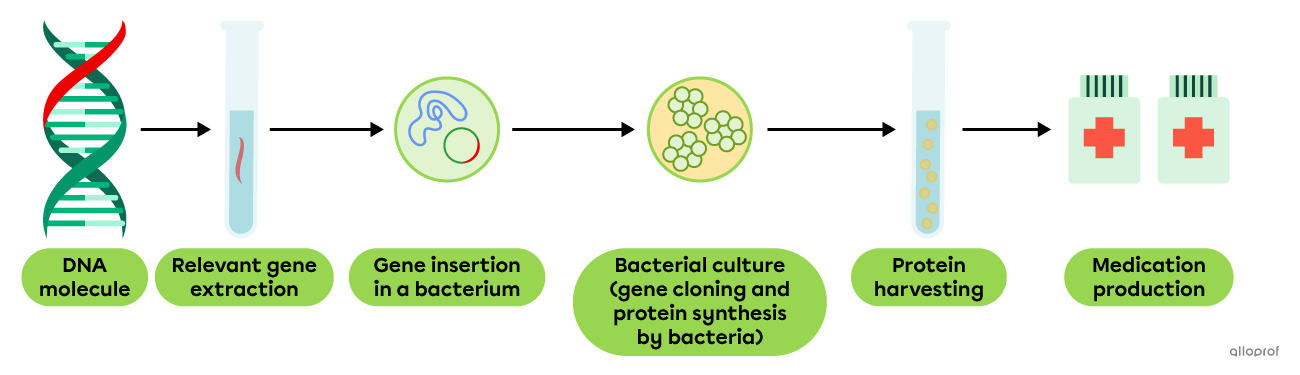 100%
100%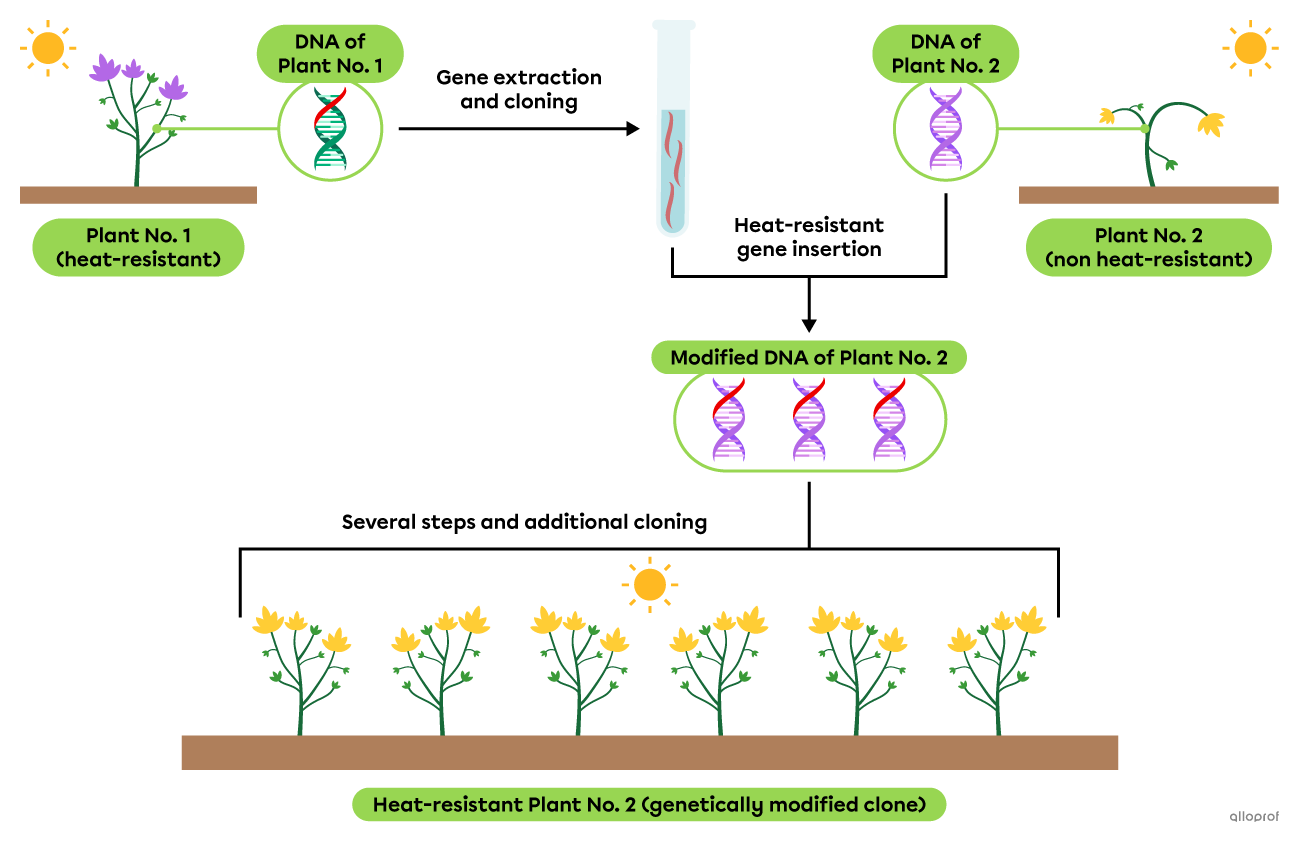
The following table presents the main advantages and disadvantages of natural and artificial cloning.
|
Type of cloning |
Advantages |
Disadvantages |
|---|---|---|
|
Natural cloning |
|
|
|
Artificial cloning |
|
|
Cloning is a process that involves copying an organism in whole or in part (e.g., gene, cell, tissue, etc.).
The resulting clone is usually genetically identical to the parent organism. However, genetic manipulation can be used to obtain a genetically modified clone.
Cloning can be done both naturally and artificially. Both types of cloning have advantages and disadvantages.
Asexual reproduction includes a set of processes that can be described as natural cloning.
Natural cloning is a type of cloning carried out without technological or human intervention.
In plants, asexual reproduction processes, such as cutting or layering, results in the creation of clone plants, whose genetic makeup (genotype) is identical to its parent’s.
Cutting is classified as a natural cloning technique when it occurs to plants naturally. However, when it is accomplished with the help of technological or human intervention, it becomes an artificial cloning technique.
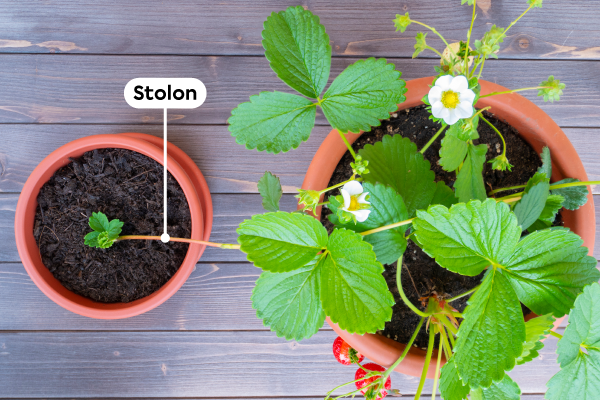
A strawberry plant produces stolons, or runners, which are stems that enable reproduction by layering. The new plant resulting from a stolon is a clone of the parent plant.

Some processes in animals, such as parthenogenesis or budding, also result in the creation of organisms with the same genetic makeup as the parent organism.
The Komodo dragon is an ovoviviparous animal that can reproduce asexually by parthenogenesis. During this process, unfertilized eggs generate clones of the mother.
The hydra is a freshwater animal that can produce clones by budding. The bud then separates from the parent to form an independent clone organism.
In addition to animals and plants, other multicellular organisms, such as some fungi, can undergo natural cloning. Furthermore, cell division through mitosis enables some cells of a multicellular organism to produce clones of themselves.
Bacteria, yeast and algae include many species of unicellular organisms capable of reproducing by natural cloning.
The Escherichia coli bacteria reproduces asexually. Therefore, clones are formed. The same process occurs in Saccharomyces cerevisiae yeast and in unicellular algae Phacus pleuronectes.
Unicellular algae Phacus pleuronectes
Artificial cloning is a type of cloning carried out using technological or human intervention.
There are several types of artificial cloning.
Reproductive cloning is a type of artificial cloning that enables the replication of a complete organism.
Reproductive cloning usually involves plants or animals.
Reproductive cloning in animals results in a clone embryo that is implanted in a surrogate mother for development. The surrogate mother will give birth to the cloned individual.
In 1996, Scottish biologists successfully cloned a mammal from somatic cells for the first time. The cloned animal was the famous sheep Dolly.
Dolly the Sheep
To ensure the birth of Dolly, the biologists carried out a procedure called Somatic Cell Nuclear Transfer (SCNT):
An oocyte is removed from a donor sheep (Sheep No. 1).
The oocyte is enucleated, which means that its nucleus is removed.
The nucleus of a somatic cell of a second sheep (Sheep No. 2) is removed and transferred into the enucleated oocyte. The oocyte now contains the second sheep’s genetic makeup.
The oocyte is stimulated to undergo cell division and form an embryo.
The embryo is implanted in the uterus of the surrogate mother who gives birth to Dolly a few months later.
Since Dolly’s genetic material comes from the somatic cell of Sheep No. 2, Dolly is its clone.
In order for this experiment to succeed, it had to be performed over 200 times!
Cloning of Dolly the Sheep
Reproductive cloning is used more for plant production than for animal reproduction. In particular, it can provide farmers with thousands of copies of particular cereals, fruits or vegetables.
An exceptionally weather-resistant corn plant can be grown in the laboratory to create thousands of propagated clones that are then planted around the world.
Cloning of a crop plant
Today, reproductive cloning is most notably used for rare species conservation and advantageous trait selection, such as resistance to certain diseases, resistance to extreme heat, etc.
Therapeutic cloning is a type of artificial cloning that allows the replication of parts of an organism (usually cells or tissues) from stem cells.
A stem cell is an undifferentiated cell that can develop into different types of specialized cells (e.g. muscle cells, neurons). In addition, a stem cell is highly capable of reproducing.
In order to clone part of an organism by therapeutic cloning, the following steps are usually carried out:
Stem cells are harvested from bone marrow, umbilical cords, cloned embryos and many other sources.
Stem cells are allowed to divide to increase their number.
The stem cell culture is harvested and manipulated to produce a specific type of cell or tissue, a process known as cell differentiation.
The resulting cells or tissues can then be used for medical research, to treat a patient or for other purposes.
As of 2022, no complete organ has been generated using therapeutic cloning.
Generation of differentiated cells and tissues through stem cell cloning
Gene cloning, also called DNA cloning or molecular cloning, is a type of artificial cloning that aims to copy individual genes (portions of DNA) or, more rarely, complete DNA.
Cloning one or more genes can have a variety of applications.
A protein is known to significantly reduce the size of blood clots. In order to use this protein in medication, it has to be produced on a large scale. To achieve this, researchers identify the gene responsible for the synthesis of this protein. This gene is extracted and inserted into a bacterium. The rapid multiplication of the bacteria during its life cycle allows the gene to be cloned in large quantities. This gene then allows multiple bacteria to synthesize a significant amount of the protein of interest. The protein can then be harvested and used in medication.
Protein-based medication generated using gene cloning
Insulin and growth hormones are other examples of compounds synthesized using this type of process.
If a given plant is particularly heat-resistant, the gene responsible for this characteristic can be identified and cloned. The cloned gene is then inserted into the genetic code of another plant so that it is more heat-resistant as well.
Cloning used to produce genetically modified plants
Gene cloning can be used in addition to reproductive cloning techniques. Specific genes can be cloned and later used to create a complete genetically modified organism.
The following table presents the main advantages and disadvantages of natural and artificial cloning.
|
Type of cloning |
Advantages |
Disadvantages |
|---|---|---|
|
Natural cloning |
|
|
|
Artificial cloning |
|
|
Health Canada. (2003, June 30). Food Directorate Interim Policy on Foods from Cloned Animals. Government of Canada. https://www.canada.ca/en/health-canada/services/food-nutrition/legislation-guidelines/policies/food-directorate-interim-policy-foods-cloned-animals.html