Matières
Niveaux
 100%
100%
 100%
100%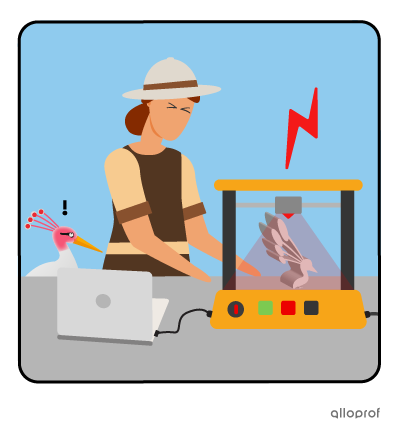 100%
100%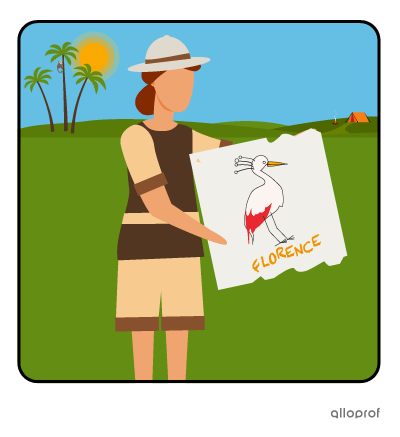 100%
100%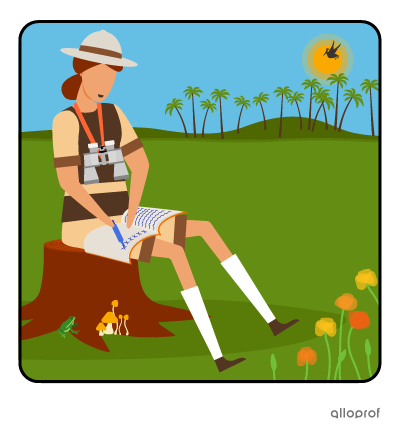 100%
100% 100%
100% 100%
100%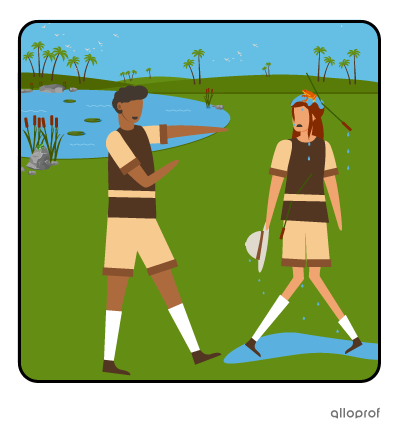 100%
100%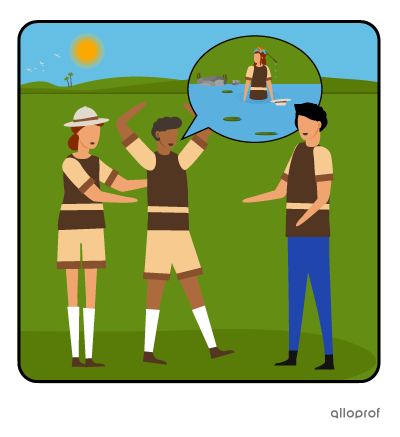 100%
100%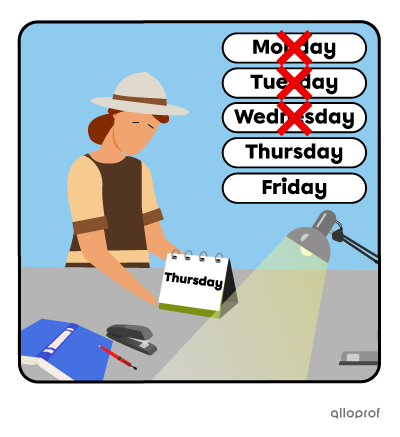 100%
100%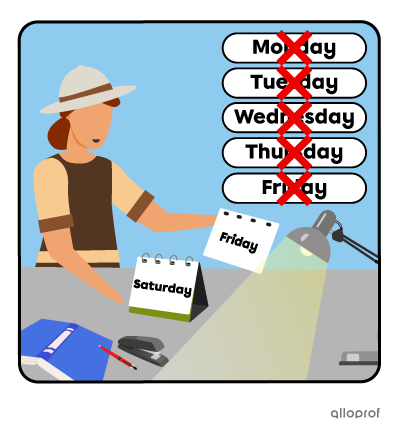 100%
100% 100%
100% 100%
100%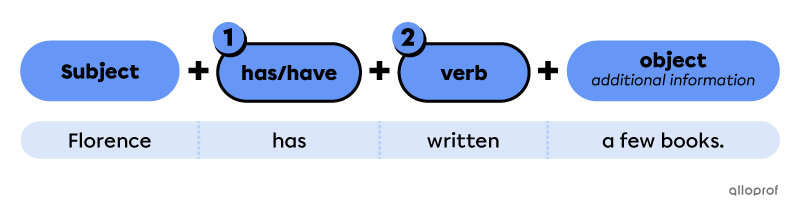 100%
100%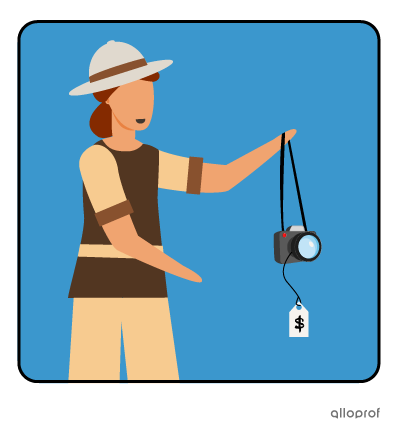 100%
100% 100%
100%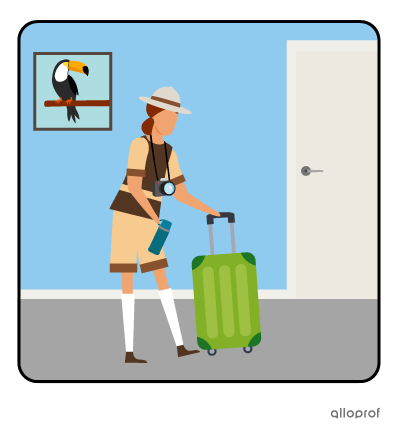 100%
100%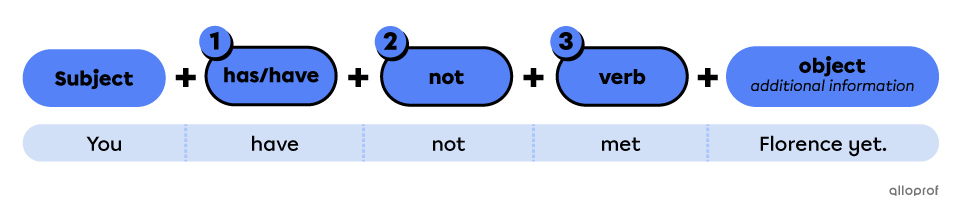 100%
100% 100%
100%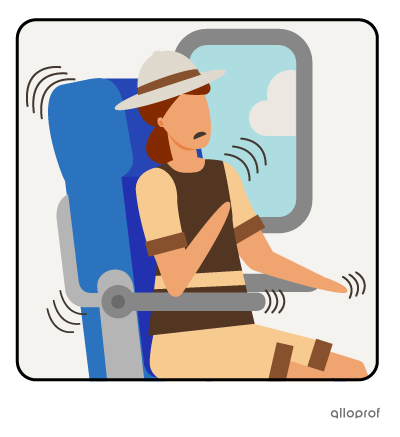 100%
100%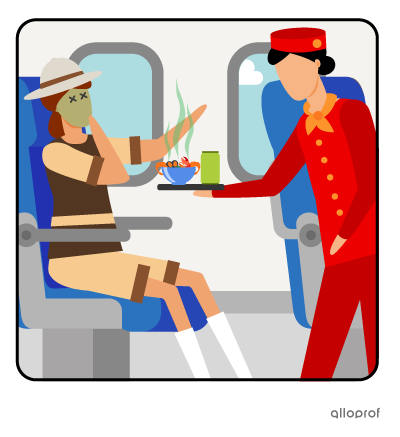 100%
100%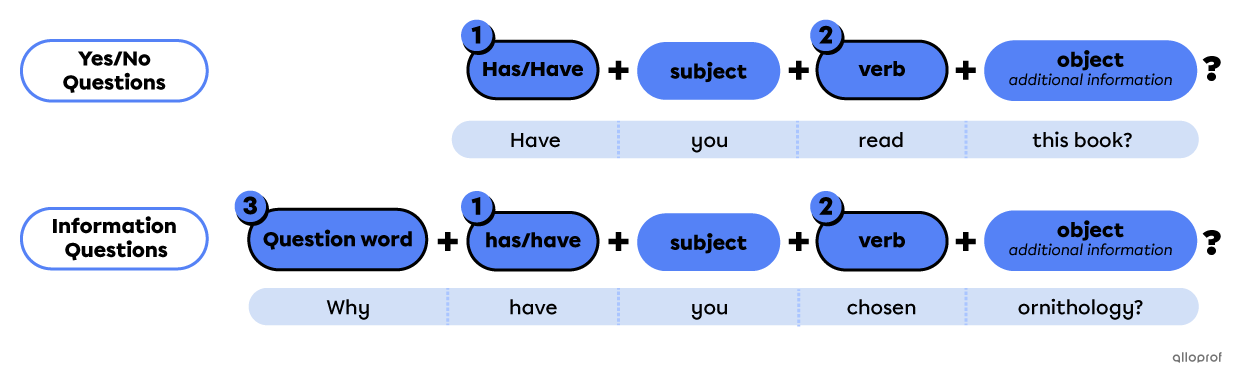 100%
100%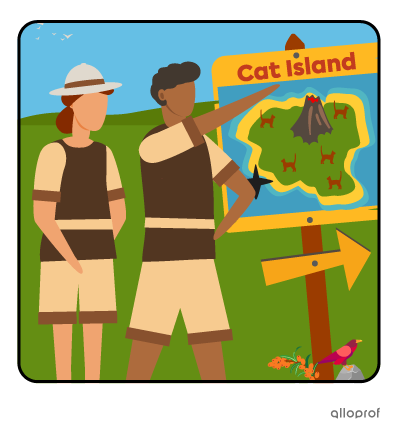 100%
100%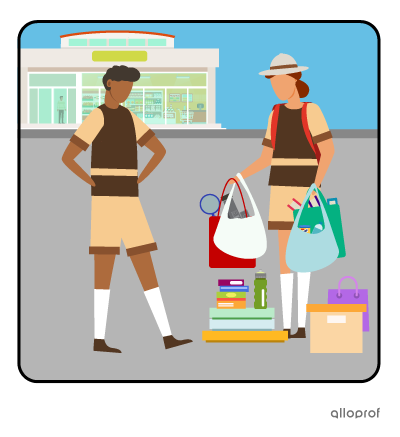 100%
100%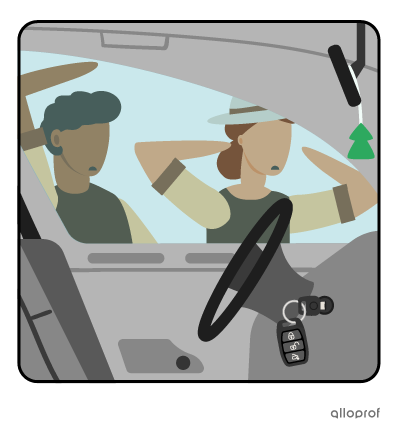
Present result
past action with present result
recently finished action
Unfinished time
past action not yet finished
time period still going on
Indefinite time
past actions at unspecified time
repeated past actions
Present results

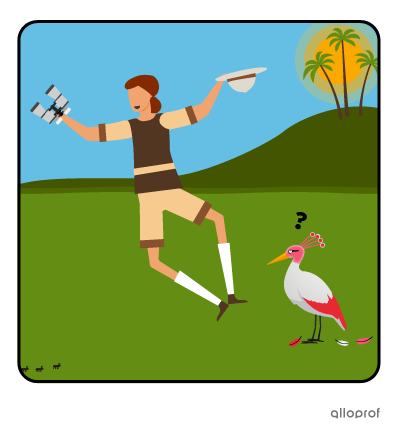
Florence the explorer has discovered a new bird species.
She has tried to print it as a 3D model.
Unfinished time
Birds have been her favourite animals since she was a kid.
Today, she has seen the bird six times.
Indefinite time
Florence has written three books on birds in the last few years.
“I have taken a lot of bird pictures in my career.”
Some keywords and phrases are often used with the present perfect.
| Words like: | Phrases like: |
|
|
Present result
She has fallen in the water.
present result → She is now wet.
Past action
She fell in the water.
not connected to the present
Unfinished time
Finished time
I have worked 60 hours this week.
60 hours done
the week isn't finished
I worked 60 hours this week.
60 hours completed
the week is over
Indefinite time
She has been here before.
specific time is not mentioned
she knows the place
Specific time
She was here last week.
specific time → last week
she isn’t at the location anymore
Points to remember when forming affirmative sentences in the present perfect
Use the past participle form of the verb.
“I have bought a new camera.”
“I've bought* a new camera.”
She has researched her subject for hours.
She's researched* her subject for hours.
She has packed her suitcase.
She's packed* her suitcase.
*Affirmative contraction form
Points to remember when forming negative sentences in the present perfect
Use the auxiliary has/have.
Place the function word not between the auxiliary and the verb.
Use the past participle verb form.
“I have not flown 1st class before.”
“I haven't flown* 1st class before.”
Florence has not enjoyed the turbulence during the flight.
Florence hasn’t enjoyed* the turbulence during the flight.
“Poor dear, you have not eaten anything during the whole flight.”
“Poor dear, you haven’t eaten* anything during the whole flight.”
*Negative contraction form
Points to remember when forming questions in the present perfect
Start with the auxiliary has/have for yes/no questions.
Use the past participle verb form.
For information questions only:
Start with a question word.
“Have you visited Cat Island?”
“What have you bought?”
Have you forgotten the keys in the car again?