Matières
Niveaux
 100%
100%
 100%
100% 100%
100%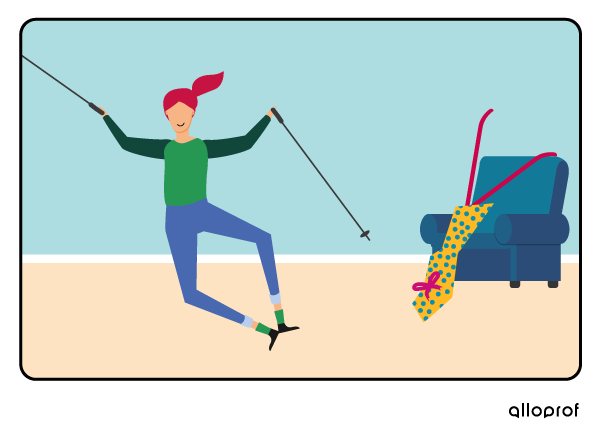 100%
100%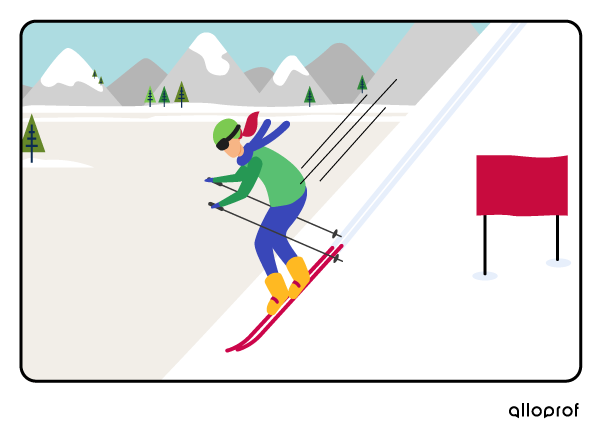 100%
100%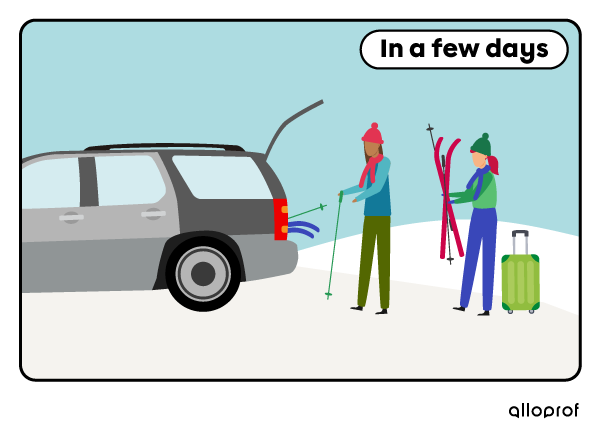 100%
100%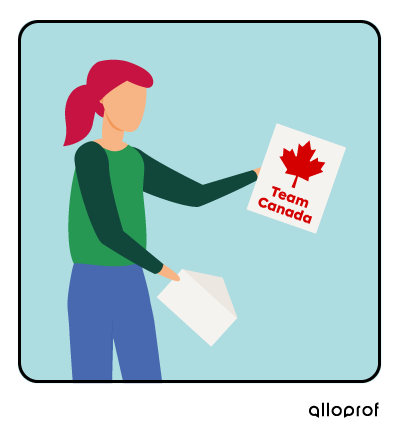 100%
100%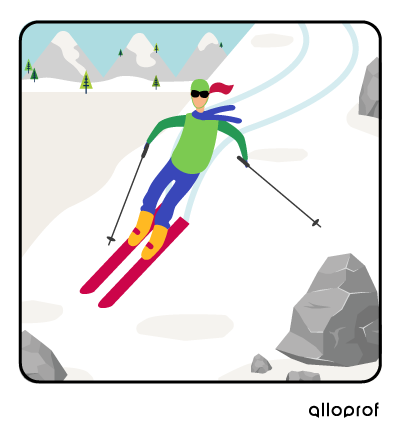 100%
100%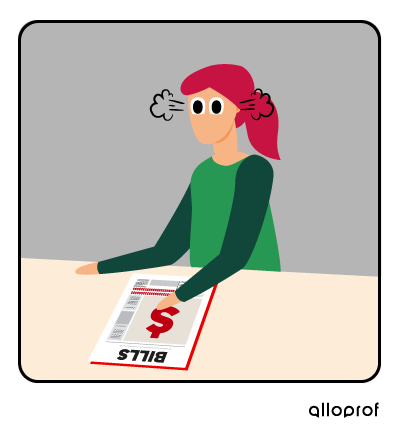 100%
100%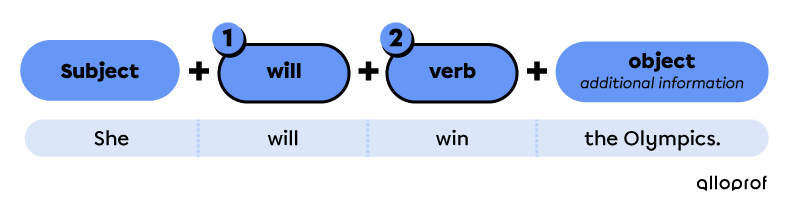 100%
100%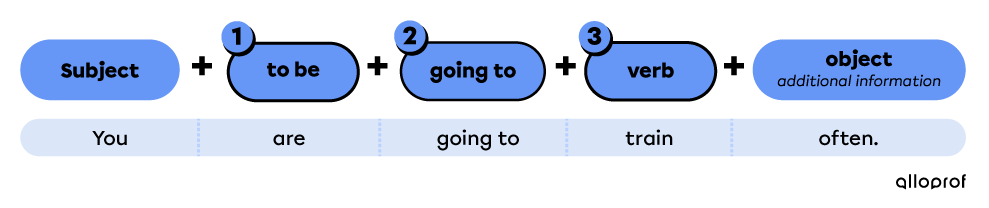 100%
100% 100%
100% 100%
100%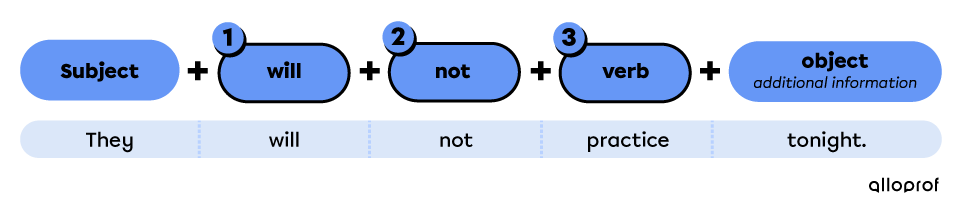 100%
100% 100%
100%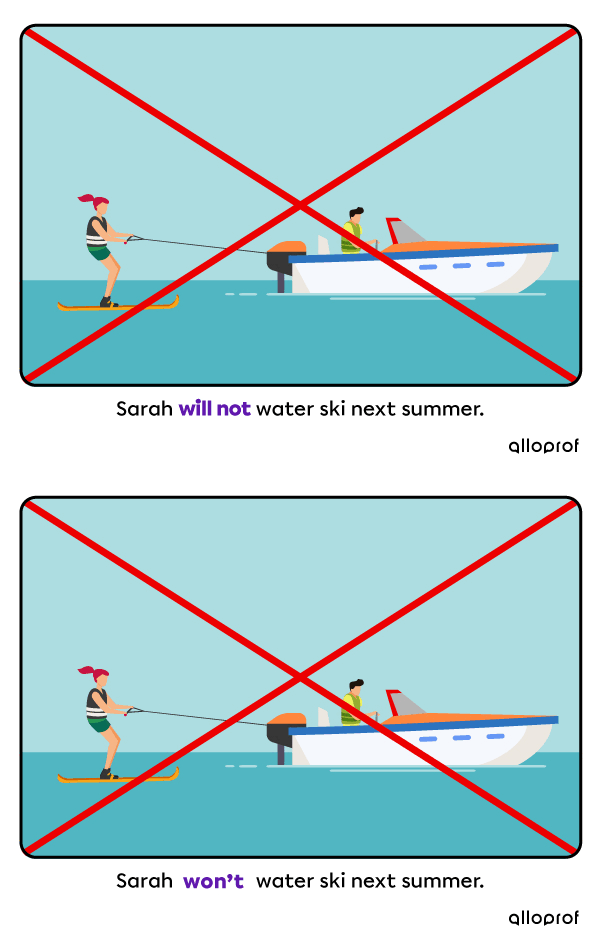 100%
100%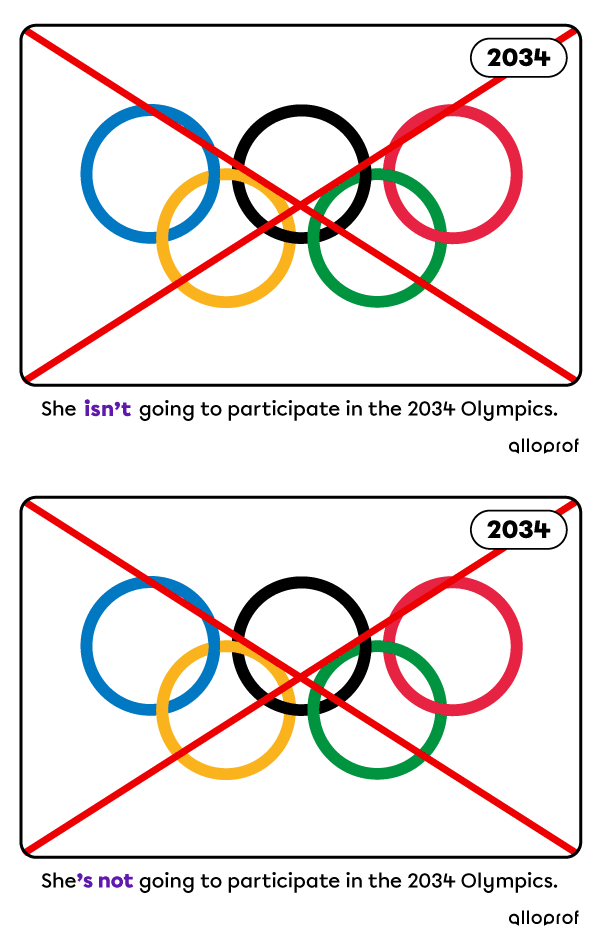 100%
100%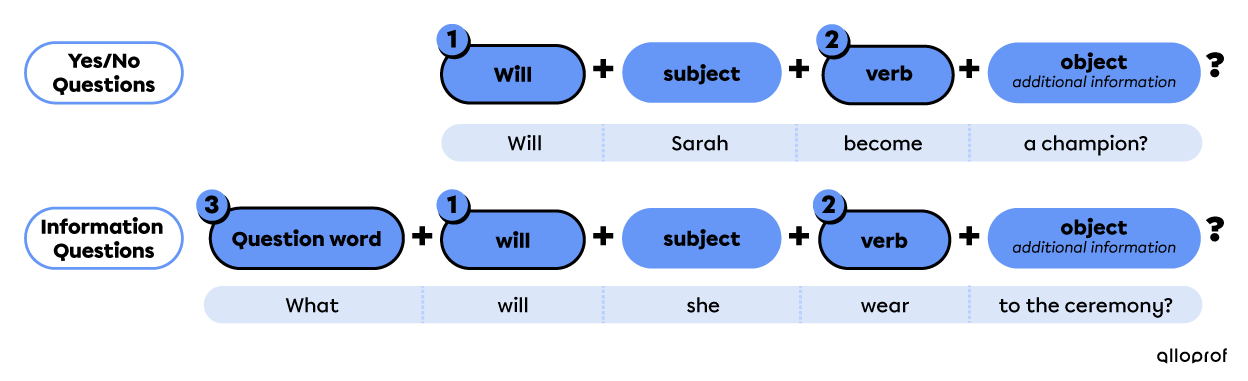 100%
100%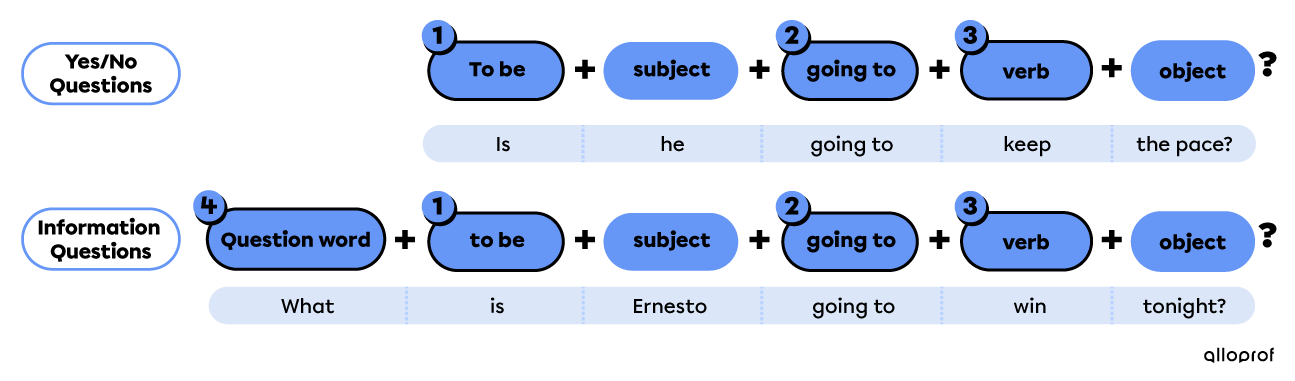
The simple future verb tense is used to express actions or states that begin and end in the future.
It is formed with will or going to.
For:
To learn more on using will or going to, visit Verb Tense vs. Verb Tense.
Promises

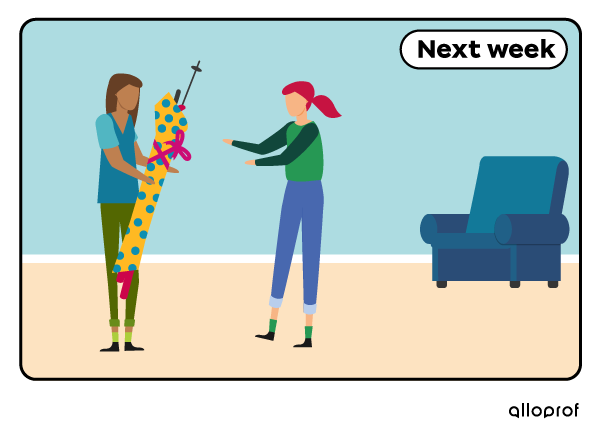
Benita will give a present to her best friend Sarah next week.
Future facts
Italy will host the 2026 Winter Olympic Games.
Spontaneous actions or decisions
As soon as Sarah sees it, she will jump with joy.
Predictions
They think Sarah will become a ski champion!
Plans
Benita and Sarah are going to try their new equipment in a few days.
Many keywords can help you recognize the future.
| A word | A word combination | |||
| next... | in... | this... | within... | |
|
|
|
|
|
The simple future can also be used in conditional sentences. If a condition is met, the future action will happen.
If Sarah trains well, she will make the national team.
If Sarah is careful, she will ski down the slope without falling.
She will only make it to the Olympics if she gets financial help.
Points to remember when forming affirmative sentences:
Place the auxiliary verb will in front of the verb.
Use the base form of the verb.
Place the auxiliary verb to be in front of the verb.
Use going to.
Use the base form of the verb.
With will
Sarah will win a gold medal.
With to be going to
They are going to stay in a hotel during the Olympics.
1. With will
2. With to be going to
answered by yes or no
answered with information
never answered by yes or no
use question words
Points to remember when forming questions in the simple future:
Place the auxiliary will before the subject for yes/no questions.
Use the base form of the verb.
For information questions only:
Place a question word at the beginning.
Place the auxiliary to be at the beginning for yes/no questions.
Use going to after the auxiliary to be.
Use the base form of the verb.
For information questions only:
Place a question word at the beginning.
1. Yes/no questions with will
| Will | subject | verb | object? |
| Will | she | sign | a contract? |
| Will | they | pack | their equipment? |
1. Yes/no questions with to be going to
| To be | subject | going to | verb | object? |
| Are | they | going to | visit | Beijing? |
| Is | she | going to | be | careful? |
2. Information questions with will
| Question word |
will | subject | verb | object? |
| What | will | Sarah | win | at the Olympics? |
| Why | will | Sarah | stay | healthy? |
2. Information question with to be going to
| Question word |
to be | subject | going to | verb | object? |
| What | is | she | going to | carry | to the mountain? |
| Where | are | they | going to | compete | during the Olympics? |