Matières
Niveaux
 100%
100%
 100%
100%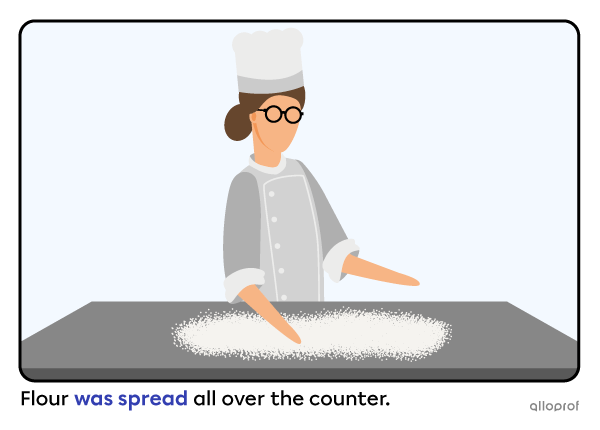 100%
100%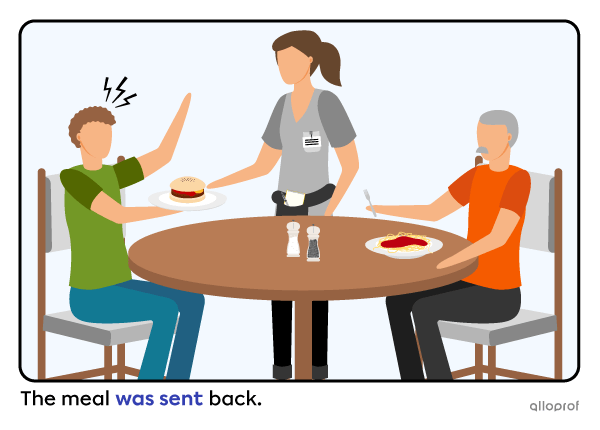 100%
100% 100%
100%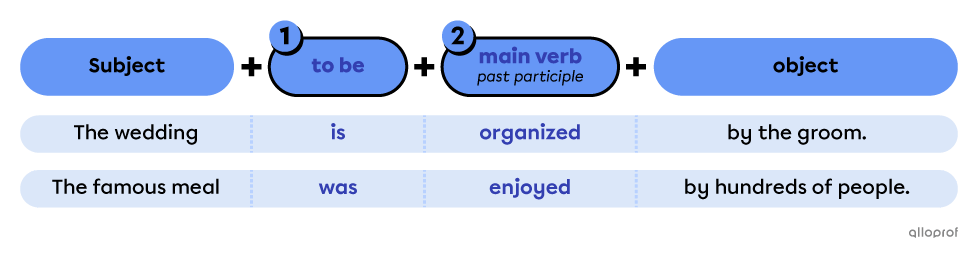 100%
100%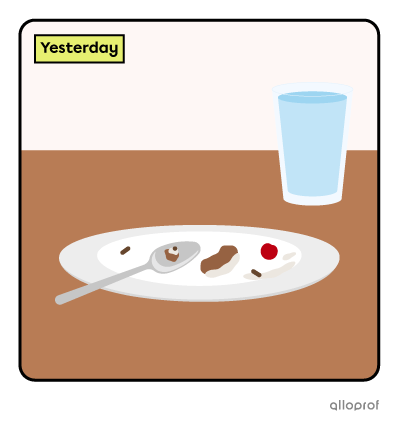 100%
100%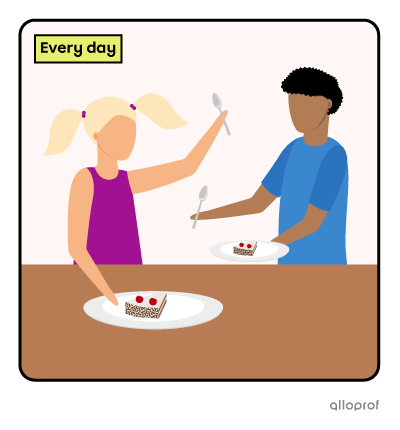 100%
100%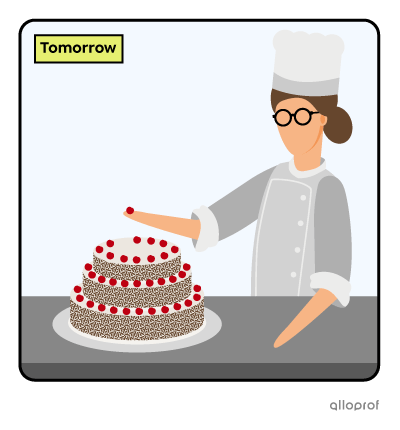 100%
100%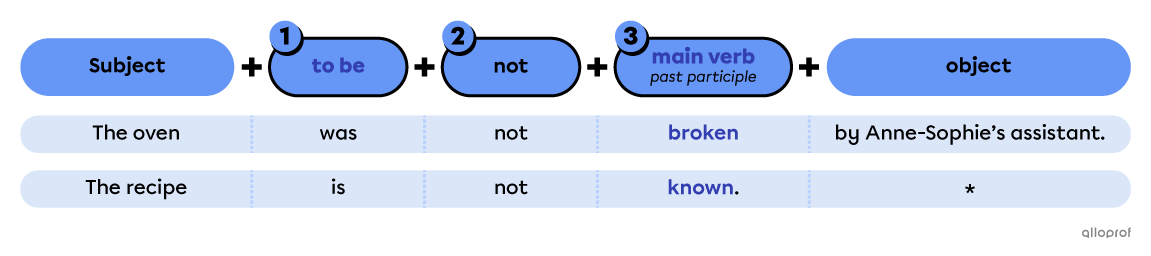 100%
100%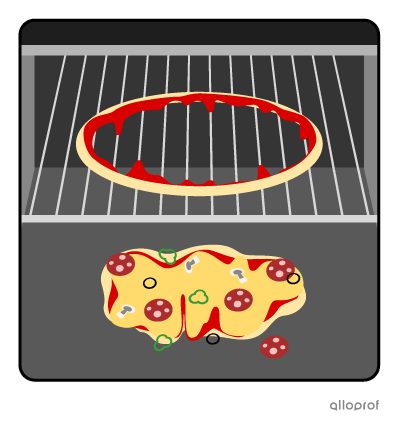 100%
100% 100%
100%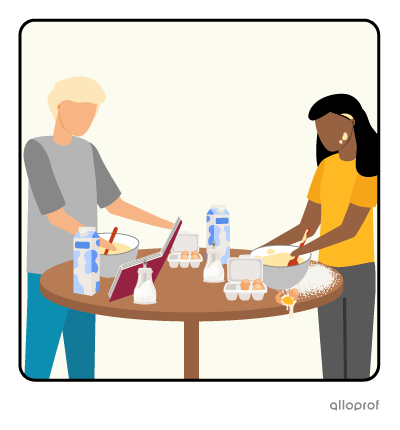 100%
100%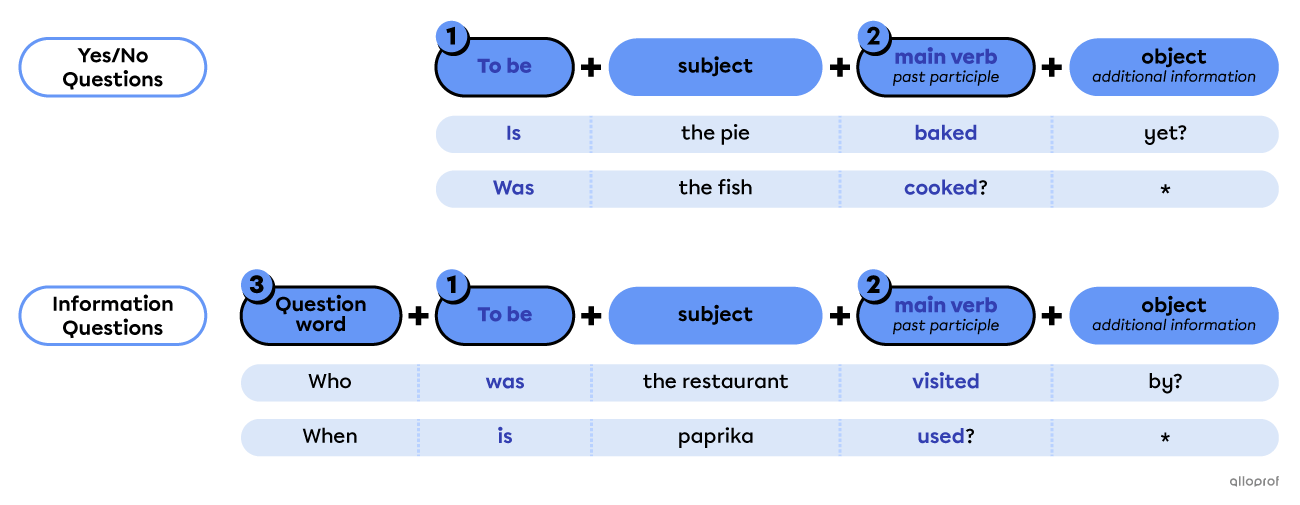 100%
100% 100%
100% 100%
100%
Here are some examples of sentences written in their active and passive form:
|
Active |
Passive |
|
This weird restaurant serves questionable meals. |
Questionable meals are served at this weird restaurant. |
|
Grandmothers cook marvelous pancakes. |
Marvelous pancakes are cooked by grandmothers. |
Using active sentences usually makes your writing more straightforward.
However, using passive sentences can be useful in specific situations.
Here are some examples of sentences written in their active and passive form:
|
Active |
Passive |
|
This weird restaurant serves questionable meals. |
Questionable meals are served at this weird restaurant. |
|
Grandmothers cook marvelous pancakes. |
Marvelous pancakes are cooked by grandmothers. |

Using active sentences usually makes your writing more straightforward.
However, using passive sentences can be useful in specific situations.
There are many reasons to use passive voice sentences.
To emphasize the action or the object rather than the person doing it
To lessen the importance of the role of the person doing it
To avoid directly blaming a person
To sound more formal
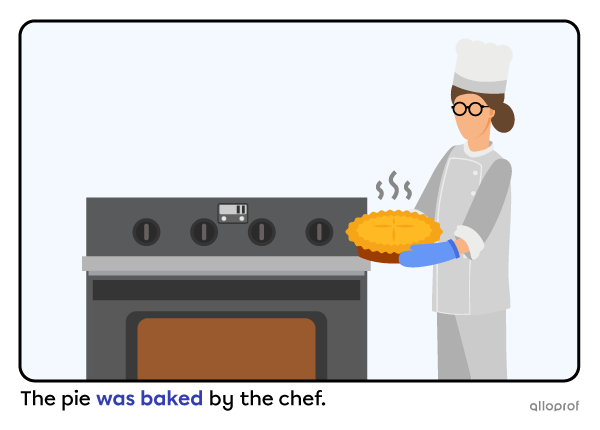
To emphasize the action or the object rather than the person doing it
We focus on the action “the pie was baked” rather than on the chef who baked it.
We focus on the fact that “flour was spread on the counter” rather than on who spread the flour.
To avoid directly blaming a person
We focus on the action “the meal was sent back” rather than blaming who cooked the meal.
To sound more formal
The passive voice makes things sound more official. At the same time, it also focuses on the award more than on the person receiving it.
Points to remember when forming affirmative passive voice sentences:
Use the verb to be as an auxiliary verb
Use the past participle of the main verb
Past
A cake was eaten yesterday.
Present
A cake is eaten every day.
Future
A cake will be eaten tomorrow.
Points to remember when forming negative passive voice sentences:
Use the verb to be as an auxiliary verb
Place not between the auxiliary and the main verb
Use the past participle of the main verb
*Object is not always necessary.
Past
The cooking instructions were not followed.
Present
The cooking instructions are not followed by everyone.
Future
The cooking instructions will not be followed all the time.
Points to remember when forming questions in the passive voice form.
Place the auxiliary verb to be before the subject for yes/no questions.
Use the past participle of the main verb
Place a question word at the beginning.
*Object is not always necessary.
Past
Why was the effect of spicy food on the body studied?
Present
What is known about the effects of spicy food?
Future
Which spicy sauce will be tried next?