Matières
Niveaux
 100%
100%
 100%
100%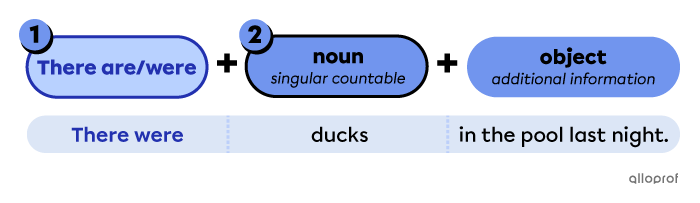 100%
100%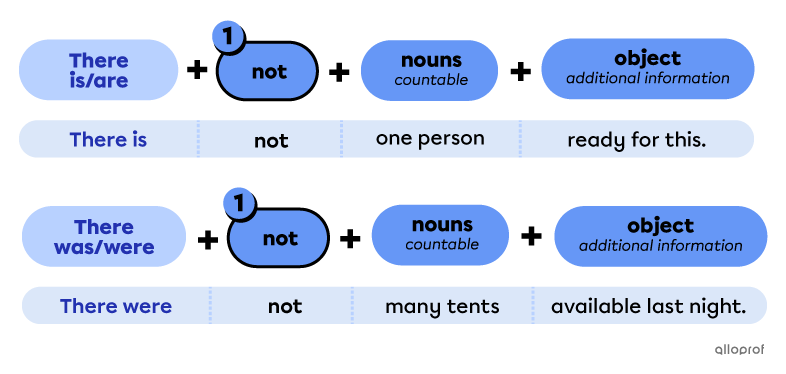 100%
100%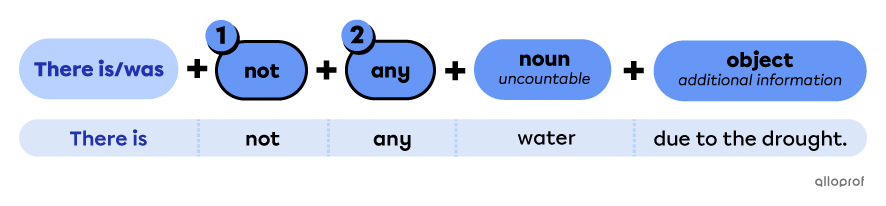 100%
100%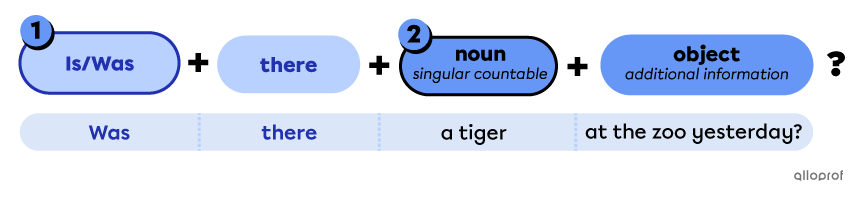 100%
100%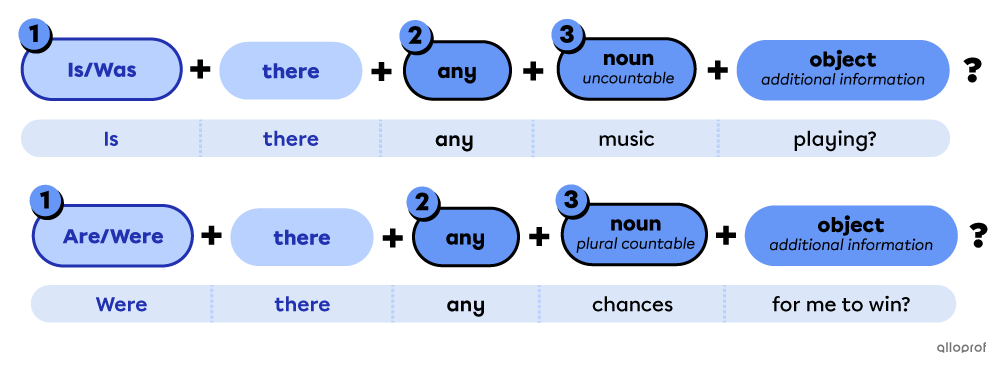 100%
100%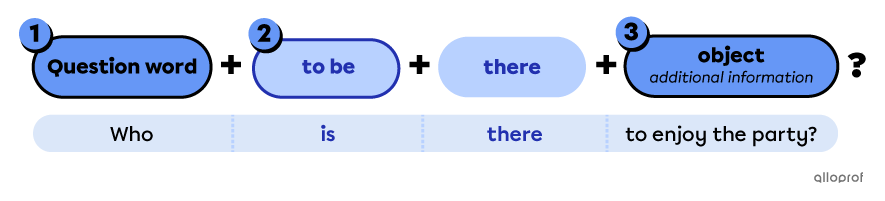 100%
100% 100%
100% 100%
100% 100%
100% 100%
100%
The phrases there is/was and there are/were are used to say that something exists or existed.
In basic sentences, the subject comes before the verb, but in a sentence that begins with There is or There are, the subject (a singular or plural noun) comes after.
For example:
If you want to say that a cow in the field exists, use there is:
There is a cow in the field.
To determine whether to use there is or there are, you must check the noun following it.
You must also consider the verb tense.
| Singular countable nouns/uncountable nouns |
Plural countable nouns |
|
| Simple Present | there is | there are |
| Simple Past | there was | there were |
Points to remember when forming sentences using there is/was
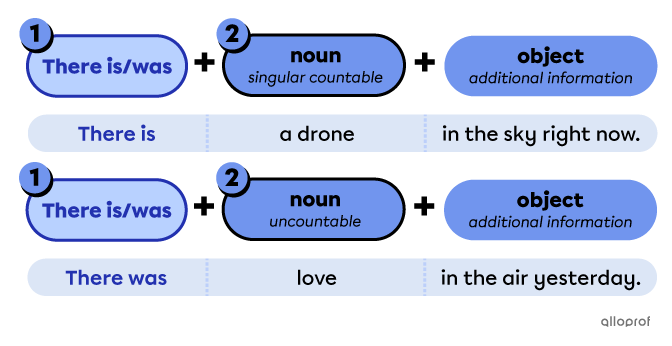
Place there is/was in front of a singular countable noun or an uncountable noun.
Place the noun after there is/was.

Points to remember when forming sentences using there are/were
Place there are/were in front of the plural countable nouns.
Place the noun after there are/were.
| Singular countable |
Singular uncountable |
Plural countable |
There is a mosquito in the tent.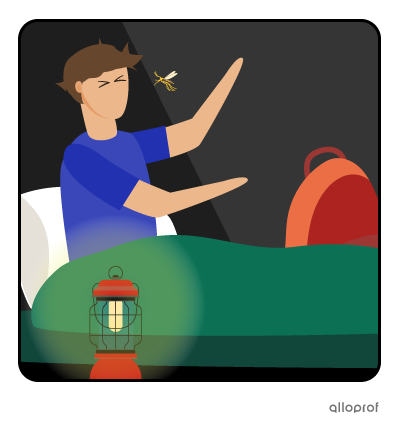 |
There is milk in the fridge. |
There are insects everywhere.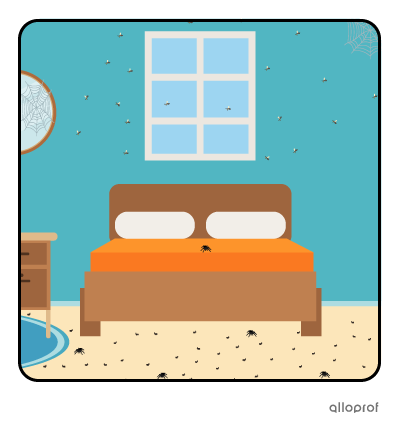 |
There is a car in the driveway. |
There is sand on the beach. |
There are players on the ice.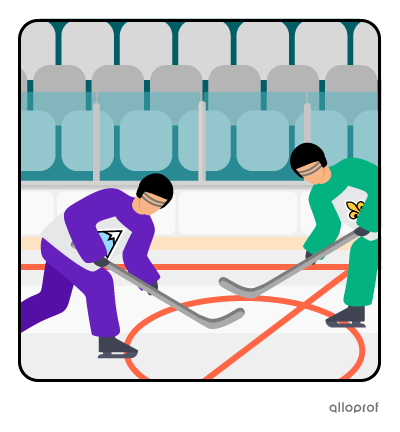 |
| Singular countable |
Singular uncountable |
Plural countable |
There was a job opening yesterday, but we hired someone this morning. |
There was water in the glass before I spilled it everywhere. |
There were dinosaurs on Earth before their mass extinction.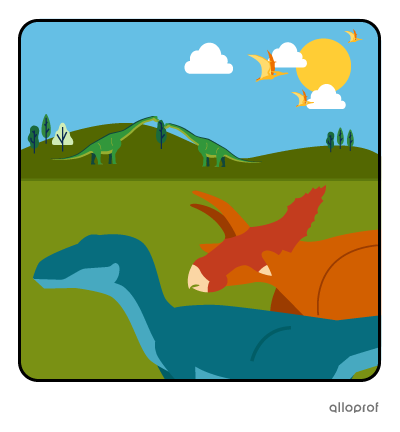 |
There was a dog barking last night. |
There was soup for lunch yesterday. |
There were electric cars in 1895.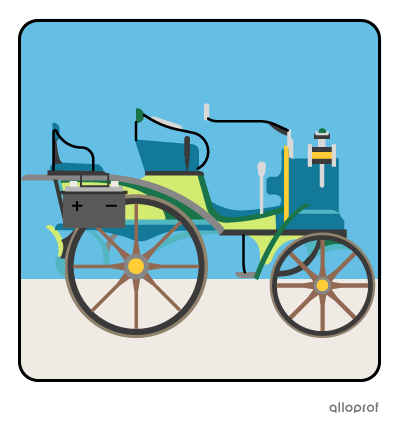 |
Point to remember when forming negative sentences with there is/are or there was/were
Place the function word not after there is/are or there was/were.
| Singular Countable | Plural Countable | |
| Simple Present | There is not a car in the driveway. | There are not many insects in the house. |
| There isn’t* a cow in the field. | There aren’t* any players on the ice. | |
| Simple Past | There was not a tree in the backyard. | There were not many movies to watch online in 2005. |
| There wasn’t* a bird in this forest. | There weren’t* many possibilities. |
*Contractions are often used in the negative.
Points to remember when forming negative sentences with there is/was that are followed by an uncountable noun
Place the function word not after there is/was.
Place the determiner any before the uncountable noun.
| Uncountable | |
| Simple Present | There is not any juice left. |
| There isn’t* any snow falling. | |
| Simple Past | There was not any wind blowing. |
| There wasn’t* any water in the pool. |
*Contractions are often used in the negative.
Points to remember when forming yes/no questions with singular countable nouns
Place the auxiliary verb to be (is/was*) before there for yes/no questions.
Place the singular countable noun after there.
*Use is in the simple present and was in the simple past.
| Singular Countable Nouns | |
| Simple Present | Is there a nurse available? |
| Is there a doctor in the room? | |
| Simple Past | Was there a dog in space? |
| Was there a scientist in the laboratory? |
Points to remember when forming yes/no questions with plural countable nouns or uncountable nouns
Place the auxiliary verb to be (is/was/are/were*) before there for yes/no questions.
Place the pronoun any after there.
Place the plural countable noun or uncountable noun after any.
*Use is/are in the simple present and was/were in the simple past.
| Plural Countable Nouns | Uncountable Nouns | |
| Simple Present | Are there any penguins in Arctica? | Is there any milk left at the grocery store? |
| Are there any sandwiches in the fridge? | Is there any sand on that beach? | |
| Simple Past | Were there any mosquitos on the cruise? | Was there any trouble on the flight? |
| Were there any protesters downtown yesterday? | Was there any ice cream in the freezer? |
Points to remember when forming information questions
Place the question word first.
Place the auxiliary verb to be (is/are/was/were*) before there.
Place the object after there.
*Use is/are in the simple present and was/were in the simple past.
| Question word | to be | there | object |
| Who | is | there | today? |
| What | was | there | to do in Toronto last weekend? |
| Where | are | there | wild horses? |
| Why | were | there | demonstrations in Ottawa? |
Specific Questions with how many
Place the question word first.
Place the plural noun after how many.
Place the auxiliary verb to be (is/are/was/were) before there.
Place the object after there.
| How many | How many pigs are there on the farm? |
| How many casualties were there in WWII? |
It is possible to form complete sentences combining there with auxiliary verbs.
Points to remember when forming affirmative sentences with auxiliary verbs
Place the auxiliary verb after there.
Place be/been* after the auxiliary verb.
Place the singular/plural countable noun or uncountable noun after be/been.
*Use been with perfect tenses.
| Singular Countable | Uncountable | Plural Countable | |
| Simple Future | There will be a new electric car. | There is going to be internet access everywhere soon. | There will be new viruses in the future. |
| Present Perfect | There has been a scientific breakthrough this morning. | There has been trouble all day long. | There have been many casualties today. |
| Singular Countable | Uncountable | Plural Countable | |
| Modals | There could be new laws. | There might be trouble ahead. | There would be kiwis in Australia if they could fly from New Zealand. |
| The architect says there can be 2 or 3 bathrooms in the new house. | There could be oil in the engine. | There should be 7 players on the field. |
Points to remember when forming negative sentences with auxiliary verbs
Place the auxiliary verb after there.
Place the function word not after the auxiliary verb.
Place be/been after the auxiliary verb.
Place the singular/plural countable noun or uncountable noun after be.
| Singular Countable | Uncountable | Plural Countable | |
| Simple Future | There will not be a new version of Windows in the years to come. | There won't* be any meat for supper. | There will not be any flying cars soon. |
| Present Perfect | There has not been one injured person since the attack. | There hasn’t* been any reported damage to the building. | There have not been any reports after 22:00. |
| Singular Countable | Uncountable | Plural Countable | |
| Modals | There could not be anyone in the area. | There might not be any trouble ahead. | There wouldn’t* be any problem if everyone respected the rules. |
| There can’t* be more than 3 bedrooms in this new house. | There would not be water in the basement if it weren’t for the storm outside. | There shouldn’t* be more than 5 players on the ice. |
*Contractions are often used in the negative.
Points to remember when forming yes/no questions with auxiliary verbs
Place the auxiliary verb before there for yes/no questions.
Place be/been after the auxiliary verb.
Place the singular/plural countable noun or uncountable noun after be/been.
| Singular Countable | Uncountable | Plural Countable | |
| Simple Future | Will there be a new version of Windows soon? | Will there be any meat for supper? | Will there be any flying cars soon? |
| Present Perfect | Has there been a casualty in the attack? | Has there been any reported damage to the building? | Have there been any reports after 22:00? |
| Singular Countable | Uncountable | Plural Countable | |
| Modals | Should there be anyone in the area? | Could there be any trouble ahead? | Would there be problems if people respected the rules? |
| Can there be more than 3 bedrooms in this new house? | Would there be water in the basement if it hadn’t been for the storm? | Should there be more than 5 players on the ice? |
Points to remember when forming information questions with auxiliary verbs
Place the question word first.
Place the auxiliary verb before there.
Place be/been after there.
Place the object after be/been.
| Question word | auxiliary verb | there | be/been | object |
| When | should | there | be | a new government? |
| What | would | there | be | if there was no universe? |
| Where | might | there | be | microclimates? |
| Why | have | there | been | protesters? |